1. Introduction
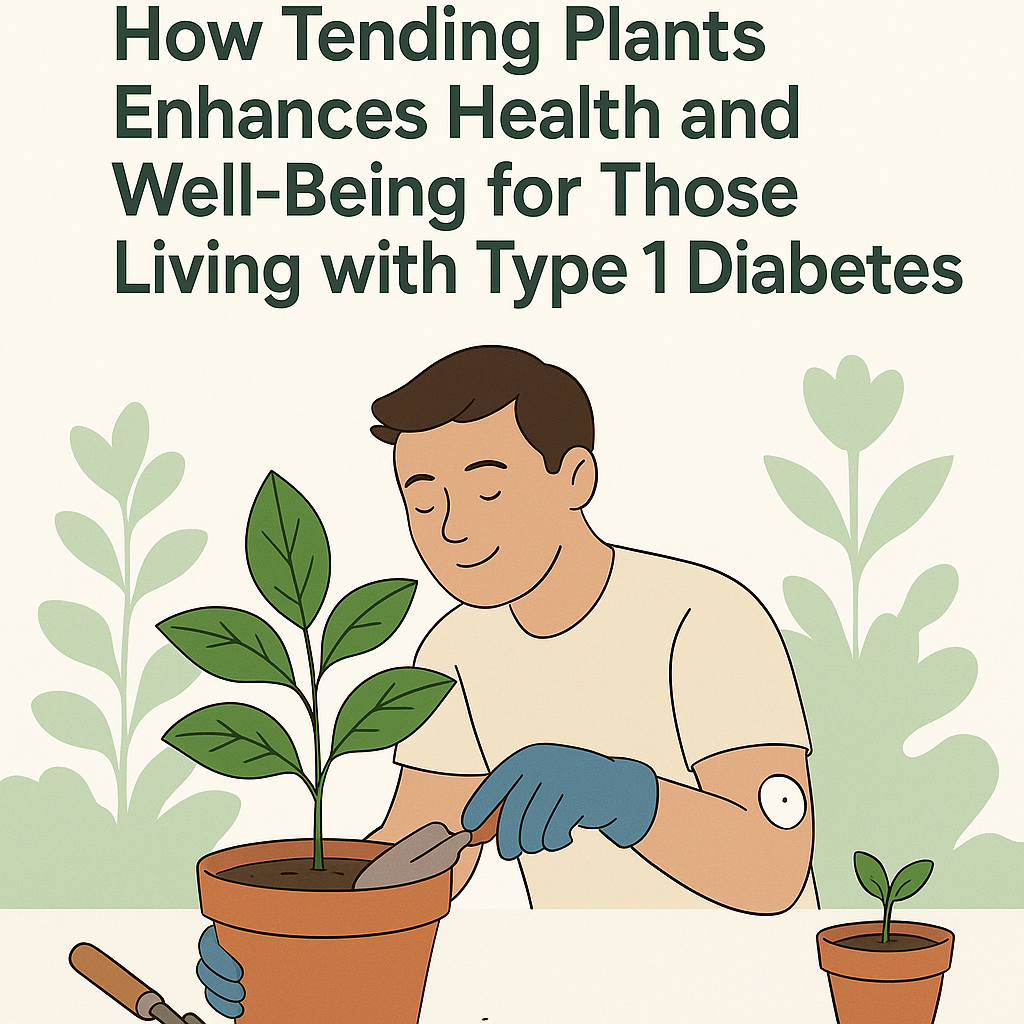
The journey of managing type 1 diabetes is one that intertwines daily routine with vigilance, requiring a careful balance of diet, insulin management, and lifestyle choices. While the traditional focus remains on medical treatment and dietary considerations, there’s a growing interest in how lifestyle activities, such as gardening, can complement and enhance overall well-being for those living with this condition. Gardening, with its blend of physical activity, mental engagement, and connection to nature, offers unique benefits that may support health and wellness in a holistic way. This introduction explores how tending to a garden can become a meaningful part of life for individuals managing type 1 diabetes, potentially offering a sense of calm, purpose, and physical activity that contributes positively to daily life.
For individuals with type 1 diabetes, maintaining an active lifestyle is often recommended as part of a comprehensive management plan. Physical activity can help with blood glucose control, improving insulin sensitivity and potentially reducing the risk of complications. Gardening, as a form of moderate exercise, can be an accessible and enjoyable way to incorporate movement into one’s day. Tasks such as planting, weeding, and harvesting require a range of motions, supporting physical fitness while also providing opportunities to enjoy the outdoors. However, it’s important for individuals to monitor their blood glucose levels, especially before, during, and after gardening activities, to ensure they are within a safe range. Consulting with a healthcare provider can help tailor these activities safely to individual needs.
In addition to physical benefits, gardening offers mental and emotional advantages that should not be underestimated. The act of nurturing plants can be meditative, providing a break from the stresses of daily life and the continuous demands of diabetes management. This connection with nature has been associated with reduced stress and improved mood, which can contribute positively to mental health. For those living with type 1 diabetes, reducing stress is particularly important, as stress can influence blood glucose levels and overall health. While gardening is not a substitute for professional mental health support, it can be a valuable component of a broader wellness strategy.
Ultimately, the integration of gardening into the lifestyle of someone with type 1 diabetes can be both rewarding and beneficial, though individual experiences may vary. It is always wise to discuss any new activity with a healthcare provider to ensure it aligns with personal health goals and medical advice. By incorporating gardening into their routine, individuals may find a source of joy and wellness that supports them on their journey with type 1 diabetes.
2. Medical Overview
Type 1 diabetes is a chronic condition where the pancreas produces little to no insulin, a hormone essential for allowing glucose to enter cells and be used for energy. This autoimmune disorder typically manifests during childhood or adolescence but can develop in adults as well. Managing type 1 diabetes requires careful monitoring of blood sugar levels, insulin administration, and lifestyle adjustments to maintain good health and prevent complications. While medical treatment is crucial, incorporating activities that promote physical and mental well-being can also play a significant role in managing this condition.
One such activity is gardening, which offers various benefits that may complement the medical management of type 1 diabetes. Engaging in gardening can provide moderate physical exercise, which is beneficial for overall cardiovascular health and can aid in maintaining stable blood sugar levels. However, it’s important for individuals with type 1 diabetes to monitor their blood sugar before, during, and after such physical activities to prevent hypoglycemia, or low blood sugar. Those experiencing symptoms of low blood sugar should pause their gardening activities, treat the hypoglycemia, and ensure recovery before resuming.
Beyond physical benefits, gardening can also have positive effects on mental health, which is an integral part of diabetes management. The act of tending to plants can be meditative and reduce stress, a common factor that can impact blood sugar control. The calming nature of being in a garden, coupled with the satisfaction of nurturing plant life, may contribute to improved mental well-being, which in turn can aid in better diabetes management. While these benefits can be supportive, individuals should always consult with their healthcare provider to tailor activities to their specific needs and health status.
It’s important to remember that type 1 diabetes management is highly individualized, with unique treatment plans and considerations for each person. Therefore, while gardening may offer general health benefits, it should be viewed as a complementary activity alongside prescribed medical treatment and lifestyle modifications. Always discuss any new activity with your healthcare team to ensure it aligns with your overall diabetes management plan. By taking a holistic approach that includes both medical and lifestyle strategies, individuals with type 1 diabetes can work towards a balanced and healthy life.
3. Practical Guidance
Gardening offers a unique blend of physical activity, mental relaxation, and a connection to nature, all of which can be beneficial for individuals managing type 1 diabetes. However, to fully enjoy these benefits, it’s important to consider some practical steps that can enhance your gardening experience while maintaining your health and well-being.
First and foremost, monitoring your blood sugar levels is crucial before, during, and after gardening. Physical activities, including gardening, can affect your blood sugar levels in different ways. It is wise to check your levels before starting to ensure they are in an acceptable range for physical exertion. If your blood sugar is low, address it with a quick carbohydrate snack and wait until levels stabilize before beginning your gardening tasks.
Hydration is another key aspect to keep in mind. Being outdoors, especially under the sun, can lead to dehydration, which might affect blood sugar management. Always have a bottle of water handy and take regular sips to stay hydrated. Additionally, wear appropriate clothing and apply sunscreen to protect your skin from excessive sun exposure.
When planning your gardening sessions, consider the timing and duration. Mornings or late afternoons may offer more comfortable temperatures, reducing the risk of overheating. Start with shorter sessions and gradually increase the duration as you become accustomed to the activity. This gradual approach can help prevent exhaustion and allow for better management of your energy levels.
It’s also important to have a plan for managing low blood sugar episodes. Keep glucose tablets, gels, or a sugary snack within reach whenever you are gardening. If you experience symptoms of hypoglycemia, such as dizziness or confusion, take immediate action to treat it and ensure you have fully recovered before continuing your activity.
Regular foot care is vital for those with diabetes, and gardening can sometimes pose risks to foot health. Wear sturdy, closed-toe footwear to protect your feet from potential injuries like cuts or insect bites. After your gardening session, inspect your feet for any signs of injury or irritation. If you notice anything concerning or have persistent issues, it’s important to consult with a healthcare professional.
Finally, listen to your body and pace yourself. Gardening should be an enjoyable and rejuvenating activity, not a source of stress or fatigue. By taking these practical steps, you can safely incorporate gardening into your routine, reaping its benefits while effectively managing your type 1 diabetes. Remember, individual needs can vary, so it’s always a good idea to discuss your specific plans and any concerns with your healthcare provider.
4. Practical Tips
Gardening can be a soothing and rewarding activity for anyone, but for those living with type 1 diabetes, it may offer unique benefits. While it’s crucial to manage your blood sugar levels and consult with your healthcare provider about any new activity, gardening presents opportunities to enhance both physical and mental well-being. Here are some practical tips to help you get started in the garden while keeping your health in mind.
First, consider planning your gardening activities around your daily routine and energy levels. For instance, you might find that tending to your plants in the morning works best, as it allows you to enjoy cooler temperatures and monitor your blood sugar levels after breakfast. This timing could also help you set a positive tone for the rest of the day. Be sure to have quick access to a glucose meter and a fast-acting carbohydrate, such as glucose tablets or juice, so you’re prepared to address any sudden drops in blood sugar.
Next, think about incorporating small, manageable tasks that can be spread throughout the week. Instead of attempting to overhaul your entire garden in one day, break it down into smaller activities like weeding a few rows of plants or planting seeds in a single area. This approach can help prevent fatigue and provide regular physical activity, which may support better overall health management. Always listen to your body and take breaks when needed, ensuring you stay hydrated and nourished, especially if you’re working under the sun.
Additionally, choosing the right plants can enhance your gardening experience. Opt for a mix of herbs, vegetables, and flowers that you enjoy and that are suited to your climate. Herbs like basil, cilantro, and mint are not only easy to grow but can also be used to add flavor to your meals without extra carbohydrates or calories. Vegetables such as leafy greens, tomatoes, and peppers can be rewarding to harvest and are excellent additions to a balanced diet. The act of nurturing these plants can provide a sense of accomplishment and contribute to a more mindful, health-oriented lifestyle.
Finally, remember that gardening is as much about enjoyment as it is about productivity. Engage with the process—feel the soil, appreciate the growth, and take pride in your efforts. This connection with nature can be a powerful stress-reliever and mood enhancer, both of which can play a role in supporting your overall health. If you ever feel uncertain about how gardening might fit into your diabetes management plan, it’s always a good idea to reach out to your healthcare team for personalized advice.
5. Expert Opinions
Incorporating gardening into daily life can be a rewarding activity for many people with type 1 diabetes, and experts in diabetes care often highlight its potential benefits for physical and mental well-being. While gardening alone is not a substitute for medical treatment, clinicians generally recommend it as a complementary practice that can foster a healthier lifestyle. The physical exertion involved in activities like planting, weeding, and watering can contribute to regular physical activity, which is an important aspect of diabetes management. Regular exercise is known to help with blood glucose control, though individual responses vary, and it’s crucial for those with type 1 diabetes to monitor their blood sugar levels closely during such activities to prevent hypoglycemia. It’s always advisable to have a snack or treatment for low blood sugar on hand and to take a break if needed.
Beyond the physical benefits, gardening provides a mental health boost that can be particularly valuable for those managing a chronic condition like type 1 diabetes. Spending time in nature has been associated with reduced stress levels and improved mood, and these emotional benefits can be a vital part of overall diabetes management. Experts in mental health and diabetes care recognize that stress can sometimes affect blood sugar levels, so incorporating stress-reducing activities like gardening may indirectly support glucose control and enhance quality of life. However, as the impact of stress and exercise on blood sugar can differ from person to person, individuals are encouraged to discuss their personal experiences and strategies with their healthcare provider to ensure a safe and effective approach.
Gardening also offers a sense of accomplishment and routine, which can be beneficial for emotional health. The act of nurturing plants and watching them grow can provide a sense of purpose and joy, contributing to a positive outlook and increased motivation to maintain other aspects of diabetes care. While the benefits of gardening are widely acknowledged, it’s important for individuals with type 1 diabetes to approach any new physical activity with thoughtful planning and consultation with their healthcare team. Tailoring activities to fit personal health needs and capabilities ensures that gardening can be a safe, enjoyable, and beneficial part of a wellness routine.
6. Misconceptions
Misconceptions surrounding type 1 diabetes can create barriers to exploring new activities, like gardening, that may enhance well-being. One common misconception is that people with type 1 diabetes should avoid activities that could lead to fluctuations in blood sugar, fearing that they have to maintain a rigid lifestyle. However, with careful planning and monitoring, those living with type 1 diabetes can safely engage in a wide range of activities, including gardening, which can be both physically beneficial and emotionally rewarding. It’s important to remember, however, that each individual’s needs are unique, and it’s always a good idea to consult with a healthcare provider before starting a new activity to understand how it might affect one’s diabetes management plan.
Another misconception is that all physical activities will invariably lead to hypoglycemia, or low blood sugar. While it’s true that physical exertion can affect blood sugar levels, the impact varies depending on the intensity and duration of the activity. Gardening, often considered a moderate activity, can offer a balanced form of exercise that might not be as intense as other forms of physical exercise. Nevertheless, it’s crucial for individuals to be prepared by having a quick source of glucose on hand and knowing their own body’s signals for low blood sugar. If symptoms of hypoglycemia arise, addressing them promptly and verifying recovery is essential before continuing with gardening or any other activity.
There is also a misconception that stress from managing diabetes can be compounded by taking on new responsibilities, such as tending a garden. On the contrary, many find that gardening serves as a stress reliever, providing a sense of accomplishment and a break from daily routines. The act of nurturing plants and being outdoors can help foster mindfulness, which may contribute positively to mental health. While gardening is unlikely to replace any medical treatment, it can complement a comprehensive diabetes management plan by potentially reducing stress and promoting relaxation.
Finally, it’s important to dispel the myth that lifestyle changes can completely replace the need for insulin in type 1 diabetes. While activities like gardening may contribute to overall well-being and potentially improve blood sugar control, they are not substitutes for prescribed medical treatments. Insulin therapy remains a cornerstone of managing type 1 diabetes, and any adjustments to treatment should be made in consultation with a healthcare professional. It’s about finding a balance where activities like gardening can be enjoyed safely and effectively as part of a holistic approach to health.
7. Summary
Gardening offers more than just an opportunity to get outside and enjoy the fresh air; it can also play a beneficial role in the health and well-being of those living with type 1 diabetes. This section summarizes how engaging with plants and nature can support both physical and mental health for individuals managing this condition. While gardening should not replace medical treatments, it can be a complementary activity that enhances overall wellness.
One of the key benefits of gardening is the physical activity it entails. From planting seedlings to weeding and watering, these tasks provide a form of exercise that can help improve cardiovascular health and support blood sugar management. Regular physical activity is known to be beneficial for people with type 1 diabetes as it can enhance insulin sensitivity and help maintain a healthy weight. However, it’s essential to monitor blood glucose levels before, during, and after gardening to prevent hypoglycemia. In the event of low blood sugar, it’s important to pause gardening activities and address symptoms promptly, consulting a healthcare provider for personalized advice on managing exercise and diabetes.
Beyond the physical advantages, gardening can also offer mental health benefits. The process of nurturing plants and witnessing their growth can provide a sense of accomplishment and reduce stress, which is particularly important for those managing a chronic condition like type 1 diabetes. Stress management is crucial, as stress can impact blood sugar levels and overall health. Spending time in nature has been associated with improvements in mood and anxiety reduction, which can positively influence diabetes management. Additionally, the tactile and sensory experiences of gardening, such as feeling the soil or smelling flowers, can promote mindfulness and relaxation.
Engaging in gardening can also foster a sense of community and connection. Whether participating in a community garden or sharing gardening experiences with friends and family, this activity can help combat feelings of isolation that may accompany chronic illness. Connecting with others who share similar interests can offer emotional support and motivation, which are valuable for anyone living with type 1 diabetes.
While gardening can be a rewarding and health-enhancing activity, it’s important for individuals with type 1 diabetes to consult with their healthcare team to tailor activities to their specific needs and health status. This ensures that the benefits of gardening are enjoyed safely and effectively. By integrating gardening into a balanced lifestyle, individuals with type 1 diabetes may find it a fulfilling way to support their health and well-being.