1. Introduction
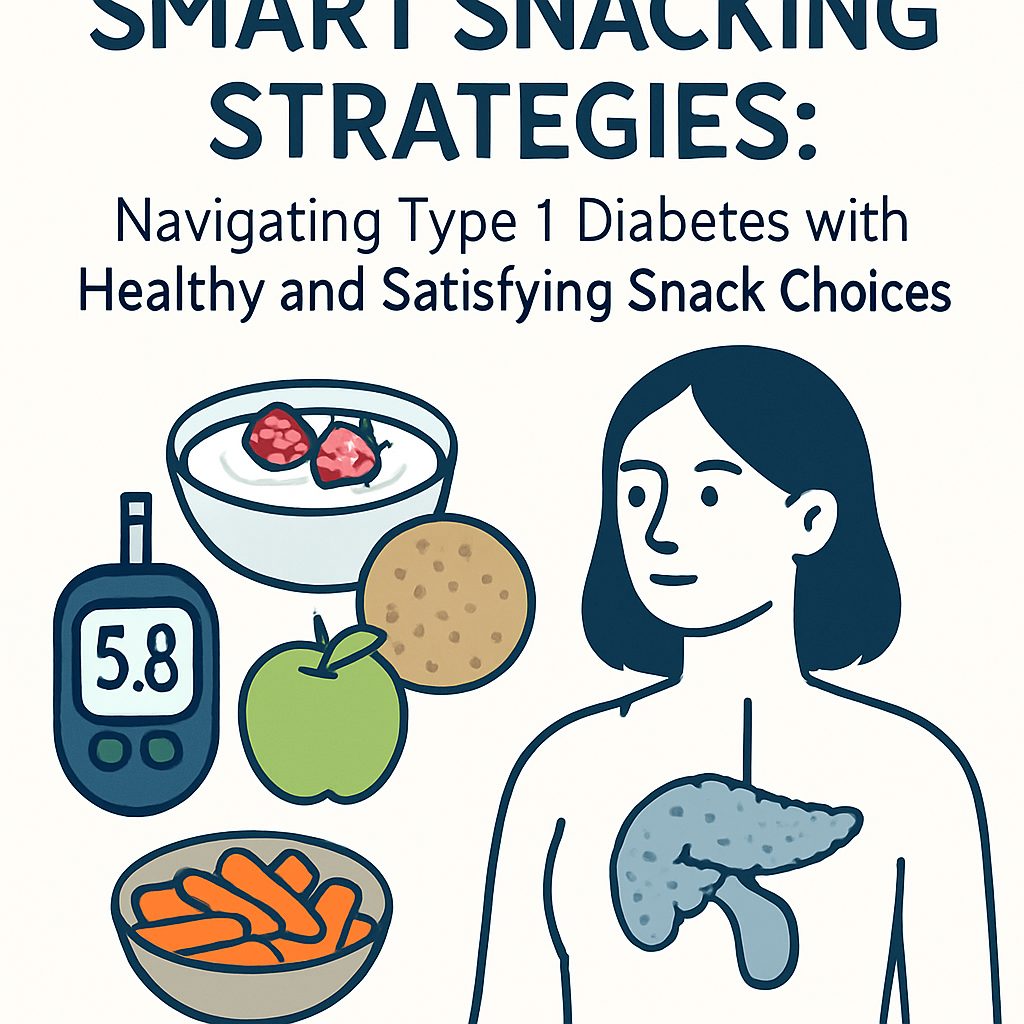
Living with type 1 diabetes involves a continuous balancing act. It requires managing blood sugar levels through a combination of insulin therapy, diet, and physical activity. Among the various aspects of diabetes management, making informed choices about what to eat can significantly impact overall health and well-being. This is particularly true when it comes to snacking, a daily habit for many that can either support or disrupt blood sugar control. In this introduction to “Smart Snacking Strategies: Navigating Type 1 Diabetes with Healthy and Satisfying Snack Choices,” we’ll explore how thoughtful snack selections can play a crucial role in managing type 1 diabetes.
Snacking, when done thoughtfully, can help maintain steady energy levels and prevent blood sugar spikes or dips. For individuals with type 1 diabetes, the goal is to choose snacks that offer a balance of carbohydrates, proteins, and fats, while also considering factors such as portion size and timing. This approach not only helps in keeping blood glucose levels in check but can also contribute to a more varied and enjoyable diet. However, it’s important to remember that each person’s diabetes management plan is unique. What works well for one person might not be suitable for another. Therefore, consulting with a healthcare provider or a registered dietitian is recommended when making significant dietary changes.
Smart snacking is not just about what you eat but also when and how much you eat. The timing of snacks can be just as important as their content. For example, having a small snack before physical activity might help prevent low blood sugar, while a snack with a higher protein content might be more appropriate if you’re looking to manage overnight glucose levels. It’s essential to be observant of how different snacks affect your blood sugar and adjust accordingly, in consultation with your healthcare team.
In this article, we aim to provide general strategies and tips for making smarter snack choices that can help manage type 1 diabetes more effectively. While these suggestions can be a valuable starting point, individual needs and responses can vary considerably. Always prioritize safety and personal health by checking with your healthcare provider when making changes to your diet or diabetes management plan. By integrating smart snacking strategies into your daily routine, you may find it easier to maintain a balanced diet, enjoy a variety of foods, and support your overall health and well-being.
2. Medical Overview
Type 1 diabetes is a chronic condition characterized by the body’s inability to produce insulin, a hormone crucial for regulating blood sugar levels. Unlike type 2 diabetes, which is often associated with lifestyle factors, type 1 diabetes is primarily an autoimmune disorder where the immune system mistakenly attacks and destroys insulin-producing cells in the pancreas. As a result, individuals with type 1 diabetes depend on external insulin administration to manage their blood glucose levels effectively. This condition requires careful monitoring of blood sugar levels, mindful dietary choices, and consistent insulin therapy to maintain stability and prevent complications.
Understanding how different foods impact blood sugar is key to managing type 1 diabetes. Carbohydrates are the primary macronutrient that affects blood glucose levels, and they can be found in a variety of foods, including fruits, vegetables, grains, and dairy products. When planning snacks, individuals with type 1 diabetes need to consider both the type and quantity of carbohydrates they consume. The glycemic index (GI) of foods, which measures how quickly carbohydrate-containing foods raise blood sugar, can be a useful guide. Foods with a low GI tend to raise blood sugar more slowly and steadily, which may be beneficial for maintaining glucose control.
Incorporating a balance of macronutrients—carbohydrates, proteins, and fats—into snacks can also help stabilize blood sugar levels. Proteins and fats can slow the absorption of glucose into the bloodstream, potentially offering more sustained energy and reducing the risk of sudden spikes or drops in blood sugar. For those with type 1 diabetes, it might be beneficial to pair carbohydrate-rich foods with sources of protein or healthy fats, such as nuts, seeds, or yogurt. However, it’s important to remember that everyone’s body responds differently to various foods, so what works for one person might not work for another.
Regular blood sugar monitoring is essential when trying new snacks or adjusting dietary habits. Technology such as continuous glucose monitors (CGMs) can provide valuable insights into how specific foods affect an individual’s blood sugar patterns. By paying close attention to these patterns and discussing them with their healthcare provider, individuals with type 1 diabetes can tailor their snack choices to better suit their personal needs. It is always advisable to consult a healthcare professional or a registered dietitian before making significant changes to one’s diet or diabetes management plan.
In addition to food choices, lifestyle factors such as physical activity and stress levels can also influence blood sugar control. Engaging in regular exercise and finding healthy ways to manage stress may support overall diabetes management and enhance the effectiveness of dietary strategies. However, for those with type 1 diabetes, it is crucial to monitor blood sugar levels before, during, and after physical activity to ensure they remain within a safe range. If any sudden changes in symptoms occur or if blood sugar levels drop significantly, appropriate measures should be taken to address these issues promptly before continuing with any activity.
3. Practical Guidance
Smart snacking is an essential aspect of managing type 1 diabetes, offering an opportunity to maintain stable blood sugar levels while satisfying hunger between meals. Understanding how different snacks affect your blood sugar can empower you to make choices that align with your health goals. Begin by focusing on snacks that combine fiber, protein, and healthy fats. These components can help slow down the absorption of carbohydrates, which may contribute to more stable blood sugar levels. Examples include a small handful of nuts, a slice of whole-grain toast with avocado, or Greek yogurt with a sprinkle of seeds. Remember, the aim is to create a balance that satisfies hunger and supports your overall blood sugar management plan.
Preparation is key when it comes to smart snacking. Consider planning your snacks for the week ahead, just as you might with your meals. This can involve pre-packaging portions of nuts or chopping vegetables to have on hand for quick access. Having a selection of go-to snacks readily available can minimize the temptation to reach for less healthy options when hunger strikes unexpectedly. Keeping a food diary can also be beneficial in tracking how different snacks affect your blood sugar, allowing you to make more informed choices over time.
Portion control is another important factor. Even healthy snacks can impact blood sugar levels if consumed in large quantities. Pay attention to serving sizes and consider using measuring tools or pre-portioned containers to help manage intake. This practice can help prevent accidental overconsumption, which may lead to spikes in blood sugar levels. When introducing a new snack into your routine, monitor your blood sugar response to better understand how it fits into your overall management strategy.
It’s crucial to be mindful of carbohydrate content in snacks, especially when choosing those with higher sugar content. Reading nutrition labels can provide valuable information about the carbohydrate content and help you make more mindful choices. If you’re unsure how a particular snack might affect your blood sugar, it’s always a good idea to check your levels after consumption and adjust your future choices accordingly.
Lastly, staying aware of your body’s signals is important. If you experience symptoms of low blood sugar, such as dizziness or shakiness, prioritize treating the low with a fast-acting carbohydrate source, like glucose tablets or juice, before resuming regular activities. Consulting your healthcare provider can provide personal guidance tailored to your needs, ensuring your snacks fit well within your diabetes management plan. By incorporating these strategies, you can navigate the world of snacking with confidence and support your health goals effectively.
4. Practical Tips
When managing type 1 diabetes, snacking can play an essential role in maintaining blood sugar levels and providing energy between meals. With a bit of planning, you can enjoy snacks that are both satisfying and beneficial for your health. Here are some practical tips to help you make smart snack choices.
Firstly, it’s important to choose snacks that have a balanced mix of carbohydrates, proteins, and healthy fats. This combination can help stabilize blood sugar levels more effectively than carbs alone. For instance, apple slices paired with a tablespoon of nut butter make a delicious and balanced snack. The fiber from the apple and the protein and fat from the nut butter can help moderate the absorption of sugar into the bloodstream.
Another helpful strategy is to incorporate more whole foods into your snacking routine. Whole foods, such as vegetables, fruits, and whole grains, are typically rich in fiber, which can aid in maintaining steady blood sugar levels. For example, try munching on a handful of raw almonds with a small serving of whole-grain crackers. The fiber in the almonds and crackers can provide a slow, steady release of carbohydrates, offering sustained energy without causing a sharp rise in blood sugar.
For those who enjoy a bit of variety, consider creating a snack platter with a mix of low-carb vegetables like cucumber slices, cherry tomatoes, and bell pepper strips, alongside a few cubes of cheese or slices of turkey. This combination offers a great mix of nutrients while keeping carbohydrate content relatively low. With such a range of textures and flavors, a snack platter can be both enjoyable and filling, making it easier to resist less healthy options.
It’s also beneficial to keep portion sizes in mind. Even healthy snacks can add up in calories and carbs if portion sizes are too large. Measuring out snacks in advance can help with portion control and make it easier to track carbohydrate intake, especially if you use insulin to manage your blood sugar. Remember, when in doubt about how a particular snack might affect your blood sugar, it’s always best to monitor your levels and consult with your healthcare provider to tailor these strategies to your personal needs.
By incorporating these smart snacking strategies, you can enjoy delicious snacks while effectively managing your type 1 diabetes. Just remember that individualized approaches are key, and working closely with your healthcare team can help ensure that your snacking habits support your overall health goals.
5. Expert Opinions
When it comes to managing type 1 diabetes, expert opinions highlight the importance of smart snacking as a critical component of maintaining stable blood glucose levels. Healthcare providers often emphasize that the key is choosing snacks that combine carbohydrates with protein or healthy fats, which can help slow down the absorption of sugar and prevent spikes in blood glucose. Foods like nuts, cheese, or even a small apple with peanut butter are frequently recommended as they offer a balance of nutrients that can contribute to better glycemic control. By opting for snacks that provide steady energy, individuals with type 1 diabetes can potentially maintain more consistent blood sugar levels throughout the day.
In addition, clinicians generally recommend keeping an eye on portion sizes and carbohydrate counting to ensure that snacks fit within the overall daily plan for managing diabetes. Carbohydrate counting remains a cornerstone of diabetes management, and being mindful of the carbohydrate content in snacks is essential. Experts suggest that having a variety of low-carb snack options readily available can be particularly useful for those moments when hunger strikes unexpectedly. This strategy not only supports better blood glucose management but also helps satisfy cravings in a healthy manner.
Experts also advise that listening to one’s body and recognizing signs of low blood sugar is crucial. If blood sugar levels drop too low, it’s important to address this immediately with an appropriate source of fast-acting carbohydrates, such as glucose tablets or juice, before resuming any other activities. Regular consultations with healthcare professionals can provide personalized recommendations and adjustments based on individual needs and lifestyle. These consultations are an invaluable opportunity to discuss snack options and strategies that align with personal health goals and glucose management.
Finally, experts underscore the role of education and continuous learning in managing type 1 diabetes effectively. Staying informed about new research findings and updated dietary guidelines can empower individuals to make informed choices about their snack options. Participating in diabetes education programs or support groups can offer additional insights and support from both healthcare professionals and peers facing similar challenges. As always, it’s essential to work closely with a healthcare team to tailor an approach that best suits one’s individual circumstances. Consulting with a doctor or registered dietitian can help fine-tune snack choices and ensure they contribute positively to overall diabetes management.
6. Misconceptions
Type 1 diabetes is often clouded by a number of misconceptions, particularly when it comes to dietary choices like snacking. One common myth is that people with type 1 diabetes must completely eliminate carbohydrates from their diet. While managing carbohydrate intake is crucial for blood sugar control, it doesn’t mean that individuals must avoid them entirely. In fact, carbohydrates are an essential part of a balanced diet and can be included in snacks when managed properly. Understanding how to balance carbs with protein and fat, and monitoring blood sugar levels regularly, can allow for a more flexible diet that includes healthy carbohydrate sources.
Another misconception is that snacks for people with type 1 diabetes must be bland or unappealing. The truth is, snacks can be both delicious and nutritious. It’s about making informed choices and understanding how different foods can affect blood sugar levels. For instance, pairing a small portion of fruit with a protein, such as cheese or nuts, can help stabilize blood sugar while providing a satisfying snack. The key is to focus on portion control and the nutritional value of the snack rather than eliminating tasty options altogether.
Some might also believe that only sugary snacks should be avoided to maintain stable blood sugar levels. While it’s true that sugary snacks can cause rapid spikes in blood glucose, it’s not just sugar that needs to be considered. It’s important to be mindful of all types of carbohydrates, including those found in starchy or processed foods, as these can also impact blood sugar levels. Healthy snacking involves choosing whole, minimally processed foods that provide a steady energy release, helping to maintain more consistent blood glucose levels.
Lastly, there’s a misconception that if you have type 1 diabetes, you should only snack when your blood sugar is low. While treating hypoglycemia with a quick source of glucose is important, regular snacks can also play a role in keeping blood sugar levels stable throughout the day. By planning snacks that are balanced and timed appropriately, individuals can help prevent both highs and lows in blood sugar. However, anyone with type 1 diabetes should consult with their healthcare provider to develop a snacking strategy that aligns with their personal health needs and lifestyle.
Addressing these misconceptions is crucial for anyone navigating type 1 diabetes. By dispelling myths and focusing on informed choices, individuals can enjoy a variety of snacks that are both satisfying and supportive of their health goals. As always, personal preferences and medical guidance should guide snacking decisions, so consulting with healthcare professionals is advisable to tailor strategies to individual needs.
7. Summary
In navigating the complexities of type 1 diabetes, smart snacking plays a crucial role in maintaining balanced blood sugar levels while satisfying hunger and nutritional needs. This section has explored various strategies that can aid individuals in making informed snack choices, which are essential to managing the condition effectively. Successful snacking involves understanding the nutritional composition of foods, including carbohydrate content, fiber, and protein, as these components can impact blood glucose levels differently. By selecting snacks that combine these elements in a balanced way, individuals may help stabilize their blood sugar levels and enhance their overall well-being.
It’s important to note that what works best can vary significantly from person to person, and may depend on factors such as activity levels, insulin regimen, and personal preferences. Therefore, consulting with healthcare professionals like doctors or registered dietitians can provide personalized guidance that aligns with individual health goals and lifestyle. Additionally, keeping track of how different snacks affect blood sugar can provide valuable insights over time, helping to refine choices that best suit one’s needs.
A variety of smart snack options exist, ranging from whole fruits and vegetables to nuts, seeds, and whole-grain products. These selections not only offer nutritional benefits but also help keep hunger at bay between meals. Incorporating these into a daily routine can make it easier to manage hunger without sacrificing blood sugar control. Furthermore, it’s essential to be prepared for potential hypoglycemic episodes by having quick-acting sources of glucose on hand, such as glucose tablets or juice, to address low blood sugar promptly and safely.
Ultimately, the goal of smart snacking is not just about immediate blood sugar management but also about fostering a sustainable and enjoyable approach to eating that supports both physical and emotional health. By making thoughtful and informed snacking choices, individuals with type 1 diabetes can enjoy varied and satisfying foods while maintaining their health and well-being. Always remember, personalizing strategies in consultation with healthcare providers ensures that the approach is safe and effective for one’s unique needs.