1. Introduction
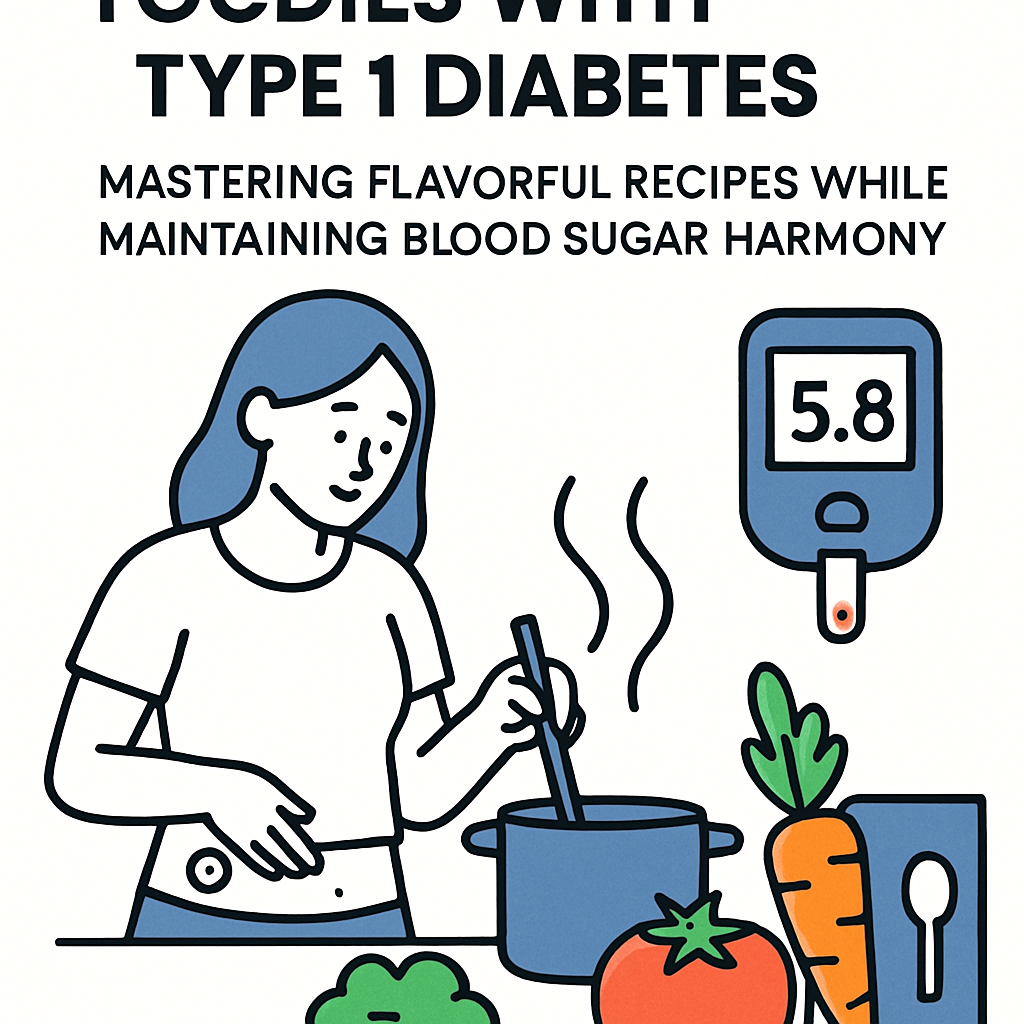
For those living with type 1 diabetes, the culinary world can sometimes seem challenging to navigate. Balancing the vibrant flavors of your favorite dishes with the need to maintain stable blood sugar levels is an art form that requires both knowledge and creativity. As a foodie with type 1 diabetes, you’re tasked with managing your condition while still indulging in the joy of cooking and eating. This journey involves not only understanding how different foods affect your blood glucose but also embracing a lifestyle that supports your health goals. Fortunately, with a bit of planning and a dash of culinary curiosity, it’s entirely possible to enjoy a diverse and flavorful diet.
Type 1 diabetes is a condition where the body does not produce insulin, a hormone necessary for allowing glucose to enter cells and be used for energy. This means individuals with type 1 diabetes need to carefully monitor their blood sugar levels and manage them with insulin therapy. Despite these challenges, the world of food offers a vast array of options that can be both delicious and diabetes-friendly. Yet, the key is understanding which ingredients and recipes can help you maintain a healthy balance. This balance involves more than just carbohydrate counting; it includes making informed choices about fats, proteins, and fibers, all of which can impact your blood sugar in different ways.
While the task of managing blood sugar might seem daunting at times, it opens up opportunities to explore new cuisines and cooking techniques. Many people with type 1 diabetes find that they develop a newfound appreciation for ingredients and meals that they may not have considered before. By focusing on fresh, whole foods and experimenting with spices and herbs, you can create meals that are both satisfying and supportive of your health goals. Remember that this journey is personal, and what works for one person might not work for another. It’s crucial to keep your healthcare provider in the loop to tailor your dietary plan to fit your unique needs.
Exploring the realm of flavorful recipes while managing type 1 diabetes is not just about restrictions; it’s about discovering how to harmonize taste and health. This process might involve trial and error, but it’s a rewarding endeavor that can lead to a deeper understanding of how food and health interact. By approaching this with an open mind and a willingness to learn, you can master the art of cooking delicious meals that support your well-being. Always remember that your healthcare provider is your ally in this journey, and regular consultations can help ensure that your culinary adventures align with your personal health requirements.
2. Medical Overview
Type 1 diabetes is a chronic condition that primarily affects how the body processes glucose, a critical energy source derived from the food we eat. In individuals with type 1 diabetes, the immune system mistakenly attacks and destroys insulin-producing beta cells in the pancreas. Insulin is the hormone responsible for allowing glucose to enter cells from the bloodstream. Without sufficient insulin, glucose accumulates in the blood, leading to high blood sugar levels. This condition requires lifelong management, typically involving insulin therapy, to maintain blood sugar levels within a target range.
Managing type 1 diabetes involves a delicate balance of insulin administration, physical activity, and dietary choices. Insulin can be delivered through injections or via an insulin pump. The goal is to mimic the natural insulin production of a healthy pancreas as closely as possible. Regular monitoring of blood sugar levels is crucial to making informed decisions on insulin dosing. Continuous Glucose Monitors (CGMs) have become increasingly popular, providing real-time glucose readings that help users track trends and patterns.
Dietary management is an essential component of living with type 1 diabetes. Carbohydrates have the most significant impact on blood glucose levels, so understanding how different foods affect blood sugar is vital. Counting carbohydrates and understanding glycemic index can aid in planning meals that support stable blood glucose levels. This doesn’t mean eliminating favorite foods; rather, it involves thoughtful planning and sometimes creative substitutions to enjoy a diverse and enjoyable diet. People with type 1 diabetes can work with dietitians to develop personalized meal plans that meet their nutritional needs while keeping blood sugar levels in check.
Exercise is another key factor in managing type 1 diabetes. Physical activity increases insulin sensitivity, meaning cells can use available insulin more effectively, which can help lower blood glucose levels. However, the impact of exercise varies, and blood sugar levels can fluctuate depending on the type, duration, and intensity of the activity. It’s essential to monitor blood sugar levels before, during, and after exercise and make necessary adjustments to insulin or food intake to avoid hypoglycemia (low blood sugar). Always consult with a healthcare professional before significantly changing an exercise routine.
The interplay between food, insulin, and activity necessitates a personalized approach to diabetes management. It’s important for individuals with type 1 diabetes to work closely with their healthcare team to develop a comprehensive management plan tailored to their unique needs and lifestyle. Regular check-ups and open communication with healthcare providers can help address challenges and adjust plans as needed. By staying informed and proactive, those with type 1 diabetes can enjoy flavorful meals and an active lifestyle while maintaining blood sugar harmony.
3. Practical Guidance
Navigating the world of culinary delights with type 1 diabetes involves a delicate balance of savoring flavors while maintaining stable blood sugar levels. The key to this balance lies in mindful eating and informed choices. For starters, understanding the carbohydrate content in various foods is crucial. Carbohydrates have the most direct impact on blood glucose levels, so knowing how much you’re consuming can help you plan your meals more effectively. Many people find it helpful to use carb-counting apps or reference guides to keep track of their intake, which allows them to make informed decisions about their insulin management. If you have questions about how to integrate carb counting into your meal planning, reach out to your healthcare provider for personalized advice.
Another practical approach is to focus on portion control. Even when indulging in your favorite dishes, being mindful of portion sizes can help prevent unexpected spikes in blood sugar. You might consider using smaller plates or measuring portions to help visualize appropriate serving sizes. Additionally, balance your meals with a mix of macronutrients. Pairing carbohydrates with proteins and healthy fats can slow down glucose absorption, which may help you maintain steadier blood sugar levels after meals. Experimenting with different combinations can be a fun way to discover new favorite recipes that align with your dietary needs.
Incorporating more whole, unprocessed foods into your diet can also be beneficial. Foods like whole grains, fresh fruits, vegetables, and lean proteins tend to have a lower glycemic index, meaning they have a slower, more gradual effect on blood sugar. This doesn’t mean you have to give up your favorite indulgences; rather, consider these foods as a base for your meals, adding flavor and variety with herbs, spices, and other low-carb ingredients. As you explore these options, remember that everyone’s body responds differently, so it’s important to monitor your blood sugar regularly and adjust your choices based on your personal experiences.
Staying hydrated and maintaining a regular eating schedule can further support blood sugar management. Dehydration can affect blood glucose levels, so aim to drink water throughout the day. Similarly, having meals and snacks at consistent times can help regulate blood sugar and prevent extreme fluctuations. If you find yourself in a situation where your blood sugar is low, it’s important to address it immediately before continuing with any activities. Always prioritize your safety, and if you experience frequent or unexplained changes in your blood sugar levels, consult your doctor to discuss your management plan.
Ultimately, enjoying flavorful meals is entirely possible with type 1 diabetes, provided you approach it with the right strategies and a willingness to adapt. By staying informed, planning ahead, and consulting with your healthcare team, you can savor the joy of cooking and eating while supporting your health.
4. Practical Tips
For food enthusiasts with Type 1 diabetes, balancing the love of flavorful dishes with the need to maintain stable blood sugar levels can be a rewarding challenge. One key practical tip is to become well-acquainted with carbohydrate counting. Understanding how different foods impact blood sugar can empower you to make informed choices without sacrificing taste. For instance, if you’re planning to enjoy a homemade pasta dish, you might choose whole-grain pasta or a legume-based alternative, which can have a lower glycemic index compared to regular pasta. This choice may help in minimizing rapid spikes in blood sugar levels. Remember, it’s always a good idea to discuss any dietary changes with your healthcare provider to ensure they fit your individual needs.
Another practical approach is to embrace the art of mindful eating. This involves being aware of the flavors, textures, and aromas of your food, which can enhance your dining experience and help you recognize satiety cues. For example, if you’re savoring a flavorful stir-fry, take the time to appreciate the freshness of the vegetables and the aroma of the spices. Eating slowly can not only enhance your enjoyment but also allow your body time to signal fullness, potentially aiding in better blood sugar management. If you find this technique helpful, consider consulting with a nutritionist who specializes in diabetes care for further personalized strategies.
Experimenting with herbs and spices is another excellent way to add flavor without the need for added sugars or excessive salt, which can impact blood sugar and overall health. For example, try using cinnamon in oatmeal or smoothies; some studies suggest it may have a beneficial effect on blood sugar levels. Similarly, incorporating garlic and ginger into soups or stir-fries can add depth to your meals while providing potential health benefits. Remember, individual responses to foods and spices can vary, so it’s wise to monitor your blood sugar levels and discuss any new dietary habits with your healthcare team.
Finally, consider making use of technology to support your culinary adventures. There are numerous apps available that can help track carbohydrates and blood sugar levels, providing a convenient way to adjust recipes and portion sizes accordingly. This can be particularly useful when trying new dishes or ingredients. As always, ensure that any tech-based approaches complement your overall diabetes management plan by consulting with your healthcare provider.
5. Expert Opinions
When it comes to savoring delicious meals while managing type 1 diabetes, expert opinions often highlight the importance of balance and personalization. Many clinicians emphasize the role of carbohydrate counting as a fundamental strategy. By understanding the carbohydrate content of different foods, individuals with type 1 diabetes can better anticipate blood sugar fluctuations and adjust their insulin doses accordingly. This approach allows for more flexibility in meal planning, enabling food enthusiasts to enjoy a wide variety of flavorful dishes without compromising their health.
Nutritionists frequently advocate for the inclusion of high-fiber foods as part of a diabetes-friendly diet. Foods rich in fiber, such as whole grains, vegetables, and legumes, are generally considered beneficial because they tend to have a more gradual impact on blood sugar levels compared to refined carbohydrates. Additionally, fiber can contribute to a feeling of fullness, which may help in managing portion sizes and overall calorie intake. Including a diverse array of colorful vegetables and whole grains not only enhances the nutritional profile of meals but also adds vibrant flavors and textures, making dishes more enjoyable.
Experts also often discuss the significance of monitoring portion sizes. While indulging in a variety of foods is part of the enjoyment of being a foodie, paying attention to serving sizes can be crucial in maintaining blood sugar harmony. Portion control doesn’t mean deprivation; rather, it involves being mindful of how much is consumed at one time, which can be particularly important for foods high in carbohydrates. Tools such as measuring cups, food scales, or visual cues can assist in keeping portions in check without sacrificing the pleasure of eating.
In addition to meal planning strategies, healthcare professionals often stress the importance of regular blood sugar monitoring. This practice is vital in understanding how different foods affect an individual’s glucose levels, allowing for more informed decisions in the future. Keeping a food and blood sugar log can also be a useful tool, helping to identify patterns and make necessary adjustments to both diet and insulin regimen. It’s important to remember that individual responses to food can vary widely, so what works for one person might not be suitable for another.
Finally, experts commonly recommend consulting with a healthcare provider, such as a registered dietitian or endocrinologist, to tailor dietary choices to one’s unique health needs and lifestyle. These professionals can provide personalized guidance and support, helping to navigate the complexities of managing type 1 diabetes while enjoying a rich culinary experience. As always, it’s crucial to approach any dietary changes with caution and professional input to ensure they align with overall health goals and medical recommendations.
6. Misconceptions
Misconceptions about type 1 diabetes can create unnecessary challenges for those who love food and want to maintain a balanced lifestyle. One common misconception is that people with type 1 diabetes must adhere to a severely restrictive diet, depriving themselves of enjoyable foods. In reality, with careful planning and an understanding of how different foods affect blood sugar levels, it is possible to indulge in a wide variety of flavors and cuisines. Instead of focusing solely on restrictions, individuals can work with healthcare professionals to develop a meal plan that accommodates their personal tastes and nutritional needs.
Another misconception is that carbohydrates are entirely off-limits. While it’s true that managing carbohydrate intake is crucial for blood sugar control, it doesn’t mean eliminating them entirely. Carbohydrates are a vital source of energy, and understanding how to incorporate them wisely is key. Tools like carbohydrate counting and continuous glucose monitors can help individuals track and manage their intake effectively. It’s important to remember that everyone’s body responds differently to foods, and what works for one person may not work for another. Consulting with a registered dietitian or a certified diabetes educator can provide personalized guidance on balancing carbohydrate intake with insulin management.
There is also a myth that people with type 1 diabetes cannot eat any sugar. While moderation is important, particularly with sugary snacks or desserts, having type 1 diabetes doesn’t mean all sugary treats are forbidden. The key is understanding how sugars can impact blood glucose levels and learning to adjust insulin doses accordingly. For special occasions or when a sweet craving hits, planning ahead can allow for the occasional indulgence without significant disruptions to blood sugar management.
Lastly, some people mistakenly believe that managing type 1 diabetes and enjoying food is a solitary endeavor. In truth, it often involves a team approach. Engaging with healthcare providers, nutrition experts, and even other individuals with diabetes can offer support and share strategies that work in real-life settings. Online communities and local support groups can also provide valuable insights and camaraderie, empowering individuals to explore and enjoy a wide range of culinary experiences. Always remember that when in doubt, seeking advice from healthcare professionals is the best course of action to ensure that both flavor and health are harmoniously balanced.
7. Summary
Living with type 1 diabetes doesn’t mean you have to sacrifice the joy of cooking or enjoying delicious meals. In fact, many people with type 1 diabetes discover a new appreciation for food through exploring creative recipes that balance flavor and nutritional needs. This balancing act is crucial, as managing blood sugar levels is a daily commitment that requires thoughtful planning and experimentation in the kitchen. Whether you’re a seasoned chef or a culinary novice, understanding how different foods influence your blood sugar can empower you to make informed choices that support your health and taste buds alike.
Many individuals with type 1 diabetes find that a diet rich in whole foods—such as vegetables, fruits, lean proteins, and whole grains—can be both satisfying and beneficial for maintaining blood sugar harmony. This doesn’t mean you have to completely avoid your favorite dishes; rather, it involves clever substitutions and portion management that allow for occasional indulgences without compromising your health goals. Experimenting with herbs and spices can enhance flavors without extra carbohydrates, while incorporating high-fiber ingredients can help stabilize blood sugar levels.
However, navigating the culinary world with type 1 diabetes does come with its considerations. It’s important to monitor how different foods affect your blood sugar and understand the role of carbohydrates in your diet. Keeping track of how specific meals impact your glucose levels can be an invaluable tool in crafting a diet that works for you. Always consider consulting with your healthcare provider or a registered dietitian to tailor your dietary choices to your personal health needs and to ensure you’re making decisions that support your overall diabetes management plan.
In this journey of mastering flavorful recipes while maintaining blood sugar balance, remember that flexibility and personal adaptation are key. What works for one individual might not be suitable for another, so it’s essential to listen to your body and make adjustments as needed. By embracing this approach, you can enjoy the culinary arts and savor the delightful experience of food, all while keeping your health a priority. As you explore new recipes and techniques, you’ll likely discover that living with type 1 diabetes can be a flavorful adventure that enriches both your palate and your well-being.