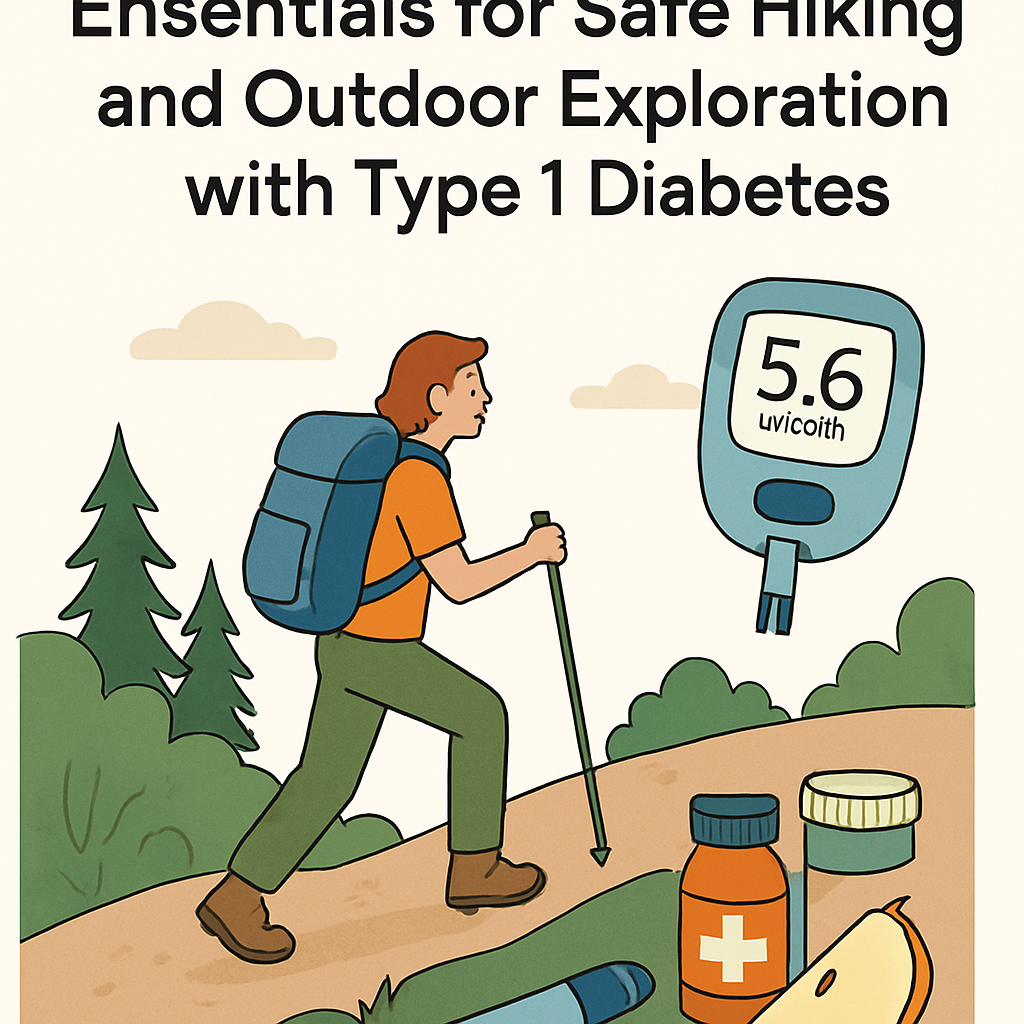
1. Introduction
For those living with type 1 diabetes, the call of the wild and the desire to explore the great outdoors can be as strong as it is for anyone else. Hiking and outdoor adventures offer a refreshing escape from the routine, providing opportunities for exercise, relaxation, and a deeper connection with nature. However, planning these excursions involves careful preparation, especially when managing type 1 diabetes. Balancing the demands of maintaining stable blood glucose levels while navigating trails or scaling mountains requires both knowledge and vigilance. This introduction aims to lay the groundwork for understanding how individuals with type 1 diabetes can embark on outdoor escapades safely, ensuring that the journey is as rewarding as the destination.
Type 1 diabetes is a chronic condition characterized by the body’s inability to produce insulin, a hormone crucial for regulating blood sugar levels. As a result, individuals must rely on insulin therapy and frequent monitoring of their blood glucose to manage the condition effectively. This regimen can become more complex in outdoor settings, where physical exertion, varying temperatures, and unpredictable factors—such as changes in altitude or prolonged sun exposure—can all influence blood sugar levels. Therefore, thorough preparation and a keen awareness of one’s own body are vital for a safe and enjoyable experience.
Before setting off on an adventure, it’s essential to plan meticulously. This includes understanding how your body typically responds to exercise and different environmental conditions. Some people with type 1 diabetes may experience lowered blood sugar levels during physical activity, while others might see a rise. These variations underscore the importance of personalized strategies, developed in consultation with healthcare providers, to manage your diabetes effectively while exploring the outdoors. Always prioritize consulting your doctor or diabetes care team to tailor a plan that suits your specific needs and health status.
In addition to having a solid plan, equipping yourself with the right tools and supplies is crucial. This might include carrying extra snacks or glucose tablets, a reliable blood glucose meter, and sufficient insulin supplies. Furthermore, ensuring that companions are informed about your condition and know how to assist in an emergency can provide an added layer of safety and peace of mind. The aim is not to let diabetes hold you back but to empower you with the resources and confidence needed to enjoy the wonders of nature responsibly.
In the sections that follow, we’ll delve deeper into specific strategies and tips for hiking and outdoor exploration with type 1 diabetes. By taking these proactive steps, you can unleash your adventurous spirit and explore the world around you, all while maintaining a focus on your health and well-being. Remember, every journey begins with a single step, and with the right preparation, each step can be taken with confidence and joy. As you plan your next outdoor adventure, let this guide be a source of encouragement, reminding you that the beauty of nature is well within reach.
2. Medical Overview
Type 1 diabetes is an autoimmune condition where the immune system mistakenly attacks and destroys insulin-producing beta cells in the pancreas. This leads to little or no insulin production, which is essential for regulating blood sugar levels. Managing type 1 diabetes requires a careful balance of insulin administration, carbohydrate intake, and physical activity. For those with type 1 diabetes, embarking on outdoor adventures like hiking involves additional considerations to maintain this balance and ensure safety amidst the physical challenges and unpredictability of nature.
When hiking with type 1 diabetes, it’s crucial to understand how physical activity can influence blood glucose levels. Exercise generally increases insulin sensitivity and can lead to lower blood sugar levels. However, the effect of exercise can vary based on factors such as the intensity and duration of the activity, as well as individual fitness levels and metabolic responses. It’s important for hikers with type 1 diabetes to regularly monitor their blood sugar levels before, during, and after physical activity to better understand and manage these fluctuations.
Hypoglycemia, or low blood sugar, is a significant concern during physical activity. Symptoms of hypoglycemia can include dizziness, confusion, sweating, shakiness, and in severe cases, loss of consciousness. To mitigate these risks, carrying quick-acting carbohydrates, such as glucose tablets or gels, is essential. It’s advisable to treat low blood sugar promptly and wait until levels stabilize before continuing any strenuous activity. Knowledge about personal hypoglycemia symptoms and thresholds can empower individuals to take timely and appropriate action. Always consult your healthcare provider to discuss personalized strategies for managing blood glucose during physical activities.
Similarly, hyperglycemia, or high blood sugar, can occur if the body doesn’t have enough insulin to manage glucose released during exercise. Symptoms of hyperglycemia might include increased thirst, frequent urination, and fatigue. While less immediately dangerous than hypoglycemia during physical activity, persistent high blood sugar can lead to dehydration and other complications. Staying hydrated and having a plan for insulin adjustments, discussed with your healthcare provider, can help manage these situations effectively.
Before setting off on a hiking adventure, it’s also beneficial to perform a thorough check of your diabetes supplies. Ensure you have enough insulin, a reliable means of testing blood sugar, and extra batteries or charging options for your devices. Consider the environmental conditions you might encounter, such as temperature extremes that can affect insulin efficacy and blood glucose meter performance. A bit of extra planning and preparation can help make your outdoor exploration both safer and more enjoyable.
Ultimately, understanding your body’s response to physical exertion and maintaining open communication with your healthcare team are key components in safely navigating the outdoors with type 1 diabetes. While this overview provides general insights, always tailor your outdoor adventure plans to your specific health needs and consult your doctor for personalized advice.
3. Practical Guidance
When embarking on a hiking or outdoor adventure with type 1 diabetes, preparation is key to ensuring a safe and enjoyable experience. One of the most important steps is to have a comprehensive plan that addresses how to manage blood sugar levels during varying physical exertions. Before setting out, it’s essential to discuss your plans with your healthcare provider to tailor your diabetes management strategy to your specific needs. This might include adjusting insulin doses or meal plans, but remember, these adjustments should be made under medical guidance.
Carrying essential supplies is a crucial part of your preparation. Make sure to pack more diabetes supplies than you think you’ll need, including insulin, syringes or insulin pens, testing strips, and a reliable glucose meter. A continuous glucose monitor (CGM) can be particularly useful for real-time tracking of blood sugar levels, but it’s still wise to have a backup plan, such as manual testing supplies, in case of device failure. Don’t forget to bring fast-acting glucose sources, like glucose tablets or gels, to quickly address any unexpected drops in blood sugar.
Hydration and nutrition are also vital components of managing type 1 diabetes while hiking. Dehydration can affect blood sugar levels, so carry enough water and drink regularly. It’s beneficial to pack a variety of snacks that combine complex carbohydrates, proteins, and healthy fats to maintain stable energy levels throughout your hike. Consider pre-planning snack times based on your usual activity patterns and blood sugar trends, keeping in mind that your needs might change depending on the trail’s difficulty and length.
Monitor your blood sugar more frequently than usual and be prepared to stop and address any significant changes. If you experience symptoms of hypoglycemia, such as dizziness, shakiness, or confusion, it’s crucial to pause the hike immediately, treat the low blood sugar, and wait until you feel fully recovered before continuing. This proactive approach helps prevent accidents and ensures your safety on the trail.
Lastly, share your itinerary with a trusted friend or family member who is aware of your condition and knows how to assist if necessary. Hiking with a companion who understands type 1 diabetes management is ideal, as they can provide support if challenges arise. If you’re hiking alone, consider wearing a medical alert bracelet to inform others of your diabetes in case of an emergency. With careful planning and awareness, hiking can be a rewarding and exhilarating experience, allowing you to enjoy the great outdoors with confidence.
4. Practical Tips
Hiking and exploring the great outdoors can be exhilarating, but when you have type 1 diabetes, it requires some thoughtful preparation to ensure your adventure is both safe and enjoyable. Here are some practical tips to help you manage your diabetes effectively while on the trail.
First, always carry a well-stocked diabetes kit. This should include your glucose meter, extra test strips, insulin and delivery devices, glucose tablets or gels, and snacks that are rich in carbohydrates to help manage any unexpected drops in blood sugar. For instance, packing a few granola bars or dried fruits can be a convenient way to quickly increase your blood sugar levels. Remember, it’s not just about having these supplies; they need to be easily accessible. Consider using a small, lightweight backpack or waist pack designed for quick access to your essentials.
Second, consider the importance of timing and regular monitoring of your blood sugar levels. Hiking can be physically demanding, and exercise usually affects blood sugar levels. Check your blood sugar before you start, periodically during your hike, and once you finish. For example, if you’re planning a long hike, set reminders to test your blood sugar every hour or so. This proactive approach can help you make timely adjustments and reduce the risk of hypoglycemia or hyperglycemia. If you notice any significant changes or feel unwell, it’s crucial to address the issue immediately and pause your hike until you’re stabilized. Always consult with your healthcare provider about your specific needs and the best monitoring schedule for you.
Third, stay hydrated and be mindful of your body’s signals. Dehydration can impact how your body uses insulin and may lead to more significant fluctuations in blood sugar levels. Carry enough water to last throughout your hike, and make it a habit to drink regularly, even if you don’t feel thirsty. Pay attention to signs of low or high blood sugar, such as dizziness, confusion, or excessive fatigue. If you experience any of these symptoms, take a break and check your blood sugar. Ensure you have a plan with your hiking companions so they know how to assist you if necessary, and always let someone know your route and expected return time.
By preparing strategically and listening to your body, you can enjoy the beauty of nature while keeping your diabetes under control. These steps may help enhance your safety and confidence on the trail. As always, it’s wise to discuss your plans with your doctor beforehand to tailor these guidelines to your personal health needs. With the right precautions, you can unleash your adventurous spirit and make the most of your outdoor endeavors.
5. Expert Opinions
When it comes to hiking and outdoor exploration with type 1 diabetes, expert opinions emphasize the importance of preparation and vigilance. Clinicians generally recommend that individuals with type 1 diabetes carry a detailed plan that includes monitoring blood glucose levels more frequently than usual. Engaging in physical activities like hiking can lead to fluctuations in blood sugar, so it’s crucial to have a strategy that includes regularly checking levels before, during, and after the activity. This proactive approach may help in identifying trends and making necessary adjustments to food intake or insulin administration.
Experts often suggest that hikers with type 1 diabetes bring along easily accessible carbohydrate-rich snacks to help quickly address potential hypoglycemia. In addition, it might be beneficial to carry a glucagon kit as an emergency measure, ensuring that someone in the hiking group knows how to use it in case of severe low blood sugar. These precautionary measures can be crucial for maintaining safety during outdoor adventures.
Furthermore, healthcare professionals highlight the importance of educating hiking partners about the signs and symptoms of both hypoglycemia and hyperglycemia. This shared knowledge can be invaluable, as it enables companions to assist in managing any sudden changes in condition. Knowing when to pause the activity to address these symptoms is essential, and individuals should treat low blood sugar and confirm recovery before resuming their hike.
Additionally, experts recommend having a communication plan in place, such as ensuring mobile phones are charged and within reach, and being aware of the nearest healthcare facilities or emergency services. This can provide an added layer of security, allowing for quick action if the situation demands more than on-the-spot management.
While these general strategies are often advised, it’s important to remember that each individual’s needs can vary significantly. Therefore, consulting with a healthcare provider for personalized advice before embarking on a hiking trip is always advisable. This way, hikers with type 1 diabetes can have an adventure that is not only thrilling but also safe and well-managed.
6. Misconceptions
When it comes to hiking and exploring the great outdoors with type 1 diabetes, misconceptions abound. One common misunderstanding is the belief that people with type 1 diabetes should avoid strenuous activities like hiking altogether. In reality, many individuals with type 1 diabetes lead active and adventurous lives, including participating in outdoor activities. With proper preparation and awareness, hiking can be a safe and rewarding experience. It’s important to plan ahead, understand how your body reacts to exercise, and be equipped with the right tools and knowledge to manage your diabetes during such adventures.
Another misconception is that people with type 1 diabetes cannot manage their condition on the trail. However, with advances in technology and better understanding of diabetes management, individuals can effectively monitor their blood glucose levels using portable devices. Carrying a glucose meter, continuous glucose monitor (CGM), or insulin pump can provide the necessary data to make informed decisions while on the move. Yet, it’s crucial to remember that everyone’s diabetes management is unique, and consulting your healthcare team before embarking on a hike can help tailor an approach that suits your individual needs.
Some may also believe that carrying extra supplies is excessive or unnecessary, but this couldn’t be further from the truth. Having an adequate supply of insulin, snacks with carbohydrates, water, and a glucagon kit for emergencies is essential for safety. This preparation is not just a precaution; it’s a vital part of ensuring that you’re ready to handle any unexpected changes in your blood sugar levels. Additionally, sharing your hiking plans with a friend or family member and ensuring you have a communication device like a fully charged phone can provide extra layers of security.
There’s also a tendency to underestimate the impact of altitude and temperature changes on blood glucose levels. These environmental factors can affect how your body uses insulin, so being aware of how your body responds in different settings is important. Monitoring your blood sugar more frequently during hikes can help you stay on top of these changes. If you notice any unusual patterns, it’s wise to pause and address them appropriately before continuing your journey. As always, discussing potential scenarios with your healthcare provider can provide insight into how to handle these environmental influences.
Lastly, some people might feel that they should push through symptoms of high or low blood sugar to keep up with their group. This can be dangerous. It’s critical to listen to your body and take the necessary steps to address any blood sugar issues immediately, even if it means pausing your hike. Ensuring your safety should always be the top priority. By dispelling these misconceptions and approaching outdoor adventures with a thoughtful strategy, individuals with type 1 diabetes can enjoy hiking while managing their condition effectively. Always consult with your healthcare team to ensure your plans align with your health needs, and never hesitate to take a break or seek assistance if needed.
7. Summary
Embarking on outdoor adventures while managing type 1 diabetes requires a blend of preparation, awareness, and adaptability. When venturing into the great outdoors, individuals with type 1 diabetes face unique challenges that necessitate careful planning and a proactive approach to managing their condition. The exhilarating experience of hiking and exploring nature can be immensely rewarding, but it also demands a heightened level of vigilance regarding blood sugar levels, activity intensity, and environmental factors.
Preparation is key to ensuring a safe and enjoyable adventure. This includes packing essential supplies such as a glucose meter, extra snacks, quick-acting glucose sources, and plenty of water. It’s important to also carry identification and medical information that can alert others to your condition in case of an emergency. Wearing a medical ID bracelet or carrying a card with crucial information can be lifesaving if unexpected situations arise.
Another critical aspect is understanding how physical exertion and environmental conditions can affect blood sugar levels. Hiking typically involves varied physical activity, which can increase insulin sensitivity and lead to a risk of hypoglycemia. Monitoring blood sugar levels frequently and being attuned to bodily signals are essential practices. If low blood sugar is detected, it’s vital to treat it promptly and ensure stability before continuing the activity. Conversely, the stress and excitement of outdoor exploration can sometimes cause hyperglycemia, so having the ability to adjust insulin as needed, in consultation with your healthcare provider, is valuable.
Establishing a safety net is also crucial. Informing a friend or family member about your plans, expected routes, and estimated return times can provide peace of mind. Additionally, hiking with a companion who understands your condition and knows how to assist in case of an issue can be beneficial. This collaborative approach not only offers support but also enhances the overall experience by sharing the adventure with others.
While type 1 diabetes presents unique challenges, it should not deter anyone from enjoying the wonders of nature. By adopting a mindset of preparedness and flexibility, individuals can transform potential obstacles into opportunities for growth and discovery. Consulting with a healthcare professional to tailor strategies that suit individual needs can further empower those with type 1 diabetes to embark on safe and memorable outdoor adventures. With the right tools and mindset, the call of the wild can be answered confidently and safely.