1. Introduction
Starting college is an exciting milestone, but for students with type 1 diabetes, it also comes with unique challenges and opportunities. Transitioning from the structured environment of high school to the more independent and often unpredictable college life can be daunting. However, with thoughtful preparation and a proactive approach, this transition can be managed effectively, allowing students to thrive academically and socially while maintaining their health. Understanding the key aspects of managing type 1 diabetes on campus is essential for a successful college experience.
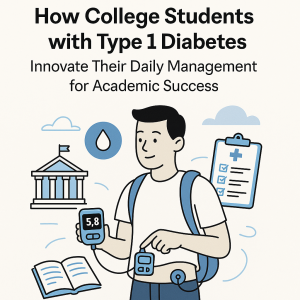
Type 1 diabetes requires careful daily management, a routine that can seem overwhelming amidst the hustle and bustle of college life. Unlike high school, where parents and school nurses often play a significant role in diabetes management, college students must take on more responsibility for their health. This includes monitoring blood sugar levels, administering insulin, and managing diet and exercise—all while attending classes, studying, and participating in extracurricular activities. The shift in responsibility can be challenging but also empowering, offering students a chance to gain greater independence and self-awareness.
One of the first steps in this transition is ensuring that the college is aware of the student’s needs. Many universities have disability services or wellness centers that can provide support and resources. It’s important for students to register with these services, not only to receive necessary accommodations—such as extended time for exams or access to a refrigerator for insulin storage—but also to connect with a support network on campus. Additionally, students should communicate with their professors about their condition, especially if they anticipate needing flexibility with assignments or attendance due to diabetes-related issues.
Managing type 1 diabetes effectively during college also involves planning ahead. This includes creating a schedule that accommodates regular meals and glucose monitoring, as well as identifying dining options that suit dietary needs. Students should familiarize themselves with the locations of health services and pharmacies on or near campus. It’s also beneficial to have a plan for handling common diabetes-related emergencies, like hypoglycemia, ensuring that roommates or close friends are aware of how to help in such situations. Remember, it is always important to consult with a healthcare provider to tailor specific plans and strategies to individual needs.
While the transition to college with type 1 diabetes presents challenges, it also offers a valuable opportunity for personal growth. Embracing this new chapter with a positive mindset and the right strategies can lead to a fulfilling and successful college experience. By being proactive, staying informed, and seeking support, students can navigate their college years with confidence and resilience.
2. Medical Overview
Type 1 diabetes is an autoimmune condition where the body’s immune system mistakenly attacks insulin-producing cells in the pancreas. As a result, individuals with type 1 diabetes are unable to produce insulin, a hormone crucial for regulating blood sugar levels. This necessitates the continuous monitoring of blood glucose levels and the administration of insulin through injections or an insulin pump. Managing type 1 diabetes effectively requires a thorough understanding of how various factors such as diet, physical activity, stress, and illness can impact blood sugar levels. College students with type 1 diabetes face the added challenge of maintaining this delicate balance amidst a new and often unpredictable environment.
Transitioning from high school to college brings a unique set of challenges for students with type 1 diabetes. The shift to a more autonomous lifestyle means that students must become adept at managing their condition without the immediate support of family. This includes planning for meals, adjusting insulin doses based on varying activity levels, and preparing for unexpected situations like illness or stress, which can all affect blood sugar levels. It’s important for students to establish a routine that incorporates regular blood sugar monitoring and to be mindful of the impact of late-night study sessions or irregular sleep patterns on their diabetes management.
One crucial aspect of managing type 1 diabetes in college is communication. Students should proactively inform their professors, roommates, and campus health services about their condition, ensuring that they are aware of what to do in case of an emergency such as hypoglycemia, which occurs when blood sugar levels drop too low. Symptoms of hypoglycemia can include shakiness, confusion, and even loss of consciousness, and it requires immediate attention. Carrying quick sources of sugar, such as glucose tablets or juice, is essential, and students should educate those around them on how to assist if they experience an episode. It’s also important for students to keep their healthcare provider informed and to regularly schedule check-ups to adjust their management plan as needed.
While managing type 1 diabetes at college can be challenging, it’s also an opportunity for students to develop independence and resilience. By integrating diabetes management into their daily routine and leveraging available resources, students can enjoy a fulfilling college experience. Every individual’s diabetes management needs are unique, so it’s crucial for students to work closely with their healthcare team to tailor a plan that fits their lifestyle. Consulting with a healthcare provider before making any significant changes to their management routine can help ensure that their approach is both safe and effective.
3. Practical Guidance
Transitioning from high school to college is an exciting time, but for students with type 1 diabetes, it comes with unique challenges and responsibilities. One of the first practical steps you can take is to establish a routine that incorporates your diabetes management into your daily college life. This includes scheduling time for regular blood glucose monitoring, insulin administration, and meals. A consistent routine may help stabilize your blood sugar levels and give you a sense of control over your health. Remember, each person’s diabetes management is unique, so working with your healthcare team to tailor a plan that fits your new lifestyle is essential.
Ensuring you have easy access to your diabetes supplies is crucial. Whether you’re in the classroom, dorm, or on campus, keeping a diabetes kit with essentials such as a glucose meter, insulin, and quick-acting glucose sources can help you manage any situation. It’s also wise to identify locations on campus where you can safely store additional supplies, like a mini-fridge for insulin or a locker for extra snacks. Becoming familiar with these areas early on can save you time and stress later.
Communication is another key factor in managing type 1 diabetes at college. If you’re comfortable, inform your roommates, friends, and professors about your condition and what they can do to support you. This could include recognizing signs of low blood sugar or understanding why you might need to step out of class briefly to manage your levels. Open communication helps create a supportive environment and ensures that the people around you are prepared to assist if needed.
Furthermore, staying active can play a beneficial role in managing diabetes. Take advantage of the college’s fitness facilities or join clubs and activities that interest you. Regular physical activity not only supports your overall health but can also improve insulin sensitivity. However, it’s important to monitor your blood sugar levels before, during, and after exercise to avoid unexpected highs or lows. If you’re unsure about how to safely incorporate exercise, consult your healthcare provider for personalized guidance.
Lastly, managing stress is an integral part of college life and diabetes care. Stress can affect blood sugar levels, so finding effective ways to manage it is important. Techniques such as mindfulness, meditation, and adequate sleep can have a positive impact. Consider utilizing campus resources like counseling services if stress becomes overwhelming. Establishing a steady support network, whether through friends, family, or campus resources, can also provide emotional stability throughout your college journey.
Remember, while this guidance offers a framework, your experience with type 1 diabetes is personal. Regular consultations with your healthcare team are invaluable in adapting your management plan to fit your evolving college lifestyle. Keep open lines of communication with them to ensure you’re supported at every step of your collegiate adventure.
4. Practical Tips
Transitioning to college life with type 1 diabetes can be a significant adjustment, but with some practical tips, it can be a manageable and rewarding experience. One of the most important steps is to establish a solid routine that integrates diabetes management into your new schedule. This might mean setting reminders on your phone to check blood sugar levels or to take insulin, especially if your class schedule varies daily. Consistent monitoring can help in maintaining stable glucose levels, which is crucial for your overall well-being and academic performance.
Another key aspect is communicating with your professors and campus health services about your condition. Most colleges offer resources and accommodations for students with medical needs. For example, you might arrange with your professors to have flexible test-taking conditions, such as extended time or the ability to take breaks if needed. It’s also wise to familiarize yourself with the campus health center and inform them of your condition, so they are prepared to assist you in case of an emergency. Some students also find it helpful to wear a medical ID bracelet or carry a card in their wallet that explains their condition and what to do in case of a hypoglycemic episode.
Social life is an exciting part of college, but it’s crucial to be prepared for scenarios that might affect your diabetes management. For instance, if you plan to attend parties or social gatherings, make sure you have snacks on hand to treat low blood sugar if it occurs. It’s also helpful to let a close friend know about your diabetes, so they can support you in managing it during social events. Moreover, being mindful of alcohol consumption is important, as it can affect blood sugar levels unpredictably. Always check your blood sugar before and after drinking, and never skip meals in these situations.
Lastly, self-advocacy is essential in managing type 1 diabetes during your college years. This means being proactive in seeking support, whether it’s joining a diabetes support group on campus or connecting with others who understand your experiences. Many colleges have student organizations dedicated to health and wellness where you can share tips and learn from others. Remember, you are not alone in this journey, and reaching out for support can make a significant difference in your college experience.
While these tips can provide a framework for managing type 1 diabetes in college, it is essential to work closely with your healthcare team to tailor a plan that fits your specific needs. Regular consultations with your doctor can help ensure that your diabetes management strategy is effective and adaptable to your evolving lifestyle. Always prioritize your health and well-being, and do not hesitate to ask for help when you need it.
5. Expert Opinions
Transitioning from high school to college life can be a significant adjustment for any student, but for those managing Type 1 diabetes, it comes with additional considerations. According to healthcare professionals, the key to a successful transition often lies in preparation and proactive management. Experts suggest that establishing a routine that accommodates academic schedules, social activities, and diabetes management is crucial. This may involve planning meal times around classes, ensuring access to healthy food options, and identifying convenient places for blood sugar monitoring and insulin administration.
Clinicians generally recommend that students familiarize themselves with the resources available on campus, such as student health services and counseling centers. Many universities offer specialized support for students with chronic conditions, including diabetes education programs and peer support groups. Engaging with these resources can provide students with valuable information and a sense of community, which can be incredibly beneficial during the transition period.
Another important aspect emphasized by diabetes specialists is the importance of communication. Informing roommates, friends, and professors about one’s condition can help create a supportive environment. Letting those around you know about your diabetes can not only foster understanding but also ensure that there are people who can assist in case of an emergency, such as a hypoglycemic episode. Experts also advise students to maintain regular communication with their healthcare team, especially when it comes to adjusting insulin regimens or addressing any new challenges that arise in the college setting.
Effective stress management is another factor highlighted by healthcare providers. The college environment can be stressful due to academic pressures and social dynamics, which can impact blood sugar levels. Engaging in regular physical activity, practicing mindfulness techniques, and ensuring adequate sleep are strategies that may help manage stress and maintain overall well-being. However, as individual needs can vary, students are encouraged to consult their own healthcare providers to tailor strategies that best suit their personal situation.
Ultimately, experts agree that while the transition to college life with Type 1 diabetes presents unique challenges, it is also an opportunity to develop independence and resilience. By actively seeking support, staying informed, and maintaining open lines of communication, students can navigate this new chapter successfully. As always, any changes to diabetes management should be discussed with a healthcare professional to ensure safety and efficacy.
6. Misconceptions
Transitioning to college life is a significant change for anyone, and for students with type 1 diabetes, it comes with its own set of challenges and misconceptions. One common misconception is that type 1 diabetes can be controlled solely through diet, similar to some cases of type 2 diabetes. However, managing type 1 diabetes effectively typically requires a combination of insulin administration and careful monitoring of blood glucose levels. It’s important for students to understand and communicate to their peers that insulin is a necessary part of their daily routine, not just an option.
Another common misunderstanding is that people with type 1 diabetes cannot participate in typical college activities, such as sports or late-night study sessions. While it’s true that these activities require thoughtful planning, they are by no means off-limits. Students with type 1 diabetes can and often do lead active, engaging lives on campus. The key is preparation and awareness. For instance, having a quick source of glucose on hand during physical activities can help manage potential low blood sugar episodes. It’s always wise to discuss any new activities with a healthcare provider to tailor strategies that suit individual needs.
There is also a misconception that students with type 1 diabetes should avoid stress at all costs, as it can affect blood sugar levels. While stress management is important, avoiding all stressful situations isn’t practical or necessary. College life inherently involves stress, whether from exams, deadlines, or social pressures. Learning effective stress management techniques, such as time management and relaxation exercises, can empower students to handle stress in a way that minimizes its impact on their diabetes management. It’s beneficial to explore these techniques with the guidance of healthcare professionals who can provide personalized advice.
Finally, many people mistakenly believe that technology, like continuous glucose monitors (CGMs) and insulin pumps, completely automates diabetes management. While these tools significantly aid in monitoring and administering insulin, they do not replace the need for ongoing vigilance and decision-making. These devices provide valuable data, but interpreting this information and making appropriate lifestyle adjustments still require the user’s active involvement. Students should feel encouraged to seek support from their healthcare team to navigate how best to integrate technology into their diabetes care plan.
Understanding and addressing these misconceptions can ease the transition to college life for students with type 1 diabetes. By fostering an informed environment and maintaining open communication with roommates, professors, and friends, students can create a supportive network that respects their unique needs. As always, consulting with healthcare providers is essential in shaping an individualized plan that aligns with both health goals and academic ambitions.
7. Summary
Transitioning from high school to college is a significant milestone for any student, but for those managing type 1 diabetes, it introduces additional challenges. This life stage heralds newfound independence, which can be both exhilarating and daunting, particularly when it comes to health management. Successfully transitioning to college life with type 1 diabetes involves a careful blend of preparation, adaptability, and support. It is about finding a balance between academic pursuits and health responsibilities, all while enjoying the social and extracurricular opportunities that college offers.
One of the first steps for students is to establish a solid plan for managing their diabetes while navigating the demands of college life. This includes organizing medical appointments, understanding how to access campus health resources, and ensuring they have a reliable supply of necessary medications and equipment. Building a strong relationship with a healthcare provider is crucial. These professionals can offer personalized advice and help students develop strategies tailored to their individual needs. It’s important for students to feel empowered to discuss their condition with professors and peers, as this transparency can foster a supportive environment and open communication about any accommodations they might need.
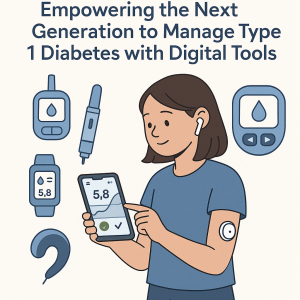
Equally important is the development of a routine that incorporates diabetes management into daily college life. This means being mindful of meal planning, monitoring blood sugar levels, and understanding how stress or irregular sleep patterns might impact their condition. While college schedules can be unpredictable, maintaining some consistency in health management can help reduce the risk of complications. It’s also beneficial for students to become comfortable with using technology, such as continuous glucose monitors (CGMs) and smartphone apps, which can offer valuable support in tracking and managing blood glucose levels.
Socially, students may need to navigate dining out, late-night study sessions, and social events, all of which can present unique challenges for managing type 1 diabetes. It’s important for students to be proactive, such as by educating friends and roommates about their condition and how they can assist in case of an emergency. This can help ensure that students have a network of informed individuals who can offer support when needed. Additionally, joining support groups, whether on campus or online, can provide a sense of community and shared experiences, which can be comforting during this transition.
Ultimately, transitioning to college with type 1 diabetes is about embracing independence while maintaining a vigilant approach to health management. Students should be encouraged to reach out to healthcare providers for personalized guidance and support as they embark on this new chapter. By preparing adequately and seeking out resources, students with type 1 diabetes can successfully navigate the college environment, focusing on their academic and personal growth while managing their health responsibly.