1. Introduction
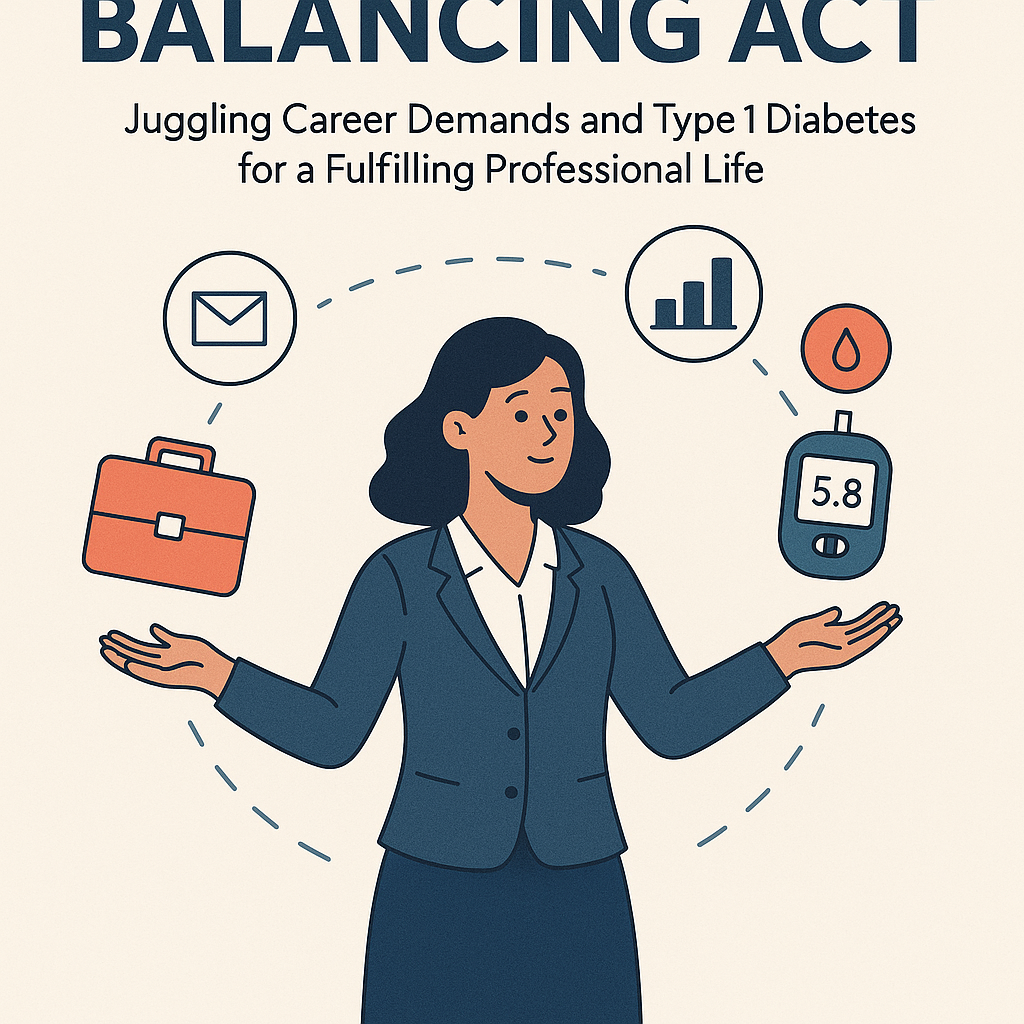
Managing a career while living with type 1 diabetes can feel like walking a tightrope, where balance is key to success. This constant balancing act involves not only keeping track of work responsibilities but also staying vigilant about one’s health. Type 1 diabetes, an autoimmune condition where the body’s immune system attacks insulin-producing cells in the pancreas, requires careful monitoring and management of blood sugar levels through insulin use, diet, and exercise. For professionals with type 1 diabetes, this means integrating health management seamlessly into their daily work routine, a task that can be both challenging and rewarding.
In the fast-paced world of modern careers, the demands on time and energy are substantial. Meetings, deadlines, travel, and fluctuating work hours can make it difficult to maintain the stability that managing diabetes often requires. Yet, adopting effective strategies and maintaining open communication with both healthcare providers and employers can help create a supportive environment that accommodates these needs. Understanding how to navigate these dynamics is essential for anyone living with type 1 diabetes who seeks to thrive professionally.
One of the primary considerations is the necessity of regular blood sugar monitoring and the readiness to address any significant changes in health status. For instance, experiencing low blood sugar (hypoglycemia) can be particularly challenging during a busy workday. Immediate attention is crucial to ensure safety and well-being, which might mean pausing work activities to treat the symptoms effectively. Similarly, high blood sugar (hyperglycemia) requires careful management to prevent potential complications. By staying proactive and prepared, individuals can minimize disruptions and maintain productivity.
It’s also important to remember that each person’s experience with type 1 diabetes is unique, and what works for one person may not be suitable for another. Therefore, regular consultations with healthcare professionals are essential to tailor management plans that align with individual needs and career goals. This personalized approach can empower individuals to not only meet their professional responsibilities but also manage their health effectively. While challenges are inevitable, the right support and strategies can help individuals with type 1 diabetes lead a fulfilling professional life, where neither career aspirations nor health are compromised.
2. Medical Overview
Type 1 diabetes is a chronic condition in which the pancreas produces little to no insulin, a hormone essential for allowing glucose to enter cells and produce energy. It typically emerges in childhood or adolescence but can be diagnosed at any age. The management of type 1 diabetes primarily involves regular monitoring of blood glucose levels and the administration of insulin to maintain these levels within a target range. This is crucial for preventing both short- and long-term complications, such as hypoglycemia (low blood sugar) and hyperglycemia (high blood sugar), which can interfere with daily activities, including professional responsibilities.
In the context of balancing career demands, understanding the medical aspects of type 1 diabetes is vital. Recognizing the symptoms of hypoglycemia, such as shakiness, sweating, and confusion, and treating them promptly is essential. Employees with type 1 diabetes may need to take periodic breaks to check their blood sugar levels and consume a quick source of glucose if needed. Employers and colleagues can support by fostering an accommodating work environment that allows for these necessary health management practices.
Continuous glucose monitoring (CGM) systems and insulin pumps are tools that many people with type 1 diabetes find helpful in managing their condition more effectively. These technologies can provide real-time insights and potentially reduce the frequency of severe glucose fluctuations. However, individual responses to these technologies can vary, and not everyone may find them suitable or accessible. Discussing options with a healthcare provider can help determine the best approach tailored to one’s lifestyle and needs.
Additionally, balancing a professional life with type 1 diabetes may involve planning for unexpected changes in routine, such as travel or extended work hours. Preparing for these situations by keeping extra supplies of insulin, snacks, and glucose monitoring equipment on hand can help maintain stability. It’s also beneficial to inform a trusted colleague or manager about your condition so they can assist in case of an emergency.
Living with type 1 diabetes while managing a career is indeed a balancing act, but with thoughtful planning and the right support, it is possible to lead a fulfilling professional life. For personalized medical advice or changes to your diabetes management plan, consulting with a healthcare professional is always recommended.
3. Practical Guidance
Successfully balancing the demands of a career with managing type 1 diabetes requires a proactive approach that includes planning, communication, and self-awareness. One of the key strategies is maintaining a consistent routine, which can help in managing blood sugar levels more effectively. Establishing regular meal times, breaks, and physical activity can provide stability, even amidst a hectic work schedule. It’s also helpful to have a contingency plan for unexpected changes, like a sudden meeting that might delay a meal, ensuring you have quick snacks on hand to prevent low blood sugar.
Communicating with colleagues and supervisors about your diabetes can be beneficial, fostering an understanding work environment. While disclosure is a personal choice, sharing information about your condition can facilitate accommodations, such as flexible work hours or a private space for blood sugar monitoring and insulin administration. Open dialogue can also help in emergency situations, ensuring that those around you know how to assist if you experience a hypo- or hyperglycemic episode. However, if you’re unsure about how much to share, consider discussing this with your healthcare provider or a diabetes educator for guidance tailored to your situation.
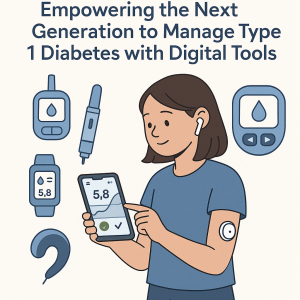
Technology can play a supportive role in managing diabetes at work. Continuous glucose monitors (CGMs) and insulin pumps can provide real-time data and alerts, helping you stay on top of your blood sugar levels without constant manual checks. Smartphone apps designed to track carbohydrates, medications, and physical activity can also streamline diabetes management, reducing the mental burden during busy workdays. However, technology is not foolproof, so it’s important to have backup plans, like manual glucose testing supplies, in case of device failures.
Stress management is another crucial aspect of balancing work and diabetes. Stress can impact blood sugar levels, so incorporating stress reduction techniques into your daily routine can be beneficial. Practices such as deep breathing exercises, short walks, or even brief mindfulness sessions can help alleviate stress and promote better glucose control. Additionally, regular consultation with your healthcare team can provide tailored advice, as they can suggest specific strategies that align with your personal health needs and career demands.
Lastly, self-awareness and active self-monitoring are essential. Pay attention to how different work activities affect your blood sugar levels and energy, and adjust your management plan as needed. If you notice patterns of blood sugar fluctuations related to specific work tasks, consider discussing these with your healthcare provider to explore potential adjustments in your management plan. Remember, finding the right balance between professional responsibilities and diabetes management is a personal journey, and seeking support from your healthcare team can be invaluable in achieving a fulfilling professional life while maintaining optimal health.
4. Practical Tips
Balancing the demands of a career with the management of type 1 diabetes can feel like a tightrope walk. However, with some practical tips and a proactive approach, it is possible to maintain both your professional momentum and your health. One of the most effective strategies is to establish a routine that incorporates regular blood sugar monitoring. For example, setting reminders on your phone or smartwatch to check your glucose levels at specific times can help you stay on track. This habit not only aids in maintaining your health but also allows you to address any fluctuations before they impact your work performance.
Another practical tip is to prepare for the unexpected by keeping a small kit of diabetes supplies at your workplace. This could include items like glucose tablets, a spare insulin pen, or an extra blood glucose meter. Having these essentials on hand means you’re equipped to handle any sudden changes in your blood sugar without disrupting your workday. It can be particularly reassuring during long meetings or tight deadlines when stepping out to address your needs might not be immediately possible.
Managing stress is another key component of balancing your career with type 1 diabetes. Stress can significantly impact blood glucose levels, so incorporating stress-reduction techniques into your daily routine can be beneficial. Consider integrating short mindfulness exercises or deep-breathing techniques into your day, especially during high-pressure periods. Even a brief walk outside during lunch or a scheduled five-minute meditation can help center your mind and body, potentially stabilizing your glucose levels.
Finally, open communication with your employer and coworkers can make a world of difference. While it’s a personal choice how much you choose to disclose about your condition, informing your manager or human resources about your needs can foster a supportive work environment. Simple accommodations, like flexible breaks or the ability to work from home when needed, can ease the balance between your health and job demands. Remember, each person’s experience with type 1 diabetes is unique, so it’s important to consult with your healthcare provider to tailor these strategies to your specific needs. By prioritizing your health and using these practical tips, you can better navigate the complexities of managing type 1 diabetes within your professional life.
5. Expert Opinions
Managing type 1 diabetes while pursuing a demanding career can be challenging, but expert opinions provide valuable insights that may help individuals navigate this balancing act. Healthcare professionals often emphasize the importance of maintaining a flexible yet structured routine. This involves setting regular times for blood sugar monitoring, meal planning, and physical activity, which can help create a predictable environment that may assist in managing blood sugar levels. Flexibility is also crucial, as unexpected work demands might require adjustments to diabetes management plans. Experts suggest that individuals with type 1 diabetes work closely with their healthcare teams to develop personalized strategies that can accommodate their professional responsibilities.
Another key area highlighted by experts is the significance of communication in the workplace. Informing supervisors and trusted colleagues about one’s condition can facilitate a supportive work environment. This openness can be crucial, especially in situations where immediate action is needed, such as treating a hypoglycemic episode. Clinicians generally recommend that individuals discuss their needs and potential accommodations, such as having access to snacks, breaks for blood sugar checks, or remote work options when necessary. Such discussions can help create a more understanding workplace culture, reducing stress and promoting better health outcomes.
Stress management is another focal point in expert advice. High stress levels, common in demanding careers, can affect blood sugar control. Many healthcare providers advocate for stress-reduction techniques, such as mindfulness, yoga, or deep-breathing exercises, which may help mitigate the impact of stress on diabetes management. Identifying stress triggers and developing coping mechanisms with the assistance of mental health professionals or diabetes educators can be beneficial.
When it comes to technology, experts often encourage the use of diabetes management tools, such as continuous glucose monitors (CGMs) or insulin pumps, which can offer more precise control and allow for real-time adjustments. These tools can be particularly advantageous for individuals with unpredictable schedules, providing more freedom and confidence in managing their condition. However, the choice of specific devices and technologies should be made in consultation with one’s healthcare team to ensure they align with individual needs and lifestyle.
Ultimately, managing type 1 diabetes in a professional setting requires a tailored approach, recognizing that each individual’s experience with diabetes is unique. Consulting with healthcare professionals to create an adaptable and personalized management plan is essential. By integrating expert guidance with personal preferences and career demands, individuals with type 1 diabetes can work towards a fulfilling professional life while maintaining their health and well-being.
6. Misconceptions
Type 1 diabetes is often misunderstood, leading to several misconceptions that can affect both personal and professional life. One common misconception is that type 1 diabetes is a result of lifestyle choices, similar to type 2 diabetes. However, the reality is that type 1 diabetes is an autoimmune condition where the immune system mistakenly attacks insulin-producing cells in the pancreas. This distinction is important because it shapes the way individuals manage their condition and how others perceive their needs in a work environment. Understanding that the onset of type 1 diabetes is unrelated to lifestyle can foster greater empathy and support from colleagues and employers.
Another prevalent myth is that managing type 1 diabetes is solely about avoiding sugar. While monitoring carbohydrate intake is a crucial aspect of diabetes management, it’s not about complete abstention from sugar. The focus is on balancing blood glucose levels through a combination of diet, insulin therapy, and regular physical activity. This means that people with type 1 diabetes can enjoy a wide variety of foods, provided they manage their insulin doses and check their blood sugar levels regularly. Discussing dietary flexibility with a healthcare provider can help tailor a plan that fits individual needs and lifestyle.
In the workplace, people with type 1 diabetes might face the misconception that their condition will negatively impact their performance. However, with proper management, individuals with type 1 diabetes can lead successful professional lives. It’s crucial for employers and coworkers to recognize that diabetes management is a personal responsibility and that individuals often develop personalized strategies to manage their condition effectively. Creating an inclusive work environment means understanding that diabetes management tools, such as insulin pens or continuous glucose monitors, are part of everyday life for those with the condition, and not an impediment to productivity.
Lastly, there is often confusion about the symptoms of low blood sugar and how they should be addressed in the workplace. Hypoglycemia can cause symptoms such as shakiness, sweating, or confusion, and if left untreated, it can lead to more severe consequences. It’s important for people with type 1 diabetes to address these symptoms promptly and safely, often by consuming a fast-acting source of glucose. Colleagues should be aware that this is a necessary health measure, not a disruption. Anyone experiencing or witnessing symptoms of severe hypoglycemia should seek immediate medical attention. Open communication with management and colleagues about these needs can enhance understanding and lead to a supportive work environment. Consulting with healthcare professionals can provide further guidance on managing diabetes in the workplace.
7. Summary
In summary, managing a demanding career while living with type 1 diabetes can indeed be a challenging balancing act, but it’s one that many individuals navigate successfully with the right strategies and support systems in place. Successfully juggling professional responsibilities and health needs requires careful planning, effective time management, and a proactive approach to health monitoring. Key to this balance is fostering an open dialogue with employers and colleagues about your needs, which can create a more supportive work environment. Understanding your rights and advocating for reasonable accommodations, such as flexible schedules or remote work options, can also be beneficial.
Consistent monitoring of blood sugar levels is crucial, particularly during busy or stressful periods, to prevent complications that could interfere with job performance. It’s important to be prepared for unexpected changes in your condition, such as hypoglycemia, and know when to pause and address these issues promptly. Developing a routine that includes regular meals and physical activity can help stabilize glucose levels and enhance overall well-being, contributing to improved focus and productivity at work.
Technology can be a valuable ally in managing diabetes efficiently. Utilizing tools such as continuous glucose monitors or insulin pumps can help streamline the process of keeping blood sugar levels in check, allowing for greater focus on career tasks. Moreover, stress management techniques such as mindfulness or meditation may aid in reducing the impact of stress on blood sugar levels, promoting a healthier work-life balance.
Ultimately, each individual’s journey with type 1 diabetes and career demands is unique. It is essential to consult healthcare professionals to tailor strategies that best suit your personal health needs and professional goals. With the right approach, it’s possible to thrive in your career while maintaining control over your diabetes, leading to a more fulfilling and balanced professional life.