1. Introduction
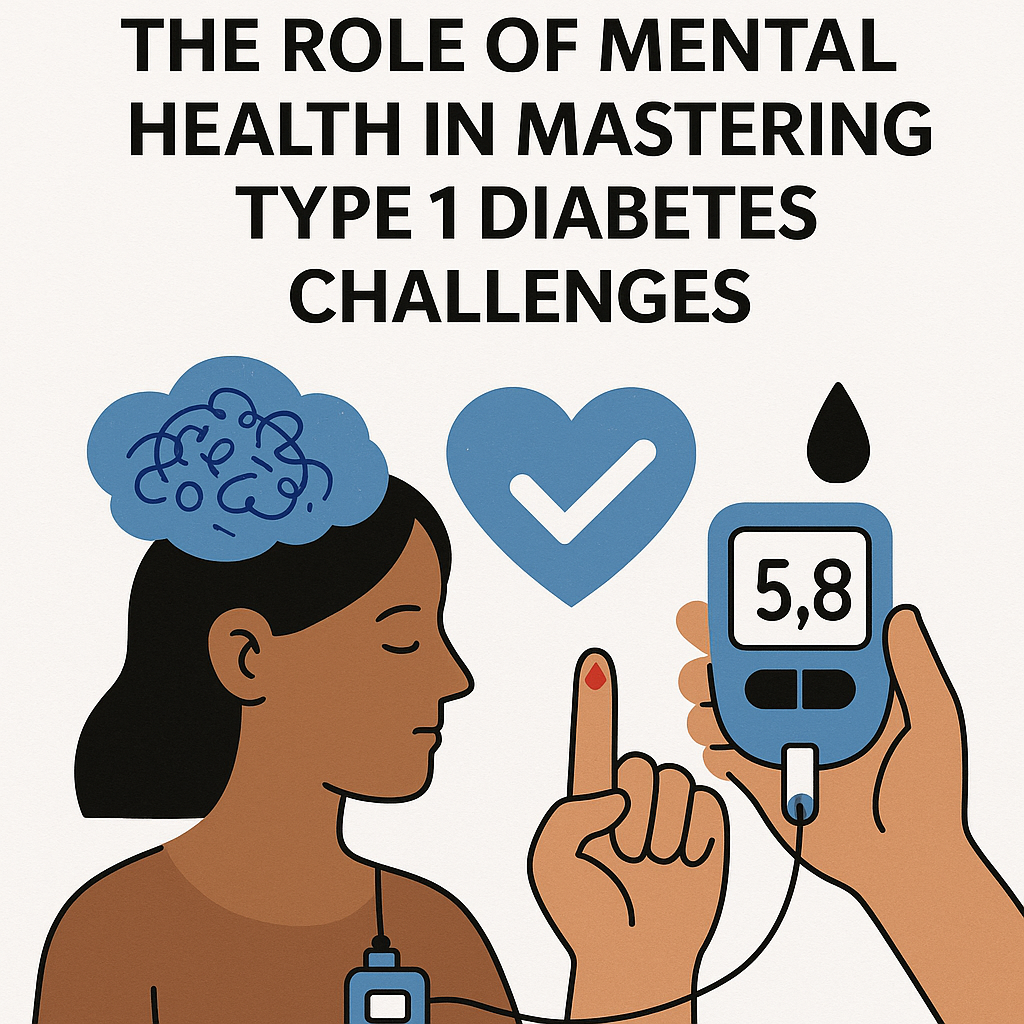
Type 1 diabetes is a chronic condition that presents unique challenges, requiring a delicate balance of insulin management, diet, and lifestyle adjustments. While the physical aspects of managing this disease often take center stage, the mental and emotional dimensions are equally important to consider. Living with type 1 diabetes is not just about monitoring blood sugar levels and administering insulin; it also involves coping with the emotional rollercoaster that can accompany these daily demands. This balance between physical care and mental well-being is crucial, as stress and emotional health can significantly impact blood glucose levels and overall diabetes management.
Addressing the mental health aspects of type 1 diabetes can be transformative in managing the condition more effectively. For many people, the constant vigilance required to manage their diabetes can lead to feelings of burnout, anxiety, or even depression. Recognizing and addressing these feelings is an essential part of a holistic approach to living with the condition. Improved mental health can foster better self-care practices, enhance motivation, and lead to more consistent blood sugar management. However, it is important to recognize that each individual’s experience with type 1 diabetes is unique, and what works for one person may not be effective for another. Engaging with healthcare professionals who understand both the physical and psychological challenges of diabetes can provide invaluable support and guidance.
Innovative approaches are emerging to integrate mental health into diabetes care. Strategies such as cognitive behavioral therapy (CBT), mindfulness practices, and peer support groups have shown promise in helping individuals cope with the mental health challenges associated with type 1 diabetes. These approaches aim to empower individuals with the skills necessary to manage stress, build resilience, and mitigate the emotional impact of living with a chronic illness. However, it is crucial to consult healthcare providers to tailor these strategies to individual needs and circumstances, ensuring that any mental health interventions complement the physical aspects of diabetes management.
In conclusion, understanding the role of mental health in mastering the challenges of type 1 diabetes is an important step forward in comprehensive diabetes care. By addressing both the physical and emotional aspects of the condition, individuals can work towards a more balanced and fulfilling life. Remember, it’s always essential to discuss any mental health concerns with your healthcare provider to ensure that you receive the appropriate support tailored to your specific needs. Together, with informed strategies and professional guidance, it is possible to navigate the complexities of type 1 diabetes with resilience and confidence.
2. Medical Overview
Type 1 diabetes is a chronic autoimmune condition where the body’s immune system mistakenly attacks and destroys the insulin-producing beta cells in the pancreas. Insulin is a vital hormone that allows glucose from the food we eat to enter cells and be used for energy. Without sufficient insulin, blood sugar levels can rise to dangerous levels, leading to a variety of health complications. Managing type 1 diabetes requires a lifelong commitment to monitoring blood sugar levels, administering insulin, and making lifestyle adjustments to maintain as stable a blood glucose level as possible.
Unlike type 2 diabetes, which may be managed with lifestyle changes and medication, type 1 diabetes management focuses heavily on insulin therapy. This can include multiple daily injections or the use of an insulin pump, a device that provides continuous insulin delivery. Blood glucose monitoring is another cornerstone of management, often requiring multiple tests per day using a glucometer or continuous glucose monitoring (CGM) systems. The goals of treatment are to keep blood sugar levels within target ranges to minimize the risk of both short-term complications, like hypoglycemia and hyperglycemia, and long-term complications, such as cardiovascular disease and neuropathy.
The complexity of managing type 1 diabetes is compounded by the need to consider various factors that can affect blood sugar levels. These include physical activity, diet, stress, and illness. Each of these factors can cause unpredictable changes in blood glucose, necessitating constant adjustments and vigilance. As such, the management plan for type 1 diabetes is highly individualized. Patients work closely with their healthcare providers to tailor their insulin regimen and lifestyle modifications to their personal needs. It is essential for individuals with type 1 diabetes to maintain regular communication with their healthcare team to address any changes in their condition or treatment requirements.
In addition to the physical aspects, the psychological impact of managing a chronic condition like type 1 diabetes is significant. The persistent need to monitor and adjust can lead to feelings of stress, anxiety, and even burnout. Mental health support is an integral part of effective diabetes management, helping individuals cope with the emotional demands of the condition. Many people find that addressing mental health alongside physical health not only improves their overall well-being but may also positively affect their diabetes management. For personalized guidance and support, individuals are encouraged to consult their healthcare provider, who can provide resources and referrals tailored to their specific needs.
3. Practical Guidance
Managing type 1 diabetes is a multifaceted challenge that intertwines physical health with emotional well-being. Recognizing the profound impact mental health can have on managing diabetes is the first step toward healthier living. One practical approach is to establish a routine that balances diabetes management tasks with activities that promote mental wellness. This could include setting aside time each day for relaxation or enjoyable hobbies, which may reduce stress and improve overall mood. Mindfulness practices, such as meditation or yoga, can also be beneficial. These activities might help individuals become more aware of their body’s signals, potentially improving diabetes management.
Another important aspect is building a support network. Sharing experiences and feelings with friends, family, or support groups can provide emotional relief and practical advice. Engaging with others who understand the challenges of type 1 diabetes can foster a sense of community and reduce feelings of isolation. For some, professional support from a mental health counselor familiar with diabetes may also be valuable. They can offer strategies for coping with stress, anxiety, or depression that sometimes accompany chronic health conditions.
Maintaining open communication with your healthcare team is crucial. They can provide guidance tailored to your unique needs and help address any mental health concerns that may arise. If you find yourself struggling with stress or emotional challenges related to diabetes management, discussing these with your healthcare provider can lead to adjustments in your care plan or referrals to mental health professionals. It’s vital to remember that mental health is a key component of overall health, and seeking help is a proactive step toward well-being.
Practical tools, such as journaling, can also play a role in managing the mental aspects of diabetes. Keeping a diary of your thoughts and feelings about living with diabetes might help you process emotions and identify patterns in your mental and physical health. Apps designed for diabetes management can offer reminders and tracking features, which might ease the burden of daily management tasks, reducing stress and mental fatigue.
As you navigate the complexities of type 1 diabetes, remember that mental health is not a separate entity but an integral part of your journey. While these suggestions may offer some assistance, it’s crucial to tailor your approach to your personal needs and circumstances. Always consult with your healthcare provider to ensure any new practices align with your overall diabetes management plan. With the right support and strategies, you can work toward a balanced approach that honors both your mental and physical health.
4. Practical Tips
Living with type 1 diabetes is a journey that involves not just managing physical health, but also attending to mental well-being. Recognizing the intertwining of emotional health and diabetes management is crucial in mastering the challenges that come with the condition. Here are some practical tips that may help you nurture your mental health while effectively managing your diabetes.
Firstly, consider the role of mindfulness practices. Engaging in mindfulness can help reduce stress and anxiety, which can sometimes accompany the demands of managing type 1 diabetes. Simple activities such as deep breathing exercises, meditation, or even mindful walking can provide moments of calm and clarity. For instance, setting aside just a few minutes each day to focus on your breathing can help center your thoughts and give you a mental reset. Remember, it’s important to find a mindfulness practice that resonates with you personally, as individual preferences vary. Discuss with your healthcare provider about incorporating mindfulness into your routine to ensure it complements your diabetes management plan.
Secondly, build a support network that understands both your diabetes management needs and your mental health. This could include family members, friends, or support groups who are knowledgeable about type 1 diabetes. Having people to talk to can make a significant difference. For example, joining a local or online diabetes support group can provide a sense of community and shared understanding. Engaging with others who face similar challenges can offer emotional support, practical tips, and a sense of belonging. If you’re unsure where to begin, your healthcare provider might be able to recommend resources or support networks.
Lastly, consider setting realistic and flexible goals for your diabetes management. The rigidity of striving for perfect control can sometimes lead to frustration or burnout. Instead, aim for goals that are achievable and adjustable as needed. For example, if you’ve set a goal to exercise three times a week but find it challenging due to other commitments, allow yourself the flexibility to modify the plan. This approach can reduce feelings of failure and promote a more positive outlook on managing your condition. Remember, it’s important to regularly review and adjust these goals in consultation with your healthcare team, ensuring they align with your physical and mental health needs.
While these strategies can be helpful, it’s essential to consult your healthcare provider for personalized advice tailored to your individual needs. Managing type 1 diabetes is a complex task, and ensuring that mental health is a part of this journey can make a significant difference in your overall well-being. With the right support and strategies, you can navigate the challenges of type 1 diabetes more effectively and lead a fulfilling life.
5. Expert Opinions
Experts in the field of diabetes management have increasingly highlighted the critical role of mental health in dealing with type 1 diabetes. They emphasize that managing blood glucose levels and insulin therapy can be profoundly impacted by one’s mental well-being. Emotional stress, anxiety, and depression are not merely side effects of living with a chronic condition; they can actively influence diabetes management. For instance, stress can lead to hormonal changes that may affect blood sugar levels, and feelings of depression might reduce one’s motivation to adhere to treatment plans. This intricate interplay between mental health and diabetes management underscores the importance of a holistic approach to care.
Clinicians generally recommend incorporating psychological support as a key component of diabetes care. This can take many forms, from professional counseling to peer support groups, and even mindfulness practices like meditation. Such interventions can help individuals develop coping strategies, improve emotional resilience, and potentially enhance their overall quality of life. Cognitive-behavioral therapy (CBT), for example, is often suggested for its potential to help patients address negative thought patterns that may interfere with effective diabetes management.
In addition to psychological interventions, experts advise creating a supportive environment that involves family and friends. Having a strong support network can significantly alleviate the emotional burden of living with type 1 diabetes. Educating loved ones about the condition can foster understanding and provide practical assistance when needed. Moreover, it is crucial for patients to maintain open communication with their healthcare team. This collaborative approach allows for personalized care that takes into account the individual’s mental health needs alongside their physical health requirements.
While the relationship between mental health and type 1 diabetes is complex, integrating mental health care within diabetes management plans can offer promising benefits. However, what works for one person may not be suitable for another. It’s important for individuals to consult with their healthcare providers to tailor strategies that meet their unique circumstances. As research in this area continues to evolve, the hope is that more targeted interventions will be developed, offering new avenues for improving both mental and physical health outcomes for those living with type 1 diabetes.
6. Misconceptions
When it comes to type 1 diabetes, misconceptions abound, often creating unnecessary stress and misunderstanding for those managing the condition. One common misconception is that type 1 diabetes results from lifestyle choices, such as poor diet or lack of exercise. In reality, type 1 diabetes is an autoimmune condition where the immune system mistakenly attacks insulin-producing beta cells in the pancreas. This means that its onset is not related to lifestyle factors, and it requires a distinct management approach compared to type 2 diabetes.
Another prevalent misconception is that mental health challenges experienced by individuals with type 1 diabetes are simply a natural consequence of having a chronic condition, thus downplaying their importance. The truth is that mental health is an integral part of managing diabetes effectively. Stress, anxiety, and depression can significantly impact blood sugar control and the ability to adhere to daily management routines. Addressing mental health is not just an additional consideration; it is a fundamental component of comprehensive diabetes care.
There’s also a belief that diabetes management is simply about “following the rules” — monitoring blood sugar levels, taking insulin, and adjusting diet. While these are critical aspects, the mental burden of constant vigilance and decision-making is often overlooked. This continuous cognitive load can lead to burnout, affecting both physical and mental well-being. Recognizing and addressing these mental health challenges can foster resilience and improve overall quality of life for those living with type 1 diabetes.
Furthermore, some people mistakenly assume that because children and young adults often develop type 1 diabetes, they are naturally more resilient to its challenges. In reality, the psychological impact can be profound for young individuals, affecting their social interactions, self-esteem, and academic performance. Support systems that include mental health professionals can play a crucial role in helping them navigate these challenges and build effective coping strategies.
Finally, it’s important to challenge the notion that seeking help for mental health issues is a sign of weakness. On the contrary, recognizing mental health needs and seeking support is a proactive step towards better diabetes management. If you or someone you know is struggling with the mental health aspects of type 1 diabetes, consulting with healthcare professionals who specialize in both diabetes and mental health can provide valuable guidance and support tailored to individual needs.
7. Summary
Type 1 diabetes, a chronic condition characterized by the body’s inability to produce insulin, presents numerous daily challenges. However, the role of mental health in managing these challenges is becoming increasingly recognized as crucial. People with type 1 diabetes must navigate a continuous balancing act of monitoring blood glucose levels, adjusting insulin doses, and maintaining a healthy lifestyle. These responsibilities can contribute to significant stress and emotional strain, which, in turn, can impact blood sugar control and overall well-being.
Recent discussions emphasize the importance of mental health support as part of an integrated approach to diabetes management. Psychological well-being can profoundly influence how individuals cope with the demands of their condition. Stress, anxiety, and depression are not uncommon among those living with type 1 diabetes, and addressing these concerns can lead to improvements in both mental and physical health outcomes. Therapeutic interventions, such as cognitive-behavioral therapy, mindfulness practices, and support groups, are being explored as beneficial components of diabetes care.
While the relationship between mental health and diabetes management is complex and individualized, acknowledging this connection is a step forward in comprehensive care. Healthcare providers are increasingly aware of the need to incorporate mental health evaluations into routine diabetes check-ups. This holistic approach can help individuals not only manage their blood sugar levels more effectively but also enhance their quality of life.
For those living with type 1 diabetes, engaging in open conversations with healthcare professionals about mental health concerns is crucial. Tailored support strategies can be developed to suit individual needs, making it essential to seek guidance from qualified healthcare providers. By fostering a supportive environment that addresses both the physical and emotional aspects of the condition, individuals may find themselves better equipped to tackle the multifaceted challenges of type 1 diabetes.