1. Introduction
Transitioning to college life presents a unique set of challenges for students with type 1 diabetes. The freedom and independence that come with living away from home also bring the responsibility of managing a complex health condition in a new environment. College students must balance academic demands, social activities, and personal growth, all while ensuring their blood glucose levels remain stable. This balancing act requires creativity, adaptability, and a deep understanding of their own bodies.
Type 1 diabetes is an autoimmune condition where the pancreas produces little to no insulin, a hormone crucial for regulating blood sugar. Unlike type 2 diabetes, which may be managed with lifestyle changes alone, type 1 diabetes requires daily insulin administration and constant monitoring of blood glucose levels. For college students, this means integrating diabetes management into every aspect of campus life, from attending lectures and studying in the library to participating in sports and social events.
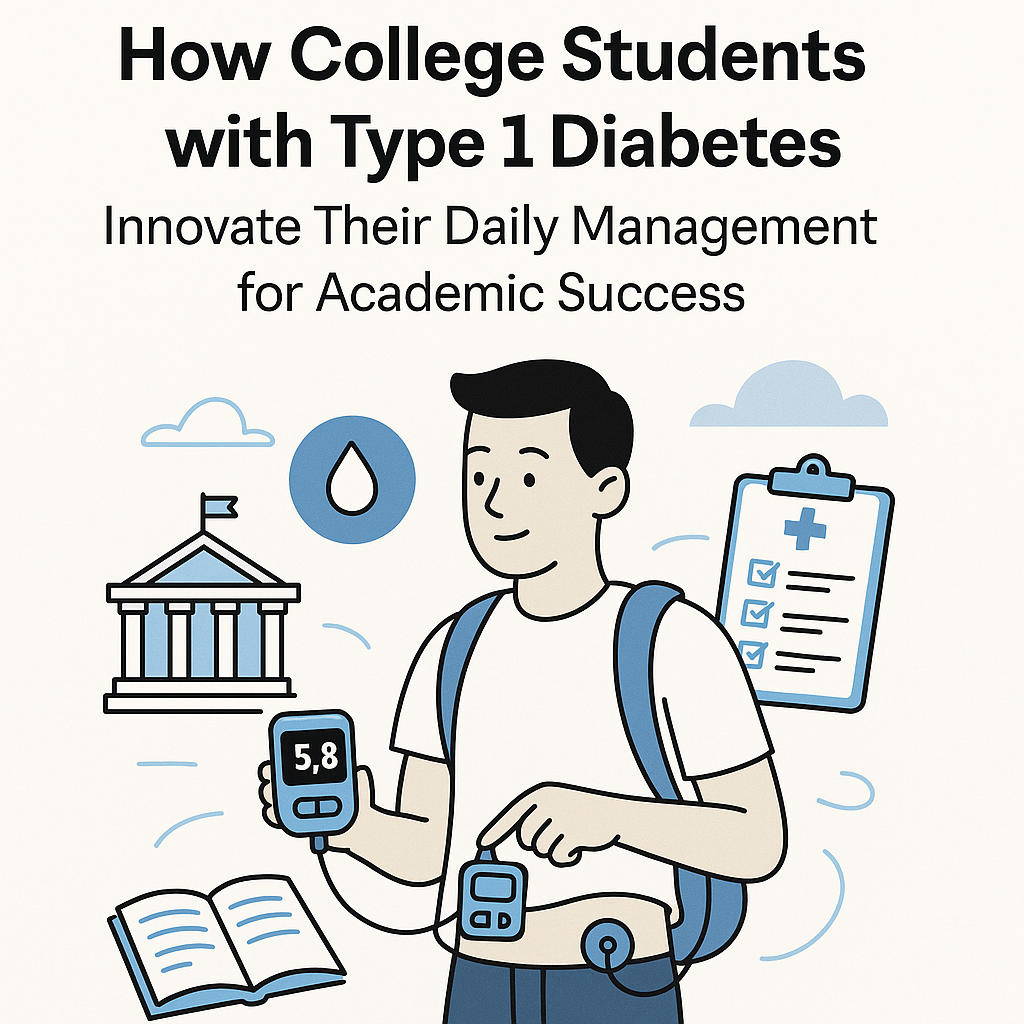
Students often develop innovative strategies to manage their condition while pursuing their academic goals. Some utilize technology, such as continuous glucose monitors and insulin pumps, to maintain tighter control over their blood sugar levels. Others might rely on smartphone apps to track their carbohydrate intake and physical activity. These tools can provide real-time data and insights, helping students make informed decisions about their diabetes management.
Moreover, the college environment can foster a supportive community where students can share experiences and learn from one another. Many campuses have disability services and health centers that offer resources and support for students with chronic conditions. Joining campus organizations or online forums dedicated to diabetes can also provide a sense of belonging and a platform for exchanging tips and strategies. However, it’s important for students to remember that diabetes management is highly individualized, and they should consult with their healthcare team to tailor approaches that best suit their needs.
Ultimately, while type 1 diabetes requires careful attention and management, college students can thrive academically and socially by being resourceful and proactive. By developing personalized strategies and leveraging available resources, they can navigate the complexities of college life with confidence and success.
2. Medical Overview
Type 1 diabetes is a chronic condition characterized by the body’s inability to produce insulin, a hormone crucial for regulating blood glucose levels. This autoimmune condition typically manifests in childhood or adolescence, though it can develop at any age. Managing type 1 diabetes requires a careful balance of insulin administration, blood sugar monitoring, dietary choices, and physical activity. These elements are crucial to maintaining blood glucose levels within a target range, reducing the risk of both acute complications such as hypoglycemia and long-term health issues related to diabetes.
In the college environment, students with type 1 diabetes face unique challenges and opportunities in managing their condition. The transition to college life often involves a more independent lifestyle, requiring students to take greater responsibility for their diabetes management. This independence can be empowering but also demands a high level of self-awareness and organization. Daily routines, including meal timings and physical activities, can be unpredictable in a college setting, necessitating adaptable strategies to maintain stable blood glucose levels. Students often employ a combination of technology, such as continuous glucose monitors and insulin pumps, alongside traditional methods like blood glucose meters, to manage their diabetes effectively.
Understanding the medical nuances of type 1 diabetes can help students innovate their management strategies. For instance, stress from exams and irregular sleep patterns may impact blood sugar levels, requiring students to adjust their monitoring frequency or insulin dosage. It’s essential for individuals to work closely with their healthcare team to tailor their diabetes management plan to their lifestyle and needs. Regular consultations with healthcare professionals can provide guidance and support, ensuring that management strategies are both safe and effective.
Beyond the practical aspects of disease management, the medical overview underscores the importance of community and support networks. College campuses often provide resources such as disability services, peer support groups, and counseling, which can be invaluable for students navigating the complexities of living with type 1 diabetes. Engaging with these resources can foster a supportive environment that encourages academic success while prioritizing health and well-being.
While the journey through college with type 1 diabetes presents distinct challenges, it also offers a platform for innovation and personal growth. By understanding the medical aspects of their condition and leveraging available resources, students can develop effective strategies to balance their academic and health goals. As each individual’s experience with type 1 diabetes is unique, it’s important for students to maintain open communication with their healthcare providers to adapt their management plans as needed. This collaborative approach ensures that their strategies remain aligned with their evolving needs and circumstances.
3. Practical Guidance
Navigating college life with type 1 diabetes can be a demanding task, but students can employ several practical strategies to manage their condition while excelling academically. One fundamental approach is establishing a consistent daily routine that accommodates academic responsibilities while prioritizing diabetes management. This includes scheduling regular meal times, blood sugar monitoring, and insulin administration to align with class schedules and extracurricular activities. Utilizing digital tools like smartphone apps can aid in tracking blood glucose levels and insulin doses, providing reminders for medication and snacks, and even syncing data with healthcare providers for better management.
Effective communication is another critical component of managing type 1 diabetes on campus. Students are encouraged to inform professors and campus health services about their condition to foster a supportive environment. This communication can ensure that necessary accommodations, such as breaks during exams or access to snacks during long classes, are readily available. Moreover, connecting with campus disability services can provide additional support and resources tailored to individual needs.
Nutrition plays a vital role in managing diabetes effectively. Students can plan meals that align with their dietary needs and are practical for a fast-paced college lifestyle. Carrying healthy snacks, like nuts or fruit, can be beneficial for maintaining stable blood sugar levels throughout the day. Additionally, understanding dining hall options and planning meals in advance can help students make informed choices that support their diabetes management. Consulting with a nutritionist or dietitian can provide personalized guidance suited to individual health goals and dietary preferences.
Exercise is another important aspect to consider, as it can impact blood sugar levels. Students can incorporate physical activity into their routine by participating in intramural sports, joining fitness classes, or simply walking between classes. However, it’s crucial to monitor blood sugar levels before, during, and after exercise, and to have a plan in place for managing any fluctuations. Students should consult with their healthcare provider to tailor an exercise regimen that aligns with their diabetes management plan.
Finally, stress management is essential, as stress can affect blood sugar levels. College students can explore various stress-reduction techniques, such as mindfulness meditation, yoga, or deep-breathing exercises, to help manage their well-being. Building a support network of friends, family, or fellow students with type 1 diabetes can also provide emotional support and practical advice for navigating college life.
While these strategies can aid in managing type 1 diabetes, it’s important for students to consult with their healthcare team to tailor these recommendations to their personal health needs. By implementing these practical tips, students with type 1 diabetes can better manage their condition and achieve academic success.
4. Practical Tips
Managing type 1 diabetes while navigating the demands of college life can be challenging. However, many students with type 1 diabetes find innovative ways to integrate their health needs with their academic pursuits. Here are some practical tips that might help college students with type 1 diabetes thrive in their educational environment.
One effective strategy is to make use of technology for better diabetes management. Many students use smartphone apps designed to track blood glucose levels, carbohydrate intake, and insulin doses. These apps can send reminders for glucose checks and insulin administration, helping students stay on top of their management routines. Additionally, some apps allow for sharing data with healthcare providers, which can facilitate more informed discussions during medical appointments. Students should consult their healthcare team to find the most suitable tools for their individual needs.
Another practical approach is to establish a supportive network on campus. This could include informing roommates, close friends, or professors about your condition so they can be supportive in emergencies. For instance, one student created a “diabetes buddy” system with classmates, where a friend is aware of her schedule and checks in on her if she misses a class or meeting unexpectedly. These small support systems can provide peace of mind and ensure that help is available when needed.
In addition to technology and support networks, planning meals and snacks is crucial for maintaining stable blood sugar levels. Many college dining halls offer nutrition information, which can be a useful resource for carb counting. Some students prepare snack packs with easy-to-carry items like glucose tablets, nuts, or fruit, ensuring they have quick access to carbs if their blood sugar drops. Importantly, students should work with their healthcare providers to develop meal plans that support their dietary needs.
Ultimately, while these strategies can be beneficial, it’s important for students to tailor their management plans to their personal health circumstances. Regular consultations with their healthcare team can help ensure that their strategies are both safe and effective. By combining these practical tips with professional guidance, students with type 1 diabetes can better manage their condition and focus on their academic success.
5. Expert Opinions
In the challenging yet vibrant environment of college life, students with type 1 diabetes often find themselves navigating a unique set of challenges, where expert insights can play a crucial role in their success. Healthcare professionals emphasize the importance of creating a personalized diabetes management plan that aligns with each student’s academic schedule and lifestyle. This often involves a collaborative approach, where clinicians work closely with students to identify potential challenges such as irregular meal times, changes in physical activity, and stress, all of which can impact blood sugar levels.
Experts generally recommend that students develop a reliable system for monitoring their blood glucose, especially before and after classes or exams. Utilizing technology, such as continuous glucose monitors (CGMs) or smartphone apps, can provide real-time data and alerts, helping students to make timely decisions. It is widely acknowledged in the medical community that these tools can offer valuable insights, though they should be used in conjunction with routine check-ins with healthcare providers to ensure optimal management.
Additionally, clinicians often suggest that students openly communicate with their professors and campus health services about their condition. This can foster a supportive academic environment where necessary accommodations, like flexible exam schedules or access to food during class, can be arranged. Educators and health professionals alike advocate for increased awareness and understanding of type 1 diabetes within college settings to reduce stigma and enhance support for those affected.
Another area where expert guidance proves invaluable is in stress management. College can be a stressful period, and stress is known to affect blood sugar levels. Healthcare providers may advise students to incorporate stress-reducing practices into their daily routines, such as mindfulness techniques, regular physical activity, and adequate sleep. While these strategies can offer benefits, it is crucial for students to discuss their individual needs and circumstances with their healthcare team to tailor these practices effectively.
Overall, healthcare professionals underscore the significance of building a robust support network, both medically and socially. They encourage students to engage with campus resources, join diabetes support groups, and lean on friends and family for emotional support. This multifaceted approach, informed by expert opinions, can empower students with type 1 diabetes to thrive in their college journey. As always, individuals are reminded to consult their healthcare providers for personalized advice, ensuring their management strategies are safe and effective for their specific needs.
6. Misconceptions
When it comes to managing type 1 diabetes in college, misconceptions abound, often complicating the already challenging task of balancing academic responsibilities with health needs. One common misconception is that all types of diabetes are the same and can be managed identically. This misunderstanding can lead to well-intentioned but uninformed advice from peers and faculty, who might not grasp the unique demands that type 1 diabetes places on students. Unlike type 2 diabetes, type 1 requires constant attention to insulin levels, carbohydrate intake, and physical activity, making each day a complex juggling act.
Another prevalent myth is the assumption that dietary restrictions for those with type 1 diabetes are overly strict, leaving little room for flexibility or enjoyment. While it’s true that carbohydrate counting and mindful eating are crucial, individuals with type 1 diabetes can still enjoy a varied and nutritious diet. With thoughtful planning and the use of modern technology, such as continuous glucose monitors and insulin pumps, students can participate in campus dining experiences and social occasions without feeling deprived. It’s important for students to educate their friends and peers about these realities, fostering an understanding and supportive environment.
There’s also a misconception that type 1 diabetes is solely a childhood condition and that those diagnosed will outgrow it. In reality, type 1 diabetes is a lifelong condition that demands ongoing management, regardless of age. This misunderstanding can lead to underestimating the seriousness of the condition and the vigilance required to maintain good health. College students with type 1 diabetes often find themselves needing to explain the chronic nature of their condition to others, especially when seeking accommodations from professors or college health services.
Furthermore, some might believe that managing type 1 diabetes is a solitary endeavor, but this couldn’t be further from the truth. Many students benefit from forming support networks, both on and off-campus, which can include healthcare providers, peer groups, and family members. These networks can provide emotional support, share management tips, and assist in navigating the complexities of college life. Encouragement and understanding from the surrounding community can make a significant difference in a student’s ability to thrive academically while managing their health.
Ultimately, debunking these misconceptions is crucial for fostering a more educated and empathetic campus environment. Students with type 1 diabetes should feel empowered to communicate their needs and experiences, while those around them strive to listen and learn. If you’re a college student navigating type 1 diabetes, remember that you’re not alone. Seeking guidance from your healthcare provider and leveraging available resources can help you manage your condition effectively while pursuing academic success.
7. Summary
In the dynamic environment of a college campus, students with type 1 diabetes face unique challenges that require innovative approaches to manage their condition effectively while achieving academic success. With a blend of creativity and practicality, these students often develop personalized strategies that cater to their individual needs, helping them maintain their health and excel in their studies. From utilizing technology for real-time glucose monitoring to collaborating with professors for flexible scheduling, the tactics employed are as diverse as the students themselves. However, these strategies are not just about managing diabetes in isolation; they are about integrating diabetes care seamlessly into the broader tapestry of college life.
One of the key innovations lies in the use of technology. Many students leverage diabetes management apps and continuous glucose monitors (CGMs) to track their blood sugar levels throughout the day. These tools provide timely alerts and data, enabling students to make informed decisions about their diet and insulin administration. While technology offers valuable support, it’s important to remember that these tools should complement, not replace, regular consultations with healthcare providers. The personalized insights from these tools can be discussed with a doctor to ensure they align with a student’s overall management plan.
Beyond technology, the social and academic environment plays a crucial role in a student’s diabetes management. Open communication with faculty and peers can foster a supportive network, allowing students to advocate for themselves when necessary. This might involve requesting accommodations for exams or scheduling classes at times that align with their glucose patterns. While it’s essential for students to be proactive, universities often have resources and disability services that can offer additional support, ensuring that students with diabetes have access to the opportunities they need to succeed.
Moreover, the college experience is about exploration and growth, and students with type 1 diabetes are no exception. By engaging in campus activities and building a community, they can find creative ways to manage their condition while participating in the full spectrum of college life. This might include joining support groups, participating in sports with careful planning, or even leading initiatives to raise awareness about diabetes. These experiences not only enhance personal well-being but also contribute to a broader understanding of diabetes within the campus community.
In summary, college students with type 1 diabetes are continuously innovating to balance their health with their academic goals. Their creativity in incorporating technology, leveraging social support, and engaging in campus life demonstrates resilience and adaptability. However, as each student’s situation is unique, it’s vital that they work closely with healthcare providers to tailor their management strategies to their specific needs. By doing so, they can navigate the complexities of college life with confidence and success.