1. Introduction
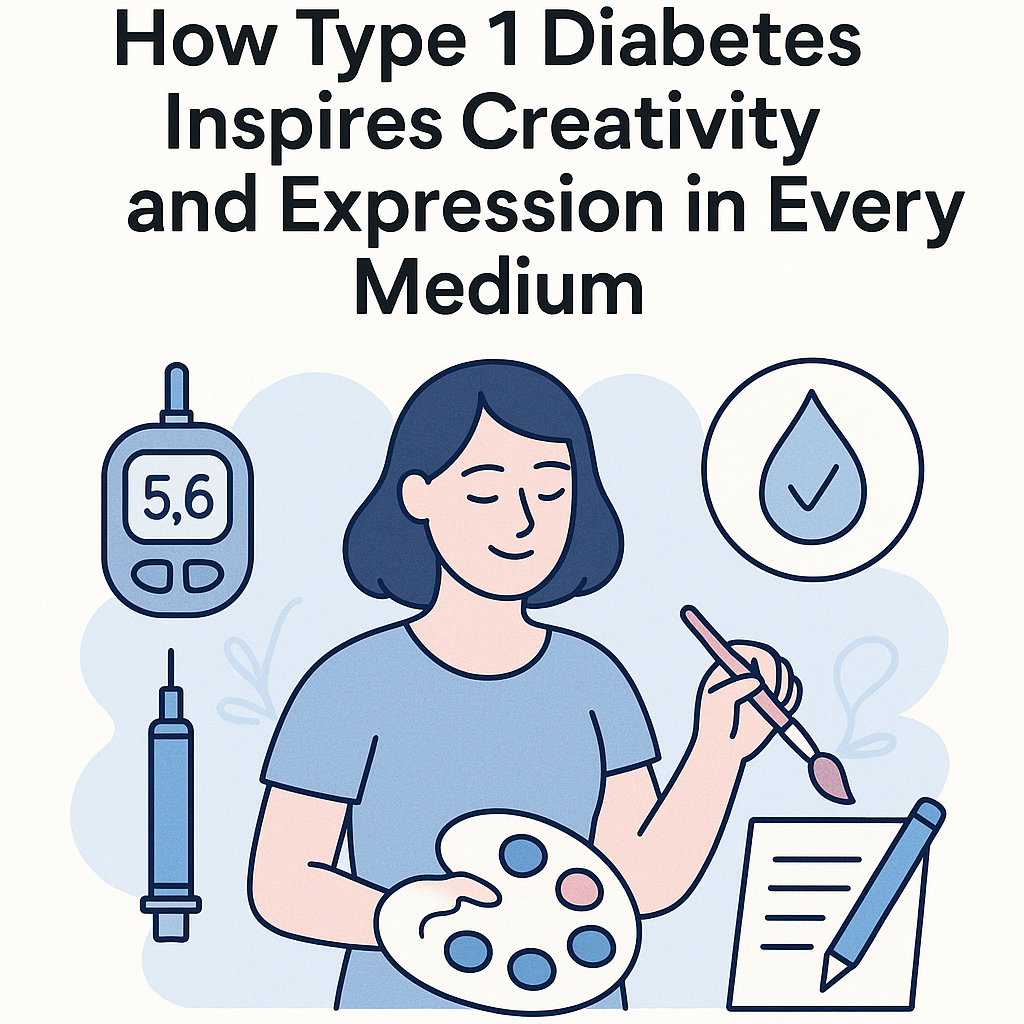
Type 1 diabetes is often viewed through the lens of its medical challenges, but it also has a profound influence on personal expression and creativity. This autoimmune condition, characterized by the body’s inability to produce insulin, requires constant management and vigilance. Living with type 1 diabetes can be demanding, but it also cultivates unique perspectives and resilience that often find their way into artistic expression. Many individuals with type 1 diabetes harness their experiences as a source of inspiration, transforming daily challenges into powerful narratives in art, music, writing, and other creative outlets.
The journey of managing type 1 diabetes can be likened to an intricate dance, where individuals must continuously adapt and respond to their body’s needs. This dynamic process can foster creativity as it encourages innovative thinking and problem-solving. For some, the routine of monitoring blood sugar levels and administering insulin becomes a catalyst for mindfulness, fueling introspection and a deeper connection to their inner world. This heightened awareness often spills into creative endeavors, allowing individuals to channel their experiences into works of art that resonate with others, both within and beyond the diabetes community.
Art, in all its forms, offers a unique avenue for expressing the complexities of living with type 1 diabetes. Whether through painting, music, writing, or digital media, individuals find ways to communicate their stories, challenges, and triumphs. This creative process not only serves as a therapeutic outlet but also fosters a sense of community and understanding. By sharing their experiences, artists with type 1 diabetes can demystify the condition and build bridges of empathy with those who may not live with it themselves.
While type 1 diabetes can be demanding, it also provides a distinctive perspective that can enrich creative work. It’s important to remember, though, that each person’s journey with diabetes is unique, and artistic expression can take many forms. As creativity is deeply personal, those living with type 1 diabetes may find inspiration in different ways and at different times. For anyone exploring how to integrate their experiences with diabetes into their art, consulting with healthcare providers can help ensure that they maintain their health and well-being while pursuing their creative passions. In this way, type 1 diabetes doesn’t just become a part of life’s story—it can become an integral and enriching part of an artful life.
2. Medical Overview
Type 1 diabetes is a chronic condition characterized by the body’s inability to produce insulin, a hormone necessary for converting glucose from food into energy. Unlike type 2 diabetes, which often develops later in life and can be influenced by lifestyle factors, type 1 diabetes is primarily an autoimmune condition. This means that the immune system mistakenly attacks and destroys insulin-producing cells in the pancreas. This autoimmunity can occur due to a complex interplay of genetic, environmental, and possibly viral factors. While researchers continue to study these contributing elements, the exact cause of type 1 diabetes remains not fully understood.
The management of type 1 diabetes primarily involves regular monitoring of blood glucose levels and the administration of insulin, either through injections or an insulin pump. This meticulous care is essential to help individuals maintain blood sugar levels within a target range, which can minimize the risk of both short-term complications, like hypoglycemia, and long-term health issues such as cardiovascular disease or nerve damage. It’s important for individuals with type 1 diabetes to work closely with healthcare professionals to tailor their treatment plans to suit their unique needs and lifestyles, as this personalized approach can greatly aid in effective management.
In addition to insulin therapy, individuals with type 1 diabetes often need to pay close attention to their diet, physical activity, and overall lifestyle choices to manage their condition effectively. Carbohydrate counting, regular exercise, and mindful eating are key components that can help in achieving balanced blood glucose levels. However, these strategies can vary widely from person to person, and what works well for one individual may not be suitable for another. Therefore, it’s crucial for anyone managing type 1 diabetes to consult with their healthcare provider when making any significant changes to their regimen.
Living with type 1 diabetes also requires being prepared for potential emergencies, such as hypoglycemia—a condition where blood sugar levels drop too low. Recognizing the symptoms of hypoglycemia, which can include shakiness, confusion, and dizziness, is essential. If these symptoms occur, it’s important to address them immediately by consuming fast-acting carbohydrates and waiting until blood sugar levels stabilize before continuing with any activities. Individuals should always seek medical advice if they experience frequent or severe episodes.
While managing type 1 diabetes can present daily challenges, many individuals find that adapting to these challenges can foster resilience and creativity. This condition often inspires people to explore new ways of self-expression and innovation, whether in art, writing, or other creative endeavors. By embracing their condition as part of their unique life journey, individuals with type 1 diabetes can lead fulfilling, artful lives, drawing inspiration from the resilience and adaptability that their daily management demands. As always, those living with type 1 diabetes should maintain an open dialogue with their healthcare providers to ensure their strategies are both safe and effective.
3. Practical Guidance
Living with type 1 diabetes can be a complex journey, but it can also inspire a unique form of creativity and expression. To integrate this creativity into everyday life while managing diabetes effectively, it’s essential to develop practical habits that harmonize with your artistic endeavors. One foundational approach is to establish a routine that includes regular monitoring of blood glucose levels. This routine not only supports your health but can also become a part of your creative process, allowing you to explore how different activities and emotions impact your glucose levels. Remember, keeping a log of your blood sugar readings can help you notice patterns and make informed adjustments with the guidance of your healthcare team.
Incorporating healthy lifestyle choices can also fuel your creativity while managing diabetes. Nourishing your body with balanced meals and regular physical activity can provide the energy and mental clarity needed for creative expression. When planning meals, consider integrating a variety of foods that support stable blood glucose levels, such as whole grains, lean proteins, and plenty of fruits and vegetables. It’s important to tailor these choices to your individual needs, so consulting with a registered dietitian or diabetes educator can be beneficial in crafting a personalized plan.
Physical activity is another valuable component. Whether you find inspiration through dance, nature walks, or even gardening, regular movement can enhance your creative output and contribute to overall well-being. However, it’s crucial to monitor your blood sugar before, during, and after physical activities to ensure it’s within a safe range, taking necessary steps if adjustments are needed. Always have a plan for managing potential lows, such as carrying fast-acting carbohydrates, and pause creative activities if hypoglycemia occurs until your blood sugar levels stabilize.
Creating a supportive environment can further nurture your creative pursuits. Surround yourself with individuals who understand your journey with diabetes, whether they’re family members, friends, or fellow artists. Sharing your experiences and challenges can open new avenues for inspiration and provide emotional support. Additionally, consider joining online communities or local support groups where artists with diabetes share their stories and insights. These connections can offer motivation, practical tips, and a sense of belonging.
Finally, remember that self-care is an integral part of sustaining creativity. Prioritize rest and stress management, as these can significantly impact your diabetes management and creative output. Practices such as meditation, deep breathing, or engaging in a calming hobby can help maintain balance in your life. As with any health-related decisions, it’s important to consult with your healthcare provider when incorporating new habits or making adjustments to your diabetes management plan. By combining these practical strategies, you can create a harmonious balance between managing type 1 diabetes and expressing your creative passions.
4. Practical Tips
Living with type 1 diabetes often means juggling multiple responsibilities, from managing blood sugar levels to administering insulin. However, these routines can also serve as unexpected sources of creative inspiration, leading individuals to express themselves in innovative ways across various artistic mediums. Here are some practical tips for harnessing your experience with type 1 diabetes to fuel creativity, while also maintaining safe diabetes management practices.
First, consider the art of storytelling as a way to process and share your diabetes journey. Keeping a journal or blog can provide a structured outlet for expressing your daily experiences, emotions, and challenges. Not only does this practice offer a therapeutic escape, but it can also help others in the diabetes community who may relate to your story. You might find that writing about your personal experiences with managing blood sugar fluctuations or the emotional ups and downs of living with diabetes can lead to new insights and coping strategies. Just remember, before undertaking new activities that may affect your diabetes management, it’s always wise to consult with your healthcare provider.
Another powerful medium is visual arts, which can transform your diabetes experience into compelling imagery. For example, some individuals create paintings or digital art that reflect the emotional landscape of living with type 1 diabetes. The act of translating feelings into color and form can make the invisible aspects of diabetes visible, fostering understanding and empathy. If you’re new to visual arts, you might start with simple sketches or abstract designs that capture how you feel on different days. As with any physically engaging activity, ensure you monitor your blood sugar levels and take necessary precautions to maintain your health.
Music provides yet another avenue for creative expression. Composing music or writing lyrics about your experiences can be cathartic and empowering. Some people with diabetes find that creating songs gives them a voice to articulate struggles and triumphs in a way that resonates both with themselves and others. Whether you play an instrument or prefer to sing, music can be a powerful tool to express the complex emotions associated with diabetes. Again, it’s important to keep your energy levels and blood sugar in check when engaging in such activities, so make sure you have a plan for managing your diabetes while you create.
Incorporating creativity into your life with type 1 diabetes can offer not only personal fulfillment but also a way to connect with others. While these activities can provide an enriching experience, they should never replace essential diabetes management routines. Always prioritize your health and consult healthcare professionals for guidance tailored to your unique needs. This balance will allow you to safely explore the boundless possibilities of creativity inspired by your journey with diabetes.
5. Expert Opinions
Experts in the field of diabetes management often highlight the unique ways in which living with type 1 diabetes can inspire creativity and personal expression. Clinicians frequently observe that the daily complexities of managing this condition, which involves regular monitoring of blood glucose levels and balancing insulin doses with diet and activity, can cultivate a heightened sense of mindfulness and introspection. This reflective mindset is often channeled into creative outlets, where individuals find solace and a form of self-expression. Many healthcare providers suggest that engaging in creative activities, such as painting, writing, or music, may provide emotional benefits and serve as a constructive way to cope with the daily challenges of type 1 diabetes.
While creativity can be a powerful tool for self-expression, experts also caution about the importance of maintaining a balanced approach. Being absorbed in creative projects should not detract from the essential aspects of diabetes care. It’s crucial for individuals to monitor their blood sugar levels regularly and be mindful of how stress or prolonged focus on creative work can affect their physical state. Clinicians generally recommend that people with type 1 diabetes establish a routine that allows them to enjoy their creative pursuits while prioritizing their health needs. This balance can help prevent complications such as hypoglycemia, which requires immediate attention and can disrupt any activity.
Healthcare professionals often encourage individuals to discuss their creative routines with their healthcare team to ensure that their lifestyle choices complement their diabetes management plan. By doing so, those with type 1 diabetes can safely integrate their artistic endeavors into their lives, potentially enhancing both their emotional well-being and their quality of life. It’s always advisable for individuals to consult their own doctor when making any changes to their lifestyle or diabetes management plan, ensuring that their creative activities are harmonized with their health priorities.
6. Misconceptions
Misconceptions about type 1 diabetes can often create barriers to understanding, which can affect how individuals express themselves creatively and otherwise. One common misconception is that people with type 1 diabetes cannot lead active or adventurous lives due to the constant management of their condition. In reality, many individuals with type 1 diabetes engage in various forms of creative expression and physically demanding activities, from painting and music to dance and sports. With careful planning and management, they can pursue and excel in these endeavors.
Another misunderstanding is that type 1 diabetes is caused by lifestyle choices, similar to type 2 diabetes. This can lead to unjustified stigma or blame. However, type 1 diabetes is an autoimmune condition where the body’s immune system attacks insulin-producing cells in the pancreas. It is not preventable and is not related to lifestyle factors. Recognizing this distinction is important in fostering an environment where individuals with type 1 diabetes feel empowered to express themselves without judgment.
There is also a belief that people with type 1 diabetes are limited in their dietary options to the point of it stifling their social and creative lives. While managing blood glucose levels does require attention to diet, many people with type 1 diabetes find innovative ways to enjoy a wide range of foods and use this creativity in their culinary expressions. They often collaborate with healthcare providers to develop meal plans that accommodate their artistic culinary pursuits while maintaining stable blood sugar levels. It’s crucial for anyone with type 1 diabetes to work closely with their healthcare team to tailor their management plan to their unique lifestyle and preferences.
Finally, some assume that type 1 diabetes is an insurmountable barrier to success in creative fields. However, the unique challenges faced by those with type 1 diabetes can, in fact, fuel creative expression and innovation. The resilience and problem-solving skills developed through daily diabetes management often translate into powerful artistic insights and expressions. Whether through writing, visual arts, or performance, many individuals find that their experiences with type 1 diabetes add depth and authenticity to their work.
Ultimately, awareness and understanding of these misconceptions are essential for supporting individuals with type 1 diabetes in their creative journeys. By challenging these myths, we can create a more inclusive and supportive environment that celebrates the diverse talents and contributions of people with type 1 diabetes. As always, for personalized medical advice, individuals should consult their healthcare providers to ensure their management plan supports both their health and artistic aspirations.
7. Summary
Type 1 diabetes, often diagnosed in children and young adults, presents a unique set of challenges and demands that can profoundly impact an individual’s lifestyle and outlook. However, these challenges can also serve as a powerful catalyst for creativity and self-expression. Many individuals with type 1 diabetes have found that navigating the complexities of their condition encourages them to view the world through a distinctive lens, often leading to a richer engagement with artistic pursuits. Whether through painting, writing, music, or other forms of art, these individuals harness their personal experiences to create works that are both deeply personal and universally resonant.
Art becomes a medium through which they can express the daily realities of living with diabetes, transforming moments of struggle and triumph into compelling narratives and visuals. This creative process not only aids in emotional healing but also fosters a sense of community as these artists share their stories with others who may be facing similar challenges. The act of creating can serve as a therapeutic outlet, providing a sense of control and empowerment in the face of an unpredictable health condition. Moreover, the visibility of their art can raise awareness about type 1 diabetes, promoting understanding and empathy among broader audiences.
While each person’s journey with type 1 diabetes is unique, many find that art provides a meaningful way to explore and articulate their experiences. The discipline required for managing diabetes can inadvertently nurture skills useful in artistic endeavors, such as attention to detail, perseverance, and resilience. This synergy between managing a chronic condition and pursuing artistic expression highlights the potential for personal growth and transformation. It’s important to remember that while art can be a rewarding and insightful avenue, individuals should always work closely with their healthcare providers to manage their condition effectively. Balancing health needs with creative pursuits is crucial, and professional guidance can ensure that artistic endeavors remain a safe and enriching part of life.
Ultimately, the intersection of type 1 diabetes and creativity showcases the incredible adaptability and spirit of those living with the condition. By channeling their experiences into art, these individuals not only enrich their own lives but also contribute to a broader cultural understanding of diabetes. Encouraging creativity and expression in every medium, they remind us all of the power of the human spirit to overcome adversity and find beauty in everyday life.