1. Introduction
In today’s fast-paced digital age, technology is reshaping how we manage our health, and this transformation is particularly significant in the realm of chronic conditions like type 1 diabetes. For tweens—those energetic pre-teens on the cusp of adolescence—navigating the complexities of type 1 diabetes can be challenging, but digital tools are increasingly stepping in to provide support. This introduction to tech-savvy management strategies aims to empower tweens and their families, equipping them with the knowledge to integrate technology into their daily diabetes care routines effectively.
Type 1 diabetes, an autoimmune condition characterized by the body’s inability to produce insulin, requires diligent management to maintain optimal blood glucose levels. For young individuals managing this condition, the balance of school, social activities, and self-care can often feel overwhelming. However, the rise of digital health tools—ranging from continuous glucose monitors (CGMs) to smartphone apps—offers a promising avenue to make diabetes management more accessible and even engaging for tweens. These tools can provide real-time data, reminders, and educational resources, potentially easing the daily burden of diabetes management.
As technology continues to evolve, it is crucial for tweens and their families to understand how to leverage these digital tools effectively. This involves not only embracing the technological aspect but also recognizing the importance of personalized care. Each individual with type 1 diabetes experiences the condition differently, and while digital tools offer general support, they should be used in conjunction with guidance from healthcare professionals. It is essential for families to consult with their healthcare providers to tailor the use of these tools to their child’s specific needs, ensuring that they complement, rather than replace, traditional diabetes management practices.
Moreover, fostering a sense of independence and responsibility in tweens is a vital part of their growth, and digital tools can play a supportive role in this journey. By encouraging young individuals to engage with technology, families can help them develop critical self-management skills, enhancing their confidence in handling their condition. Understanding the capabilities and limitations of these tools is a step toward empowering the next generation to take charge of their health in a safe and informed manner.
In conclusion, the integration of digital tools into type 1 diabetes management offers a promising pathway for tech-savvy tweens to navigate their condition with greater ease and confidence. While technology can provide valuable support, it is important to remember that it should be part of a comprehensive care plan tailored to each individual’s needs. For those looking to explore these technological options, consulting with healthcare professionals is an important step in ensuring that these tools are used safely and effectively.
2. Medical Overview
Type 1 diabetes is an autoimmune condition where the body’s immune system mistakenly attacks the insulin-producing beta cells in the pancreas. This leads to a significant reduction in insulin production, a hormone crucial for regulating blood glucose levels. Without adequate insulin, blood sugar can rise to dangerously high levels, leading to a host of potential health issues. Therefore, managing blood glucose levels through insulin therapy, diet, and exercise becomes a cornerstone of care for individuals with type 1 diabetes. It’s important to note that each person’s experience with type 1 diabetes can differ, necessitating personalized management plans developed in collaboration with healthcare providers.
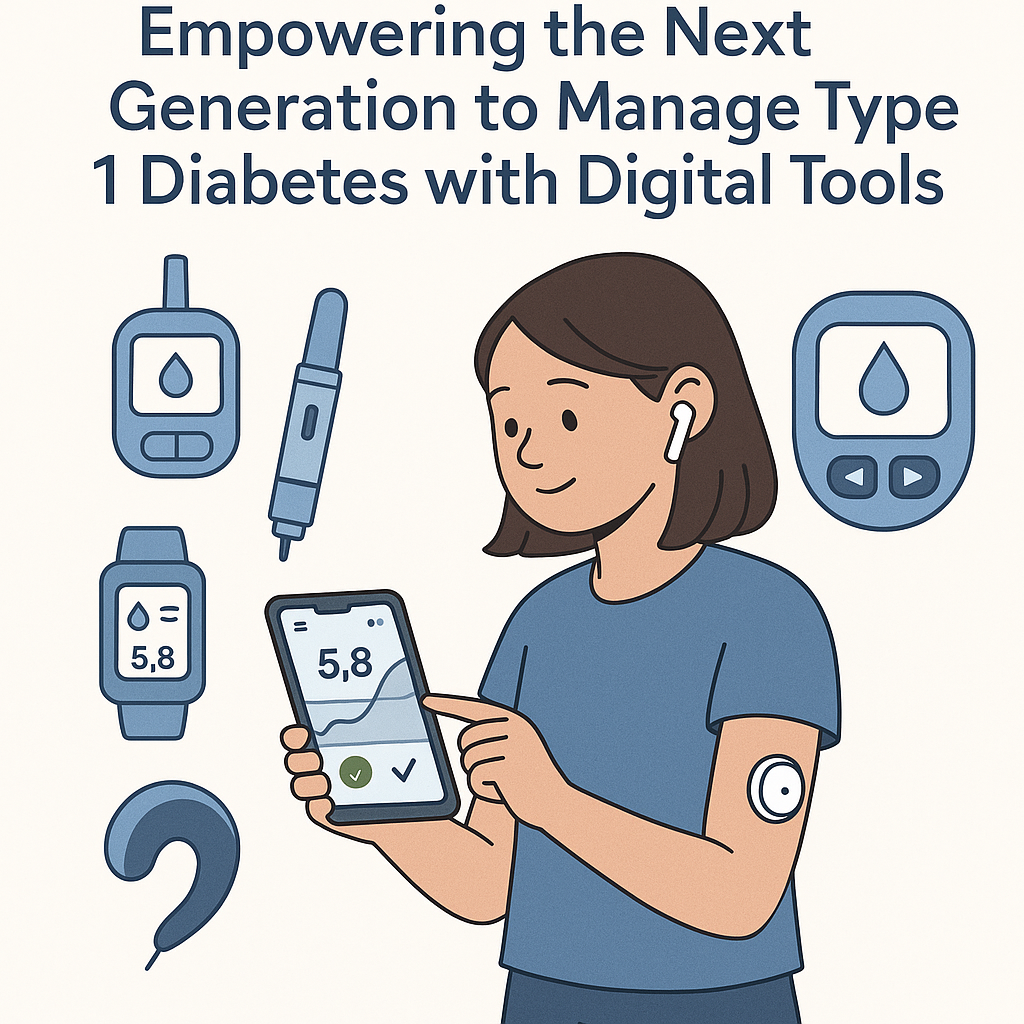
For tech-savvy tweens, digital tools can offer innovative ways to manage their condition more conveniently. Continuous glucose monitors (CGMs) and insulin pumps are two of the most common technological aids used today. CGMs provide real-time blood sugar readings, allowing for timely and accurate adjustments to insulin therapy. Insulin pumps, on the other hand, deliver insulin in a more controlled and consistent manner compared to multiple daily injections. These devices can be especially beneficial for young individuals, offering greater flexibility and helping to maintain more stable blood glucose levels.
In addition to hardware, software applications play a vital role in diabetes management. Mobile apps designed for diabetes can help track blood sugar levels, carbohydrate intake, and physical activity. Many of these apps also include features for setting reminders for medication and meals, generating reports for healthcare providers, and even connecting with peer support communities. However, it’s essential for users to choose applications that are secure and approved by healthcare professionals. Parents and tweens should consult with their healthcare team to identify the most suitable digital tools, ensuring they integrate effectively into the individual’s overall diabetes management plan.
While digital tools can empower tweens to take a more active role in managing their diabetes, they are not a substitute for professional medical advice. Regular consultations with healthcare providers remain critical to address any concerns and adjust treatment plans as needed. It’s also crucial for tweens and their families to stay informed about the latest advancements in diabetes management technologies, as the field is rapidly evolving. By combining state-of-the-art digital tools with strong medical guidance, tweens with type 1 diabetes can lead active and healthy lives, feeling confident in their ability to manage their condition effectively.
3. Practical Guidance
Managing type 1 diabetes as a tech-savvy tween can be a challenging yet empowering journey. Technology offers a plethora of tools that can help make this journey smoother, but knowing how to effectively use these tools in daily life is crucial. First and foremost, it’s important to understand the capabilities and limitations of any digital tool you use, whether it’s a continuous glucose monitor (CGM), insulin pump, or a smartphone app. These devices and applications can provide valuable insights into blood sugar trends, helping you stay informed about your body’s needs. However, remember that these tools are aids and should complement, not replace, regular health check-ins with your healthcare provider.
When integrating technology into your diabetes management, make it a family affair. Encourage open communication with family members about how these tools are used and the data they provide. This can foster a supportive environment where everyone is on the same page, ready to assist when needed. Schedule regular discussions to review the data from your devices together. This not only helps you become more adept at interpreting the information but also enables your family to understand your daily patterns, which can be crucial in any situation where quick decision-making is necessary.
It’s also beneficial to create a routine that includes a balance between technology use and traditional methods of diabetes management. For instance, while a CGM can offer real-time blood glucose readings, it’s still important to have a plan for manual blood glucose testing when necessary, especially if you suspect the CGM might be giving inaccurate readings. Always have a backup plan for technology malfunctions, like a low-tech glucose meter, and ensure you know how to use it effectively.
Moreover, staying informed about new digital tools and updates is an excellent way to make the most out of technology. Attending workshops, joining online forums, or subscribing to newsletters related to diabetes tech advancements can keep you updated. However, before adopting any new tool or feature, discuss it with your healthcare provider to ensure it’s suitable for your individual health needs. They can provide guidance on how to integrate new technologies safely into your routine.
Lastly, it’s essential to listen to your body and recognize when technology might need a helping hand. If you’re experiencing symptoms of hypoglycemia or hyperglycemia that don’t align with your device’s readings, it’s crucial to prioritize your immediate health needs over screen data. Address these symptoms promptly by following your healthcare provider’s advice, and consult them if you have any concerns about your current management plan. With the right balance of technology and personal intuition, you can manage type 1 diabetes effectively while embracing the digital age. Remember, your healthcare team is always your best resource for personalized advice and support.
4. Practical Tips
In an age where technology is interwoven into nearly every aspect of life, tech-savvy tweens with type 1 diabetes can find a wealth of tools designed to make managing their condition a bit easier and even more engaging. Here are some practical tips on leveraging digital tools to empower young individuals in their diabetes management journey.
One of the most transformative tools for diabetes management is the continuous glucose monitor (CGM). These devices offer real-time insights into glucose levels, allowing tweens to see how their daily activities and food choices affect their blood sugar. Many CGMs connect to smartphones or smartwatches, providing discreet alerts for high or low glucose levels. This feature can help tweens maintain more stable blood sugar levels by alerting them to take action before symptoms become severe. It’s important, however, for them to work closely with their healthcare provider to understand how to respond to these alerts appropriately.
Another innovative tool is diabetes management apps, which can serve as a digital diary for tracking food intake, physical activity, insulin doses, and more. Apps like MySugr or Glooko allow users to input data manually or sync with other devices, creating a comprehensive overview of their diabetes management. These apps often offer motivational features, like setting goals or earning rewards for consistent logging. By maintaining a log, tweens can spot trends over time, which can be a helpful discussion point during visits with their healthcare team.
For those who enjoy a bit of gamification, there are also interactive games and platforms designed specifically for kids with diabetes. These games educate users about diabetes in a fun and engaging way, teaching them about carbohydrate counting, insulin action, and other aspects of diabetes care. For example, apps like Carb Counting with Lenny use colorful visuals and interactive challenges to help kids learn about nutrition and carbohydrate management. These educational tools can empower tweens with knowledge, making them feel more confident in their ability to manage their condition.
While these digital tools offer promising support, it’s crucial that tweens and their families consult with their healthcare providers to tailor their diabetes management plans to their unique needs. Not every tool will be suitable for every individual, and professional guidance can ensure that the tools are used safely and effectively to support overall health and well-being.
5. Expert Opinions
Incorporating digital tools into the management of type 1 diabetes for tech-savvy tweens is a topic that has garnered attention from healthcare professionals and researchers alike. Experts generally agree that digital technology can play a pivotal role in empowering young individuals to manage their condition more effectively. Clinicians often highlight the importance of apps and smart devices that track blood glucose levels, provide reminders for insulin administration, and offer nutritional guidance. These tools can be particularly beneficial in helping tweens gain a better understanding of their blood sugar patterns and the impact of diet and activity on their diabetes management.
Healthcare professionals emphasize that while digital tools offer significant advantages, they should be integrated carefully into a comprehensive diabetes care plan. This approach ensures that the technology supports, rather than replaces, traditional diabetes management practices. Experts typically advise that parents and caregivers be actively involved in monitoring and guiding the use of these tools, ensuring that tweens use them correctly and safely. The goal is for these young individuals to gradually gain independence and confidence in managing their condition under the guidance of their healthcare team.
Another point that experts often make is the importance of personalized care. While digital tools can provide general guidance and support, the nuances of diabetes management can vary greatly from one individual to another. Thus, clinicians recommend regular consultations with healthcare providers to tailor diabetes management strategies to the unique needs of each tween. This individualized approach can help optimize the use of technology, ensuring it complements the overall treatment plan effectively.
Moreover, there are discussions among healthcare professionals about the potential psychological benefits of using digital tools. Some experts suggest that these technologies can help reduce the stigma associated with diabetes management, making it easier for tweens to manage their condition discreetly and confidently. However, they also caution against over-reliance on technology, stressing the need for ongoing education about diabetes management beyond just app usage.
In conclusion, while digital tools present promising opportunities for empowering tech-savvy tweens in managing type 1 diabetes, experts consistently advise that their use be thoughtfully integrated into a broader, personalized care plan. As with any health-related matter, it is crucial to consult with a healthcare provider to determine the most appropriate approach for each individual. By doing so, tweens can harness the benefits of technology while ensuring their health and well-being are safeguarded.
6. Misconceptions
Misconceptions about type 1 diabetes can often make managing the condition more challenging, especially for tech-savvy tweens navigating their healthcare with digital tools. One common myth is that type 1 diabetes is caused by poor lifestyle choices, similar to type 2 diabetes. However, type 1 diabetes is an autoimmune condition where the body’s immune system attacks insulin-producing cells in the pancreas. This distinction is critical, as it underscores the importance of understanding the unique challenges and management strategies associated with type 1 diabetes.
Another misconception is that digital tools alone can replace traditional diabetes management practices. While technology such as continuous glucose monitors and insulin pumps can significantly assist in managing blood sugar levels, they are not a standalone solution. These tools should be used in conjunction with a comprehensive management plan developed with a healthcare provider. It’s important for tweens and their families to recognize that digital tools are aids that can make management more convenient and insightful, but they still require human intervention and decision-making.
There’s also a belief that using digital tools is complex and only suitable for tech experts. In reality, many diabetes management apps and devices are designed with user-friendliness in mind, making them accessible even to younger users. With proper guidance and practice, tweens can become proficient in using these tools, helping them gain more control over their condition. Families should seek educational resources and training to ensure effective use of these technologies, and consult healthcare providers to address any concerns.
Lastly, some may think that digital tools eliminate the risk of emergencies such as hypoglycemia. While these tools can provide valuable warnings and data, they cannot entirely prevent such episodes. Understanding the limitations of technology is crucial, and tweens should be prepared to act promptly if they experience symptoms of low blood sugar. It’s vital to have a plan in place and consult with healthcare professionals to tailor strategies that best suit the individual’s needs.
7. Summary
The digital age offers promising tools for managing type 1 diabetes, especially for tech-savvy tweens who are increasingly adept at using technology. With the right digital resources, young individuals can become more empowered to take control of their condition, promoting both independence and health literacy. This technological approach includes various apps and devices that help monitor blood sugar levels, track carbohydrate intake, and even remind users to take their insulin. These tools can provide an engaging way for children to learn about managing their condition, turning what might feel like a burdensome task into an integrated part of their daily routine.
Among the most impactful tools are continuous glucose monitors (CGMs), which provide real-time data on blood sugar levels. For tweens, this can mean fewer finger-prick tests and more accurate information about how their body responds to different foods and activities. Additionally, smartphone apps linked to these monitors can offer alerts for high or low blood sugar levels, helping to prevent potential emergencies. However, while these tools can be incredibly beneficial, they should be used as part of a broader, personalized diabetes management plan developed in consultation with healthcare professionals.
Beyond monitoring, educational apps and online communities can play a supportive role. These platforms often offer educational content tailored to younger audiences, helping to demystify the condition and encourage proactive management. Moreover, online forums and social media groups can provide a sense of community, where tweens can connect with peers who understand their challenges. This digital network can be a source of encouragement and shared experiences, contributing positively to their emotional well-being.
While embracing these digital advancements, it’s crucial for caregivers and healthcare providers to guide tweens in using technology wisely. This includes ensuring that the information provided by apps and devices is accurate and that any concerns about their health are discussed with a doctor. Regular consultations with healthcare professionals remain essential to adjust treatment plans as needed and to address any concerns that may arise. By integrating these digital tools effectively, tweens can build a foundation for managing their type 1 diabetes with confidence and skill, setting the stage for a healthier future.