1. Introduction
Embarking on the school years with type 1 diabetes can be both a challenging and empowering journey for children and their families. Type 1 diabetes is a chronic condition where the pancreas produces little or no insulin, a hormone essential for allowing sugar (glucose) to enter cells to produce energy. Managing this condition requires a diligent routine of monitoring blood sugar levels, administering insulin, and maintaining a balanced diet. As children head into their school years, fostering independence and confidence becomes crucial in managing their diabetes effectively while ensuring they enjoy a fulfilling educational experience.
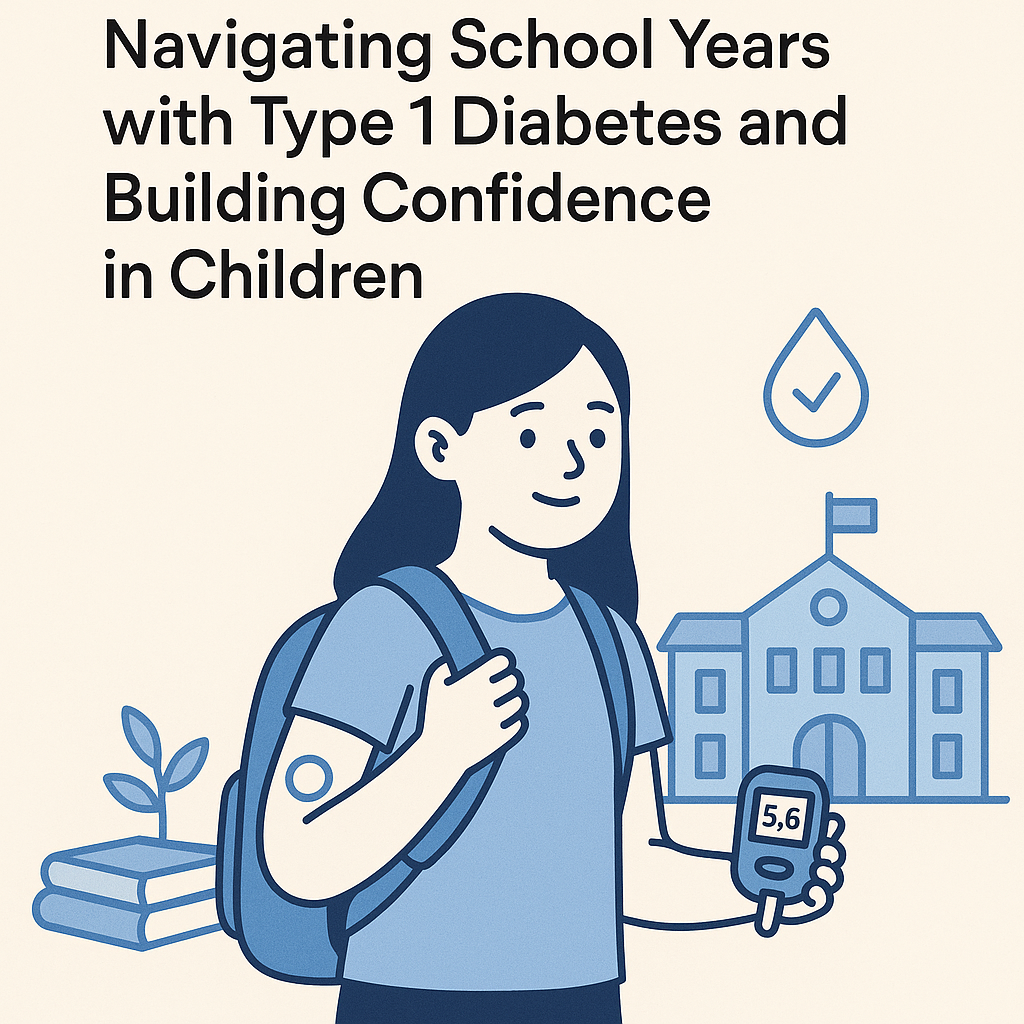
The school environment presents unique challenges and opportunities for children with type 1 diabetes. It’s a place where they not only learn academic subjects but also develop social skills and self-reliance. Encouraging independence in managing type 1 diabetes from an early age can help children feel more in control of their condition and less isolated from their peers. This empowerment comes with understanding their own bodies, recognizing symptoms of high or low blood sugar, and knowing how to respond appropriately. While this process can be daunting, it’s important to remember that each step towards independence can build a child’s confidence and resilience.
Creating a supportive network at school is essential. This involves open communication between parents, children, educators, and school healthcare providers. Teachers and staff should be informed about the child’s condition, what signs to look for, and how to respond in case of an emergency. Schools should also have plans in place to accommodate the child’s healthcare needs, ensuring they have access to necessary resources like snacks or a private area to check blood sugar levels. Collaboration with the school not only ensures the child’s safety but also promotes an environment where they can thrive alongside their classmates.
It’s important to acknowledge that each child’s experience with type 1 diabetes is unique, and the strategies that work for one may not be suitable for another. As children grow, their needs and abilities to manage their condition will evolve. Parents and caregivers should work closely with healthcare providers to tailor an approach that fits the child’s individual needs, keeping in mind that what’s most important is the child’s well-being and comfort. By prioritizing education, support, and open communication, families can help their children navigate the school years with confidence and independence.
2. Medical Overview
Type 1 diabetes is an autoimmune condition characterized by the body’s inability to produce insulin, a hormone crucial for regulating blood sugar levels. Unlike type 2 diabetes, which is often associated with lifestyle factors, type 1 diabetes typically manifests in childhood or adolescence and requires lifelong management. For children navigating their school years, understanding the medical aspects of this condition is essential for maintaining their health and building confidence in managing their diabetes independently.
Insulin therapy forms the cornerstone of type 1 diabetes management. Children with this condition need to administer insulin through injections or insulin pumps to help their bodies process glucose from food. The goal of insulin therapy is to mimic normal pancreatic function, adjusting insulin levels based on food intake, physical activity, and blood glucose readings. However, determining the appropriate insulin regimen can be complex and must be individualized, often requiring adjustments over time. Therefore, it’s crucial for parents and caregivers to work closely with healthcare providers to tailor a management plan that suits the child’s unique needs.
Regular blood sugar monitoring is another critical aspect of managing type 1 diabetes. This involves checking blood glucose levels multiple times a day to ensure they remain within a target range and to make informed decisions about insulin dosing, diet, and physical activity. Modern technology, such as continuous glucose monitors (CGMs), can provide real-time insights and alerts about blood sugar fluctuations, helping children and their caregivers take timely action. Nonetheless, despite technological advances, understanding how to interpret and respond to blood glucose data remains vital, and guidance from healthcare professionals can enhance this understanding.
Children with type 1 diabetes also face the risk of hypoglycemia, or low blood sugar, which can occur due to factors like excessive insulin, delayed meals, or increased physical activity. Symptoms may include shakiness, confusion, or dizziness, and addressing them promptly is important to prevent more serious issues. Educating children on recognizing these symptoms and how to respond—such as by consuming a fast-acting carbohydrate—can empower them to manage these situations effectively. However, if symptoms persist or are severe, seeking medical attention is essential.
Managing type 1 diabetes during school years involves a coordinated approach, including the child, family, school staff, and healthcare providers. Open communication is key to developing strategies that accommodate the child’s needs throughout the school day, such as arranging for blood sugar monitoring, insulin administration, and snack breaks. Encouraging children to take an active role in their diabetes management fosters independence and confidence. Nonetheless, it’s important to remind families that each child’s experience with type 1 diabetes is unique, and ongoing consultation with healthcare providers is essential in navigating the complexities of this condition.
3. Practical Guidance
Navigating the school years with type 1 diabetes involves balancing educational responsibilities with health management, a challenge that both children and parents can tackle through preparation and understanding. Establishing a daily routine is crucial, as it helps children develop a sense of normalcy and control over their condition. Begin by working closely with your child’s healthcare team to create a comprehensive diabetes management plan that fits their school schedule. This plan should include details about insulin administration, blood sugar monitoring, and dietary requirements. Sharing this plan with school staff, like teachers and nurses, ensures they are aware of your child’s needs and can provide support when necessary.
Education is another key component. Encourage your child to learn about diabetes and its management, fostering a sense of empowerment and independence. This understanding can be built gradually, starting with simple concepts and progressing to more complex aspects as they grow older. Additionally, consider organizing a small educational session with your child’s classmates to explain diabetes in an age-appropriate manner. This can help demystify the condition, reduce stigma, and encourage empathy and support from peers.
Practical tools and technology can also play a significant role in everyday management. Devices such as continuous glucose monitors (CGMs) and insulin pumps can provide more consistent monitoring and delivery, which can be particularly beneficial during school hours where direct supervision might be limited. Make sure your child is comfortable using these devices and knows how to troubleshoot common issues. However, as technology is not a one-size-fits-all solution, it’s important to consult with your healthcare provider to determine what options are best suited to your child’s needs.
Incorporating healthy lifestyle habits is essential for managing type 1 diabetes effectively. Encourage regular physical activity, which can help stabilize blood sugar levels, improve mood, and boost confidence. Ensure that your child understands the importance of monitoring blood sugar levels before and after exercise. Nutrition is equally important; work with a dietitian if possible to develop a balanced meal plan that includes appropriate snacks to maintain energy levels throughout the school day. Making healthy food choices together can empower your child to take control of their diet.
Finally, fostering open communication is vital. Encourage your child to express their feelings about living with diabetes and listen to their concerns. This dialogue not only strengthens your relationship but also helps identify any challenges they may be facing in managing their condition at school. By working together, you can develop strategies to overcome these obstacles, ensuring that your child feels supported and confident in managing their diabetes independently. Always remind them that they are not alone and that seeking help from teachers, friends, or healthcare professionals is a sign of strength, not weakness.
4. Practical Tips
Empowering children with type 1 diabetes to navigate their school years independently involves practical strategies that build confidence and ensure safety. One important step is to establish a comprehensive diabetes management plan with the school. This plan can include clear instructions for teachers and school nurses about monitoring blood sugar levels, recognizing symptoms of hypo- or hyperglycemia, and taking appropriate actions. By involving school staff, children can feel supported and understood, knowing there’s a team ready to help them manage their condition. Parents should regularly communicate with school personnel to update this plan as needed, ensuring it aligns with the child’s current health status.
Encouraging children to take an active role in their diabetes management is another crucial strategy. This could mean teaching them to count carbohydrates in their lunch or snacks, which can help them make informed decisions about their food intake. For instance, parents can practice reading nutrition labels with their children, gradually building their skills in estimating carbohydrate content. This knowledge empowers children to make decisions about what they eat and how it affects their blood sugar levels, fostering a sense of control and independence. It’s important for parents to guide their children through these learning experiences, gradually giving them more responsibility as they become more confident.
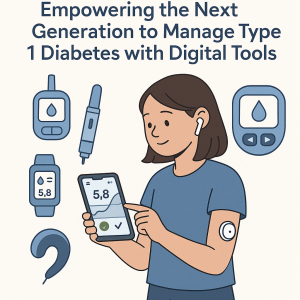
Another practical tip is to use technology to aid diabetes management. Many children find confidence in using tools like continuous glucose monitors (CGMs) or insulin pumps, which provide real-time data and help manage insulin delivery. These devices can be paired with smartphone apps that offer insights into blood sugar trends, making it easier for children to understand and manage their condition. Parents can work with their healthcare team to determine the best technological aids for their child’s specific needs and ensure their child understands how to use these tools effectively.
Finally, encouraging peer support can be beneficial. Children may feel more confident managing their diabetes if they know they’re not alone. Connecting with other children who have type 1 diabetes, either through support groups or diabetes camps, can provide an invaluable sense of community. These interactions allow children to share experiences and tips, normalizing the challenges they might face and offering encouragement from peers who truly understand their situation.
While these strategies can be helpful, it’s important to remember that each child’s needs may differ. Parents and caregivers should work closely with healthcare providers to tailor approaches that suit their child’s unique circumstances. Regular consultations with a healthcare professional can ensure that the child’s diabetes management plan is effective and adaptable to changes as they grow and their school environment evolves.
5. Expert Opinions
When it comes to empowering children with type 1 diabetes to navigate their school years confidently, expert opinions emphasize a balanced approach that intertwines medical management with emotional and social support. Clinicians generally recommend that an individualized diabetes management plan be developed in collaboration with healthcare providers, educators, and the family. This plan should cover key elements such as monitoring blood glucose levels, insulin administration, and recognizing signs of hypoglycemia or hyperglycemia. Experts underscore the importance of educating school staff to ensure they understand the child’s needs and can respond appropriately in case of an emergency.
Beyond the technical aspects of diabetes management, experts highlight the significance of fostering a supportive environment that encourages self-reliance and independence. This involves gradually teaching children to take responsibility for their care, which can significantly enhance their confidence and self-esteem. Role-playing different scenarios, such as what to do if they feel low during a test, can be an effective way to prepare children for real-life situations. However, experts caution that the level of independence should be tailored to each child’s age, maturity, and personal comfort, and it’s crucial that parents and healthcare providers remain involved and available for guidance.
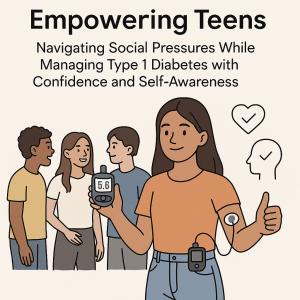
Social interactions are also a vital part of school life, and experts often suggest strategies to help children with type 1 diabetes feel included and understood by their peers. This might involve classroom presentations or discussions to educate classmates about diabetes, demystifying the condition and reducing stigma. Encouraging children to talk openly about their diabetes with friends can help create a network of peer support, which can be invaluable during challenging times.
Importantly, experts remind parents and caregivers that while it’s beneficial to aim for independence, it should not come at the expense of safety. Open communication between the child, family, and school staff is essential to ensure everyone is on the same page. It’s also recommended that any changes in the child’s health or diabetes management plan be promptly shared with all relevant parties. As these needs can vary greatly from one child to another, consulting with the child’s healthcare team is crucial for personalized guidance.
Ultimately, experts advocate for an approach that balances autonomy with support, recognizing that every child’s journey with type 1 diabetes is unique. By equipping children with the skills and confidence to manage their condition, parents and educators can help lay a strong foundation for a healthy, independent future. As always, ongoing communication with a healthcare professional is recommended to tailor strategies to the child’s specific needs and circumstances.
6. Misconceptions
When it comes to type 1 diabetes, misconceptions can create unnecessary challenges, especially for children navigating their school years. One common misconception is that type 1 diabetes is caused by lifestyle factors, such as poor diet or lack of exercise. In reality, type 1 diabetes is an autoimmune condition where the body’s immune system mistakenly attacks insulin-producing cells in the pancreas. It’s important for school staff and peers to understand that children with type 1 diabetes did not cause their condition and managing it requires ongoing medical care and attention.
Another widely held myth is that children with type 1 diabetes cannot participate in regular school activities, such as sports or field trips. With proper planning and management, children with type 1 diabetes can engage fully in school life. This includes having access to necessary supplies and support from teachers and school nurses. Educating the school community on diabetes management can help dispel this myth, allowing children to participate confidently and safely in all activities.
Additionally, some people mistakenly believe that type 1 diabetes can be outgrown or cured. While research is ongoing, currently, there is no cure for type 1 diabetes, and those affected will need to manage their condition throughout their lives. Emphasizing the importance of ongoing management, rather than seeking a non-existent cure, helps children focus on effective daily care and build resilience. It’s beneficial for parents and caregivers to work closely with healthcare providers to tailor diabetes management to their child’s individual needs.
Misunderstandings about hypoglycemia (low blood sugar) can also be a source of concern. Some might assume that a child experiencing low blood sugar can simply “tough it out” without immediate intervention. In reality, hypoglycemia requires prompt treatment to prevent more serious complications. It’s crucial for those around children with type 1 diabetes to recognize the signs of hypoglycemia and know how to respond appropriately. Ensuring the child feels comfortable seeking help when needed is part of fostering independence and confidence.
Finally, there’s the belief that children with type 1 diabetes are fragile or cannot manage their condition independently. While type 1 diabetes is a serious condition, children can learn to manage their diabetes with the right support and education. Encouraging self-management skills, such as checking blood sugar levels and understanding how food affects their condition, empowers children to take an active role in their health. Parents and educators can work together to provide an environment that supports learning and independence, helping to dispel this myth and build the child’s confidence.
Addressing these misconceptions is crucial for creating a supportive environment that empowers children with type 1 diabetes to navigate their school years confidently. Encouraging open communication with healthcare providers can help ensure that children receive personalized care and support tailored to their unique needs, promoting both their health and their independence.
7. Summary
Empowering children with type 1 diabetes to navigate their school years independently requires a thoughtful and supportive approach. It involves not only understanding the medical aspects of diabetes management but also fostering an environment where children feel confident in managing their condition. School can be a dynamic landscape, where children must balance academic responsibilities, social interactions, and the need to monitor their health. By developing a robust support system and encouraging open communication, parents, caregivers, and educators can help empower these children to take charge of their daily diabetes management.
One of the most critical elements is education. Teaching children about their condition in age-appropriate ways can help them understand the importance of monitoring blood glucose levels, recognizing symptoms of hypo- or hyperglycemia, and knowing when to seek help. This education should be reinforced by regular discussions with their healthcare team, ensuring that any questions or concerns are promptly addressed. For individualized medical guidance, it’s crucial to consult with their healthcare provider, who can offer tailored advice and adjustments to their management plan.
Creating an inclusive school environment is another vital component. Educators and school staff should be informed about the needs of students with type 1 diabetes, including recognizing the signs of low blood sugar and knowing how to respond effectively. Having a detailed diabetes management plan in place at school can ensure that staff are prepared to support the student, helping to prevent potential emergencies and ensuring the child feels secure and understood. Regular meetings between parents, healthcare providers, and school personnel can facilitate this understanding and ensure everyone is on the same page.
Encouraging self-advocacy is also a step towards independence. Children should be encouraged to speak up about their needs and feel comfortable explaining their condition to peers and adults alike. This not only builds confidence but also fosters a sense of control over their health and well-being. Empowering children to make informed choices about their health, under the guidance of their healthcare team, can pave the way for a smoother transition into adolescence and adulthood.
Finally, emotional support plays an indispensable role. Living with type 1 diabetes can be challenging, and children may experience a range of emotions from frustration to anxiety. Open conversations about these feelings, along with access to counseling or support groups, can provide a safe space for children to express their concerns and learn coping strategies. With the right support, children can learn to manage not only the physical aspects of their condition but also the emotional challenges it may present.
In summary, empowering children with type 1 diabetes during their school years is about more than managing blood sugar levels—it’s about building a foundation of knowledge, support, and confidence that allows them to thrive both in and out of the classroom. By fostering an environment of understanding and collaboration, children can develop the skills they need to navigate their condition with greater independence and success.