1. Introduction
Balancing the demands of parenthood with managing type 1 diabetes can feel like juggling two full-time roles. It’s a reality that many parents face, navigating the challenges of maintaining their health while creating a nurturing and joyful environment for their family. Type 1 diabetes, an autoimmune condition where the body does not produce insulin, requires constant vigilance and management. This includes monitoring blood sugar levels, administering insulin, and making nutritional choices that stabilize glucose levels. For parents, these responsibilities are compounded by the endless tasks of raising children, from school runs to bedtime stories. Yet, thriving in this dual role is not only possible but can also be a rewarding journey with the right strategies and mindset.
Understanding that managing type 1 diabetes while being present for your family doesn’t have to be mutually exclusive is essential. With careful planning, open communication, and support systems, you can navigate these dual responsibilities effectively. This involves not only mastering the technical aspects of diabetes management but also fostering a supportive environment where your health needs are recognized and respected by those around you. Engaging your family in understanding type 1 diabetes can create a team dynamic, where family members are aware of your needs and can offer assistance when necessary. This collective approach can alleviate some of the stress and uncertainty that can accompany diabetes management.
One of the most crucial steps in balancing diabetes care with parental duties is prioritizing self-care. This may seem counterintuitive when your instinct is to focus solely on your children, but maintaining your health is integral to being able to care for them effectively. Self-care can include ensuring regular check-ups with your healthcare provider, who can offer tailored advice and adjustments to your management plan as needed. It’s important to remember that individual needs can vary widely, and what works for one person may not work for another. Therefore, consultation with your healthcare provider about your specific circumstances is essential to finding the most suitable strategies for your lifestyle.
Ultimately, the aim is not just to manage, but to thrive. By integrating diabetes management into your family life, rather than seeing it as a separate or invasive element, you can create an environment where both your health and family life flourish. This involves flexibility, patience, and a willingness to adapt as situations change. Encouragingly, many parents with type 1 diabetes find that this journey can also lead to a deeper understanding of their health and a greater appreciation for the moments they share with their family. With practical strategies and a supportive network, the balance between parenthood and diabetes management can be achieved, allowing you to enjoy family time without compromising your well-being.
2. Medical Overview
Type 1 diabetes is a chronic condition characterized by the pancreas’s inability to produce insulin, a hormone crucial for regulating blood glucose levels. This autoimmune disease often manifests during childhood or adolescence, although it can appear in adults as well. Unlike type 2 diabetes, which is influenced by lifestyle and genetic factors, type 1 diabetes is primarily due to an autoimmune response where the body’s immune system mistakenly targets and destroys the insulin-producing beta cells in the pancreas. Consequently, individuals with type 1 diabetes require lifelong management involving regular insulin administration, be it through injections or an insulin pump, to maintain blood sugar levels within a healthy range.
Managing type 1 diabetes effectively involves a balance of insulin therapy, diet, and physical activity. Each person’s management plan is highly individualized, reflecting their unique health needs, lifestyle, and preferences. Monitoring blood glucose levels is a critical part of this process, helping individuals understand how various factors such as food intake, exercise, stress, and illness impact their blood sugar. This information guides adjustments in insulin dosing and other self-care decisions. Understanding the nuances of these interactions can be complex, especially for parents juggling the responsibilities of family life. It’s essential for individuals and families affected by type 1 diabetes to work closely with healthcare professionals to develop and refine a management plan tailored to their specific needs.
Hypoglycemia, or low blood sugar, is a potential risk when balancing insulin therapy and daily activities. Symptoms can include shakiness, confusion, irritability, and if severe, can lead to unconsciousness. Recognizing and treating hypoglycemia promptly is crucial. For instance, consuming fast-acting carbohydrates like glucose tablets or juice can help raise blood sugar levels quickly. However, it’s important to follow up with more substantial food to stabilize blood sugar further. Parents balancing type 1 diabetes with family responsibilities should ensure they are prepared for such events, both at home and on the go. Importantly, before resuming any activity, confirming that blood sugar levels have returned to a safe range is necessary to prevent further complications.
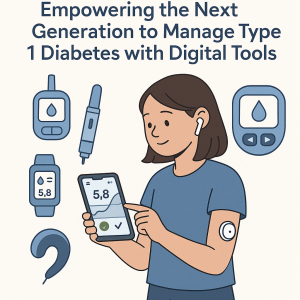
While the challenges of managing type 1 diabetes alongside parenting are significant, advances in technology such as continuous glucose monitors (CGMs) and insulin pumps offer valuable support. These tools can provide real-time data and greater flexibility in managing blood glucose levels. However, the decision to use these technologies should be made in consultation with a healthcare provider, considering the individual’s lifestyle, preferences, and financial considerations. Additionally, staying informed about new developments in diabetes care and maintaining regular check-ups can empower individuals to make informed decisions about their health.
Ultimately, balancing parenthood and type 1 diabetes requires a thoughtful approach, combining effective diabetes management strategies with the joys and duties of family life. Seeking support from healthcare providers, diabetes educators, and peer support groups can provide valuable insights and encouragement. By fostering open communication and collaboration within the family and with healthcare teams, parents can create an environment where both their health and family life can thrive.
3. Practical Guidance
Balancing the demands of parenthood with the daily management of type 1 diabetes can indeed be challenging, but it is possible to thrive with some practical strategies and planning. Prioritizing self-care is a crucial first step, as managing your own health effectively allows you to be fully present for your family. This means regularly monitoring your blood glucose levels, adhering to your treatment plan, and maintaining regular check-ups with your healthcare provider. It’s important to remember that managing diabetes is not a solitary journey; involve your family so they can support you and understand your needs. Educate them about the symptoms of hypo- and hyperglycemia, and ensure they know how to assist you if needed.
Incorporating diabetes management into your daily routine can create a smoother balance between your responsibilities and health needs. Consider setting reminders on your phone for medication times, meals, and glucose checks. Use technology to your advantage by utilizing apps and devices that can help track your blood sugar levels and alert you to any changes. Planning meals in advance can also be beneficial, not only for maintaining stable glucose levels but also for ensuring family meals are nutritious and enjoyable for everyone. Involve your children in meal preparation when possible; this can be an educational experience for them and a bonding opportunity for your family.
Staying active is another essential aspect of managing type 1 diabetes, and it can also be a family-friendly activity. Whether it’s a daily walk, playing at the park, or a weekend hike, find activities that keep you moving and include your children. Exercise can help in managing blood sugar levels and also provides an opportunity for quality family time. Always keep a close eye on your glucose levels before, during, and after physical activities, and carry a small snack or glucose tablets to treat any signs of hypoglycemia promptly. It’s crucial to treat low blood sugar immediately and confirm recovery before continuing any physical activity.
Communication is key in balancing diabetes management with parenting. If you’re feeling overwhelmed, communicate your feelings with your partner or support network. They may be able to help with childcare or household tasks, giving you some much-needed time to focus on your health. Joining a support group, whether online or in-person, can also provide valuable insights and camaraderie from others who understand your experiences. Sharing tips and strategies with other parents managing diabetes can be incredibly reassuring.
Finally, remember that it’s okay to ask for help. Whether it’s delegating tasks or seeking advice from your healthcare team, support is crucial in maintaining balance. Your healthcare provider can offer guidance tailored to your specific needs, so don’t hesitate to reach out when necessary. By integrating these practical strategies into your daily life, you can manage your type 1 diabetes effectively while enjoying the joys of parenthood.
4. Practical Tips
Balancing the demands of parenthood with managing type 1 diabetes can be a juggling act, but practical strategies can make it more manageable. One approach is to integrate diabetes management into your family’s routine in a way that feels natural and inclusive. For example, involve your children in meal planning and preparation. This not only educates them about nutrition and the importance of a balanced diet but also provides an opportunity to prepare diabetes-friendly meals that everyone can enjoy. Making meal planning a family activity can reduce stress and help you maintain better blood sugar control without compromising family time.
Another practical tip is to make use of technology to streamline diabetes management tasks. Devices like continuous glucose monitors (CGMs) and insulin pumps can provide real-time data and automated insulin delivery, which can reduce the mental burden of constant self-monitoring. Many of these devices also have smartphone apps that allow you to share data with family members. This way, your partner or older children can have access to your blood sugar trends and be more supportive and understanding of your needs. However, it’s important to remember that device settings and any changes in management should be discussed with your healthcare provider to ensure they align with your personal health needs.
Lastly, create a family emergency plan that includes steps to take during a diabetes-related issue, such as hypoglycemia. Discuss with your family how they can help if you experience low blood sugar, and practice these scenarios so everyone feels prepared. For instance, designate specific roles, like who will retrieve a quick source of sugar or call for medical help if needed. Encouraging open communication about your condition and involving your family in preparedness can alleviate anxiety and ensure everyone knows how to respond in a supportive manner. It’s crucial to always prioritize treating low blood sugar immediately and ensure full recovery before resuming activities.
By weaving diabetes management into your family life, leveraging technology, and preparing for emergencies, you can create a supportive environment that allows you to thrive as a parent without sacrificing time or joy with your family. Remember, consulting with your healthcare team can provide tailored advice and further resources to help you navigate parenthood with type 1 diabetes effectively.
5. Expert Opinions
Balancing parenthood with type 1 diabetes involves unique challenges, but expert guidance can help families thrive without sacrificing precious time and joy with loved ones. Healthcare professionals often emphasize the importance of integrating diabetes management into daily routines in a way that feels natural and sustainable. For instance, incorporating family-friendly meal planning can ensure consistent carbohydrate intake and glucose monitoring while engaging the whole family in healthy habits. Experts suggest that making diabetes care a family affair not only aids in maintaining blood sugar levels but also promotes a supportive environment where everyone is involved and informed.
Clinicians also highlight the significance of open communication within the family unit. Regular discussions about diabetes management can demystify the condition for children and spouses, reducing stress and fostering understanding. This transparency can be especially beneficial during social activities or unexpected changes in routine, such as travel or family outings. In these scenarios, having a well-informed family can help prevent and address potential issues, like hypoglycemia, more effectively. Experts advise families to establish emergency plans that are clear and easy to follow, ensuring everyone knows how to react promptly and appropriately in case of sudden blood sugar changes. However, they also caution against self-managing serious situations without professional guidance, underscoring the importance of consulting healthcare providers for tailored advice.
Another critical aspect that experts discuss is the mental and emotional well-being of parents managing type 1 diabetes. Healthcare providers often recommend that individuals prioritize self-care and seek support networks, whether through professional counseling or peer groups. These resources can provide valuable strategies for coping with the demands of diabetes management while nurturing a positive family dynamic. Parents are encouraged to take time for themselves, allowing them to recharge and better engage with their loved ones. Experts also remind families that healthcare teams are there to support them, offering guidance on both medical and lifestyle aspects of diabetes care. By working closely with healthcare professionals, families can develop personalized strategies that fit their unique needs and circumstances.
Ultimately, expert opinions converge on the idea that balancing parenthood and type 1 diabetes is not about perfection but about creating a harmonious lifestyle where health and happiness coexist. Families are encouraged to adopt a flexible yet mindful approach, adapting strategies as needed and celebrating small victories along the way. By doing so, they can create a nurturing environment where every family member feels supported and valued. As always, any changes or concerns about diabetes management should be discussed with a healthcare professional to ensure safety and efficacy tailored to individual circumstances.
6. Misconceptions
Misconceptions about type 1 diabetes can create unnecessary hurdles for parents trying to balance the demands of managing their condition with family life. One common misunderstanding is the belief that type 1 diabetes is the result of lifestyle choices, such as poor diet or lack of exercise, similar to type 2 diabetes. In reality, type 1 diabetes is an autoimmune condition where the body’s immune system attacks insulin-producing cells in the pancreas. This misconception can lead to unwarranted guilt and stress for parents, who may worry about the example they are setting for their children.
Another frequent misconception is that people with type 1 diabetes cannot lead active, fulfilling lives. While it’s true that managing the condition requires vigilance and planning, many individuals with type 1 diabetes successfully engage in sports, travel, and other family activities. The key is learning how to integrate diabetes management into daily routines without letting it overshadow family experiences. This can involve preparing for unexpected events, like blood sugar fluctuations, and teaching family members about signs of low blood sugar so everyone can be prepared to help if needed.
Some people assume that children of parents with type 1 diabetes are destined to develop the condition themselves. While genetics can play a role, it’s important to remember that having a parent with type 1 diabetes does not guarantee a child will develop it. Understanding the actual risks, which a healthcare professional can help elucidate, can alleviate unnecessary anxiety and help parents focus on fostering a healthy lifestyle for their families.
There’s also the myth that insulin therapy is a failure of self-care or that needing insulin adjustments is a sign of poor management. Parents managing type 1 diabetes might feel self-conscious about their condition in front of their children. However, insulin is a crucial part of treatment, and adjustments are a normal part of effective diabetes management. It’s essential to normalize these aspects of diabetes care within the family, so children understand it’s part of keeping their parent healthy.
Lastly, some parents fear that sharing their experiences with type 1 diabetes might cause undue worry for their children. While it’s important to communicate in age-appropriate ways, openness can help demystify the condition and foster a supportive environment. By dispelling myths and sharing accurate information, parents can empower their children to become allies in their diabetes management journey.
Addressing these misconceptions requires patience and education. Encouraging open dialogue and consulting with healthcare providers for tailored advice can be invaluable. By understanding and overcoming these myths, parents can create a more supportive and balanced family life while managing type 1 diabetes effectively.
7. Summary
Balancing the demands of parenthood with the management of type 1 diabetes can feel overwhelming, but with thoughtful strategies and support, it is possible to thrive without sacrificing family time and joy. This journey is not without its challenges, but understanding and embracing these can lead to a more harmonious family life. Central to this balance is the adoption of flexible routines that accommodate both the unpredictable nature of diabetes and the dynamic needs of family life. By developing a plan that integrates diabetes management into daily family activities, parents can create an environment where health and happiness coexist.
Effective communication is another cornerstone of balancing parenthood and type 1 diabetes. Openly discussing needs and concerns with family members, healthcare providers, and a supportive community can provide invaluable perspectives and assistance. Engaging in honest conversations with children about diabetes, tailored to their age and understanding, is crucial. This not only fosters empathy but also equips children with knowledge that can empower them to be supportive and understanding allies in the family’s shared journey.
Utilizing technology and community resources can also play a significant role in managing type 1 diabetes while enjoying quality family time. Modern diabetes management tools, such as continuous glucose monitors and insulin pumps, offer conveniences that allow for more spontaneous and flexible family activities. Additionally, connecting with local and online communities can offer support, practical tips, and a sense of belonging, helping to reduce the isolation that can sometimes accompany chronic illness.
Practicing self-care is essential for parents managing type 1 diabetes. Prioritizing personal health and well-being is not only beneficial for the individual but also sets a positive example for the entire family. This might involve carving out time for physical activity, engaging in stress-reducing practices like meditation, or simply ensuring adequate rest. While self-care may sometimes feel secondary to family responsibilities, it is a vital component of maintaining the energy and resilience needed for effective diabetes management and parenting.
Ultimately, while the management of type 1 diabetes in the context of parenthood requires diligent planning and adaptation, it is entirely possible to lead a fulfilling family life. By embracing supportive strategies, fostering open communication, and prioritizing self-care, parents can navigate this path with confidence. However, it is important to remember that every individual’s experience with diabetes is unique, and working closely with healthcare providers can help tailor a plan that best fits personal and family needs. With the right tools and mindset, families can indeed thrive while managing type 1 diabetes, cherishing time together and creating joyful memories.