1. Introduction
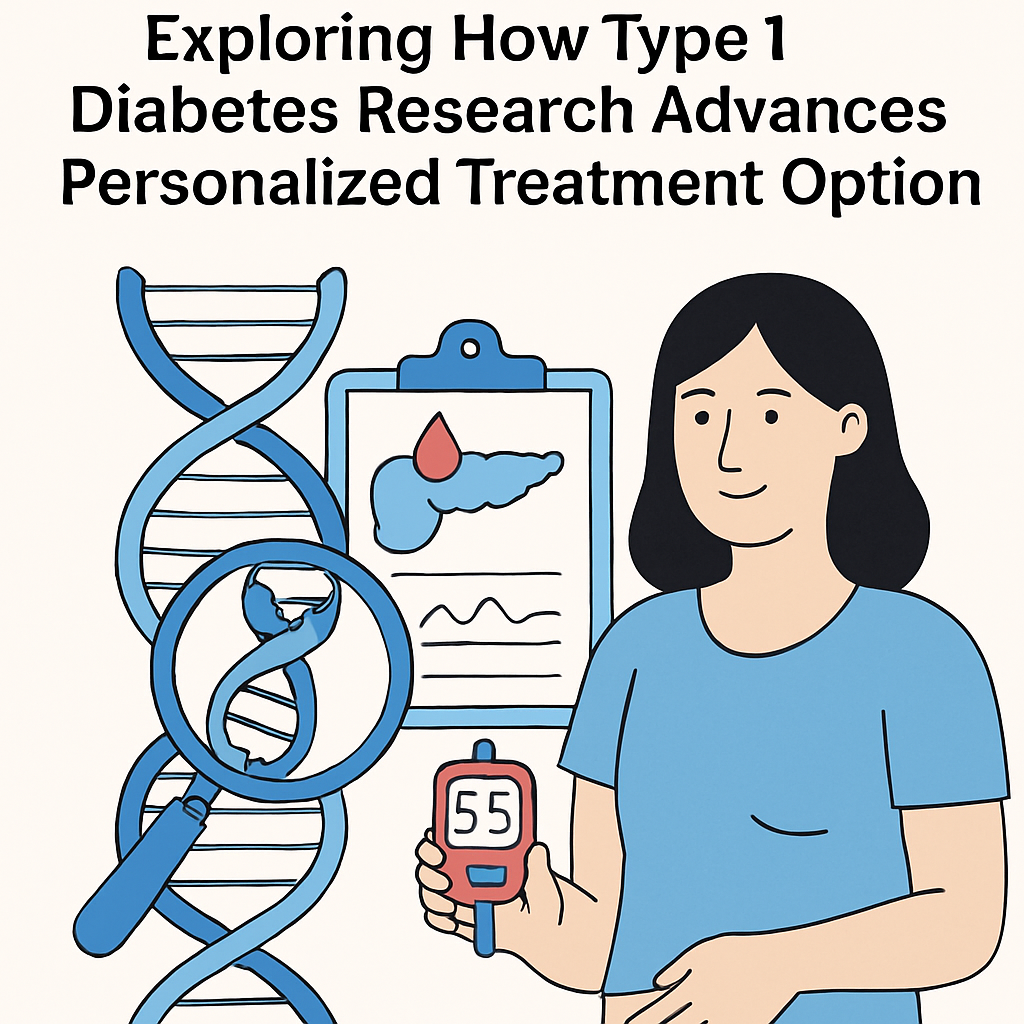
Type 1 diabetes, a chronic condition characterized by the pancreas’s inability to produce insulin, presents a complex interplay of genetic and environmental factors. Unlike type 2 diabetes, which is often linked to lifestyle, type 1 diabetes is primarily an autoimmune disorder. It occurs when the body’s immune system mistakenly targets and destroys insulin-producing beta cells in the pancreas. Understanding the genetic underpinnings of this condition is crucial, as it can pave the way for more personalized and effective treatment strategies. Recent advancements in genetic research are offering fresh insights into how individual genetic makeup can influence the development and management of type 1 diabetes.
Research into the genetic aspects of type 1 diabetes has made significant strides in recent years. Scientists are identifying specific genes and genetic markers associated with an increased risk of developing the condition. These discoveries are not just academic; they hold the potential to transform how we approach treatment. By understanding which genetic factors contribute to the onset and progression of type 1 diabetes, researchers can work toward developing therapies that are tailored to an individual’s genetic profile. This personalized approach aims to improve outcomes and enhance quality of life for those living with the disease.
The growing field of pharmacogenomics, which studies how genes affect a person’s response to drugs, offers promising prospects for type 1 diabetes management. With a deeper genetic understanding, healthcare providers may soon be able to prescribe treatments that are more effective for certain genetic profiles, potentially reducing the risk of complications. For instance, some genetic variations might affect how a person metabolizes insulin or responds to specific medications. Armed with this knowledge, doctors could tailor treatment plans to better align with their patients’ genetic predispositions, aiming for more precise control over blood glucose levels.
While the promise of genetic research in type 1 diabetes is exciting, it is important to note that these advancements are still a work in progress. Many factors, including environmental triggers, also play a significant role in the disease’s development. Therefore, any changes in management or treatment approaches should be discussed with a healthcare professional who understands the nuances of the condition and can provide guidance tailored to individual needs. As research continues to evolve, staying informed and collaborating with healthcare providers can ensure that individuals with type 1 diabetes receive the most up-to-date and effective care available.
2. Medical Overview
Type 1 diabetes is a complex autoimmune condition characterized by the destruction of insulin-producing beta cells in the pancreas. Unlike type 2 diabetes, which is often associated with lifestyle factors, type 1 diabetes is primarily influenced by genetic and environmental factors. This type of diabetes often manifests in childhood or adolescence, although it can occur at any age. The exact cause remains a mystery, but researchers believe that a combination of genetic predisposition and environmental triggers, such as viral infections, may play a significant role in its development.
In type 1 diabetes, the immune system mistakenly attacks and destroys the beta cells, leading to little or no insulin production. Insulin is a crucial hormone that helps glucose enter cells to be used for energy. Without sufficient insulin, glucose accumulates in the bloodstream, resulting in high blood sugar levels. Managing type 1 diabetes requires lifelong insulin therapy to maintain blood glucose within a target range, often through multiple daily injections or the use of an insulin pump. However, insulin therapy must be carefully managed to avoid both hyperglycemia (high blood sugar) and hypoglycemia (low blood sugar), which can have serious health implications.
The genetic component of type 1 diabetes is an area of active research, as understanding the specific genes involved may lead to more personalized treatment approaches. Certain genes involved in the immune response, such as those in the human leukocyte antigen (HLA) complex, have been found to increase susceptibility to type 1 diabetes. However, not everyone with these genetic markers will develop the condition, highlighting the importance of environmental factors and their interplay with genetics. Advances in genetic research are helping to identify individuals at higher risk, potentially allowing for earlier intervention strategies that could delay or prevent the onset of the disease.
Personalized treatment options in type 1 diabetes research are emerging, thanks to a deeper understanding of genetic influences and immune system behavior. For example, researchers are exploring the potential of immunotherapy to modify the immune response, aiming to preserve remaining beta cell function or prevent further destruction. Additionally, efforts in gene therapy and beta cell transplantation offer promising avenues for future treatment innovations. While these approaches are still largely experimental, they underscore the importance of ongoing research in moving towards more individualized and effective management of type 1 diabetes.
It is crucial for individuals with type 1 diabetes to work closely with their healthcare providers to tailor their treatment plans to their specific needs. As research progresses, the hope is that these advancements will not only improve the quality of life for those affected but also pave the way for more personalized and potentially preventive strategies. Always consult with a healthcare professional to understand the most appropriate and up-to-date treatment options for managing type 1 diabetes.
3. Practical Guidance
Managing type 1 diabetes involves a delicate balance of monitoring blood sugar levels, administering insulin, maintaining a balanced diet, and staying physically active. As research into the genetic underpinnings of the condition progresses, it is becoming increasingly possible to tailor these management strategies to fit individual needs more precisely. Personalized treatment options are emerging from our growing understanding of genetics, offering practical guidance for daily life with type 1 diabetes.
One key aspect of daily management is understanding how different foods affect blood sugar levels. While general recommendations exist, the impact of food can vary from person to person. Keeping a food diary and using a continuous glucose monitor (CGM) can help identify patterns and make informed decisions. For instance, some individuals may find that their blood sugar spikes with certain types of carbohydrates, while others might not experience the same effect. Discussing these observations with a healthcare provider can lead to adjustments in diet that better suit individual physiological responses.
Exercise is another crucial component, but its effects on blood sugar can be unpredictable. Some people experience a drop in blood sugar during or after physical activity, while others may see a rise. Using data from a CGM, individuals can track how different types and durations of exercise affect their blood glucose levels. With this information, they can plan their insulin and dietary intake around activities to maintain balance. It is important to consult with a healthcare professional to develop an exercise plan that considers personal health goals and safety.
Advances in genetic research are also paving the way for more precise insulin therapy. Understanding genetic variations can help in predicting how an individual’s body might respond to different types of insulin. This knowledge can guide the selection of insulin types and regimens that align better with an individual’s metabolic profile, potentially improving glucose control. However, any changes to insulin therapy should be made under the guidance of a healthcare provider.
In addition to these strategies, staying informed about the latest research and treatment options is beneficial. Engaging with support groups and educational resources can provide insights and encouragement from others who face similar challenges. Regular communication with a healthcare team is essential to address any changes in symptoms or new developments in research that might influence treatment plans.
While managing type 1 diabetes requires constant attention, the evolving landscape of personalized treatment options offers hope for more effective and individualized care. By integrating genetic insights with daily management strategies, individuals can optimize their health outcomes. Always consult with healthcare professionals to tailor these approaches to your unique needs and circumstances.
4. Practical Tips
As research in type 1 diabetes continues to evolve, practical applications of these findings offer promising avenues for personalized treatment strategies. Here are some practical tips inspired by recent research advances that individuals with type 1 diabetes might find useful. However, it’s important to remember that personal medical management should always be discussed with a healthcare provider.
One area of advancement is the use of continuous glucose monitoring (CGM) systems. These devices have become increasingly sophisticated, providing real-time data on blood glucose levels. Practical use of CGM can help individuals understand their body’s unique responses to various factors, such as meals, exercise, and stress. For instance, by analyzing patterns in CGM data, one might notice how certain foods affect their blood sugar differently than expected, allowing them to adjust their meal planning accordingly. These insights can be invaluable for making informed decisions about day-to-day diabetes management.
Another practical application of genetic research is the potential for more precise insulin dosing. While insulin therapy remains a cornerstone of type 1 diabetes management, advances in understanding genetic variations may lead to more tailored insulin regimens. For example, some individuals might benefit from a specific type of insulin that aligns better with their genetic profile, potentially improving blood sugar control and reducing the risk of complications. Discussing these options with an endocrinologist can provide a clearer picture of how genetic insights might be integrated into one’s insulin therapy strategy.
Meal planning and nutrition are also seeing benefits from research into the genetic aspects of type 1 diabetes. Personalized nutrition plans, based on genetic and metabolic information, can help optimize dietary choices. For instance, knowing whether one’s body metabolizes carbohydrates more slowly or quickly can guide the timing and composition of meals to better manage blood sugar levels. These personalized approaches can empower individuals to make dietary choices that suit their unique metabolic needs, although it’s crucial to develop any new meal plan in consultation with a healthcare professional.
Finally, incorporating regular physical activity remains a key component of managing type 1 diabetes. Recent studies suggest that exercise routines tailored to an individual’s genetic predisposition may enhance glucose regulation. Whether opting for aerobic exercises, resistance training, or a combination of both, understanding one’s genetic background can help identify the most suitable and effective exercise plan. As always, it’s important to monitor blood glucose levels before, during, and after exercise to ensure safety and effectiveness.
While the field of personalized treatment for type 1 diabetes is still developing, these practical tips highlight how genetic research can influence daily management strategies. However, it’s vital to maintain an open dialogue with healthcare providers to ensure that any changes align with personal health goals and medical advice.
5. Expert Opinions
In the realm of type 1 diabetes research, experts are increasingly focused on the role genetic factors play in the development and management of the condition. By decoding genetic mysteries, researchers hope to advance personalized treatment options that cater to the individual needs of patients. Clinicians and researchers generally agree that understanding the genetic underpinnings of type 1 diabetes is crucial for developing more effective and tailored therapies. This approach promises to move beyond the traditional one-size-fits-all model, potentially offering patients more precise management strategies based on their unique genetic profiles.
Experts in the field emphasize that while genetic research is promising, it remains a complex and evolving area. The interplay between genetic predisposition and environmental triggers is still not fully understood, and this can present challenges in predicting and managing the disease. However, as genetic research progresses, the potential for identifying specific genetic markers associated with type 1 diabetes increases. This knowledge could lead to earlier diagnosis and intervention, as well as the development of therapies that target the disease at a molecular level.
Advancements in genetic research are also opening up the possibility of more personalized approaches to insulin therapy. By understanding the genetic factors that influence how an individual responds to insulin, healthcare providers may eventually be able to customize treatment plans to achieve better glycemic control. While this is an exciting prospect, experts caution that these developments will take time to translate into clinical practice. Until then, they recommend that patients continue to work closely with their healthcare teams to manage their condition effectively.
Experts also highlight the ethical considerations inherent in genetic research. As the ability to predict disease risk based on genetic information becomes more refined, issues such as privacy, consent, and the potential for genetic discrimination must be carefully navigated. Researchers are committed to ensuring that the benefits of genetic research are realized in a way that respects and protects patients’ rights and well-being.
Ultimately, the consensus among experts is that while genetic research holds great promise for the future of type 1 diabetes treatment, it is not without its challenges. Patients and families are encouraged to stay informed and to discuss any concerns or questions with their healthcare providers. As the field advances, ongoing dialogue between researchers, clinicians, and patients will be essential to ensure that new discoveries translate into meaningful improvements in care. For personalized medical advice, speaking with a healthcare professional remains essential.
6. Misconceptions
Type 1 diabetes is a condition surrounded by numerous misconceptions, often affecting how individuals perceive and manage the disease. One common misunderstanding is the belief that type 1 diabetes is caused solely by lifestyle choices, such as poor diet or lack of exercise. Unlike type 2 diabetes, which can be influenced by lifestyle factors, type 1 diabetes is an autoimmune condition. This means the body’s immune system mistakenly attacks the insulin-producing cells in the pancreas. Although the exact cause is not fully understood, researchers believe that a combination of genetic and environmental factors may trigger this immune response.
Another prevalent misconception is that only children develop type 1 diabetes. While it’s true that type 1 diabetes is often diagnosed in children and adolescents, it can also be diagnosed in adults. The term “juvenile diabetes” is sometimes used interchangeably with type 1 diabetes, which may contribute to this misunderstanding. However, the reality is that type 1 diabetes can occur at any age, and adult-onset type 1 diabetes is more common than many realize.
People with type 1 diabetes often face the stereotype that they cannot lead a normal life. This is far from accurate. With advancements in medical research and personalized treatment options, many individuals with type 1 diabetes manage their condition effectively and lead active, fulfilling lives. Continuous glucose monitors, insulin pumps, and personalized insulin regimens are just a few examples of how technology and research have enhanced diabetes management. It’s essential for those with the condition to work closely with their healthcare team to tailor their treatment plans to their individual needs.
There is also a myth that individuals with type 1 diabetes should avoid all sugar. While it is important for people with diabetes to monitor their carbohydrate intake, they can enjoy sweets and treats in moderation, just like anyone else. The key is to balance carbohydrate intake with insulin administration and physical activity. Understanding how different foods affect their blood sugar levels enables individuals with type 1 diabetes to make informed dietary choices.
Lastly, some people mistakenly think that advances in genetic research have already provided a cure for type 1 diabetes. While significant progress has been made in understanding the genetic components of the disease, a cure remains elusive. However, current research continues to pave the way for new treatment options that may improve quality of life and diabetes management. It is crucial for individuals with type 1 diabetes and their families to stay informed about ongoing research and potential advancements, while maintaining regular consultations with their healthcare providers to ensure optimal care.
Understanding these misconceptions is vital for fostering a supportive environment for those living with type 1 diabetes. Dispelling myths not only helps reduce stigma but also encourages more informed discussions about the disease, leading to better management and improved outcomes. Always consult healthcare professionals for guidance tailored to individual health needs and circumstances, as they are best equipped to provide personalized advice and information.
7. Summary
As research into type 1 diabetes (T1D) advances, the understanding of its genetic underpinnings is paving the way toward more personalized treatment options. This complex autoimmune condition, where the body’s immune system mistakenly attacks insulin-producing beta cells in the pancreas, has long challenged researchers and healthcare providers alike. However, recent strides in genetic research are illuminating how individual genetic variations can influence the onset and progression of T1D. By decoding these genetic mysteries, scientists are uncovering pathways that could lead to more tailored strategies for managing the disease.
One of the most promising areas of research focuses on identifying genetic markers associated with T1D. These markers can provide valuable insights into why some individuals are more susceptible to the condition than others. By understanding these genetic differences, researchers hope to develop predictive tools that can identify those at higher risk, potentially leading to earlier interventions that could delay or even prevent the onset of the disease. While these advancements hold great promise, it’s important to remember that genetics is just one piece of the puzzle. Environmental factors and lifestyle choices also play significant roles in the development and management of T1D.
The exploration of genetic influences on T1D is also shaping the future of treatment options. Personalized medicine, which tailors medical treatment to the individual characteristics of each patient, is becoming a focal point in diabetes care. By considering a person’s genetic profile, healthcare providers may eventually be able to customize treatment plans that optimize effectiveness and minimize side effects. This could include selecting specific types of insulin or adjusting dosages based on genetic predispositions. It’s essential for patients to discuss these emerging options with their healthcare providers to determine the best approach for their unique situation.
Moreover, genetic research is contributing to the development of innovative therapies. For instance, scientists are investigating how gene-editing technologies might correct or modify genetic defects associated with T1D. While these studies are still in their early stages, they offer a glimpse into a future where precise genetic interventions could play a role in treatment. As with any medical advancement, these therapies will require rigorous testing and validation before they become widely available, emphasizing the importance of ongoing research and clinical trials.
In conclusion, the evolving landscape of genetic research in type 1 diabetes holds significant potential for enhancing the way the disease is understood and managed. While genetic insights are opening doors to personalized treatment avenues, they also highlight the importance of a comprehensive approach to care that includes lifestyle management and regular monitoring. Individuals with T1D should continue to work closely with their healthcare providers to navigate the complexities of their condition, ensuring that any new treatments are integrated safely and effectively into their overall care plan.