1. Introduction
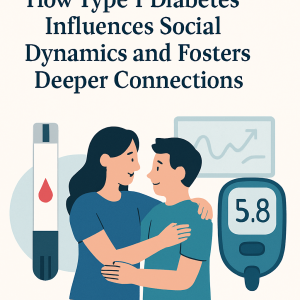
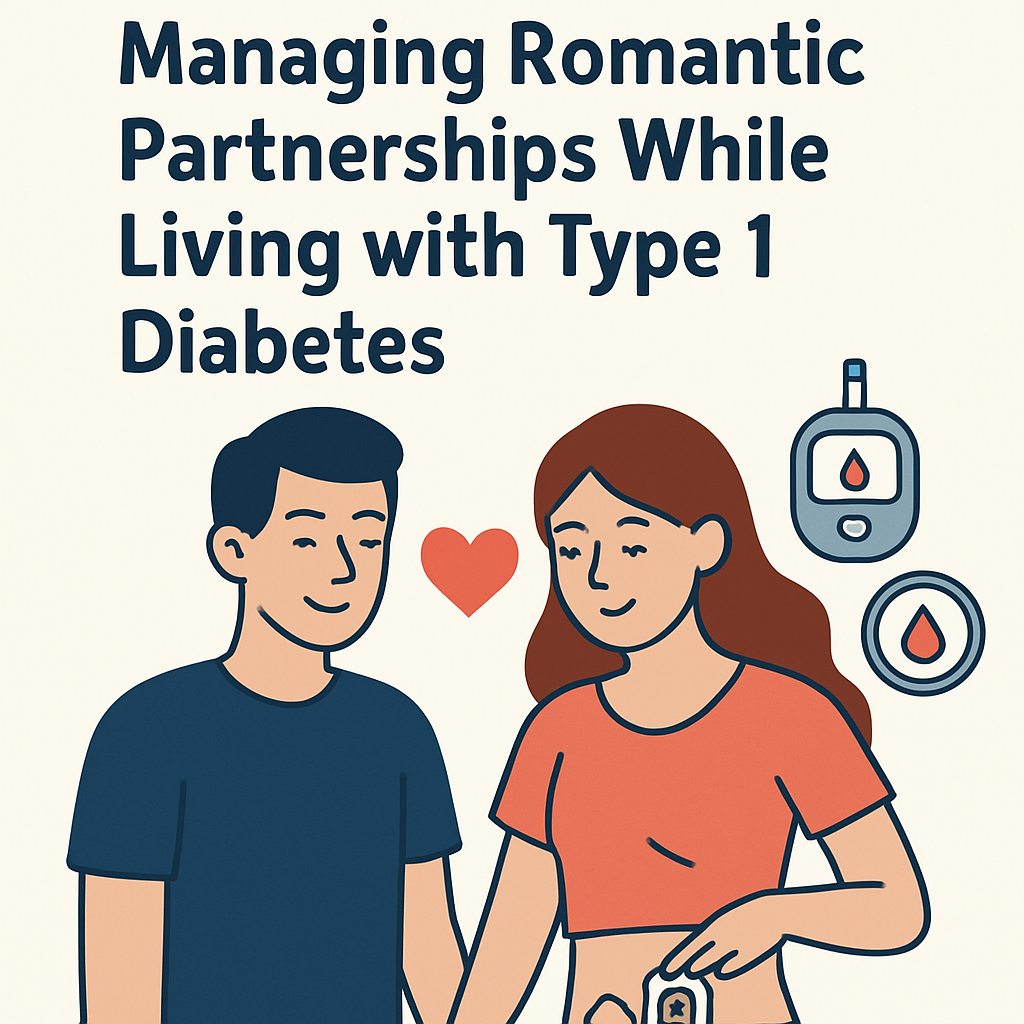
Managing type 1 diabetes can be challenging, and when it comes to romantic relationships, the complexities can multiply. It’s a condition that requires continuous attention and care, impacting not just the physical body but also emotional well-being. When you’re in a romantic partnership, the dynamics of managing this lifelong condition can influence your relationship in numerous ways. Whether you’re newly diagnosed or have been living with diabetes for years, navigating these waters with a partner requires open communication, mutual understanding, and a support system that adapts to the ups and downs of diabetes management.
The foundation of any healthy relationship is communication, and this becomes even more critical when living with type 1 diabetes. Sharing your needs, concerns, and experiences regarding diabetes with your partner can help build a supportive environment. This involves not only discussing the daily routines associated with managing the condition, such as monitoring blood sugar levels and administering insulin, but also expressing how diabetes affects you emotionally. Encouraging your partner to learn about the condition can also foster understanding and empathy, allowing them to better support you through challenges and triumphs alike.
Another key aspect is balancing independence with support. While it’s important to manage your own health, having a partner who understands your needs and can offer assistance when necessary can be invaluable. For example, during episodes of low blood sugar, having a partner who knows how to recognize the signs and act appropriately can be lifesaving. However, it’s equally important for both partners to maintain open lines of communication about how much involvement feels comfortable and helpful. Discussing these boundaries beforehand can prevent misunderstandings and ensure that both partners feel empowered and respected.
Emotional resilience plays a significant role in managing type 1 diabetes within a romantic relationship. The condition can bring about stress, anxiety, and even moments of frustration, which can affect your mood and interactions with your partner. It’s important to acknowledge these feelings and find healthy ways to cope with them together. Sharing feelings of vulnerability and seeking emotional support, either from each other or from healthcare professionals, can strengthen the bond and improve relationship satisfaction. Remember, it’s always advisable to consult with a healthcare professional about managing the emotional aspects of living with type 1 diabetes, as they can offer guidance and resources tailored to your specific situation.
Ultimately, living with type 1 diabetes while nurturing a romantic relationship is a journey that requires patience, trust, and teamwork. By fostering open communication, mutual understanding, and emotional support, you can build a partnership that not only accommodates the demands of diabetes management but also thrives in spite of it. Remember, every relationship is unique, and it’s important to find strategies that work best for you and your partner. Consulting your healthcare provider for personalized advice can also be beneficial, ensuring that your approach aligns with your health needs and relationship goals.
2. Medical Overview
Understanding the medical aspects of type 1 diabetes is crucial when it comes to managing romantic relationships, as it affects not only the individual but also their partner. Type 1 diabetes is an autoimmune condition where the pancreas produces little to no insulin, a vital hormone that regulates blood glucose levels. People with type 1 diabetes must manage their condition through a combination of insulin therapy, monitoring blood sugar levels, and maintaining a balanced lifestyle, which includes diet and exercise.
In a relationship, it’s important to communicate openly about the daily routines and challenges associated with managing type 1 diabetes. This includes discussing the necessity of regular blood sugar monitoring and the potential for both high and low blood sugar episodes, known as hyperglycemia and hypoglycemia, respectively. Hyperglycemia can lead to symptoms such as increased thirst, frequent urination, and fatigue, while hypoglycemia may cause shakiness, confusion, and, if severe, unconsciousness. It’s vital for partners to recognize these symptoms and understand the appropriate actions to take, such as consuming fast-acting carbohydrates in cases of hypoglycemia. However, it’s always advisable to follow up with a healthcare professional to tailor these actions to individual needs.
Moreover, insulin therapy is a cornerstone of type 1 diabetes management, and partners should be aware of the different types of insulin and delivery methods, whether through injections or insulin pumps. While some individuals may have well-established routines, others might still be exploring what works best for them. This ongoing process requires patience and understanding from both partners, as adjustments in therapy are often guided by healthcare professionals based on changes in lifestyle, diet, and activity levels.
When planning activities together, it’s useful to consider factors that might affect blood sugar levels, such as meal timing and physical exertion. Engaging in open discussions about these considerations can foster a supportive environment, allowing both partners to enjoy shared experiences without unnecessary stress. It’s also important for individuals with type 1 diabetes to carry necessary supplies, such as glucose tablets or a glucometer, to manage any unexpected changes in blood sugar levels.
Ultimately, navigating a romantic partnership while living with type 1 diabetes requires collaboration and mutual support. Encouraging partners to attend medical appointments or diabetes education sessions can also enhance their understanding and empathy. However, each person’s experience with type 1 diabetes is unique, so consulting with healthcare providers remains essential to determine the most effective management strategies. By fostering communication and understanding, couples can build a resilient partnership that accommodates the nuances of living with type 1 diabetes.
3. Practical Guidance
Navigating romantic relationships while managing type 1 diabetes can be both fulfilling and challenging. Open communication is key. Begin by sharing your condition with your partner when you feel comfortable, explaining what diabetes means for your daily life and how it affects you. This conversation is crucial not only for building trust but also for ensuring your partner understands the basics, such as recognizing symptoms of low or high blood sugar and knowing how to respond in case of an emergency. Encouraging your partner to ask questions can foster an environment of support and understanding.
Incorporating diabetes management into your shared activities can make it a seamless part of your relationship. Whether you’re dining out, exercising, or planning a trip, discussing and planning for your diabetes needs can help ensure both partners feel comfortable and prepared. For example, if dining out, you might review the menu together beforehand to decide on meal choices that align with your diabetes management plan. Remember to be flexible and adapt your plans as needed, keeping communication open about any changes in how you’re feeling.
Creating a routine that integrates diabetes care into your shared life can also be beneficial. If you take insulin or other medications, involve your partner by letting them know when and how you administer it, if you’re comfortable doing so. This can not only keep them informed but also build a sense of partnership. However, it’s important to maintain personal boundaries and ensure that you remain the primary manager of your condition. Your partner can support, but the ultimate responsibility for your health management lies with you.
Discussing potential challenges in advance can also help both partners feel more prepared. For instance, hypoglycemia can impact your mood and energy levels, which may affect your interactions. Let your partner know how low blood sugar feels to you and what steps you need to take to address it, such as consuming fast-acting carbohydrates. Make sure your partner knows that it’s important for you to treat these symptoms and recover fully before resuming any activity. Keep glucose sources accessible, and consider wearing medical identification that can assist others in understanding your condition in case of an emergency.
Finally, remember that every relationship is unique, and what works for one couple may not work for another. Regular check-ins about how diabetes management is integrated into your relationship can help address any concerns and make adjustments as needed. Encourage your partner to attend diabetes education sessions with you or read materials you find helpful, as this can enhance their understanding and support. Always consult your healthcare provider for guidance tailored to your specific health needs, ensuring that your diabetes management aligns with your lifestyle and relationship dynamics.
4. Practical Tips
Managing type 1 diabetes in the context of a romantic relationship can be both challenging and rewarding. Open communication, mutual understanding, and practical strategies are key to successfully navigating this aspect of your life. One practical tip is to educate your partner about type 1 diabetes. Sharing information about your condition, such as what type 1 diabetes is, how it affects your daily life, and common symptoms to watch for, can foster empathy and support. For instance, you might explain how blood sugar levels fluctuate and what symptoms of low blood sugar might look like, encouraging your partner to help you recognize them and respond appropriately. This knowledge can be empowering for both of you, allowing your partner to feel more involved and less anxious about your condition.
Another useful approach is to establish a routine or system that includes your partner in managing your diabetes. This could involve setting reminders for blood sugar checks or meal planning together. For example, you could both agree on a discreet signal or phrase to use in social situations when you need to check your blood sugar or address a symptom. This not only helps you manage your health more effectively but also makes your partner feel like a supportive ally rather than an outsider.
Social activities and dining out can sometimes pose challenges for those with type 1 diabetes, but they need not be avoided. Planning ahead is crucial. For instance, when going out to eat, you could review the restaurant’s menu in advance to identify choices that align with your dietary needs. Sharing this plan with your partner not only eases anxiety but also allows them to assist in making the experience enjoyable and stress-free. In the case of an unexpected low blood sugar episode during an outing, having a small snack or glucose tablets on hand and informing your partner where they are can ensure a quick response. Remember, these tips are general and may not suit everyone’s needs. It’s always best to discuss any specific concerns with your healthcare provider to tailor strategies that work best for you and your partner.
5. Expert Opinions
Managing romantic relationships while living with Type 1 diabetes can present unique challenges, but expert opinions suggest that open communication, mutual understanding, and proactive management can significantly enhance the partnership experience. Healthcare professionals often emphasize the importance of transparency with partners about the condition. Sharing the daily realities of living with Type 1 diabetes can help partners understand what to expect, reducing the potential for misunderstandings. This might involve discussing how diabetes affects daily routines, such as meal planning, exercise, and the need for regular blood sugar monitoring.
Experts also note the value of educating partners about recognizing signs of hypoglycemia and other critical situations, ensuring they know how to respond appropriately. This preparedness can foster a sense of security for both partners, helping to navigate moments of uncertainty with confidence. While it is beneficial to equip partners with this knowledge, people with diabetes are encouraged to consult their healthcare providers for personalized advice on managing such situations.
Clinicians generally recommend setting realistic expectations around diabetes management within relationships. It’s important for both partners to recognize that while diabetes requires attention and care, it doesn’t have to dominate the relationship. Finding a balance that allows for both partners’ needs and desires can contribute to a more fulfilling partnership. This may involve setting aside dedicated time to discuss any diabetes-related concerns without letting those discussions overshadow the relationship’s romantic aspects.
Moreover, diabetes specialists often highlight the importance of self-care as a foundation for relational health. By prioritizing their own well-being, individuals may feel more empowered and less stressed, which can positively influence their interactions with partners. Encouraging partners to engage in supportive activities together, like cooking healthy meals or exercising, can also strengthen the bond and promote mutual health benefits.
Finally, experts advise that both partners remain adaptable and open to learning. As diabetes care evolves with new technologies and treatments, staying informed and flexible can help couples adapt to changes in management strategies. Encouraging ongoing dialogue with healthcare providers can ensure that the most current and effective strategies are employed, tailored to the individual and relational context. Remember, every relationship is unique, and what works well for one couple may not be suitable for another. Consulting with healthcare professionals can provide guidance tailored to individual needs and circumstances.
6. Misconceptions
Misconceptions about type 1 diabetes can create unnecessary challenges in romantic relationships. One common misconception is that individuals with type 1 diabetes cannot lead a normal life or participate in activities like anyone else. This belief can be damaging, as it may lead partners to either overprotect or underestimate their loved one’s capabilities. In reality, with proper management and support, people with type 1 diabetes can enjoy fulfilling and active lifestyles. It’s important for both partners to communicate openly about the condition and how it affects daily life, which can help dispel myths and foster understanding.
Another prevalent myth is that type 1 diabetes is caused by poor lifestyle choices, similar to some forms of type 2 diabetes. This misunderstanding can lead to misplaced judgment or blame, which can strain a relationship. Type 1 diabetes is an autoimmune condition that is not linked to diet or lifestyle choices. Educating your partner about the nature of type 1 diabetes can help them appreciate the complexities and challenges of the condition, rather than viewing it through a lens of misinformed assumptions.
Some partners may also worry about the perceived dangers of managing type 1 diabetes, such as the risk of low blood sugar episodes. While it’s true that hypoglycemia can be a serious concern, with careful management and by following medical advice, these risks can be mitigated. It’s crucial for partners to understand the signs of low blood sugar and how to respond appropriately. Encouraging your partner to learn about these aspects and discuss any concerns with a healthcare provider can enhance their confidence in supporting you.
Finally, there’s a misconception that discussing type 1 diabetes openly might burden a relationship. In actuality, sharing experiences and feelings related to diabetes can strengthen trust and intimacy. By fostering a supportive environment where both partners feel comfortable discussing health concerns, couples can build a more resilient relationship. Open dialogue encourages understanding and cooperation, enabling both partners to navigate challenges together. If conflicts or misunderstandings do arise, seeking guidance from a healthcare professional or a counselor can be beneficial in finding constructive solutions.
7. Summary
In summary, managing romantic relationships while living with type 1 diabetes involves a blend of open communication, mutual understanding, and adaptability. Navigating these partnerships can be challenging, but also rewarding, as it encourages both partners to grow together through shared experiences and learning. By discussing diabetes management openly with a partner, individuals can ensure that their needs are understood and respected, fostering a supportive environment that bolsters both emotional and physical well-being. This open dialogue is especially crucial during times when diabetes-related challenges, such as hypoglycemia or changes in routine, arise. Partners can play a critical role in recognizing signs of low blood sugar or other complications, helping to manage these situations safely and effectively.
Additionally, educating a partner about the realities of living with type 1 diabetes can help dispel myths and reduce anxiety around the condition. This education can also empower partners to be more actively involved, whether it’s by assisting with meal planning, understanding how to use glucagon in emergencies, or simply being a source of emotional support. It’s important to recognize that each relationship is unique, and what works for one couple may not work for another. Therefore, flexibility and patience are key as partners navigate their path together.
While diabetes management is a personal responsibility, having a supportive partner can make a significant difference. However, it’s crucial for individuals with type 1 diabetes to work closely with their healthcare providers to tailor their management plans to their unique circumstances. This professional guidance ensures that any adjustments in diabetes care are safe and effective, taking into consideration the complexities of individual health needs. Ultimately, a well-managed partnership can be a source of strength and resilience, providing both partners with a deeper connection and a shared commitment to each other’s health and happiness.