1. Introduction
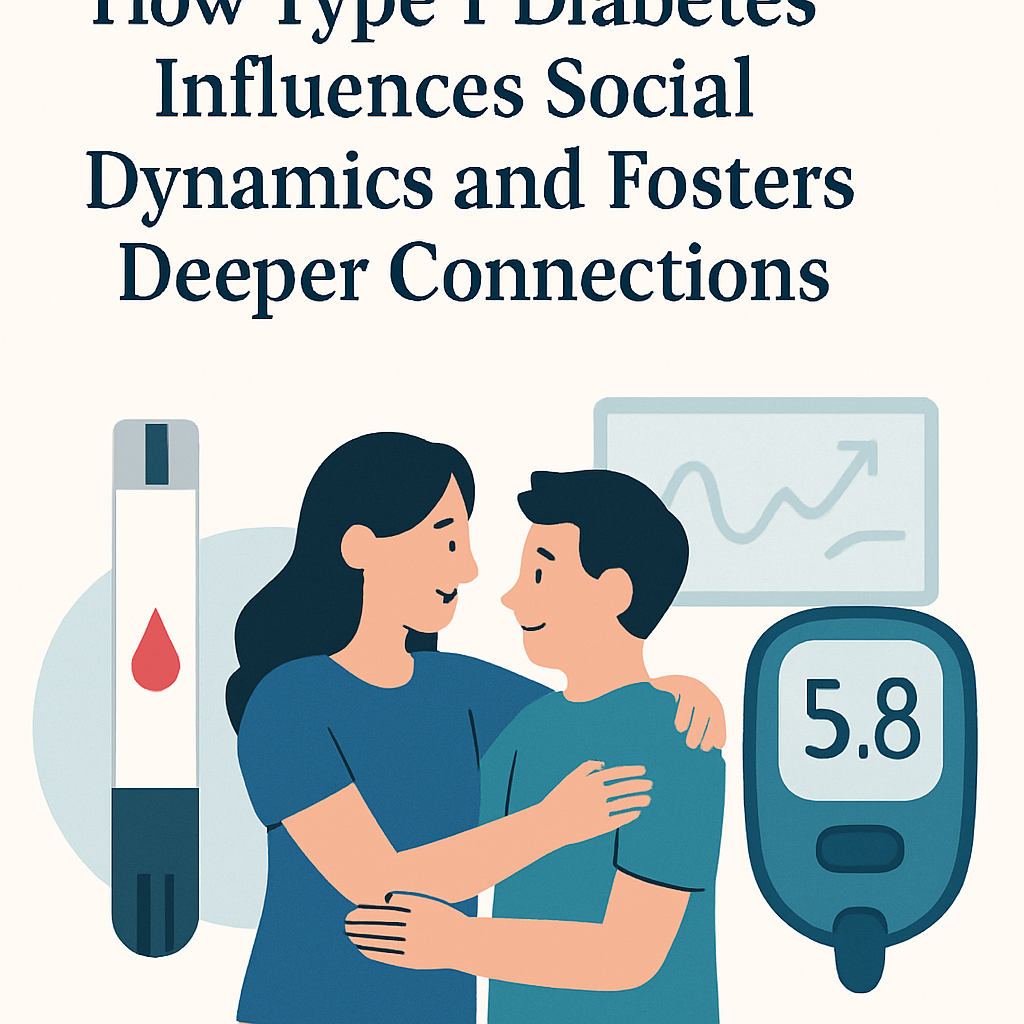
Type 1 diabetes is a chronic condition that requires diligent management and a deep understanding of one’s own body. For those living with this condition, the daily routine can involve monitoring blood sugar levels, managing insulin injections, and being mindful of diet and exercise. While these responsibilities can seem daunting, they also offer unique opportunities to forge stronger connections with others. In this article, we will explore how type 1 diabetes influences social dynamics and can foster deeper relationships.
Living with type 1 diabetes often necessitates openness about one’s health needs and lifestyle adjustments, which can lead to more meaningful conversations and connections. For instance, explaining the importance of regular meals or the potential for experiencing hypoglycemia can serve as an educational moment for friends and family, fostering empathy and understanding. This transparency can help dispel misconceptions and build a support network that appreciates the complexities of the condition.
Moreover, the shared experiences of managing type 1 diabetes can create a sense of community among those affected. Whether it’s through support groups, online forums, or casual meet-ups, individuals with diabetes often find solace and camaraderie in connecting with others who face similar challenges. These interactions provide not only emotional support but also practical tips and encouragement, reinforcing the idea that no one is alone in their journey.
It’s important to recognize that while type 1 diabetes can bring people closer, it also requires clear communication and understanding. Friends and family members should be encouraged to learn about the condition and how they can assist, whether it’s being aware of signs of low blood sugar or simply offering a listening ear. This mutual awareness can lead to stronger bonds and a more inclusive social environment.
While the impact of type 1 diabetes on social relationships can be profound, it’s essential for individuals to work with their healthcare providers to tailor their management plans. Every person’s experience with diabetes is unique, and professional guidance is crucial in navigating both the medical and social aspects of the condition. Consulting with a healthcare professional can ensure that the management strategies not only support individual health needs but also enhance social interactions and community involvement.
2. Medical Overview
Type 1 diabetes is a chronic condition characterized by the immune system’s mistaken attack on the insulin-producing beta cells in the pancreas. This autoimmune response leads to little or no insulin production, a hormone essential for regulating blood sugar levels. Individuals with type 1 diabetes must manage their condition through a combination of insulin therapy, regular blood sugar monitoring, and lifestyle adjustments. Unlike type 2 diabetes, type 1 is not linked to lifestyle factors and typically develops in childhood or adolescence, although it can occur at any age.
Managing type 1 diabetes requires a delicate balance, as both high and low blood sugar levels can lead to immediate and long-term health issues. Hyperglycemia, or high blood sugar, can cause symptoms like excessive thirst, frequent urination, and fatigue. If left untreated, it can result in more severe complications such as diabetic ketoacidosis, a potentially life-threatening condition. On the other hand, hypoglycemia, or low blood sugar, can lead to symptoms like shakiness, confusion, and dizziness, and requires prompt treatment to prevent more serious consequences. Due to these potential fluctuations, people with type 1 diabetes need to remain vigilant in their daily management routines.
The medical management of type 1 diabetes also includes regular consultations with healthcare professionals. This collaborative approach helps tailor the treatment plan to each individual’s unique needs, ensuring that their specific lifestyle and health considerations are addressed. It’s essential for individuals with type 1 diabetes to maintain open communication with their healthcare team, as adjustments may be necessary over time based on changes in activity levels, growth, stress, or illness. This ongoing medical partnership is a key component of effective diabetes management.
In the context of social dynamics, managing type 1 diabetes can influence relationships in various ways. For instance, friends and family members often become part of the support network, aiding in emergencies like hypoglycemic episodes or helping with dietary choices during social gatherings. This shared responsibility and understanding can deepen connections, as it fosters empathy and cooperation among loved ones. However, it’s important that individuals with type 1 diabetes communicate their needs and concerns openly with those around them to maintain healthy and supportive relationships.
While managing type 1 diabetes poses challenges, it also provides opportunities for building strong, supportive relationships. By understanding the medical intricacies of the condition and fostering open dialogue with healthcare providers and loved ones, individuals with type 1 diabetes can navigate their social environments more effectively. For those seeking tailored advice and guidance on managing their condition, consulting a healthcare professional is always recommended to ensure personalized and safe care strategies.
3. Practical Guidance
Living with type 1 diabetes can undoubtedly influence social interactions, but it also offers opportunities to foster stronger connections with those around you. To navigate these dynamics effectively, it’s essential to communicate openly about your condition with friends, family, and colleagues. Sharing information about type 1 diabetes, such as the importance of blood sugar monitoring and recognizing signs of hypo- or hyperglycemia, can demystify the condition for others and reduce feelings of isolation. This openness can encourage empathy and understanding, laying the groundwork for more supportive relationships.
In social settings, it’s helpful to plan ahead and have a strategy for managing your diabetes. Whether it’s a dinner party, a work event, or a day out with friends, consider discussing your needs with the host or those involved. This might mean asking about the menu to plan your insulin dosing or bringing along supplies like glucose tablets and snacks. Being proactive in these situations can help you feel more comfortable and allow others to support you more effectively. Additionally, it’s wise to have a discreet way to monitor your blood sugar, such as using a continuous glucose monitor or a compact blood glucose meter. This ensures that you can stay on top of your health without drawing unnecessary attention.
When unexpected situations arise, such as sudden blood glucose fluctuations, it’s crucial to prioritize your health. If you experience symptoms of low blood sugar, address them immediately by consuming a fast-acting carbohydrate and waiting to ensure your levels stabilize before resuming any activity. This not only safeguards your well-being but also models responsible diabetes management to those around you. Encouraging your friends and family to learn about these scenarios can further enhance their ability to assist you when needed.
Building a network of support extends beyond your immediate circle. Consider joining local or online communities of individuals living with type 1 diabetes. These groups provide a platform for sharing experiences, practical advice, and emotional support. They can also serve as a valuable resource for learning new strategies to manage social situations effectively. By connecting with others who understand your journey, you can gain insights and encouragement that will empower you in your daily life.
Ultimately, while type 1 diabetes presents unique challenges in social contexts, it also offers a chance to forge deeper, more meaningful relationships. By being open, prepared, and proactive, you can navigate these dynamics with confidence and create a supportive environment for both yourself and those around you. As with any health condition, it’s always a good idea to discuss your individual management plan and any specific concerns with your healthcare provider to ensure your approach aligns with your health needs.
4. Practical Tips
Navigating social dynamics with Type 1 diabetes can be challenging, but it also offers unique opportunities to strengthen relationships and foster deeper connections. One practical tip is open communication. Being transparent about your diabetes with friends, family, and colleagues can create a supportive environment. For example, if you’re attending a social gathering, let the host know about your dietary needs or the possibility of needing to step away to manage your blood sugar. This openness not only helps you manage your condition more effectively but also enables others to understand and support your needs.
Another practical approach is to involve your loved ones in your diabetes management. By sharing aspects of your daily routine, such as checking your blood sugar levels or discussing how you feel, you invite them into your world. For instance, a friend or family member could attend a diabetes education session with you, which can enhance their understanding and empathy. This shared experience can lead to stronger bonds, as they become more attuned to your health and wellbeing, and it equips them to offer better support when needed.
Additionally, planning ahead can make social interactions smoother and more enjoyable. If you’re planning to go out for a meal with friends, check the restaurant menu in advance to identify suitable options for your dietary needs. This preparation can help reduce anxiety and allow you to focus on enjoying the company rather than worrying about your food choices. It’s also wise to carry a small diabetes kit with essentials like glucose tablets or snacks, so you’re prepared for any unexpected changes in your blood sugar levels. While these strategies can enhance social interactions, it’s important to remember that diabetes management is highly individual. Always consult with your healthcare provider to tailor these tips to your personal needs and circumstances.
Finally, embrace the opportunity to educate others about Type 1 diabetes when appropriate. By sharing your experiences and knowledge, you can dispel myths and reduce stigma, fostering a more supportive community. For example, if someone expresses curiosity or misunderstanding about your condition, take it as a chance to share what living with Type 1 diabetes truly entails. This can lead to more informed and compassionate interactions, ultimately strengthening your social network. Building these bridges of understanding can be incredibly rewarding, not only for your personal relationships but also for the broader community’s awareness and acceptance of diabetes.
5. Expert Opinions
Experts in the field of diabetes care often emphasize the importance of building a supportive social network for individuals managing type 1 diabetes. Clinicians generally recommend that patients maintain open communication with family, friends, and colleagues about their condition. This transparency can foster understanding and empathy, helping to alleviate feelings of isolation that some may experience. By sharing knowledge about type 1 diabetes, individuals can educate those around them on the needs and precautions necessary to manage the condition effectively. This can lead to a stronger, more supportive environment, where individuals feel comfortable discussing their experiences and asking for help when needed.
Healthcare professionals also highlight the role of diabetes education programs and support groups as valuable resources for both patients and their social circles. These programs can offer insights into living with diabetes, addressing common challenges such as dietary management and recognizing signs of hypoglycemia. By participating in these groups, both individuals with diabetes and their loved ones can gain a deeper understanding of how to navigate social situations that may be complicated by the condition. This shared learning experience not only builds confidence but also strengthens the relational bonds between individuals and their support networks.
While experts acknowledge that managing type 1 diabetes can add an additional layer of complexity to social interactions, they suggest that the experience can also deepen relationships. Being open about the condition allows for honest dialogue, which can lead to greater trust and emotional intimacy. When friends and family understand the daily realities of living with type 1 diabetes, they are often better equipped to provide meaningful support, whether it’s as simple as ensuring appropriate snacks are available or being prepared to assist in an emergency.
However, it is important to note that each individual’s experience with type 1 diabetes is unique, and what works for one person may not suit another. Therefore, experts advise tailoring communication and support strategies to individual needs and preferences. Engaging with healthcare providers can offer personalized guidance on how best to manage social dynamics while living with type 1 diabetes. Consulting with a medical professional can also help address any concerns or questions that may arise as social situations evolve. By taking a proactive approach and leveraging expert advice, individuals with type 1 diabetes can navigate their social environments more effectively, potentially strengthening their relationships in the process.
6. Misconceptions
Misconceptions about type 1 diabetes can often cloud understanding and shape the social dynamics between those living with the condition and their friends, family, and colleagues. One common misconception is that type 1 diabetes is caused by lifestyle choices, such as poor diet or lack of exercise. In reality, type 1 diabetes is an autoimmune condition where the body’s immune system attacks insulin-producing cells in the pancreas. This misunderstanding can lead to unwarranted judgment or unsolicited advice, which may strain relationships. Educating oneself about the true nature of the condition can foster empathy and support.
Another prevalent myth is that individuals with type 1 diabetes can’t lead active or fulfilling lives. This misconception can result in unnecessary overprotection or exclusion from activities. It’s important to recognize that with proper management, people with type 1 diabetes can participate in a wide range of activities, from sports to travel, while maintaining their health. Encouraging open communication about their needs and boundaries can help integrate individuals with type 1 diabetes more fully into social groups, enhancing mutual understanding and trust.
A further misunderstanding is that all types of diabetes are the same. This confusion can lead to inappropriate comments or advice based on experiences with type 2 diabetes, which are not always applicable to type 1 diabetes. Each type has distinct causes, treatments, and management strategies. When misconceptions arise, gently correcting them can be an opportunity to educate others about the unique challenges and requirements of managing type 1 diabetes. This exchange of information can strengthen relationships by increasing awareness and reducing stigma.
Lastly, some believe that managing type 1 diabetes is solely the responsibility of the person with the condition, which can lead to isolation. In truth, having a supportive network can make a significant difference in managing the emotional and physical demands of the condition. Friends and family who take the time to learn about blood sugar monitoring, the importance of meal planning, and recognizing signs of low or high blood sugar can provide invaluable support. If you’re unsure about how to help, asking open-ended questions and actively listening can go a long way in building a strong, supportive relationship.
Understanding these misconceptions and actively working to dispel them can lead to more informed and compassionate interactions. Building strong relationships with someone who has type 1 diabetes involves empathy, education, and communication. For specific medical concerns or questions about diabetes management, it’s always best to consult with a healthcare professional. By doing so, everyone involved can contribute to a supportive environment that acknowledges the challenges of type 1 diabetes while celebrating the resilience and achievements of those living with it.
7. Summary
Type 1 diabetes, a chronic condition often diagnosed in childhood or adolescence, significantly impacts the daily lives of those affected. While its management requires constant vigilance, this condition also uniquely shapes social dynamics, often fostering deeper and more meaningful relationships. For individuals living with type 1 diabetes, open communication and mutual understanding are critical components that influence how they connect with others. Sharing personal experiences about managing diabetes can help demystify the condition for friends and family, reducing potential misunderstandings and building stronger bonds based on empathy and trust.
In many cases, the necessity of managing diabetes in social settings encourages individuals to develop robust communication skills. These skills can enhance relationships by promoting open dialogue about needs and boundaries. Situations like explaining the importance of carrying glucose tablets, or why a sudden break is necessary to check blood sugar levels, provide opportunities for educating those around them. This openness can lead to a supportive network that is not only aware of the practical aspects of diabetes management but is also emotionally invested in the well-being of their loved one.
Furthermore, the shared experiences of navigating the challenges of type 1 diabetes can create a strong sense of community among those who understand the journey firsthand. Support groups and diabetes-focused events allow people to connect with others facing similar challenges, fostering a sense of belonging and mutual support. These connections often extend beyond mere friendships, evolving into a network of allies who understand the nuances of daily life with diabetes, offering both emotional support and practical advice.
While type 1 diabetes can certainly present challenges in social settings, it can also serve as a catalyst for developing resilience and empathy in relationships. Family members and friends who take the time to learn about diabetes management become important allies, often gaining a deeper appreciation for the challenges faced by their loved one. This shared journey can lead to a more profound connection, characterized by mutual respect and shared goals for health and well-being.
Ultimately, while living with type 1 diabetes requires careful management and adaptation, it also has the potential to enrich social interactions and relationships. By encouraging open communication, fostering understanding, and building supportive communities, individuals with type 1 diabetes can cultivate relationships that are not only resilient but also deeply rewarding. As always, it’s important for individuals to work closely with their healthcare providers to tailor their diabetes management strategies to their unique needs and circumstances, ensuring that their social and emotional well-being is also supported alongside their physical health.