1. Introduction
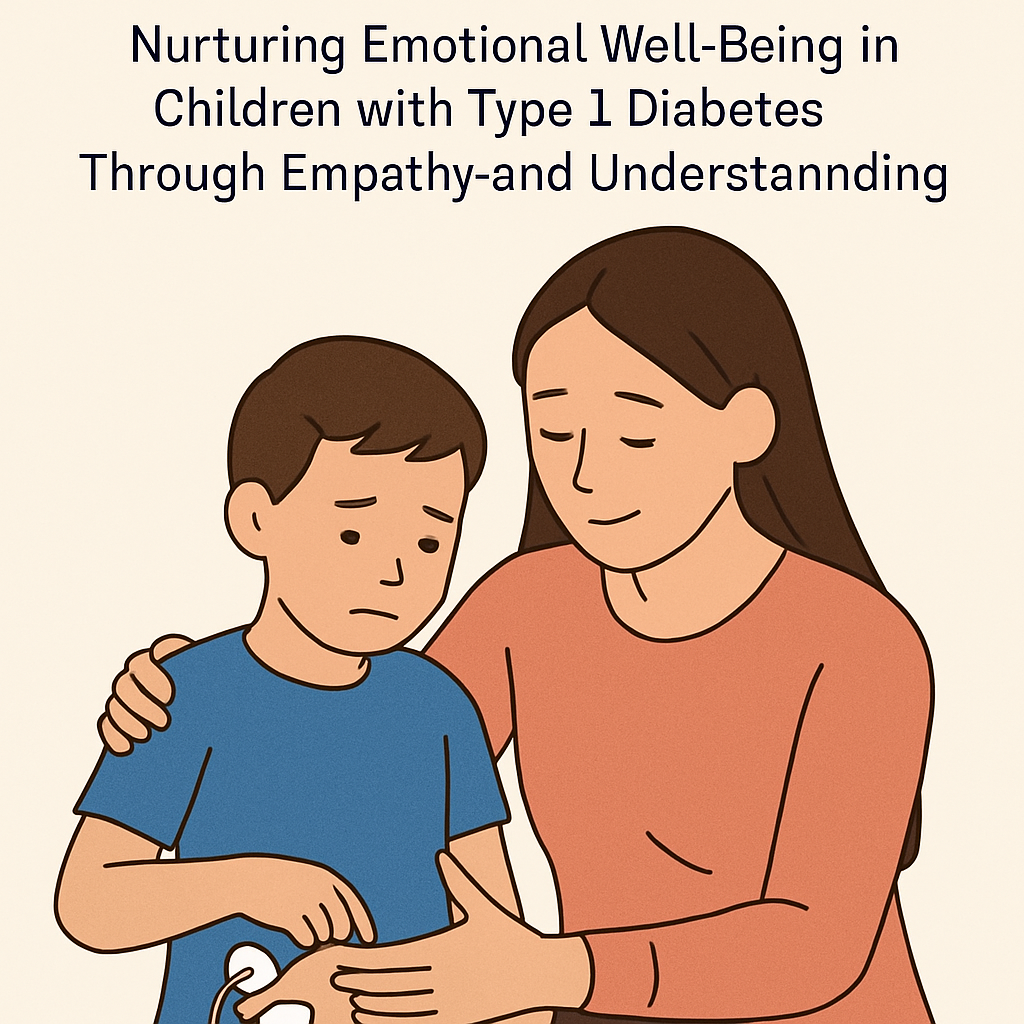
Parenting a child with type 1 diabetes can be a complex journey, filled with both challenges and opportunities for growth. Understanding the emotional landscape that accompanies this condition is crucial for fostering a supportive environment. Managing type 1 diabetes involves far more than just monitoring blood sugar levels and administering insulin. It requires a sensitive approach to the emotional and psychological well-being of the child. This is where mindful parenting comes into play, offering a framework that emphasizes empathy, patience, and understanding. By focusing on the emotional needs of children with type 1 diabetes, parents can help create a nurturing space that encourages resilience and positive coping strategies.
Children diagnosed with type 1 diabetes often face unique emotional challenges. The routine of daily injections, blood sugar checks, and dietary considerations can be overwhelming, especially for young minds still learning to navigate their world. These experiences can lead to feelings of frustration, anxiety, or isolation. It’s important for parents to recognize these emotional struggles as a natural part of living with a chronic condition. By adopting a mindful approach, parents can learn to respond to their child’s emotional needs with kindness and understanding, rather than reacting with stress or frustration.
Mindful parenting involves being present and fully engaged in the moment with your child. It means listening actively to their concerns, validating their feelings, and offering a safe space for them to express themselves. This approach not only helps parents understand the emotional impact of type 1 diabetes on their child but also strengthens the parent-child bond. Encouraging open communication about the challenges and victories in managing diabetes can empower children, helping them feel more in control and less alone in their journey.
While mindfulness and empathy are powerful tools, it’s important to acknowledge that every child’s experience with type 1 diabetes is unique. What works for one family may not be suitable for another. Parents are encouraged to seek guidance from healthcare professionals to tailor their approach to suit their child’s specific needs. By combining medical advice with emotional support and mindful practices, families can work towards nurturing a balanced and healthy environment for their child. Through empathy and understanding, parents can help their children not only manage their diabetes but thrive emotionally and socially.
2. Medical Overview
Type 1 diabetes is an autoimmune condition characterized by the body’s inability to produce insulin, a hormone vital for regulating blood glucose levels. Unlike type 2 diabetes, which is often associated with lifestyle factors, type 1 diabetes is typically diagnosed in children and young adults and is not preventable. The immune system mistakenly attacks the insulin-producing beta cells in the pancreas, leading to an insulin deficiency. As a result, individuals with type 1 diabetes must rely on insulin therapy to manage their blood sugar levels.
Managing type 1 diabetes requires a careful balance of insulin administration, diet, and physical activity. Insulin can be delivered through injections or an insulin pump, with the aim of mimicking the body’s natural insulin production as closely as possible. Blood sugar monitoring is crucial, as it helps in making informed decisions about insulin doses and dietary choices. Advances in technology, such as continuous glucose monitors (CGMs) and insulin pumps, have made it easier to track blood glucose levels and adjust insulin delivery accordingly.
It’s important to note that managing type 1 diabetes is highly individualized. Factors such as age, lifestyle, and overall health play significant roles in determining the best management strategies for each person. Therefore, it is essential for parents and caregivers to work closely with healthcare professionals to develop an appropriate management plan for their child. Regular check-ups with an endocrinologist or diabetes care team can help ensure that the treatment plan is effective and adapted to the child’s evolving needs.
Hypoglycemia, or low blood sugar, is a potential risk for those with type 1 diabetes, particularly when insulin doses are not perfectly matched with food intake or physical activity. Symptoms may include dizziness, sweating, confusion, and irritability. It’s crucial to address hypoglycemia promptly by consuming fast-acting carbohydrates and ensuring that blood glucose levels are stabilized before resuming activities. Similarly, hyperglycemia, or high blood sugar, can occur and requires careful monitoring and management to prevent complications. Parents should be vigilant in recognizing these signs and know when to seek medical advice.
Given the lifelong nature of type 1 diabetes, fostering emotional resilience and understanding is critical. Encouraging open communication and empathy within the family can help children with type 1 diabetes navigate their condition with confidence. Engaging with diabetes support groups or mental health professionals can also provide valuable support and coping strategies. Remember, while this overview offers general insights, always consult your healthcare provider for personalized medical guidance tailored to your child’s unique situation.
3. Practical Guidance
Parenting a child with type 1 diabetes involves not just managing their physical health but also supporting their emotional well-being. One of the fundamental ways to nurture your child’s emotional health is by fostering open communication. Encourage your child to express their feelings about their condition, whether they are feeling frustrated, anxious, or even indifferent. By creating a safe space for these conversations, you validate their emotions and help them feel understood, which can be incredibly empowering. Remember, it’s okay if you don’t have all the answers. Sometimes just listening can be the most supportive act.
Incorporate empathy into your daily routine by actively involving your child in their care. Depending on their age, allow them to participate in decision-making regarding their treatment. This might include letting them choose snacks within their dietary guidelines or helping them understand the importance of monitoring their blood sugar levels. By giving them a sense of control, you can help reduce feelings of helplessness and boost their confidence. It’s important, however, to balance this involvement with appropriate guidance and oversight, ensuring their safety and well-being remain a priority.
Another practical approach is to establish a routine that balances diabetes management with normal childhood activities. Encourage your child to participate in sports, social events, and hobbies, as these activities not only promote physical health but also provide opportunities for social interaction and self-expression. Make sure to plan ahead for these activities by considering how they might impact blood sugar levels and what adjustments might be necessary. Always have a plan for managing unexpected changes in your child’s condition, and teach them how to recognize the signs of hypoglycemia or hyperglycemia. In these instances, it’s crucial to follow established protocols to ensure their safety, and consult with healthcare professionals as needed.
Educating yourself and your child about type 1 diabetes can also be immensely beneficial. Understanding the intricacies of the condition can reduce fear and uncertainty, making it easier to manage daily challenges. Consider working with a diabetes educator or attending support groups where you and your child can connect with others who are experiencing similar situations. Sharing experiences and strategies with other families can offer new insights and foster a sense of community.
Finally, remember to take care of your own emotional health. Parenting a child with a chronic condition can be demanding, and it’s vital to find time for self-care. Whether it’s joining a support group for parents, practicing mindfulness, or simply taking a few moments each day for yourself, managing your own stress can help you be more present and supportive for your child. By approaching parenting with mindfulness and empathy, you can help create a nurturing environment that supports both your child’s physical and emotional well-being.
4. Practical Tips
Parenting a child with type 1 diabetes involves more than just managing blood sugar levels; it requires nurturing their emotional well-being through empathy and understanding. One practical approach is to create a supportive environment where open communication is encouraged. For example, setting aside time each day for your child to express their feelings about their condition can foster a sense of security and understanding. This daily check-in need not be lengthy — even a short, focused conversation can help your child feel heard and valued.
Another practical tip is to involve your child in their diabetes management in age-appropriate ways. This could mean allowing a younger child to help with simple tasks, like selecting a site for an insulin pump, or letting an older child participate in meal planning. For instance, having a “meal prep day” where your child helps plan and prepare meals can empower them and provide a sense of control over their health. By making them active participants in their care, you help build their confidence and understanding of their condition.
Additionally, promoting a balanced lifestyle is important for both physical and emotional health. Encouraging your child to engage in regular physical activity that they enjoy is one way to achieve this. For example, organizing a family outing to a local park where everyone can partake in a game of soccer or a nature walk can not only support their physical health but also strengthen family bonds. It’s crucial to remain adaptable, ensuring that exercise remains a positive experience by monitoring your child’s blood sugar levels and making necessary adjustments as advised by their healthcare team.
Lastly, educating others in your child’s life, like teachers and friends, about type 1 diabetes can help build an understanding community around them. For example, arranging a short educational session at school can help demystify the condition for classmates, potentially reducing feelings of isolation for your child. It’s important to remember that each child’s experience with type 1 diabetes is unique, and consulting with healthcare professionals can provide personalized strategies to support their specific needs.
5. Expert Opinions
Experts in pediatric diabetes care emphasize the importance of fostering a positive emotional environment for children with Type 1 diabetes. Clinicians generally recommend that parents adopt a mindful approach to parenting that focuses on empathy and understanding. This approach can help children develop resilience and a healthy relationship with their condition. By acknowledging the unique challenges that children with diabetes face, parents can create a supportive atmosphere that encourages open communication and emotional expression.
Experts point out that mindfulness in parenting involves being present and attentive to a child’s emotional and physical needs. This means actively listening to their concerns and validating their feelings without judgment. Such an approach can promote a trusting relationship, making children feel more comfortable discussing their experiences with diabetes. Encouraging children to express both positive and negative emotions can help them manage stress and anxiety, which are common in managing a chronic condition like Type 1 diabetes.
Healthcare professionals also highlight the role of empathy in understanding a child’s perspective. Empathy not only involves recognizing how challenging it can be for a child to manage their diabetes but also involves acknowledging how these challenges can impact their daily life and emotional well-being. By empathizing with their child, parents can better support them through difficult times, reinforcing the child’s confidence in managing their condition.
Many experts advocate for involving children in their diabetes management as a way to empower them and reduce feelings of helplessness. Parents are encouraged to guide their children in learning about their condition and in taking age-appropriate responsibilities, such as understanding the importance of regular blood sugar monitoring. However, experts caution that this should be a gradual process tailored to each child’s maturity and readiness. Consulting with healthcare providers can help parents find the right balance in involving their children in their care.
Finally, it is important for parents to care for their own emotional well-being. Experts often remind parents that managing a child’s chronic illness can be stressful and emotionally taxing. Seeking support from healthcare professionals, support groups, or mental health services can be beneficial. By maintaining their own mental health, parents are better equipped to provide the empathy and understanding their child needs. As always, for personalized advice and strategies, consulting with healthcare providers who understand the specific needs of the child is recommended.
6. Misconceptions
Misconceptions about type 1 diabetes can significantly affect both the emotional well-being of children living with the condition and the understanding and empathy extended by those around them. One common misunderstanding is the belief that type 1 diabetes is caused by poor dietary habits or lack of exercise. In reality, type 1 diabetes is an autoimmune condition where the body’s immune system mistakenly attacks insulin-producing cells in the pancreas. It is not related to lifestyle choices and cannot be prevented through diet or exercise. This distinction is crucial for parents to understand so they can help their children navigate conversations and misconceptions they might encounter.
Another prevalent misconception is that children with type 1 diabetes cannot participate in everyday activities such as sports or social events. While managing blood sugar levels is indeed an important aspect of daily life for these children, it doesn’t mean they must be excluded from activities they enjoy. With careful planning and appropriate management, children with type 1 diabetes can lead active and fulfilling lives. Parents play a vital role in encouraging their children to pursue their interests while teaching them how to manage their condition effectively. This balance can foster a sense of normalcy and self-confidence in their children.
There is also a tendency to assume that all diabetes is the same, leading to confusion between type 1 and type 2 diabetes. Unlike type 2 diabetes, type 1 is not related to weight or similar factors. This misunderstanding can sometimes lead to unwarranted stigma or judgment, which can be distressing for children who are trying to come to terms with their condition. Educating family members, friends, and educators about the specifics of type 1 diabetes can help create a more supportive environment for the child.
Finally, the belief that insulin therapy alone is a complete solution to managing type 1 diabetes can oversimplify the day-to-day challenges faced by children and their families. While insulin is a critical component of treatment, effective management also involves monitoring blood sugar levels, understanding the impact of different foods and activities on these levels, and recognizing the signs of high and low blood sugar. Parents should work closely with healthcare providers to develop a comprehensive care plan tailored to their child’s needs. If you have questions about your child’s specific condition, consulting with your healthcare provider can provide valuable guidance.
7. Summary
In this exploration of mindful parenting for children with Type 1 diabetes, we have delved into the significant role empathy and understanding play in nurturing emotional well-being. Parenting a child with diabetes presents unique challenges, as it requires a balance between managing the child’s health needs and fostering a supportive environment that promotes emotional resilience. By approaching these challenges with mindfulness, parents can help their children navigate the complexities of living with diabetes more effectively.
Empathy, a cornerstone of mindful parenting, involves actively listening to a child’s concerns and validating their feelings, which can enhance their ability to cope with the psychological demands of diabetes management. Understanding the emotional landscape of a child living with this condition is crucial, as it can vary widely based on individual experiences and developmental stages. This understanding allows parents to tailor their support to meet the specific needs of their child, reinforcing their confidence and independence in managing their condition.
Mindful parenting also includes fostering open communication, which can help children express their fears and frustrations without fear of judgment. Encouraging such dialogue not only strengthens the parent-child relationship but also empowers children to take an active role in their own diabetes care. This empowerment can be crucial in building their self-efficacy and resilience, skills that are beneficial both in diabetes management and in life more broadly.
Moreover, adopting a mindful approach can reduce parental stress and anxiety, as it encourages focusing on the present moment rather than potential future challenges. This presence of mind allows parents to model healthy emotional regulation for their children, demonstrating that it’s possible to handle stress and setbacks with calmness and flexibility. It’s important for parents to also seek support and advice from healthcare professionals to ensure they are equipped with the best strategies for managing both the medical and emotional aspects of their child’s condition.
While mindful parenting can be a powerful tool in supporting children with Type 1 diabetes, it’s crucial to remember that each child’s journey is unique. Parents are encouraged to work closely with their healthcare team to develop a comprehensive care plan that addresses both the physical and emotional needs of their child. By combining empathy, understanding, and professional guidance, parents can create a nurturing environment that promotes their child’s overall well-being.