1. Introduction
Type 1 diabetes is a chronic condition that requires ongoing management and vigilance. Unlike type 2 diabetes, which can often be managed through lifestyle changes and sometimes medication, type 1 diabetes is an autoimmune disease where the pancreas produces little or no insulin, necessitating lifelong insulin therapy. This condition typically manifests in childhood or adolescence, making it a significant part of the lives of the young individuals who are affected. The daily routine of managing blood sugar levels, monitoring insulin doses, and maintaining a balanced diet can be challenging, especially for young people still navigating their way through school and social activities. However, many of these young individuals are not just managing their condition—they are using their experiences to advocate for themselves and others, driving change in policies and increasing awareness about this condition.
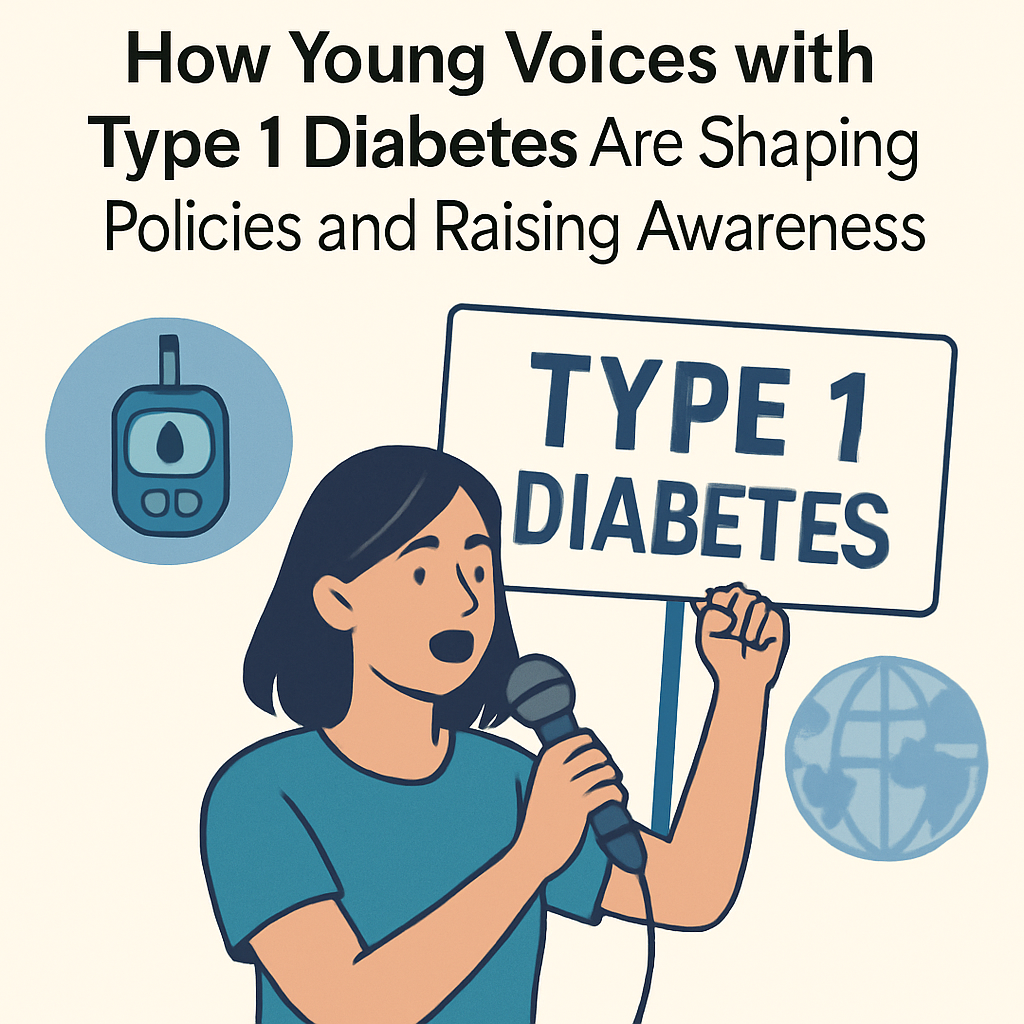
In recent years, young voices in the type 1 diabetes community have become increasingly prominent, contributing to a broader understanding of the challenges and needs of those living with the condition. These young advocates are not only sharing their personal journeys but also actively engaging in discussions with policymakers, healthcare providers, and educators to foster environments that are more supportive and informed. Their efforts are crucial in shaping policies that address the unique requirements of living with type 1 diabetes, such as access to affordable insulin, accommodations in educational settings, and the development of new technologies for diabetes management.
Empowering young individuals to become advocates for type 1 diabetes also serves an important educational purpose. Through their advocacy, they help demystify the condition, breaking down stereotypes and misinformation that can lead to stigma. Furthermore, these efforts contribute to a greater societal understanding of the daily realities faced by those with type 1 diabetes, encouraging empathy and support from the general public. By giving a voice to their experiences, young advocates help to ensure that their needs are recognized and met, fostering a community that is both informed and compassionate.
The role of young advocates in raising awareness and influencing policy is a testament to the power of personal experience combined with a strong sense of community. While living with type 1 diabetes presents unique challenges, these young individuals are turning their experiences into powerful tools for change. Their work not only benefits those with diabetes but also paves the way for a more inclusive and understanding society. As they continue to share their stories and engage with others, they inspire hope and progress, showing that even the youngest voices can have a significant impact on the world.
2. Medical Overview
Type 1 diabetes (T1D) is a chronic condition characterized by the pancreas’s inability to produce insulin, a hormone crucial for regulating blood sugar levels. Unlike type 2 diabetes, which often develops later in life and can sometimes be managed with lifestyle changes, type 1 diabetes is an autoimmune disorder that typically manifests in childhood or adolescence. In this condition, the immune system mistakenly attacks and destroys the insulin-producing beta cells in the pancreas. As a result, individuals with type 1 diabetes require lifelong insulin therapy to manage their blood glucose levels effectively.
Managing type 1 diabetes involves a comprehensive approach that includes regular blood sugar monitoring, insulin administration, and attention to diet and exercise. People with T1D often use a combination of insulin injections or an insulin pump to maintain their blood sugar levels within a target range. Continuous glucose monitors (CGMs) are also commonly used to provide real-time data, allowing for more precise management. Despite advancements in technology and treatment, managing type 1 diabetes can be challenging and requires continuous attention and adjustments.
Hypoglycemia, or low blood sugar, is a common concern for individuals with type 1 diabetes and can pose immediate health risks if not addressed promptly. Symptoms may include shakiness, confusion, and dizziness, and if left untreated, it can lead to more severe consequences such as unconsciousness. It’s crucial for individuals with T1D to recognize these symptoms and take appropriate steps to raise their blood sugar quickly, such as consuming fast-acting carbohydrates. In any situation where blood sugar levels fluctuate unexpectedly, consulting with a healthcare professional can provide guidance tailored to one’s specific needs.
Living with type 1 diabetes requires a balance of vigilance and adaptability. Although it presents daily challenges, advancements in medical research and technology continue to improve the quality of life for those affected. Additionally, community support and advocacy play vital roles in shaping policies that promote better access to resources and raise awareness about the condition. As more young voices with type 1 diabetes engage in advocacy efforts, they contribute significantly to driving policy changes that reflect the needs and experiences of the T1D community.
3. Practical Guidance
When living with type 1 diabetes, engaging in advocacy and raising awareness can be empowering, not only for oneself but for the entire community. Practical guidance in these areas can support individuals in making meaningful contributions while managing their condition effectively. To begin with, understanding the fundamentals of type 1 diabetes is crucial. This includes knowing the importance of regular blood glucose monitoring and awareness of how daily activities, like diet and exercise, can impact blood sugar levels. Staying informed about one’s condition helps in sharing accurate information with others, contributing to effective advocacy.
Participation in support groups, whether online or in-person, offers a platform to exchange experiences and learn from others. These groups often provide insights into managing diabetes better and open opportunities to join collective efforts in advocacy campaigns. Volunteering for local diabetes organizations or participating in events, such as awareness walks or educational workshops, can amplify one’s voice. It’s a chance to share personal stories that highlight the everyday realities and challenges faced by individuals with type 1 diabetes, fostering understanding and empathy among a wider audience.
Public speaking or writing about one’s experiences can also be a powerful tool. This might involve contributing articles to health blogs, speaking at community events, or using social media platforms to reach a broader audience. By sharing personal insights, individuals can help demystify diabetes and reduce stigma, ultimately encouraging more supportive environments. It is essential, however, to balance these efforts with personal health management. Prioritizing health, such as keeping regular medical appointments and following a personalized management plan developed with healthcare providers, ensures that advocacy efforts are sustainable and do not come at the expense of personal well-being.
Moreover, young advocates can benefit from engaging with policymakers directly. This might include writing letters or emails to local representatives or participating in advocacy days at legislative offices. By presenting personal experiences and evidence-based knowledge, individuals can play a role in shaping policies that improve access to resources, education, and healthcare for people with type 1 diabetes. Building a network of allies, including healthcare professionals, educators, and peers, can provide additional support in these advocacy efforts.
Finally, it is important to listen to one’s body and be prepared for any diabetes-related emergencies. For example, always carrying a source of fast-acting glucose can help address low blood sugar situations promptly. In any advocacy or awareness activity, should symptoms of hypoglycemia or other urgent health issues arise, it is imperative to address these needs first, ensuring personal safety before continuing with advocacy efforts. As always, individuals should consult their healthcare provider for personalized guidance tailored to their specific needs and circumstances.
4. Practical Tips
Advocacy can take many forms, and for young individuals with type 1 diabetes, sharing practical tips based on their experiences can be a powerful way to raise awareness and influence policy. These tips help others living with the condition and educate the broader community about the daily realities faced by those with type 1 diabetes. Here are some concrete examples of how young advocates are making a difference.
First, many young advocates use social media platforms to share personal stories and practical management tips. For instance, a teenager might post about how they prepare for a day out by packing a diabetes kit that includes insulin, a blood glucose meter, snacks, and a glucagon emergency kit. By sharing photos and detailed descriptions, they not only provide helpful guidance but also demystify the condition for those unfamiliar with it. This approach can foster understanding and empathy, encouraging peers to support their advocacy efforts.
Another impactful strategy is participating in school and community presentations. Young people with type 1 diabetes often share their experiences with classmates or community groups, providing insight into the condition’s impact on daily life. They might demonstrate how they check their blood glucose levels or talk about the importance of adjusting insulin doses based on physical activity. These presentations can lead to increased support from teachers and peers, as well as inspire others to advocate for diabetes-friendly policies in schools, such as allowing students to carry their supplies and manage their condition without leaving class.
Additionally, some young advocates engage in dialogue with policymakers. By organizing or joining youth-led advocacy groups, they can meet with local or national representatives to discuss the challenges faced by individuals with type 1 diabetes. For example, they might advocate for legislation that ensures better access to affordable insulin or improved insurance coverage for diabetes management supplies. Sharing personal stories and practical examples of how certain policies affect their daily lives can make these meetings more impactful, highlighting the real-world implications of policy decisions.
These advocacy efforts are strengthened when young individuals with type 1 diabetes collaborate and share their diverse experiences. By exchanging tips and strategies, they can amplify their voices and drive meaningful change. As always, while sharing practical tips can be highly beneficial, it’s important for individuals to consult with their healthcare providers to tailor these strategies to their personal needs and ensure they manage their condition safely.
5. Expert Opinions
Expert opinions in the field of type 1 diabetes emphasize the importance of advocacy, particularly among young individuals who are directly affected by the condition. Clinicians and diabetes educators often highlight the need for these young voices to be heard in policy discussions, as their unique insights and experiences can provide valuable perspectives on living with diabetes. Advocacy efforts by young people can help shape policies that are more supportive and responsive to their needs, fostering an environment where healthcare systems can better accommodate the challenges faced by individuals with type 1 diabetes.
Healthcare professionals generally agree that empowering young advocates involves education and support within the community. By providing young individuals with the necessary tools and knowledge about their condition, they can more effectively engage in advocacy efforts. This might include understanding the latest research on diabetes management, knowing how to communicate effectively with policymakers, and being aware of their rights and available resources. Experts also suggest that collaboration between young advocates, healthcare providers, and diabetes organizations can strengthen advocacy initiatives and lead to more meaningful changes in health policies.
In addition to policy influence, expert opinions suggest that advocacy can play a significant role in raising public awareness about type 1 diabetes. When young voices share their stories and challenges, they can help dispel myths and misconceptions about the condition, thereby fostering greater empathy and understanding within the broader community. This increased awareness can contribute to a more supportive social environment, reducing stigma and encouraging earlier diagnosis and better management of diabetes.
While expert opinions underscore the potential benefits of youth advocacy, they also caution that advocacy work should not replace professional medical advice or treatment. Young individuals are encouraged to work closely with their healthcare teams to ensure that their advocacy efforts are informed and balanced. Consulting with healthcare professionals can help young advocates understand the complexities of diabetes management and the potential implications of policy changes on their health. Overall, experts in the field emphasize the value of young voices in advocacy, while also advocating for a collaborative approach that includes guidance from healthcare professionals.
6. Misconceptions
Misconceptions about type 1 diabetes are unfortunately common and can create barriers to understanding, acceptance, and effective advocacy. One prevalent misconception is that type 1 diabetes is caused by lifestyle choices or poor eating habits. Unlike type 2 diabetes, which can be influenced by lifestyle factors, type 1 diabetes is an autoimmune condition where the body’s immune system mistakenly attacks insulin-producing cells in the pancreas. This distinction is crucial for shaping informed discussions and policies, as it highlights the need for access to insulin and other essential medical supplies rather than solely focusing on lifestyle interventions.
Another common misunderstanding is the belief that people with type 1 diabetes cannot lead active or fulfilling lives. In reality, with proper management and support, individuals with type 1 diabetes can engage in sports, pursue demanding careers, and achieve personal milestones. Prominent athletes and public figures with type 1 diabetes continue to break barriers and serve as inspiring examples of what is possible. Advocacy efforts by young voices often focus on dispelling this myth, emphasizing that with the right tools and understanding, limitations are not a foregone conclusion.
It is also often assumed that type 1 diabetes only affects children or young adults, but it can be diagnosed at any age. While it is more commonly diagnosed in younger individuals, adults can also develop type 1 diabetes. Advocacy campaigns, particularly those led by young individuals, aim to raise awareness of this fact, ensuring that policies and support systems do not inadvertently exclude adults who are newly diagnosed.
In addressing these misconceptions, young advocates are playing a pivotal role in shaping policy and raising awareness. They leverage social media platforms, community events, and partnerships with health organizations to share personal stories and factual information. By doing so, they educate the public, influence policy discussions, and foster a more supportive environment for those affected by type 1 diabetes. These efforts underscore the importance of listening to and amplifying young voices in the diabetes community, as they bring fresh perspectives and an undeniable passion for change.
For individuals seeking more personalized guidance or who have concerns about type 1 diabetes, it is always recommended to consult healthcare professionals. They can provide tailored advice and support based on individual health needs and circumstances.
7. Summary
In the ongoing journey to address the challenges posed by type 1 diabetes, young advocates are stepping into the spotlight to influence policy and raise awareness. This emerging generation of voices is playing a crucial role in shaping how society understands and supports individuals living with the condition. By sharing their personal stories and experiences, these advocates are not only shedding light on the daily realities of managing type 1 diabetes but are also driving important conversations around healthcare policies and access to resources.
The unique perspectives that young advocates bring to the table are invaluable. Many have grown up navigating the complexities of type 1 diabetes from a young age, providing them with firsthand insights into what is needed to improve quality of life for themselves and others. By engaging with policymakers, healthcare professionals, and the broader community, these young leaders are striving to ensure that the specific needs of people with type 1 diabetes are recognized and addressed. This includes advocating for better access to medical technologies, comprehensive healthcare coverage, and educational resources that can aid in effective diabetes management.
Social media and digital platforms have become powerful tools for these advocates, allowing them to connect with a global audience and amplify their messages. Through these channels, they are not only raising awareness but also building a supportive community where individuals with type 1 diabetes can share experiences and find encouragement. This sense of community can be particularly empowering for young people who might otherwise feel isolated in their journey.
Moreover, the involvement of young voices in advocacy efforts is fostering a sense of empowerment and resilience among those living with type 1 diabetes. By taking an active role in shaping policies and public perceptions, these individuals are demonstrating that they are more than capable of effecting meaningful change. Their work underscores the importance of listening to those who live with chronic conditions and highlights the potential for collaborative efforts to achieve better health outcomes.
While the impact of young advocates is undoubtedly significant, it’s important to remember that managing type 1 diabetes is a highly individual process. What works for one person may not be suitable for another, and it’s always advisable for individuals to consult with their healthcare providers when making decisions about managing their diabetes. Nevertheless, the advocacy efforts of young people are paving the way for a more informed and supportive environment, showing that the voices of those directly affected can be powerful catalysts for change.