1. Introduction
Type 1 diabetes, often diagnosed in children and young adults, presents a unique set of challenges that can significantly impact a person’s emotional and psychological well-being. Unlike type 2 diabetes, type 1 is an autoimmune condition where the body mistakenly attacks the insulin-producing cells in the pancreas, leading to a lifelong dependency on insulin therapy. This necessity for ongoing management means that individuals with type 1 diabetes must develop a keen awareness of their body’s needs, balancing insulin doses, food intake, and physical activity to maintain stable blood sugar levels. This constant vigilance can be overwhelming, yet it also fosters a unique pathway for personal growth and resilience.
Living with type 1 diabetes often requires individuals to become experts in their condition, cultivating a deep understanding of how various factors influence their blood sugar levels. This expertise doesn’t just happen overnight; it is honed through daily experiences, trial and error, and learning from healthcare professionals. The journey can be daunting, but it also builds resilience, as individuals learn to face and adapt to the challenges that arise. This skill in resilience often translates into other areas of life, empowering those affected to tackle difficulties with a well-practiced ability to persevere.
Importantly, the emotional landscape of living with type 1 diabetes is not navigated in isolation. Many find solace and strength in community, whether through support groups, online forums, or connections with family and friends. These networks provide a space to share experiences, exchange tips, and offer encouragement. Engaging with others who understand the day-to-day realities of life with diabetes can be immensely comforting and can help reduce feelings of isolation. However, it’s crucial to remember that each person’s journey with type 1 diabetes is unique, and what works for one person may not work for another. For personalized medical advice, individuals should always consult with their healthcare provider.
While the demands of managing type 1 diabetes can be significant, they also present opportunities for personal development. The necessity to plan, monitor, and adjust daily routines can enhance organizational skills and foster a proactive attitude toward health and wellness. Moreover, the experience of living with a chronic condition can deepen empathy and understanding, enriching interpersonal relationships and expanding one’s perspective on life. As challenging as it may be, navigating the emotional terrain of type 1 diabetes can ultimately lead to a profound sense of self-awareness and growth.
2. Medical Overview
Type 1 diabetes is a chronic condition characterized by the body’s inability to produce insulin, a hormone crucial for regulating blood sugar levels. This autoimmune disorder occurs when the immune system mistakenly attacks and destroys the insulin-producing beta cells in the pancreas. While the exact cause is not fully understood, a combination of genetic predisposition and environmental factors is thought to play a role. Unlike type 2 diabetes, type 1 diabetes is not linked to lifestyle factors such as diet or exercise, and it typically manifests in childhood or adolescence, although it can develop at any age.
The management of type 1 diabetes requires a comprehensive approach that includes regular monitoring of blood glucose levels, insulin therapy, and attention to diet and exercise. Insulin can be administered through multiple daily injections or via an insulin pump, which provides continuous delivery. Frequent monitoring helps to inform necessary adjustments in insulin doses to maintain blood glucose levels within a target range. This can help reduce the risk of both short-term complications, such as hypoglycemia (low blood sugar) and hyperglycemia (high blood sugar), and long-term complications affecting the eyes, kidneys, nerves, and heart. Because each individual’s needs and responses to treatment can vary, it is essential for those with type 1 diabetes to work closely with their healthcare team to tailor their management plan.
Living with type 1 diabetes involves continuous vigilance and adaptability, which can significantly impact one’s emotional and psychological well-being. The daily demands of managing the condition, coupled with the potential for unexpected changes in blood sugar levels, can lead to stress and anxiety. However, many individuals find that developing effective diabetes management skills can also foster personal growth and resilience. By building a strong support network that includes healthcare professionals, family, and peers, individuals can better navigate the emotional landscape of living with diabetes. If you or someone you know is struggling with the emotional aspects of managing type 1 diabetes, it is crucial to seek support from healthcare providers who can offer guidance and resources tailored to individual needs.
3. Practical Guidance
Living with Type 1 diabetes is not only a medical journey but also an emotional one, where practical strategies can play a key role in fostering personal growth and resilience. One of the foundational aspects is establishing a daily routine that includes consistent blood sugar monitoring and insulin management. This creates a reliable structure that can help reduce anxiety around potential blood sugar fluctuations. It’s important to remember that each individual’s routine will vary, and consulting with a healthcare provider is crucial to tailoring a plan that meets personal needs.
Staying informed and educated about diabetes can also empower individuals to make informed choices. Regularly reviewing new research, attending diabetes education programs, or participating in support groups can provide fresh insights and encouragement. It’s beneficial to maintain an open line of communication with your healthcare team, as they can offer personalized advice and address any concerns you may have about managing the condition.
Building resilience often involves nurturing a strong support system. Engaging with family, friends, and fellow individuals living with diabetes can create a network of understanding and encouragement. Sharing experiences and challenges can alleviate feelings of isolation and foster a sense of community. Online forums and local support groups can be excellent resources for connecting with others who understand the unique challenges of living with Type 1 diabetes.
Incorporating self-care practices is another critical component. Regular physical activity, balanced nutrition, and adequate rest can contribute to overall well-being and stress management. Activities like yoga, meditation, or even simple deep-breathing exercises may help in managing stress and enhancing emotional resilience. Always consult with a healthcare professional before starting any new exercise regimen to ensure it aligns with your health needs.
Finally, cultivating a mindset that views challenges as opportunities for growth can transform the emotional landscape of living with Type 1 diabetes. Setting realistic goals, acknowledging achievements, and learning from setbacks can foster a positive outlook. Remember, personal growth is a journey, and it’s okay to seek professional support, such as therapy or counseling, to help navigate the emotional complexities that may arise. Building resilience is a gradual process, and by approaching it with patience and self-compassion, individuals can thrive while managing their condition.
4. Practical Tips
Living with type 1 diabetes is undoubtedly challenging, but it also provides opportunities for personal growth and resilience. Developing practical strategies to manage daily life can be empowering and help individuals feel more in control. Here are some tips that may foster resilience and personal growth while navigating the emotional landscape of type 1 diabetes.
First, creating a routine can be a powerful tool. Establishing a consistent daily schedule for meals and blood sugar monitoring can help reduce the mental load of constant decision-making. For instance, setting reminders on your phone to check blood glucose levels at specific times can ensure that it becomes a habitual part of your day. This routine not only aids in maintaining better blood glucose control but also frees up mental space to focus on other aspects of life. Remember, though, that flexibility is still important, and consulting with a healthcare provider can help tailor a routine to your unique needs.
Second, building a support network can significantly impact emotional well-being. Engaging with others who understand the challenges of type 1 diabetes can provide comfort and encouragement. Consider joining local or online diabetes support groups where sharing experiences and tips can foster a sense of community and belonging. For example, participating in forums or social media groups dedicated to diabetes may offer not just practical advice but also emotional support from those who truly understand what you’re going through. These connections can be a source of strength, especially during tougher times.
Finally, embracing technology can be a game-changer in managing diabetes and building resilience. Devices such as continuous glucose monitors (CGMs) and insulin pumps can provide more precise control over blood sugar levels and reduce the frequency of manual checks. For instance, using a CGM can alert you to potential hypoglycemia before it becomes severe, allowing you to take action promptly. While these technologies can greatly assist in diabetes management, it’s important to discuss their use with a healthcare professional to ensure they fit your lifestyle and management goals.
These practical tips are just starting points in a lifelong journey of managing type 1 diabetes. Each individual’s experience is unique, and what works for one person may not work for another. Regularly consulting with healthcare professionals can help tailor strategies to suit your personal needs and enhance your resilience. Embracing the lessons learned along the way can transform diabetes management into a path of personal growth and empowerment.
5. Expert Opinions
When it comes to understanding the emotional impact of type 1 diabetes, experts in the field emphasize the importance of a comprehensive approach to managing the condition. Clinicians generally recommend that individuals with type 1 diabetes focus not only on their physical health but also on their emotional and psychological well-being. This is because living with a chronic condition like type 1 diabetes can be a significant source of stress and emotional strain, which can, in turn, affect physical health.
Healthcare professionals often stress the role of building a robust support system. This can include family, friends, healthcare providers, and support groups. Engaging with a community that understands the challenges of type 1 diabetes can help individuals feel less isolated and more empowered to manage their condition. Many experts agree that support groups or counseling can provide valuable emotional outlets and strategies for coping with the day-to-day realities of diabetes. These resources can also aid in developing resilience, which is crucial for personal growth.
Experts also highlight the importance of individualized care plans that consider emotional health as an integral part of diabetes management. Healthcare providers may suggest techniques such as mindfulness, stress reduction exercises, and regular mental health check-ins as part of a holistic approach to care. By acknowledging the emotional challenges associated with type 1 diabetes, individuals can work toward a balanced life where their condition is managed effectively without overshadowing their personal aspirations and well-being.
Clinicians often remind patients that while type 1 diabetes requires constant attention, it’s important to celebrate small victories and progress along the way. Achieving personal milestones, whether related to health management or personal goals, can significantly boost self-esteem and motivation. This perspective is crucial for building resilience and fostering personal growth, as it allows individuals to see beyond the immediate challenges and focus on long-term well-being.
Finally, while expert guidance can provide a solid foundation, personal experiences and responses to type 1 diabetes can vary widely. Therefore, individuals are encouraged to regularly consult with their healthcare team to tailor strategies that best fit their unique circumstances. This personalized approach ensures that the emotional and physical aspects of diabetes management are aligned, promoting a healthier, more resilient outlook on life.
6. Misconceptions
Misconceptions about type 1 diabetes can significantly impact the emotional well-being of those living with the condition. One common misunderstanding is that type 1 diabetes is caused by lifestyle choices, such as poor diet or lack of exercise. In reality, type 1 diabetes is an autoimmune condition where the immune system mistakenly attacks insulin-producing cells in the pancreas. This misunderstanding can lead to feelings of frustration and isolation for those diagnosed, as they may face unwarranted judgment about their lifestyle or health habits. It’s crucial for individuals and their communities to recognize that lifestyle factors are not responsible for the onset of type 1 diabetes.
Another prevalent misconception is that type 1 diabetes can be “cured” or managed solely through diet and exercise. While maintaining a balanced diet and regular physical activity are important components of managing the condition, they are not substitutes for insulin therapy, which is essential for individuals with type 1 diabetes. This misconception can create unrealistic expectations and pressure on individuals to control their condition without the necessary medical treatment. It’s important for those with type 1 diabetes to work closely with their healthcare team to develop a management plan tailored to their needs.
Additionally, some people may not realize the difference between type 1 and type 2 diabetes, leading to confusion and misinformation. While both types involve issues with insulin, the causes and management strategies differ significantly. This lack of understanding can lead to inappropriate comments or advice, which can be emotionally taxing for those living with type 1 diabetes. Educating others about the distinctions between these types can help alleviate some of the stigma and misconceptions surrounding the condition.
Lastly, the perception that individuals with type 1 diabetes cannot lead normal lives is another myth that can hinder emotional resilience. With the advancement of medical treatments and technology, many people with type 1 diabetes lead full, active lives, achieving personal and professional goals. While the condition requires ongoing management and can be challenging, it does not define one’s potential or capabilities. Encouraging open conversations and fostering a supportive environment can empower those with type 1 diabetes to navigate their journeys with confidence.
Addressing these misconceptions is crucial not only for improving public understanding but also for supporting the emotional health of those with type 1 diabetes. If you or someone you know is navigating these challenges, speaking with a healthcare professional can provide valuable insights and resources tailored to individual needs.
7. Summary
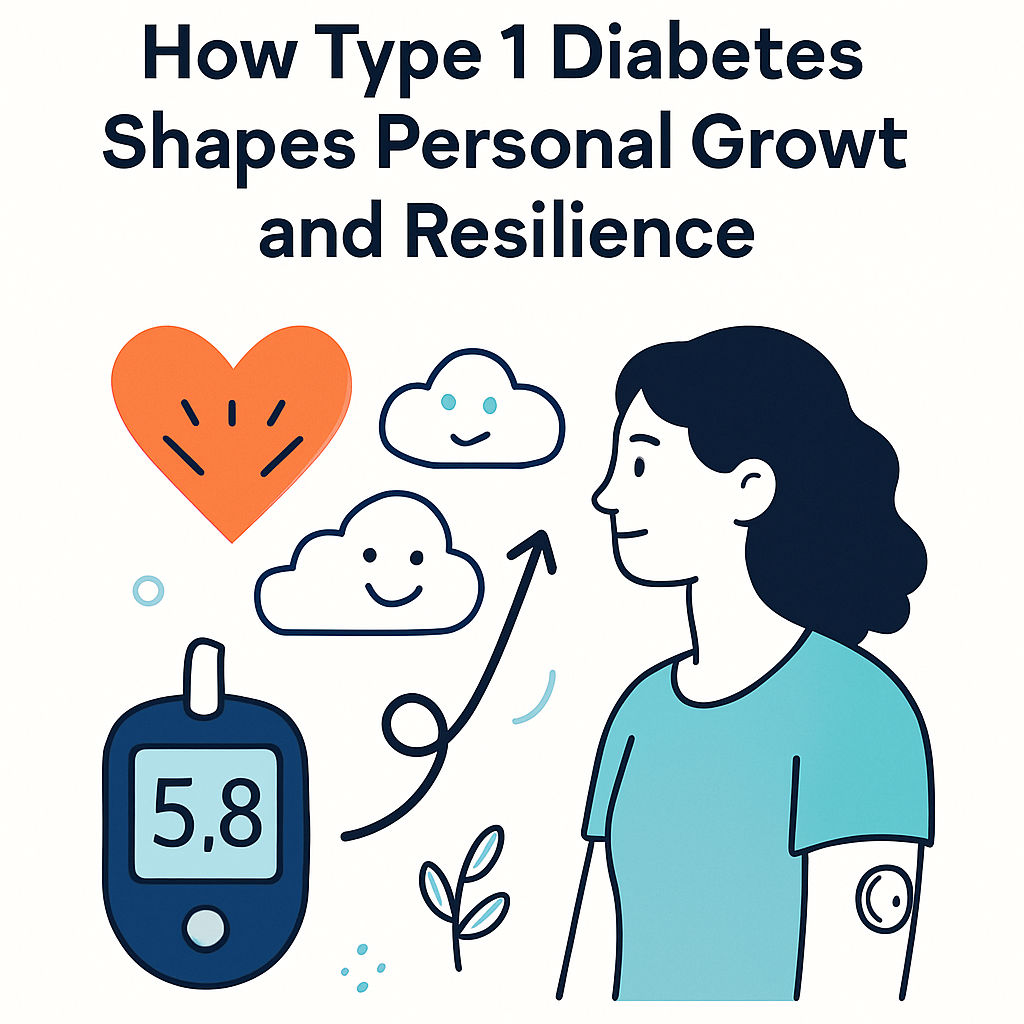
Living with type 1 diabetes is a journey that extends far beyond managing blood sugar levels and involves a complex emotional landscape. The chronic nature of this condition requires constant vigilance and adaptation, which can be both challenging and transformative. For many, these experiences foster personal growth and resilience, shaping individuals in profound ways. The daily routines of monitoring glucose levels, balancing insulin, and anticipating the body’s needs cultivate a unique sense of discipline and self-awareness. This continuous process often leads to a deeper understanding of one’s own health and an appreciation for the small victories that occur along the way.
However, the emotional journey is not without its hurdles. The unpredictability of blood sugar fluctuations and the constant need for careful management can bring about feelings of frustration, anxiety, and even isolation. These emotional responses are valid and common, highlighting the importance of a strong support system. Engaging with healthcare providers, family, friends, and peer support groups can provide invaluable encouragement and perspective. As each person’s experience with type 1 diabetes is unique, these support networks can offer personalized insights and foster a sense of community, helping to alleviate the emotional burden that often accompanies the condition.
Through navigating the ups and downs, individuals often discover new facets of their strength and capability. The resilience built in managing type 1 diabetes can have a ripple effect, influencing other areas of life and leading to remarkable personal development. This resilience may manifest as enhanced problem-solving skills, increased empathy, and a balanced approach to life’s challenges. While the journey is deeply personal and varies widely from one individual to another, many find that facing the challenges of type 1 diabetes head-on can lead to a stronger sense of self and a more profound understanding of what it means to live a fulfilling life.
Importantly, while general insights and shared experiences can be beneficial, individual medical guidance is crucial. Management strategies should always be tailored to one’s specific needs, and discussions with healthcare professionals are essential to ensure that both emotional and physical health are addressed comprehensively. By embracing a holistic approach that includes medical advice, emotional support, and self-reflection, those living with type 1 diabetes can navigate their journey with greater confidence and resilience. Ultimately, while type 1 diabetes presents undeniable challenges, it also offers opportunities for significant personal growth, teaching valuable lessons in perseverance, adaptability, and the power of community.