1. Introduction
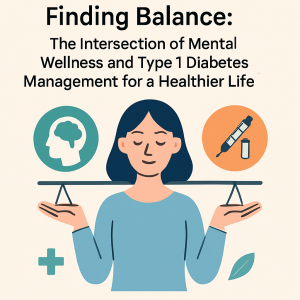
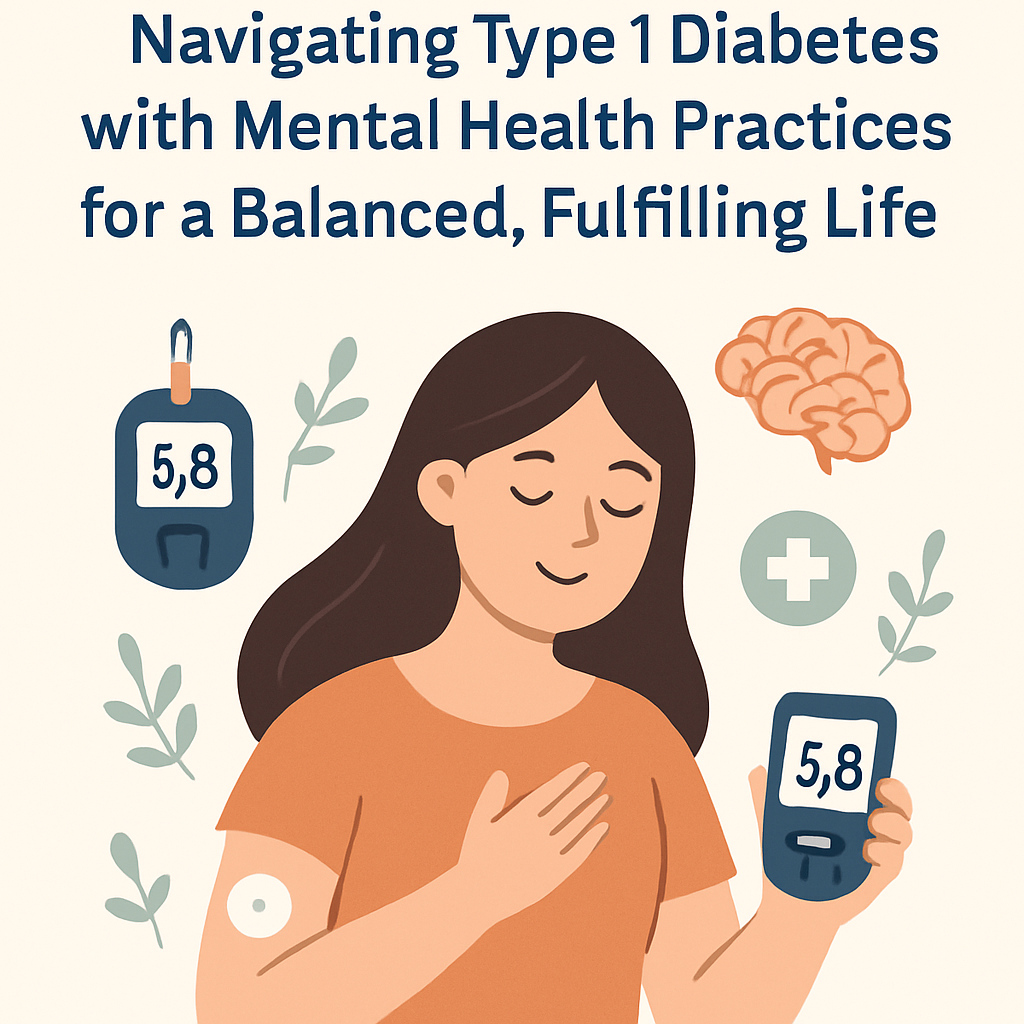
Living with type 1 diabetes involves much more than managing blood sugar levels; it requires a comprehensive approach that includes mental health practices to maintain a balanced and fulfilling life. At its core, type 1 diabetes is a chronic condition where the body’s immune system mistakenly attacks the insulin-producing cells in the pancreas, necessitating lifelong insulin therapy. This daily commitment to managing blood glucose can be overwhelming, impacting both physical and emotional well-being. As such, cultivating a strong foundation of self-care that integrates mental health strategies is essential for those navigating this journey.
Understanding the connection between diabetes management and mental health is crucial. The day-to-day responsibilities inherent in managing type 1 diabetes, such as monitoring blood sugar, counting carbohydrates, and administering insulin, can be stressful and emotionally taxing. This ongoing pressure may lead to feelings of burnout, anxiety, or depression, which can, in turn, affect one’s ability to adhere to treatment plans. Recognizing these challenges, many healthcare professionals emphasize the importance of psychological support as part of a comprehensive diabetes care plan. If you’re experiencing these issues, it’s important to reach out to a healthcare provider who can offer guidance tailored to your specific needs.
Incorporating mental health practices into everyday life can be transformative for those with type 1 diabetes. These practices may include stress-reduction techniques like mindfulness meditation, which can help cultivate a sense of calm and improve overall emotional resilience. Additionally, connecting with support groups or communities, whether in-person or online, can provide a sense of shared experience and understanding, reducing feelings of isolation. Regular physical activity, not only beneficial for managing blood sugar levels, also boosts mood and enhances mental clarity through the release of endorphins.
While each individual’s experience with type 1 diabetes is unique, adopting these mental health strategies can contribute to a more balanced and empowered approach to self-care. It’s important to consult with healthcare professionals to ensure that any new practices or changes to your routine are appropriate for your personal health circumstances. By acknowledging the intricate relationship between physical health and mental well-being, those living with type 1 diabetes can take proactive steps toward a more fulfilling life.
2. Medical Overview
Type 1 diabetes is a chronic condition characterized by the autoimmune destruction of insulin-producing beta cells in the pancreas. This process leads to an absolute deficiency of insulin, a hormone essential for regulating blood glucose levels. Without sufficient insulin, glucose accumulates in the bloodstream, resulting in high blood sugar levels, which can cause a range of symptoms and complications if not managed properly. Individuals with type 1 diabetes require lifelong insulin therapy to manage their condition, usually administered through injections or an insulin pump. The goal is to maintain blood glucose levels within a target range to minimize the risk of complications.
Managing type 1 diabetes involves a careful balance of insulin administration, carbohydrate intake, physical activity, and regular monitoring of blood glucose levels. Each person’s experience with diabetes is unique, and factors like stress, illness, and lifestyle changes can affect blood sugar control. Consequently, healthcare providers often tailor treatment plans to fit individual needs. It’s important for those with type 1 diabetes to work closely with their healthcare team to determine the best strategies for managing their condition. This collaborative approach helps ensure that treatment plans are not only effective but also adaptable to changes in the individual’s life and health status.
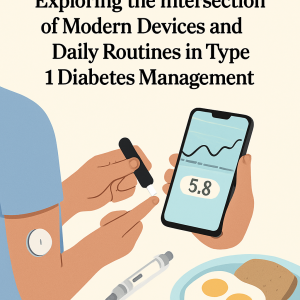
In addition to insulin therapy, monitoring blood glucose levels is a critical component of diabetes management. This typically involves using a glucometer or continuous glucose monitor (CGM) to check blood sugar levels multiple times a day. Regular monitoring helps individuals make informed decisions about insulin doses, dietary choices, and physical activities. This proactive approach can help in reducing the risk of both hyperglycemia (high blood sugar) and hypoglycemia (low blood sugar), ensuring a more stable metabolic state.
While managing the physical aspects of type 1 diabetes is crucial, addressing mental health is equally important. Living with a chronic condition can be emotionally challenging, potentially leading to stress, anxiety, or depression. Incorporating mental health practices, such as mindfulness, stress-reduction techniques, and seeking support from mental health professionals, can play a significant role in fostering a balanced and fulfilling life. It’s important for individuals to recognize when they need additional support and to seek guidance from healthcare providers, who can offer resources or referrals to mental health specialists.
Overall, effective management of type 1 diabetes requires a holistic approach that considers both physical and mental health. By understanding the medical aspects and recognizing the importance of self-care and psychological support, individuals can navigate the complexities of this condition and work towards a balanced, fulfilling life. Always consult with your healthcare provider to ensure that your management plan is appropriate for your individual needs and circumstances.
3. Practical Guidance
Navigating the daily demands of type 1 diabetes management can be challenging, but adopting practical strategies can empower you to live a balanced, fulfilling life. One key aspect of self-care is establishing a routine that integrates diabetes management seamlessly into your day. Start by planning your meals and snacks in advance, focusing on balanced nutrition that includes carbohydrates, proteins, and healthy fats. This can help maintain steady blood sugar levels and reduce the stress of last-minute food decisions. Additionally, keeping track of your blood glucose levels at consistent times each day can provide valuable insights into how your body responds to various foods, activities, and insulin doses.
Physical activity is another cornerstone of effective diabetes management and mental well-being. Regular exercise not only helps regulate blood sugar levels but also boosts mood and reduces stress. Try to incorporate enjoyable activities into your routine, whether it’s a brisk walk, cycling, or a yoga session. Remember, it’s important to monitor your blood glucose levels before, during, and after exercise to ensure they remain within a safe range. If you experience low blood sugar, address it immediately by consuming a fast-acting carbohydrate and wait until your levels stabilize before continuing with your activity.
Stress management is equally vital in maintaining both physical and mental health. Mindfulness practices, such as meditation and deep breathing exercises, can be powerful tools for reducing anxiety and improving focus. Setting aside a few minutes each day for these activities can help you build resilience against daily stressors. Also, consider keeping a journal to express your thoughts and emotions related to diabetes management. This can be a therapeutic way to process your experiences and identify patterns or triggers that may affect your mood or blood sugar levels.
Effective self-care also involves building a support network. Connecting with others who understand your journey, whether through support groups or online communities, can provide encouragement and practical advice. Sharing experiences and learning from others can offer new perspectives and coping strategies. Moreover, regular communication with your healthcare team is essential. They can offer personalized guidance and help adjust your management plan as needed. If you find yourself feeling overwhelmed or noticing changes in your mood, do not hesitate to reach out to a healthcare professional for support.
Ultimately, managing type 1 diabetes with mental health practices requires a proactive approach and a willingness to adapt. By integrating these practical strategies into your daily routine, you may find greater balance and fulfillment in your life. Always consult with your doctor to tailor these suggestions to your specific needs and circumstances, ensuring that your diabetes management plan is both effective and sustainable.
4. Practical Tips
Living with type 1 diabetes involves more than just managing blood sugar levels; it requires a holistic approach that includes mental well-being. Incorporating mental health practices into your routine can be instrumental in maintaining a balanced and fulfilling life. Here are some practical tips to help you integrate these practices effectively.
Firstly, mindfulness exercises can be a beneficial addition to your daily routine. Mindfulness involves paying attention to the present moment without judgment, which can help reduce stress and improve emotional resilience. You can start small by dedicating just a few minutes each day to mindfulness meditation. For instance, try a simple breathing exercise: find a quiet spot, sit comfortably, and focus on your breath as you inhale and exhale. Acknowledge any thoughts that arise, but gently bring your focus back to your breathing. Over time, this practice may help you cope better with the emotional demands of managing diabetes.
Another practical tip is to establish a consistent daily routine. Living with type 1 diabetes often means balancing multiple tasks, from monitoring blood sugar levels to planning meals and exercise. Creating a routine helps reduce uncertainty and can enhance your sense of control. Consider setting specific times for meals, physical activity, and checking blood sugar levels. Using tools like planners or digital apps can help you keep track of your schedule and ensure that you maintain consistency. Remember, while routines provide structure, they should also be flexible to accommodate your daily life and any changes in your condition.
Additionally, seeking social support can be a powerful way to enhance mental well-being. Connecting with others who understand your experiences can provide emotional relief and practical advice. Consider joining a local or online support group for individuals with type 1 diabetes. Sharing your experiences and learning from others can foster a sense of community and reduce feelings of isolation. Social support from friends and family is equally important; don’t hesitate to communicate your needs and educate them about your condition, so they can offer informed and empathetic support.
Remember, while these tips can be beneficial, it’s essential to tailor them to your unique needs and circumstances. Always consult with your healthcare provider before making significant changes to your diabetes management plan. They can provide personalized advice and ensure that your self-care practices align with your overall health goals. With a balanced approach that includes mental health practices, you may find it easier to navigate the challenges of type 1 diabetes and lead a fulfilling life.
5. Expert Opinions
Expert opinions emphasize the importance of integrating mental health practices into the daily self-care routines of individuals living with type 1 diabetes. Healthcare professionals frequently highlight the interconnected relationship between physical health and mental well-being, noting that successfully managing diabetes involves more than just monitoring blood sugar levels. Clinicians generally recommend establishing a supportive network, which can include family, friends, and mental health professionals, to provide emotional assistance and practical guidance. This network often serves as a valuable resource, helping individuals navigate the daily challenges of diabetes management while also addressing any mental health concerns that may arise.
Experts also suggest that mindfulness practices, such as meditation and deep-breathing exercises, can be beneficial for those with type 1 diabetes. These practices may help reduce stress, which is known to affect blood glucose levels. By incorporating mindfulness into their routine, individuals may experience an improved sense of balance and control over their condition. However, experts caution that while these practices can be helpful, they should not replace traditional medical treatments. Instead, they should complement the standard care advised by healthcare providers. It’s essential for individuals to discuss any new practices they wish to try with their healthcare team to ensure they align with their overall treatment plan.
Another key recommendation from experts is the practice of self-compassion. Living with a chronic condition like type 1 diabetes can sometimes lead to feelings of frustration or self-blame, especially when facing unexpected challenges or setbacks. Mental health professionals often advocate for a compassionate approach, encouraging individuals to acknowledge their efforts and recognize that perfection is not a realistic goal. By fostering a kind and understanding attitude toward oneself, individuals may find it easier to maintain motivation and resilience in their self-care routines.
Furthermore, healthcare providers stress the importance of regular mental health check-ins. This can involve formal therapy sessions or informal conversations with trusted individuals. Such check-ins are crucial for identifying any underlying issues such as anxiety or depression, which can complicate diabetes management if left unaddressed. By staying attuned to their mental health needs, individuals can take proactive steps to seek help when necessary, ensuring a more holistic approach to their overall well-being.
Ultimately, experts agree that while managing type 1 diabetes can be challenging, integrating mental health practices into daily routines can significantly enhance one’s quality of life. By balancing physical care with emotional support, individuals can work towards achieving a fulfilling and balanced life. As always, it is important for those with type 1 diabetes to consult their healthcare providers before making any significant changes to their self-care strategies, ensuring that their approach is safe and effective for their unique circumstances.
6. Misconceptions
Misconceptions about type 1 diabetes can create challenges for those living with the condition, especially when trying to balance diabetes management with mental health. One common misconception is the belief that type 1 diabetes is solely caused by lifestyle choices. In reality, type 1 diabetes is an autoimmune condition where the body’s immune system mistakenly attacks insulin-producing cells in the pancreas. It’s important to recognize that individuals with type 1 diabetes did not cause their condition through diet or exercise habits. This understanding can alleviate unwarranted guilt or blame, fostering a more supportive environment for self-care.
Another misconception is the assumption that managing type 1 diabetes is purely about maintaining blood sugar levels. While monitoring glucose is crucial, the emotional and psychological aspects of living with the condition are equally important. Stress, anxiety, and depression can significantly impact blood sugar control and overall well-being. Therefore, incorporating mental health practices into daily routines can be just as vital as physical health management. Embracing this comprehensive approach can empower individuals to lead a more balanced and fulfilling life.
There is also a tendency to underestimate the complexity of type 1 diabetes management. It is not as simple as just taking insulin; it requires continuous monitoring, decision-making, and adaptation. Misunderstandings about the effort involved can lead to unrealistic expectations or unintended pressure from others. Friends and family should be encouraged to educate themselves on the nuances of type 1 diabetes to provide informed support. If you are living with type 1 diabetes, having open conversations with loved ones about your needs and experiences can help build a network of understanding and encouragement.
Lastly, it’s a misconception that individuals with type 1 diabetes cannot lead active, fulfilling lives. While the condition presents unique challenges, many people with type 1 diabetes pursue their passions, engage in diverse activities, and achieve their goals. With proper management and support, individuals can thrive in both personal and professional realms. If you ever feel limited by your condition, consider speaking with a healthcare professional who can offer guidance tailored to your situation, ensuring you have the resources to navigate any barriers.
Recognizing and addressing these misconceptions is a crucial step toward empowering yourself or a loved one managing type 1 diabetes. By fostering a more accurate understanding of the condition, you can create a more supportive environment that appreciates the full scope of living with type 1 diabetes, including its mental health dimensions. Always consult with your healthcare provider for personalized advice and support tailored to your unique circumstances.
7. Summary
Living with type 1 diabetes is a journey that requires constant vigilance and adaptation, but integrating mental health practices into daily routines can significantly enhance one’s quality of life. This blog post explores the empowering intersection of diabetes management and mental well-being, emphasizing how nurturing the mind can play a pivotal role in achieving a balanced, fulfilling life. The intricacies of managing type 1 diabetes extend beyond physical health, encompassing emotional resilience and mental fortitude. By acknowledging the psychological aspects, individuals can create a comprehensive self-care strategy that harmonizes both physical and emotional needs.
Type 1 diabetes management involves more than monitoring blood sugar levels and administering insulin. It requires a proactive approach to mental health, which can help reduce stress and anxiety, common companions of chronic health conditions. Techniques such as mindfulness, cognitive behavioral strategies, and support groups may offer valuable tools for coping with the emotional demands of diabetes. Mindfulness practices, for instance, can aid in reducing stress by encouraging individuals to stay present and accept their experiences without judgment. Similarly, cognitive behavioral strategies can help reframe negative thoughts and develop healthier coping mechanisms.
Support systems, whether through family, friends, or organized groups, also play a crucial role in maintaining mental health. Connecting with others who understand the challenges of living with type 1 diabetes can provide emotional relief and practical insights. Additionally, professional guidance from mental health professionals familiar with diabetes can offer personalized strategies to bolster emotional resilience. While these practices may not eliminate the challenges of diabetes, they can equip individuals with the tools necessary to navigate them more effectively, fostering a sense of empowerment and control.
It is important to remember that the effectiveness of mental health practices can vary between individuals. What works for one person may not be as beneficial for another, so exploring different strategies and finding what resonates is key. Always consult with healthcare providers to tailor an approach that aligns with personal health needs and circumstances. By prioritizing mental health alongside physical health, individuals with type 1 diabetes can strive for a more balanced and fulfilling life, where self-care becomes a holistic endeavor.