1. Introduction
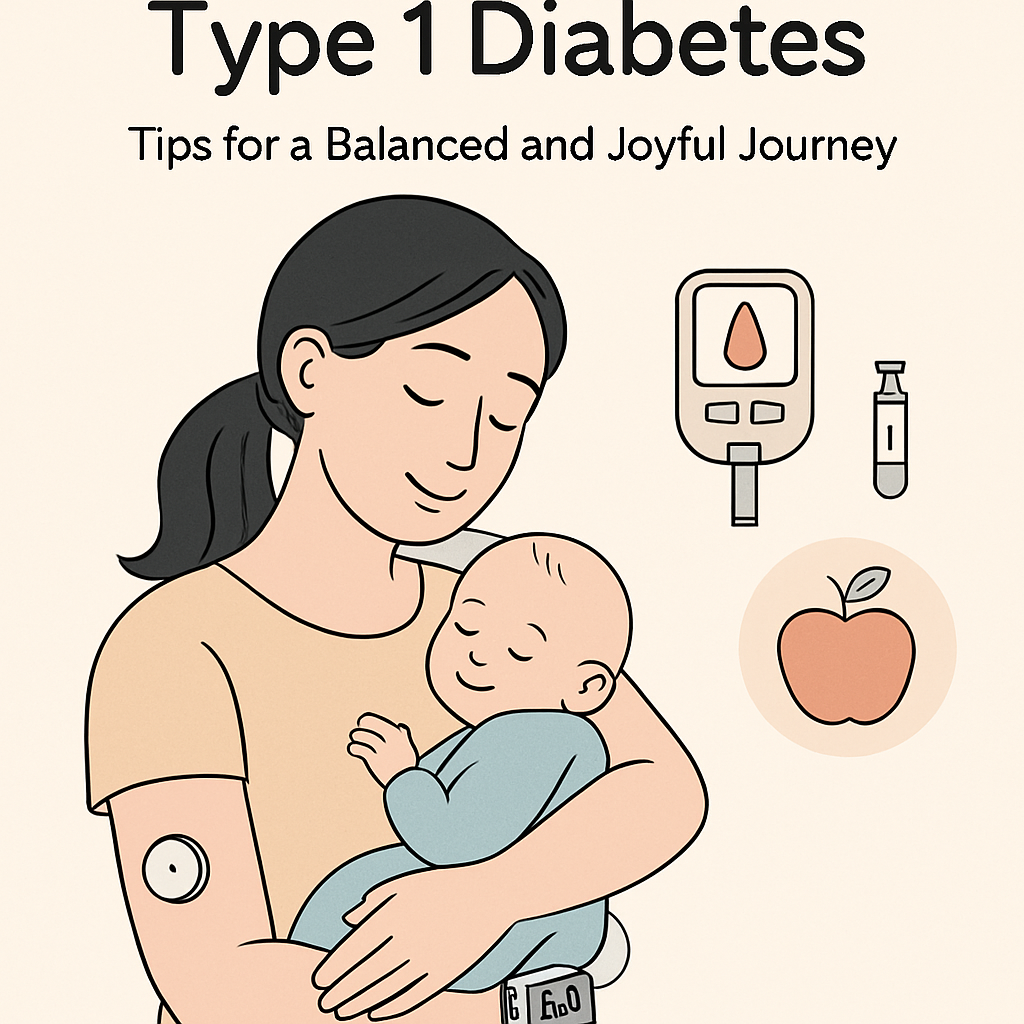
Welcoming a new baby into the world is a life-changing experience filled with joy, excitement, and, at times, overwhelming challenges. For mothers living with type 1 diabetes, the journey of new motherhood presents its own unique set of hurdles, blending the demands of managing blood sugar levels with the day-to-day needs of a newborn. Balancing these responsibilities is no small feat, but with preparation, support, and a positive mindset, it is possible to navigate this new chapter in life with confidence and joy.
Type 1 diabetes requires constant attention to blood glucose levels, dietary considerations, and insulin management. The addition of motherhood introduces new variables, such as sleep deprivation, fluctuating hormones, and shifts in daily routines, all of which can affect diabetes management. Understanding these changes and how they might impact your condition is crucial. Working closely with your healthcare team can help tailor your diabetes management plan to fit your new lifestyle, ensuring that both you and your baby remain healthy and safe. Always consult your doctor or diabetes care team when adjusting your management plan to accommodate new circumstances.
As a new mom, it is essential to prioritize your health alongside your baby’s. This means being vigilant about monitoring blood sugar levels, recognizing the signs of hypoglycemia, and having a plan in place to address any issues that arise. Low blood sugar, for instance, requires immediate attention and should be treated before resuming any activities. This proactive approach not only helps in maintaining your health but also enables you to be more present and engaged with your newborn.
It’s important to acknowledge that each mother’s journey with type 1 diabetes is unique. What works for one individual may not be suitable for another. Being flexible and open to adapting your strategies as you learn what works best for you and your family can make a significant difference. Building a support network—whether through family, friends, or support groups—can provide valuable emotional and practical assistance, helping you to manage the dual demands of diabetes and motherhood effectively.
Ultimately, embracing this new phase with patience and self-compassion is key. While the challenges are real, they are not insurmountable. With the right support and information, you can create a nurturing environment for both yourself and your baby, laying the foundation for a balanced and joyful journey through motherhood with type 1 diabetes.
2. Medical Overview
Type 1 diabetes is a chronic condition where the pancreas produces little to no insulin, a hormone essential for allowing glucose to enter cells and produce energy. For new mothers with type 1 diabetes, understanding the medical landscape of this condition is crucial for managing it alongside the demands of motherhood. Insulin therapy is the cornerstone of treatment, requiring careful coordination with diet and physical activity to maintain blood glucose levels within a target range. It’s important to work closely with your healthcare team to develop a personalized management plan that can accommodate the changes and challenges of new motherhood.
Monitoring your blood sugar levels frequently is critical, as these levels can fluctuate due to factors like hormonal changes, sleep patterns, and stress, which are all common in the postpartum period. Continuous glucose monitors (CGMs) and insulin pumps can be particularly useful tools, offering real-time data and potentially more precise insulin delivery. However, the suitability and effectiveness of such devices can vary from person to person, so discussing options with your doctor is advisable.
Hypoglycemia, or low blood sugar, is a significant concern, especially for new mothers who may have disrupted sleep and irregular meal schedules. Symptoms of hypoglycemia can include shakiness, confusion, and dizziness, and it’s crucial to address these promptly. Having a plan in place, such as keeping quick-acting carbohydrates on hand, can be helpful. Remember, if you experience severe symptoms or cannot recover from a low blood sugar episode, seek medical attention immediately.
Breastfeeding can also influence blood sugar levels, often leading to lower levels, which might require adjustments in insulin dosage or meal planning. While many women with type 1 diabetes successfully breastfeed, this aspect of postpartum life requires careful monitoring and possibly more frequent consultations with healthcare providers to ensure both mother and baby are healthy.
Given the complexities of managing type 1 diabetes during this life stage, regular appointments with your endocrinologist, diabetes educator, and possibly a dietitian can provide tailored advice and support. They can help you navigate the interplay between diabetes management and the demands of new parenthood, ensuring that you have the guidance needed to make informed decisions about your health and well-being.
3. Practical Guidance
Transitioning into motherhood while managing type 1 diabetes can be demanding, but with practical strategies and a balanced approach, it is entirely possible to navigate this period with confidence and joy. One of the key elements is establishing a reliable routine that accommodates both your needs and those of your newborn. Consistency in your daily schedule, including regular meal times and glucose monitoring, can help you maintain better control over your blood sugar levels. To support this, consider preparing meals in advance or utilizing meal delivery services that cater to your nutritional needs. This can reduce stress and free up more time for you to focus on bonding with your baby.
Another important aspect is to stay organized with your diabetes management tools. Having a designated space for your supplies, such as insulin, glucose meters, and snacks for treating hypoglycemia, ensures that everything is easily accessible when you need it. This is particularly helpful during those moments when your baby requires immediate attention and you need to be efficient with your time. Additionally, consider using technology to your advantage. There are various apps available that can help track your glucose levels, insulin doses, and carbohydrate intake, which can be particularly useful for new mothers trying to juggle multiple responsibilities.
Sleep deprivation is a common challenge for new parents and can significantly affect blood sugar levels. While it’s not always possible to get a full night’s sleep, try to prioritize rest whenever you can. Napping when your baby sleeps and asking for help from partners, family members, or friends can make a difference. It’s also beneficial to monitor your blood sugar levels more frequently during this time, as lack of sleep can impact insulin sensitivity. If you notice significant changes, consult your healthcare provider to discuss possible adjustments to your diabetes management plan.
Physical activity can also play a role in managing type 1 diabetes postpartum. Once you have been cleared by your healthcare provider, engaging in light exercises like walking with your baby in a stroller can help improve insulin sensitivity and enhance your mood. Start slowly and listen to your body, ensuring you have snacks or glucose tablets readily available to address any sudden drops in blood sugar. Remember, each person’s experience with diabetes is unique, and what works for one person may not be suitable for another. It’s always a good idea to discuss any exercise plans with your healthcare team to ensure they’re safe and beneficial for your specific situation.
Lastly, emotional well-being is just as important as physical health. The transition to motherhood can be overwhelming, so don’t hesitate to seek support when needed. This could be through diabetes support groups, online communities, or counseling. Sharing experiences and learning from others in similar situations can provide comfort and practical insights. Always keep open communication with your healthcare provider, who can offer personalized advice and support tailored to your needs as you navigate this new chapter with type 1 diabetes.
4. Practical Tips
Welcoming a new baby into the family is a joyous occasion, but for mothers with type 1 diabetes, it also introduces unique challenges and opportunities for balancing self-care with caring for an infant. Here are some practical tips that can help you manage your diabetes while navigating the early days of motherhood.
First, prioritize regular monitoring of your blood sugar levels. With a newborn, you may find your schedule more unpredictable than ever. Consider setting reminders on your phone to check your blood sugar levels at consistent intervals. Using a continuous glucose monitor (CGM) can be particularly helpful if you’re comfortable with this technology, as it offers real-time insights and can alert you to any fluctuations that need attention. Remember, managing your blood sugar is crucial not just for your health but also for being able to care for your baby effectively.
Second, develop a flexible meal plan that accommodates both your nutritional needs and the demands of a busy schedule. Preparing meals in advance can save time and reduce stress. For instance, consider stocking your freezer with healthy, ready-to-eat meals or snacks that can be quickly reheated. This approach can ensure you have balanced meals available, even during those hectic days when cooking seems impossible. You may also find it helpful to have a variety of snacks on hand that can help maintain your blood sugar levels, such as nuts, whole-grain crackers, or yogurt. As always, discuss any dietary changes with your healthcare provider to ensure they align with your diabetes management plan.
Finally, ensure you have a support system in place. Whether it’s a partner, family member, friend, or a local support group, having people you can rely on is invaluable. They can help with baby care, allowing you time to rest or manage your diabetes. Additionally, consider joining online communities of other mothers with type 1 diabetes; these platforms can offer emotional support, practical advice, and a sense of camaraderie. It’s reassuring to connect with others who understand the balance you are striving for and can share their experiences.
While these tips can provide a framework for managing type 1 diabetes during new motherhood, every individual’s needs and circumstances are different. Be sure to consult with your healthcare team to tailor strategies that best suit your personal health and lifestyle. Remember, taking care of yourself is an essential part of taking care of your baby.
5. Expert Opinions
Navigating the world of new motherhood while managing type 1 diabetes can feel daunting, but insights from healthcare professionals can offer valuable guidance and reassurance. Clinicians generally emphasize the importance of establishing a robust support system, which can include family, friends, and healthcare providers. This network can help new mothers balance the demands of caring for a newborn with the continuous attention diabetes management requires. Regular consultations with healthcare professionals can help tailor diabetes management plans to accommodate the new routines and challenges that come with a baby.
Experts often highlight the significance of maintaining stable blood sugar levels, especially in the postpartum period when hormonal changes can affect insulin needs. They suggest that new mothers work closely with their diabetes care team to adjust their insulin regimen as needed. This dynamic approach can help manage the natural fluctuations in blood glucose levels that occur with changes in sleep patterns, stress, and diet. Healthcare providers typically recommend frequent monitoring of blood glucose levels to gather data that can inform these adjustments. However, the specific needs and adjustments can vary greatly from one individual to another, so it is crucial for new mothers to maintain open communication with their healthcare team.
Another area where expert advice is often sought is in relation to breastfeeding. While many women with type 1 diabetes can breastfeed successfully, it is important to be aware that breastfeeding can impact blood sugar levels, sometimes leading to hypoglycemia. Health professionals generally advise monitoring blood glucose more frequently and having a plan in place to manage low blood sugar events, especially during and after feeding sessions. This plan might include having quick sources of glucose readily available and ensuring that someone is aware of the situation to provide assistance if necessary.
Furthermore, lifestyle modifications, including balanced nutrition and physical activity, are frequently discussed in expert circles. These can play a vital role in both diabetes management and overall well-being. Healthcare providers often encourage new mothers to focus on a diet that supports their energy needs and promotes stable blood sugar levels. Gradual reintroduction of physical activity, as recommended by a healthcare provider, can also be beneficial for managing diabetes and enhancing mood and energy levels. It is important to note that any significant lifestyle changes should be discussed with a healthcare provider to ensure they are safe and appropriate.
Ultimately, while expert guidance provides a foundation, it is essential to remember that each person’s experience with type 1 diabetes and new motherhood is unique. Regular consultations with healthcare providers ensure that the guidance received is personalized and relevant. By actively engaging with their healthcare team, new mothers can navigate this special time with greater confidence and joy.
6. Misconceptions
Misconceptions about type 1 diabetes can create unnecessary challenges for new mothers navigating both their health and the joys of motherhood. Understanding these misconceptions can help alleviate stress and provide a clearer perspective on managing diabetes while raising a child. One common misunderstanding is the belief that managing type 1 diabetes during motherhood is solely about avoiding sugar. While monitoring carbohydrate intake is important, it is just one piece of a larger puzzle. Type 1 diabetes management involves balancing insulin doses, monitoring blood sugar levels, and maintaining a healthy lifestyle, which includes proper nutrition, exercise, and stress management. It’s crucial to remember that each person’s diabetes management plan is unique, and what works for one person may not be suitable for another. Consulting with healthcare providers can ensure that your management plan remains effective and personalized.
Another misconception is the assumption that all diabetes-related challenges will disappear with the use of an insulin pump or continuous glucose monitor (CGM). While these technologies can significantly aid in managing diabetes, they are tools that require active engagement, such as regular monitoring and adjustments. They do not automatically eliminate the need for thoughtful daily management decisions. It’s important to be patient with yourself and recognize that these devices are part of a broader strategy, not instant fixes. Discussing your experiences and concerns with your diabetes care team can help optimize the use of these technologies in your personal management plan.
There is also a tendency to underestimate the emotional and psychological aspects of living with type 1 diabetes, particularly when combined with the demands of new motherhood. It’s a misconception that diabetes management is purely a physical task. In reality, the emotional load can be significant, and new mothers may face increased stress and fatigue as they juggle their roles. It’s important to acknowledge these feelings and seek support when needed, whether through support groups, counseling, or conversations with loved ones. Mental well-being is as crucial as physical health in managing diabetes effectively.
Lastly, some may mistakenly believe that experiencing hypoglycemia, or low blood sugar, is a minor inconvenience that can be brushed aside. However, it’s vital to treat hypoglycemia promptly and ensure full recovery before resuming activities, especially when caring for a newborn. Ignoring symptoms or delaying treatment can lead to more serious complications. Having a plan in place for managing low blood sugar events and discussing this plan with those around you can help ensure you and your baby remain safe. Always consult with your healthcare provider to tailor strategies that best suit your situation.
7. Summary
Welcoming a new baby is a joyful but challenging time for any parent, and for those with type 1 diabetes, it adds another layer of complexity. Juggling the demands of motherhood while managing blood sugar levels requires a thoughtful approach, yet it can be a fulfilling experience with the right strategies in place. Understanding your body’s needs and making mindful adjustments to your diabetes management plan is crucial. This often involves working closely with your healthcare team to tailor an approach that fits your new lifestyle. Remember, what works for one person may not necessarily work for you, so personalized guidance from your doctor is invaluable.
Staying on top of your blood sugar levels is essential, but it’s equally important to be flexible and forgiving with yourself. Many new mothers find that their glucose levels fluctuate more than usual due to hormonal changes, sleep disruptions, and shifts in routine. Prioritizing regular blood sugar monitoring and being prepared to address unexpected highs or lows can help you maintain stability. In moments of uncertainty, consulting your healthcare provider can provide clarity and reassurance.
Planning and preparation can make a significant difference in balancing the responsibilities of motherhood with diabetes care. Simple steps like preparing meals ahead of time, keeping a stash of quick, healthy snacks, and organizing your diabetes supplies can ease your daily routine. Additionally, finding a support network, whether through family, friends, or online communities, can provide emotional and practical support. Sharing experiences and tips with others facing similar challenges can be immensely comforting and helpful.
Lastly, self-care should not be overlooked. While it can be tempting to focus all your energy on your newborn, remember that taking care of yourself is crucial for both your well-being and your ability to care for your baby. When possible, carve out time for activities that recharge you, whether it’s a short walk, reading a book, or simply taking a moment to breathe deeply. By nurturing yourself, you’ll be better equipped to handle the joys and challenges of new motherhood with type 1 diabetes.