1. Introduction
Type 1 diabetes is a chronic condition that requires ongoing management and can significantly impact a person’s daily life. Unlike type 2 diabetes, which is often associated with lifestyle factors, type 1 diabetes is primarily an autoimmune condition that usually appears in childhood or adolescence, though it can occur at any age. Managing this condition involves careful monitoring of blood sugar levels, insulin administration, and making thoughtful lifestyle choices to maintain overall well-being. While these tasks are crucial for physical health, they can also be emotionally taxing. This is where the integration of art therapy can offer a unique and supportive avenue for individuals living with type 1 diabetes.
Art therapy, a form of expressive therapy, leverages the creative process of making art to improve a person’s physical, mental, and emotional well-being. It is not about creating a masterpiece, but rather about expressing feelings and thoughts that might be difficult to articulate verbally. For those managing type 1 diabetes, art therapy can provide a much-needed emotional outlet, helping to reduce stress and anxiety that may accompany the rigorous daily care regimen. Engaging in creative activities can offer a sense of control and accomplishment, which is particularly valuable when dealing with a condition that can sometimes feel overwhelming.
Moreover, art therapy can serve as a complementary tool for understanding and processing the emotional aspects of living with diabetes. From dealing with the frustrations of fluctuating blood sugar levels to navigating the social dynamics of managing the condition, patients often face unique emotional challenges. Through artistic expression, individuals may find new ways to communicate their experiences and feelings, potentially leading to improved emotional health and a greater sense of balance in daily life. While art therapy is not a substitute for medical treatment or insulin management, it can be a beneficial addition to a comprehensive approach to living with type 1 diabetes.
It’s important to remember that the benefits of art therapy can vary from person to person, and it should be considered as part of a broader strategy tailored to individual needs. Anyone interested in exploring art therapy as a component of diabetes management should consult with their healthcare provider to discuss how it might fit into their overall care plan. By embracing creative expression, individuals with type 1 diabetes can potentially enhance their emotional resilience and find new pathways to a balanced and fulfilling life.
2. Medical Overview
Type 1 diabetes is a chronic autoimmune condition where the body’s immune system mistakenly attacks and destroys insulin-producing beta cells in the pancreas. This results in the pancreas producing little to no insulin, a hormone crucial for allowing glucose to enter cells and be converted into energy. Without sufficient insulin, blood glucose levels rise, leading to various short-term and long-term health complications. Management of type 1 diabetes involves a lifelong commitment to maintaining blood glucose levels within a target range, which typically requires regular monitoring, insulin therapy, and careful lifestyle choices, including diet and exercise. It’s important for individuals with type 1 diabetes to work closely with healthcare professionals to tailor their treatment plan to their unique needs.
While the medical management of type 1 diabetes primarily focuses on maintaining blood glucose levels, it’s equally important to address the emotional and mental health aspects of living with the condition. The daily demands of managing diabetes can be overwhelming and may lead to stress, anxiety, or burnout. This is where complementary therapies, such as art therapy, can play a beneficial role. Art therapy provides a creative outlet for expression and can help individuals process emotions, reduce stress, and improve their overall well-being. Engaging in artistic activities may promote relaxation and offer a sense of accomplishment, which can be empowering for those managing a chronic condition.
As with any complementary therapy, it is advisable for individuals to discuss their interest in art therapy with their healthcare provider. This ensures that their approach is safe and aligned with their overall treatment plan. Additionally, art therapy should not replace conventional medical treatments but can be used as a supportive tool alongside traditional management strategies. By integrating creative therapies with medical care, individuals with type 1 diabetes may find a more balanced approach to managing both their physical and emotional health.
3. Practical Guidance
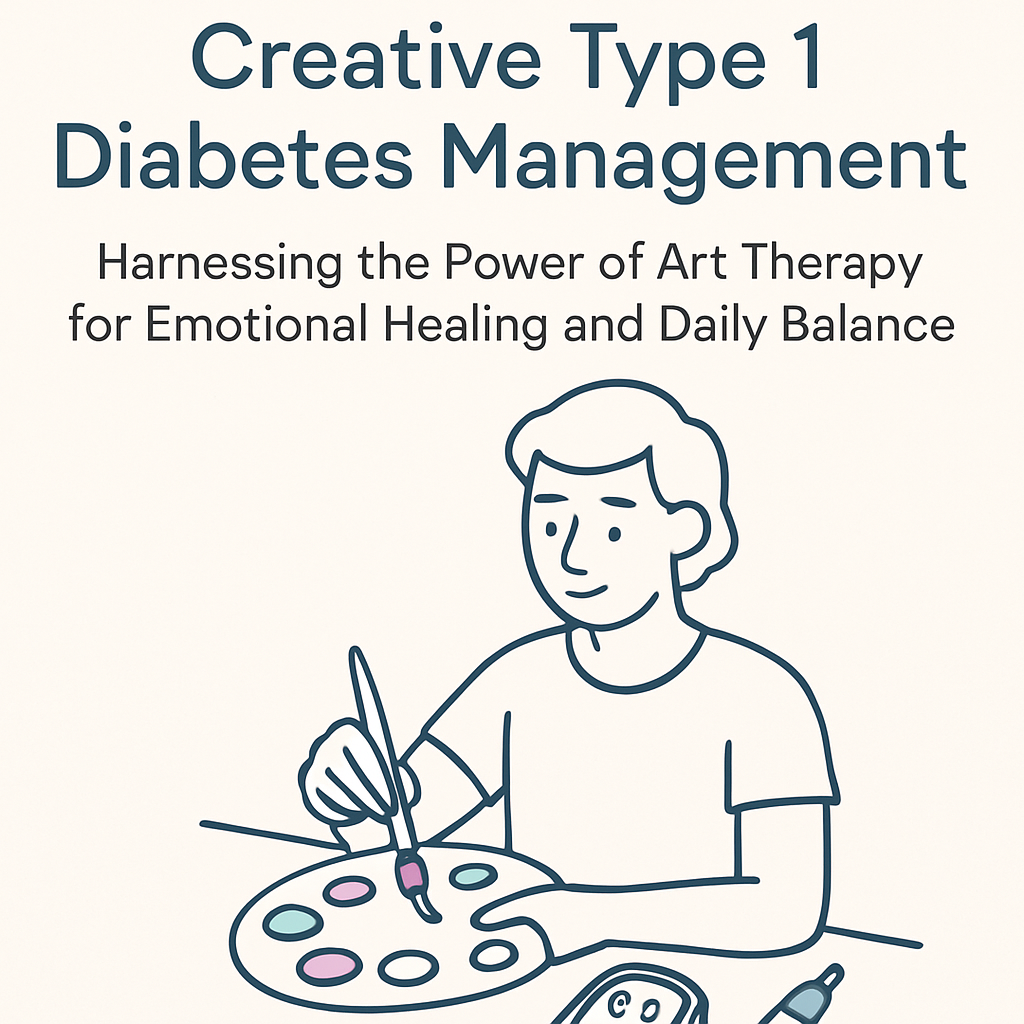
Art therapy can be a valuable tool in managing the emotional and psychological aspects of living with type 1 diabetes. Engaging in creative activities like drawing, painting, or sculpting can provide a meaningful outlet for expressing feelings that might be difficult to articulate otherwise. This form of self-expression may help reduce stress and anxiety, which can positively impact blood sugar management. When you feel overwhelmed by the day-to-day demands of diabetes management, spending some time with your chosen art form can offer a sense of control and mindfulness, allowing you to refocus and approach challenges with a clearer mind.
Incorporating art therapy into your daily routine doesn’t require you to be a professional artist. Start with simple materials like pencils, paints, or clay, and allow yourself the freedom to create without judgment. The goal is not to produce a masterpiece but to engage in the process of creation. You might choose to keep a visual journal where you illustrate your daily experiences, emotions, or even your blood sugar trends. This can offer insights into patterns and triggers, providing a visual narrative of your journey with diabetes.
As you explore art therapy, consider setting aside a specific time each day or week dedicated to your creative practice. Consistency can help integrate this activity into your routine, making it a regular part of your diabetes management plan. You might find that certain times of day are more conducive to creativity, such as in the morning when energy is high or in the evening as a way to unwind. Listen to your body and adjust as needed, always keeping in mind any immediate diabetes-related needs, such as treating low blood sugar, before starting your creative session.
If you’re new to art therapy or unsure where to start, consider joining a local art class or group where you can share experiences and learn from others. This can also provide a supportive community of individuals who understand the unique challenges of managing diabetes. Additionally, online resources and virtual art classes can be a convenient option, especially if access to local groups is limited. Remember, while art therapy can be a beneficial complementary practice, it’s always important to discuss any new management strategies with your healthcare provider, ensuring they align with your overall diabetes care plan.
4. Practical Tips
Art therapy can be an enriching tool for managing the emotional aspects of type 1 diabetes, offering a creative outlet that complements daily routines. One practical tip is to incorporate art into your diabetes management by keeping a visual journal. This can be a sketchbook or digital platform where you illustrate your daily experiences with diabetes. Whether through drawings, collages, or digital art, expressing your feelings about blood sugar fluctuations or the stress of managing your condition can provide emotional relief and insight. It’s a personal space to explore emotions that may be difficult to articulate verbally, potentially helping to reduce stress and improve your overall well-being.
Another approach involves setting aside time for an art project that aligns with your diabetes management goals. For example, creating a series of paintings or drawings that represent different aspects of your diabetes journey can be both therapeutic and motivational. This project might include pieces that portray the challenges, victories, and everyday realities of living with type 1 diabetes. Engaging in such a project can foster a greater sense of connection to your health journey and may encourage more mindful management of your condition. It’s important to remember that art therapy is about the process, not the end product, so there’s no pressure for the artwork to be perfect.
Finally, consider using art as a tool for relaxation and mindfulness, which can be particularly beneficial during stressful times. Engaging in a calming art activity like watercolor painting or coloring can help promote relaxation and may reduce anxiety. This can be especially helpful when feeling overwhelmed by the demands of managing type 1 diabetes. Creating a designated ‘art space’ in your home where you can retreat and focus on art can be an effective way to ensure you have a calming routine in place. Always remember that while art therapy can be a valuable component of emotional management, it should complement, not replace, other diabetes management strategies. For personalized guidance, especially regarding medical and emotional health, it’s crucial to consult with your healthcare provider.
5. Expert Opinions
When it comes to the integration of art therapy into the management of type 1 diabetes, many healthcare professionals recognize the potential benefits it can offer to individuals dealing with the emotional and psychological aspects of the condition. Clinicians often emphasize that managing type 1 diabetes is not solely about monitoring blood glucose levels and administering insulin; it also involves addressing mental health and emotional well-being. Art therapy can serve as a valuable tool in this regard, providing a creative outlet for expression and a means to process complex feelings associated with living with a chronic illness.
Experts in the field suggest that art therapy can help individuals with type 1 diabetes to better understand their emotions, which may contribute to improved self-care. Engaging in creative activities such as painting, drawing, or sculpting can offer a sense of relaxation and reduce stress, which is crucial in managing diabetes effectively. Stress can impact blood sugar levels, so finding healthy ways to cope with it is important. While art therapy is not a replacement for medical treatments or regular monitoring, it can complement traditional diabetes management by promoting emotional resilience.
Healthcare providers frequently point out that art therapy can also facilitate communication, especially for young patients who might find it challenging to articulate their feelings about living with diabetes. Through creative expression, they may find it easier to convey their experiences and concerns, which can then be discussed in a supportive environment. This enhanced communication can lead to a better understanding between patients, their families, and healthcare teams, ultimately contributing to a more comprehensive approach to diabetes management.
While art therapy can be beneficial for many, clinicians advise that it should be tailored to the individual, as responses can vary. It is important for individuals interested in exploring this form of therapy to discuss it with their healthcare providers to determine how it might fit into their overall diabetes care plan. As with any therapeutic approach, what works for one person may not be as effective for another, so personalized guidance is crucial. By collaborating with healthcare professionals, individuals with type 1 diabetes can explore creative practices that align with their needs and preferences.
6. Misconceptions
Misconceptions about type 1 diabetes can significantly impact the lives of those managing the condition, particularly when it comes to integrating innovative approaches like art therapy. One common misconception is that type 1 diabetes is caused by lifestyle choices. Unlike type 2 diabetes, which is more closely linked to lifestyle factors, type 1 diabetes is an autoimmune condition where the body’s immune system mistakenly attacks insulin-producing cells in the pancreas. This misunderstanding can lead to unwarranted blame and stigma, making it more challenging for individuals to seek out supportive therapies, including creative outlets like art therapy, that can aid in emotional and mental health management.
Another misconception is that people with type 1 diabetes cannot lead active, creative lives. This belief can inadvertently discourage individuals from exploring new forms of self-expression and stress relief, such as painting, drawing, or crafting. Art therapy can play a crucial role in providing emotional healing and balance by allowing individuals to express feelings that might be difficult to articulate verbally. However, it’s important to remember that while art therapy can support emotional well-being, it is not a replacement for medical management. Regular consultations with healthcare professionals are essential to ensure that any therapeutic approach is integrated safely and effectively alongside traditional diabetes management strategies.
There is also a misconception that managing type 1 diabetes is solely about monitoring blood sugar levels and administering insulin. While these are critical components, the emotional and psychological aspects of living with a chronic condition are equally important. Art therapy offers a non-judgmental space for individuals to explore their emotions and experiences, potentially reducing stress and anxiety associated with diabetes management. It can also foster a sense of achievement and self-efficacy, which is valuable for overall quality of life.
Lastly, a frequent misunderstanding is that all individuals with type 1 diabetes experience the condition in the same way. In reality, each person’s experience is unique, influenced by various factors including age, lifestyle, and personal health history. Therefore, what works for one person in terms of managing emotional health and daily balance might not work for another. This individuality underscores the importance of personalized care and the need for individuals to consult with their healthcare providers when considering complementary therapies like art therapy. Tailoring these approaches to fit individual needs can make them a more effective component of a comprehensive diabetes management plan.
7. Summary
Art therapy offers a unique avenue for individuals with type 1 diabetes to explore and manage the emotional complexities that accompany the condition. By engaging in creative activities like painting, drawing, or sculpting, individuals can find new ways to express feelings that might otherwise be difficult to articulate. This form of therapy may serve as a valuable complement to traditional diabetes management strategies, which often focus primarily on physical health. The creative process can help reduce stress, foster a sense of empowerment, and provide a mental break from the rigors of daily glucose monitoring and insulin management. While art therapy does not replace medical treatments or professional advice, it can be an effective tool for achieving emotional balance and enhancing overall well-being.
Moreover, art therapy can provide a supportive community for those with type 1 diabetes. Group sessions can facilitate shared experiences, allowing participants to connect with others who understand the challenges of living with diabetes. This sense of community can be instrumental in reducing feelings of isolation and promoting emotional healing. The collaborative environment encourages participants to explore their emotions in a safe and non-judgmental space, which can be particularly beneficial for teenagers and young adults who might struggle with the social aspects of diabetes management.
While the benefits of art therapy are promising, it’s important to note that individual experiences will vary. What works for one person may not be as effective for another, and the effectiveness of art therapy can depend on personal interests and the quality of the therapeutic relationship. Therefore, individuals interested in exploring art therapy should consult their healthcare providers to ensure it aligns with their overall diabetes management plan. By integrating art therapy into a broader, holistic approach, individuals with type 1 diabetes can potentially improve their quality of life while nurturing their emotional health.