1. Introduction
Type 1 diabetes is a chronic condition that requires diligent management of blood sugar levels through a combination of insulin therapy, diet, and exercise. For those living with this condition, achieving a balance between these factors can be both challenging and demanding. Amidst the complexities of daily management, incorporating practices that promote both physical and mental well-being can be particularly beneficial. One such approach is the integration of yoga and meditation into daily routines, which may offer supportive benefits for individuals with type 1 diabetes.
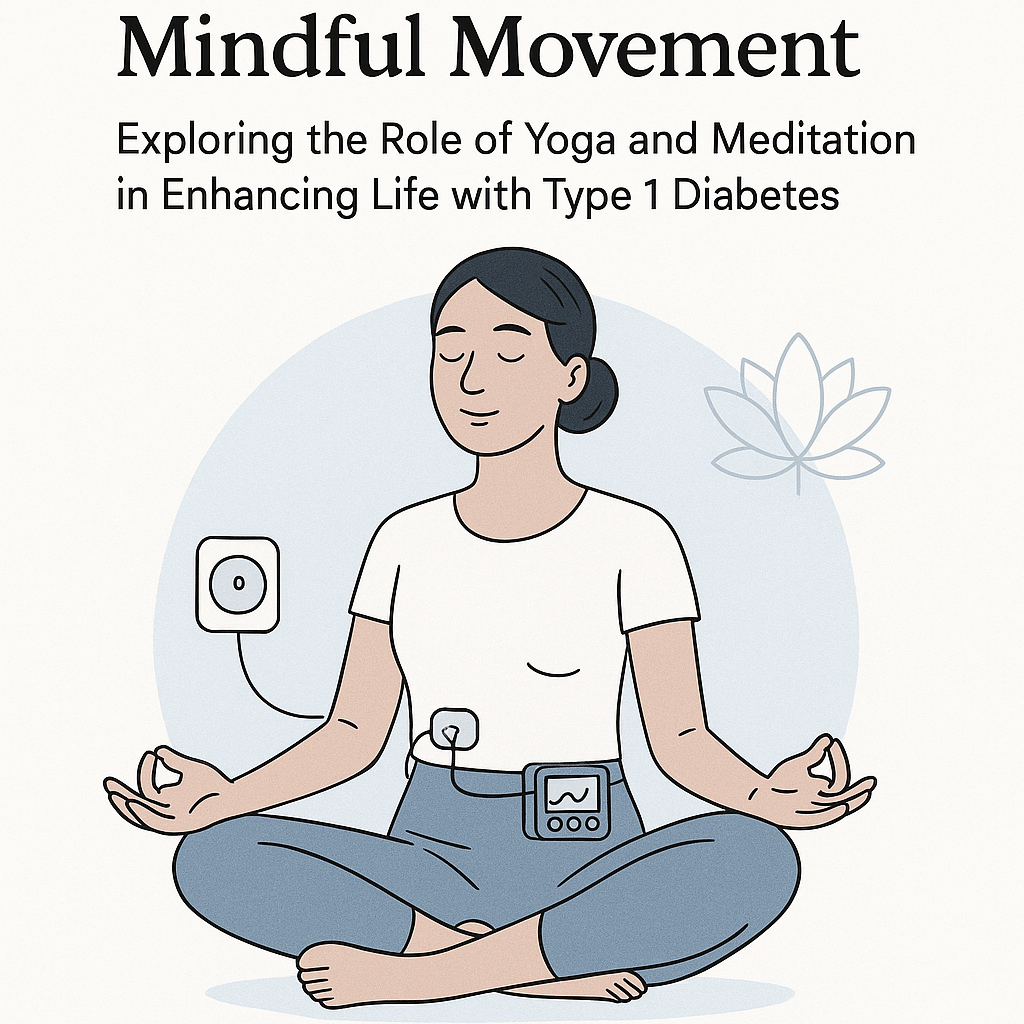
Yoga, an ancient practice that combines physical postures, breathing exercises, and meditation, has been gaining attention for its holistic benefits. For people with type 1 diabetes, yoga may help improve flexibility, strength, and stress management. Mindful movement through yoga could support a greater sense of body awareness, which is vital for recognizing the physiological cues related to blood sugar fluctuations. While yoga is not a substitute for medical treatment, it can serve as a complementary practice that enhances overall quality of life.
Meditation, closely intertwined with yoga, focuses on mindfulness and relaxation techniques that can help reduce stress and anxiety. Stress is known to impact blood sugar levels, and managing it effectively is an important aspect of diabetes care. Meditation can provide a mental sanctuary, potentially aiding in achieving a calm state of mind and fostering emotional resilience. This mental clarity and peace may empower individuals to approach diabetes management with a more positive outlook.
It’s important to acknowledge that the impact of yoga and meditation can vary from person to person. What works well for one individual may not have the same effect on another, and adjustments may be necessary to suit personal needs. Therefore, it is crucial to approach these practices with an open mind and remain attuned to one’s body and responses. Anyone considering adding yoga or meditation to their routine should discuss it with their healthcare provider to ensure these practices align with their overall diabetes management plan.
By exploring the role of mindful movement and meditation, individuals with type 1 diabetes may find new ways to enhance their well-being. While these practices are not a cure, they offer a supportive pathway to improving both physical and emotional health, potentially contributing to a more balanced and fulfilling life. As with any lifestyle change, the journey is personal, and consulting with a healthcare professional can provide guidance tailored to individual needs.
2. Medical Overview
Type 1 diabetes is a chronic condition characterized by the body’s inability to produce insulin, a hormone necessary for regulating blood glucose levels. This autoimmune disease usually develops in children and young adults, though it can occur at any age. The absence of insulin production means that individuals with type 1 diabetes must regularly monitor their blood sugar levels and manage them through insulin therapy, diet, and lifestyle adjustments. Unlike type 2 diabetes, which can sometimes be managed with lifestyle changes alone, type 1 diabetes requires a lifelong commitment to maintaining a balance between insulin intake, food, and physical activity.
Understanding the medical underpinnings of type 1 diabetes is essential for appreciating how practices like yoga and meditation can play a supportive role in managing the condition. Since the body’s immune system mistakenly attacks and destroys the insulin-producing beta cells in the pancreas, people with type 1 diabetes need external insulin sources to help their bodies utilize glucose for energy. This management is critical because poorly controlled blood sugar levels can lead to both short-term complications, like hypoglycemia and hyperglycemia, and long-term issues, such as cardiovascular disease, neuropathy, and kidney damage.
Incorporating mindful movement and relaxation techniques, such as yoga and meditation, into daily routines can have a positive impact on the overall management of type 1 diabetes. These practices may help reduce stress, improve emotional well-being, and promote better physical health, all of which are important for people living with diabetes. Stress is known to affect blood sugar levels, and by potentially lowering stress, yoga and meditation might aid in achieving more stable glucose control. However, it’s important to remember that individual responses can vary; what works for one person might not be as effective for another. Therefore, it is advisable to discuss any new exercise or relaxation regimen with a healthcare provider to ensure it aligns with personal health goals and conditions.
Furthermore, physical activity, including the gentle movements of yoga, can help improve insulin sensitivity, reducing the amount of insulin required to manage blood glucose levels effectively. Meditation, on the other hand, can enhance mental clarity and focus, which are beneficial for making informed decisions about self-care and diabetes management. It’s essential, however, to pay close attention to any signs of hypoglycemia during physical activities. Should low blood sugar occur, it’s crucial to address it immediately and confirm recovery before resuming the activity.
While yoga and meditation are not substitutes for medical treatment, they can complement traditional management strategies by contributing to an overall sense of well-being. As always, it’s essential to work closely with healthcare professionals to create a personalized diabetes management plan that fits one’s unique needs and lifestyle. This ensures that the incorporation of these practices supports, rather than hinders, the effective management of type 1 diabetes.
3. Practical Guidance
Incorporating yoga and meditation into daily routines can be a fulfilling way to enhance life with type 1 diabetes. However, it’s important to approach these practices with care and mindfulness. Before starting any new exercise regimen, including yoga, consulting with your healthcare provider is essential. They can help assess your current health status and advise on any necessary adjustments to insulin or other medications. While yoga is generally a gentle form of exercise, different styles vary in intensity, so choosing a style that aligns with your fitness level and medical advice is critical.
For individuals managing type 1 diabetes, maintaining stable blood glucose levels is a priority. Before engaging in yoga or meditation, it is advisable to check your blood sugar levels. A light snack may be necessary if your levels are on the lower side, but specific actions should be guided by your healthcare provider’s recommendations. During yoga practice, having quick-acting sources of glucose, such as glucose tablets or juice, readily available is a prudent precaution. This ensures that should your blood sugar drop unexpectedly, you can address it promptly.
Mindful movement, such as yoga, provides an opportunity to tune into your body’s signals. Pay attention to how your body feels during and after practice. This awareness can guide modifications to poses or intensity levels to suit your comfort and safety. If you experience any symptoms like dizziness, confusion, or unusual fatigue, it is crucial to stop and check your blood sugar levels. Ensuring these levels return to a safe range before continuing is important for both safety and well-being.
Meditation can also play a supportive role in managing the stress that sometimes accompanies living with type 1 diabetes. Setting aside time for meditation can help cultivate a sense of calm and focus. Starting with a few minutes a day and gradually increasing as you become more comfortable can make meditation a sustainable part of your routine. There are many guided meditation apps and resources available that can provide structure and support, making it easier to integrate this practice into daily life.
When integrating yoga and meditation into your lifestyle, consistency is key. Establishing a regular schedule can help make these practices a habitual part of your routine. However, flexibility is also important; there will be days when your energy levels or blood glucose readings may require adjustments. Listening to your body and respecting your limits is essential. Always remember that your well-being is the priority, and if you’re unsure about how to proceed with your yoga or meditation practice in relation to your diabetes management, seeking guidance from your healthcare team is always a wise choice.
4. Practical Tips
Engaging in yoga and meditation can be a beneficial way to manage type 1 diabetes, but integrating these practices into your routine requires some mindful planning. Here are a few practical tips to help you safely and effectively incorporate these activities into your life.
First, it’s important to be prepared. Always carry a fast-acting source of glucose, such as glucose tablets or a small juice box, during your yoga practice. This ensures that if you experience a drop in blood sugar (hypoglycemia), you can address it immediately. Before starting, check your blood sugar levels to ensure they are in a safe range to exercise. If your levels are low, address this before beginning your session. Remember, it’s crucial to listen to your body and prioritize your safety.
Secondly, consider the timing of your yoga and meditation sessions in relation to your meals and insulin administration. Some people find that practicing yoga after a meal helps maintain stable blood sugar levels, as the body is actively digesting food. Others might prefer to practice before eating to manage early morning blood sugar levels. Finding the best timing for your routine may require some experimentation, and it’s wise to keep track of how your body responds. Discussing your schedule with your healthcare provider can provide additional guidance tailored to your needs.
Another practical tip is to choose the right type of yoga. There are various styles, each offering different levels of intensity. If you’re new to yoga or have concerns about blood sugar fluctuations, starting with a gentle style like Hatha or Yin Yoga may be beneficial. These types focus on slow movements and deep stretching, reducing the risk of sudden drops in blood sugar compared to more vigorous styles like Vinyasa or Ashtanga. As you gain confidence and understanding of how your body reacts, you can explore more dynamic practices if desired.
Additionally, using meditation as a tool for stress management can contribute positively to blood sugar control. Stress can impact blood glucose levels, and incorporating meditation into your daily routine may help reduce stress-related fluctuations. Begin with short, manageable sessions of five to ten minutes, gradually increasing the duration as you become more comfortable. There are many guided meditation apps available that can offer structure and support, making it easier to maintain consistency.
Integrating yoga and meditation into your life with type 1 diabetes is a personal journey that requires attention to your body’s signals and needs. Always prioritize your safety and consult your healthcare provider when making changes to your routine. With mindful practice, these activities can become a valuable part of your diabetes management plan, supporting both physical and mental well-being.
5. Expert Opinions
In recent years, the potential benefits of integrating yoga and meditation into the management of type 1 diabetes have garnered attention from healthcare professionals and researchers alike. Although the direct impact of these practices on blood glucose levels requires more comprehensive study, experts in the field generally agree that they can offer several indirect benefits which may complement traditional diabetes management strategies. Yoga, for example, is known for its ability to enhance physical flexibility, muscular strength, and overall fitness—all factors that can contribute to a healthier lifestyle for individuals with type 1 diabetes.
Mindfulness practices, including meditation, are often recommended by clinicians to help manage the psychological aspects of living with a chronic condition like type 1 diabetes. Stress and anxiety can influence blood glucose levels, and regular meditation is believed to help individuals develop more effective coping mechanisms. By reducing stress, meditation may help minimize fluctuations in blood glucose levels that can be triggered by emotional distress. However, it is important to note that these practices are not a substitute for medical treatment, and individuals should always work closely with their healthcare provider to tailor a plan that suits their personal health needs.
Furthermore, yoga and meditation can enhance awareness of the body’s signals, which is particularly valuable for those managing type 1 diabetes. This increased mindfulness can aid in recognizing the early signs of blood sugar changes, allowing individuals to take timely action. Some practitioners suggest incorporating specific breathing techniques and poses that may help improve circulation and support metabolic functions, though these should be approached cautiously and with professional guidance. It is crucial for individuals to monitor their blood glucose levels regularly, especially when trying new activities, to ensure they remain within a safe range.
While the integration of yoga and meditation into diabetes management holds promise, experts caution that these should be viewed as complementary practices rather than standalone treatments. As always, the primary treatment plan for type 1 diabetes should be based on medical advice tailored to the individual’s needs. Those interested in incorporating mindful movement into their routine are encouraged to discuss it with their healthcare team to ensure it aligns with their overall diabetes management plan. By doing so, they can safely explore the potential benefits while maintaining optimal health.
6. Misconceptions
When it comes to exploring the benefits of yoga and meditation for those living with type 1 diabetes, it’s essential to address some common misconceptions that can create confusion. One prevalent misunderstanding is that yoga and meditation could replace the need for medical treatments such as insulin. It’s important to emphasize that while these practices can support overall well-being and potentially help with stress management and emotional regulation, they are not substitutes for insulin or other prescribed diabetes management strategies. Individuals with type 1 diabetes will always need to adhere to their medical plan, as advised by their healthcare team, which includes maintaining regular insulin therapy.
Another misconception is that yoga and meditation are only for the physically flexible or those who are already calm and relaxed. In reality, these practices are highly adaptable and can be tailored to meet the needs of individuals at any fitness level or state of mind. The emphasis is not on achieving perfect poses but on being present and mindful, which can be beneficial for anyone managing a chronic condition like type 1 diabetes. By focusing on breath and body awareness, these activities may contribute to a sense of balance and calm, which can be valuable for managing the emotional and psychological aspects of living with diabetes.
There’s also a misunderstanding that engaging in yoga and meditation is risk-free for people with diabetes. While these practices are generally safe, there are considerations to keep in mind. For instance, physical activity, including yoga, can affect blood glucose levels. It’s crucial for individuals to monitor their blood sugar before, during, and after practicing yoga, especially if they are trying a new type of exercise or routine. In cases of hypoglycemia, it’s essential to address low blood sugar levels promptly and verify recovery before continuing with the practice. As always, those with type 1 diabetes should consult with their healthcare provider before beginning any new exercise regimen, including yoga, to ensure it’s appropriate for their specific health needs.
Lastly, some may believe that the benefits of yoga and meditation are purely physical, overlooking their potential to enhance mental and emotional well-being. These practices can offer tools for managing stress, improving focus, and fostering a positive outlook, all of which can be invaluable for individuals navigating the daily challenges of type 1 diabetes. By setting realistic expectations and recognizing the holistic benefits, those living with diabetes can integrate yoga and meditation into their lives as a complement to their comprehensive diabetes care plan.
7. Summary
In recent years, both yoga and meditation have gained recognition as beneficial practices for individuals managing type 1 diabetes. While they are not substitutes for medical treatment, these mindful movement practices can complement existing diabetes management strategies by fostering a sense of balance and well-being. Through their focus on breath control, movement, and mental centering, yoga and meditation may help individuals with type 1 diabetes improve their overall quality of life. Regular practice of these disciplines can assist in reducing stress, which is crucial because stress can adversely affect blood glucose levels. Moreover, the physical activity involved in yoga, although gentle, can contribute to improved insulin sensitivity and overall physical fitness.
Yoga, with its diverse styles ranging from vigorous to restorative, offers flexibility in accommodating different fitness levels and personal preferences. Meditation, whether practiced on its own or as part of a yoga routine, provides an opportunity for introspection and emotional regulation. This can be particularly beneficial in managing the psychological aspects of living with a chronic condition like type 1 diabetes, which is as much about mental resilience as it is about physical health. Both practices encourage a deeper awareness of one’s body and its signals, potentially aiding in more attentive blood glucose monitoring and timely response to changes.
However, it is essential to approach these practices with mindfulness, especially considering the unique physiological needs of individuals with type 1 diabetes. Before beginning any new exercise or meditation routine, it is advisable to consult with a healthcare provider to ensure that the practices are appropriate and safe given one’s personal health status. Additionally, individuals should remain vigilant to their body’s cues, particularly regarding blood sugar levels, to avoid complications such as hypoglycemia during or after physical activity. Ensuring that any activity is undertaken in a safe environment and with proper preparation, such as having snacks or glucose tablets on hand, can help mitigate risks.
Ultimately, while yoga and meditation may not directly alter the course of type 1 diabetes, they can be valuable tools in a holistic approach to managing the condition. By promoting physical relaxation and mental calm, these practices can enhance one’s ability to handle daily challenges, potentially leading to an improved sense of control over one’s health and lifestyle. As with any aspect of diabetes management, individual experiences will vary, and ongoing dialogue with healthcare professionals is crucial to tailor these practices effectively and safely to one’s needs.