1. Introduction
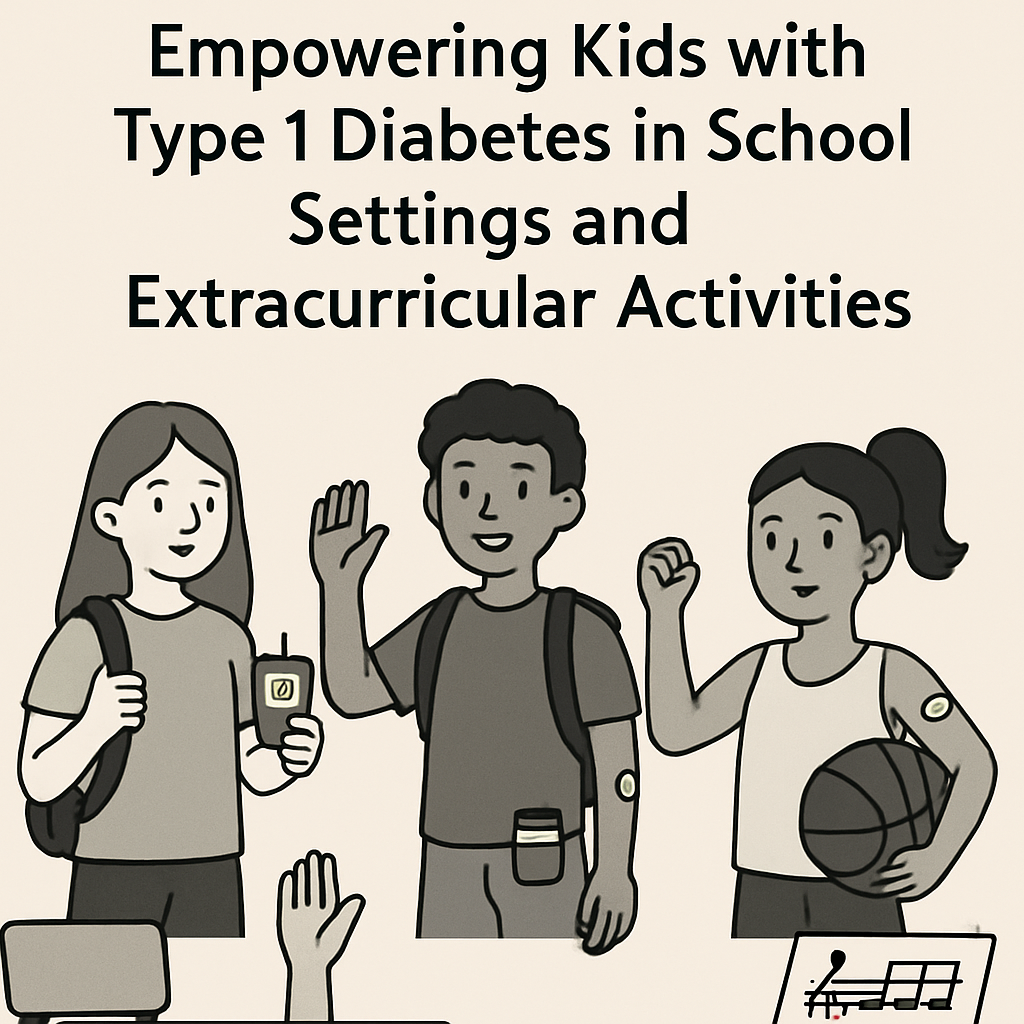
Managing type 1 diabetes is a lifelong journey, and for children, this journey extends into the school environment and beyond, influencing their participation in extracurricular activities. As more schools and organizations strive to become inclusive, understanding the unique challenges and needs of children with type 1 diabetes is crucial. This not only helps create a supportive atmosphere but also empowers these young individuals to thrive alongside their peers. The introduction of comprehensive diabetes management plans within educational and activity-based settings can play a significant role in ensuring children with type 1 diabetes have the same opportunities for growth and development as others. It’s important for parents, educators, and coaches to recognize that while having diabetes requires specific considerations, it should not limit a child’s ability to engage in and enjoy school and extracurricular pursuits.
Type 1 diabetes primarily affects how the body regulates blood sugar, necessitating careful monitoring and management of insulin levels. For children, this involves regular blood glucose checks, insulin administration, and awareness of dietary needs, all of which can be seamlessly integrated into their daily school routines with adequate preparation and support. Schools can contribute by providing trained staff who are familiar with diabetes care, establishing individualized health plans, and maintaining clear communication channels between parents, healthcare providers, and school personnel. Encouraging open dialogue about diabetes can help demystify the condition, fostering understanding and cooperation among students and staff.
Participation in extracurricular activities, such as sports, music, or clubs, also presents unique opportunities and challenges for children with type 1 diabetes. These activities are not only vital for physical health but also for social development and self-esteem. However, they require additional planning to ensure safe participation. For instance, physical activities can impact blood sugar levels, necessitating pre-activity planning and constant monitoring throughout. Coaches and activity leaders can support by being informed about the condition and understanding how to assist in case of diabetes-related emergencies. Empowering children with type 1 diabetes involves equipping them with the knowledge and confidence to manage their condition independently while ensuring they have the necessary support when required.
Ultimately, the goal is to create an environment where children with type 1 diabetes feel confident and capable of pursuing their interests without unnecessary barriers. Parents and caregivers should work closely with healthcare providers to tailor strategies that suit their child’s individual needs and consult with school staff to implement these plans effectively. By taking these steps, we can help ensure that living with type 1 diabetes does not hinder a child’s educational and extracurricular experiences, allowing them to flourish both academically and personally.
2. Medical Overview
Type 1 diabetes is an autoimmune condition in which the body’s immune system mistakenly attacks and destroys the insulin-producing beta cells in the pancreas. Unlike type 2 diabetes, which is often associated with lifestyle factors, type 1 is not preventable and typically appears in childhood or adolescence. Insulin is a crucial hormone that helps glucose from the food we eat enter our cells to be used for energy. Without sufficient insulin, glucose builds up in the bloodstream, leading to high blood sugar levels, which can result in complications if not managed properly.
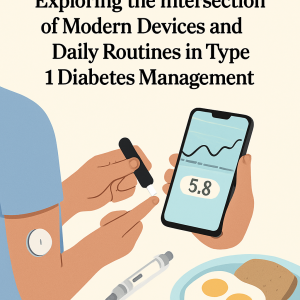
Managing type 1 diabetes requires a delicate balance of insulin administration, monitoring blood glucose levels, and understanding how various factors like diet, physical activity, and stress can influence blood sugar. For children, this means integrating diabetes management seamlessly into their daily routines—whether they’re in the classroom or on the sports field. Routine blood sugar monitoring is essential, as it helps children and their caregivers make informed decisions about insulin doses and dietary adjustments. Technology, such as continuous glucose monitors (CGMs) and insulin pumps, can assist in maintaining this balance, although the specific choice of technology should be discussed with a healthcare provider.
In a school setting, it is vital for educators and staff to understand the basics of type 1 diabetes so they can support students effectively. This includes recognizing the symptoms of hypoglycemia (low blood sugar), such as dizziness, confusion, or shakiness, and knowing the steps to take if such a situation arises. Hypoglycemia requires immediate attention, often including consuming fast-acting carbohydrates and waiting for blood sugar levels to stabilize before resuming activities. On the other hand, hyperglycemia (high blood sugar) may cause symptoms like increased thirst and frequent urination, and if not addressed, can lead to more serious health issues over time.
Every child with type 1 diabetes may have slightly different needs, and individualized care plans are important. These plans should be developed in collaboration with healthcare providers and should clearly outline the child’s insulin regimen, blood sugar targets, and the specific steps to take in the event of hypoglycemia or hyperglycemia. Parents and caregivers are encouraged to communicate openly with school staff to ensure there’s a shared understanding of the child’s medical needs. For more personalized guidance, consulting with a healthcare provider is recommended to tailor diabetes management strategies to the child’s unique situation.
3. Practical Guidance
Empowering kids with type 1 diabetes in school settings and extracurricular activities involves practical strategies that help manage their condition while allowing them to participate fully. Open communication is crucial. Parents should work closely with teachers, school nurses, and coaches to develop a diabetes management plan tailored to the child’s needs. This plan typically includes recognizing symptoms of high or low blood sugar, appropriate responses, and access to necessary supplies such as glucose tablets or insulin. Educating school staff about type 1 diabetes can create a supportive environment where the child feels understood and safe.
Another key aspect is ensuring the child feels comfortable managing their diabetes independently, as appropriate for their age and maturity level. Encourage them to carry a diabetes kit with essentials like a blood glucose meter, snacks, and medical identification. Practice scenarios at home where they might need to check their blood sugar or treat a low, so they feel confident doing so when away from home. This practice helps reinforce the importance of regular monitoring and timely treatment, which are essential in preventing complications.
Planning for meals and snacks is also important. If the child eats lunch at school or snacks during activities, collaborating with cafeteria staff to understand meal options and carbohydrate content can be beneficial. Packing a balanced lunch or discussing dietary needs with those responsible for food can help maintain stable blood sugar levels. Additionally, having an emergency snack available, such as a granola bar or juice box, ensures quick access to glucose if needed.
Physical activity is another area that requires special attention. Exercise can significantly impact blood sugar levels, so it’s important to monitor these levels before, during, and after activities. Discuss with your child’s healthcare provider how to adjust their diabetes management plan around physical activity, as this can vary greatly from one child to another. Always ensure that the child has access to quick sources of sugar and that those supervising activities know how to respond to diabetes-related issues.
Finally, fostering a supportive peer group can make a significant difference. Encourage your child to educate their friends about type 1 diabetes, which can demystify the condition and build a network of understanding peers. This support system can be invaluable, providing emotional encouragement and practical assistance when needed. As always, consult with your healthcare provider to tailor these strategies to your child’s specific needs and circumstances, ensuring a balanced approach that prioritizes their health and well-being.
4. Practical Tips
Empowering kids with type 1 diabetes in school settings and extracurricular activities involves practical strategies that help them manage their condition while enjoying their daily routines. One crucial tip is to establish a diabetes care plan tailored to the child’s unique needs. This plan should be developed in collaboration with healthcare providers, parents, school staff, and the child themselves. It may include instructions for monitoring blood glucose levels, recognizing and treating hypoglycemia, and knowing when to seek medical attention. Sharing this plan with teachers, school nurses, and coaches ensures everyone is informed and prepared to provide support when needed.
Another practical approach is to create a diabetes kit that the child can easily carry throughout the day. This kit might contain essentials like a blood glucose meter, test strips, insulin, and fast-acting glucose sources such as glucose tablets or juice boxes. Having this kit on hand helps the child quickly address any fluctuations in blood sugar levels, reducing potential disruptions to their school day or extracurricular activities. It’s also helpful to have a spare kit stored in a safe location at school, such as the nurse’s office, to ensure that back-up supplies are always available.
Encouraging open communication and fostering a supportive environment can significantly enhance a child’s experience at school and during after-school activities. For instance, organizing regular meetings between the child, their caregivers, and school staff can help address any concerns and make necessary adjustments to the child’s care plan. Additionally, educating classmates about type 1 diabetes can promote understanding and reduce stigma, creating a more inclusive atmosphere. This can be done through presentations or discussions facilitated by the child, with guidance from parents and educators. Such efforts can empower the child to feel more confident and supported, knowing that their peers and teachers are informed and empathetic.
While these tips provide a foundation for supporting children with type 1 diabetes, it’s essential to remember that each child’s needs may differ. Therefore, it’s crucial to maintain ongoing communication with healthcare providers to ensure the child’s diabetes management strategies are up-to-date and effective. By working together, families, schools, and healthcare teams can create a positive and empowering experience for children with type 1 diabetes, allowing them to thrive both academically and socially.
5. Expert Opinions
When it comes to empowering kids with type 1 diabetes in school settings and extracurricular activities, expert opinions emphasize the importance of collaboration between healthcare providers, families, and educational staff. Clinicians generally recommend that individualized care plans, often referred to as 504 Plans or Individualized Education Programs (IEPs), are crucial for managing diabetes effectively in school. These plans typically outline necessary accommodations, such as allowing frequent blood sugar checks, access to snacks, and permission to leave the classroom if needed. Experts agree that proactive communication with teachers and school nurses can help ensure these accommodations are understood and consistently applied, which can significantly enhance the child’s learning experience and overall well-being.
Moreover, healthcare professionals highlight the importance of educating school staff about the signs and symptoms of high and low blood sugar. They stress that understanding these symptoms is essential for ensuring the safety of children with type 1 diabetes during both academic and extracurricular activities. Experts often suggest that school staff receive basic training in diabetes management, including how to respond in an emergency. This training can empower teachers, coaches, and other personnel to act swiftly and appropriately, reducing the risk of serious complications.
In the realm of extracurricular activities, clinicians underline the need for flexibility and preparedness. For instance, before participating in sports or physical activities, children with type 1 diabetes may need to adjust their insulin doses or carbohydrate intake. While specific adjustments should always be made in consultation with a healthcare provider, experts agree that having a plan in place can help children participate safely. They also recommend that children have easy access to glucose tablets or snacks to treat potential hypoglycemia and that supervisors are aware of the child’s needs and emergency protocols.
Experts also point to the valuable role of peer education. Encouraging classmates to understand type 1 diabetes can foster a supportive environment for the child. This can be achieved through age-appropriate educational sessions that dispel myths and promote empathy and understanding. Such initiatives not only benefit the child with diabetes but also contribute to a more inclusive school community.
While expert recommendations provide a strong foundation for supporting children with type 1 diabetes, it’s crucial to remember that each child’s needs and circumstances are unique. Hence, parents and guardians should work closely with healthcare providers to tailor strategies that suit their child best. Regular consultations with a healthcare team can help navigate any challenges and ensure that the child is safe, healthy, and empowered to thrive in both academic and extracurricular settings.
6. Misconceptions
Misconceptions about type 1 diabetes can create unnecessary barriers for children, especially in school settings and extracurricular activities. One common misconception is that all forms of diabetes are the same. Unlike type 2 diabetes, type 1 diabetes is an autoimmune condition where the body attacks insulin-producing cells in the pancreas. This means children with type 1 diabetes need to manage their condition through insulin therapy, diet, and regular blood sugar monitoring, rather than lifestyle changes alone. Understanding this distinction is crucial for educators, coaches, and peers to provide appropriate support.
Another prevalent myth is that children with type 1 diabetes cannot participate fully in sports or physical activities. In reality, many children with type 1 diabetes engage in various athletic activities at competitive levels. While they do need to manage their blood sugar levels carefully, including monitoring for hypoglycemia (low blood sugar) and having glucose sources readily available, these precautions allow them to participate safely. It’s essential for coaches and instructors to be aware of these needs and ensure that the child feels supported and understood, rather than excluded or restricted.
Some people mistakenly believe that a child’s type 1 diabetes is caused by consuming too much sugar. This misconception can lead to stigma and misunderstanding both in and out of the classroom. Type 1 diabetes is not caused by diet or lifestyle choices; it is largely influenced by genetic and environmental factors. Educators can help dispel this myth by providing accurate information, which can foster a more inclusive and supportive environment for children with the condition.
There’s also a misconception that children with type 1 diabetes are fragile and frequently ill. While managing type 1 diabetes can be challenging, with appropriate care and support, children can lead healthy and active lives. It’s vital for school staff and classmates to see beyond the condition, recognizing the child’s strengths and capabilities. Encouraging open communication between the child, their family, and the school staff can help address any concerns and tailor support to the child’s needs.
Ultimately, overcoming these misconceptions starts with education and empathy. By fostering an informed school community, we can empower children with type 1 diabetes to thrive both academically and socially. If you’re uncertain about any aspect of type 1 diabetes management, it’s always best to consult healthcare professionals who can provide guidance tailored to the individual child’s needs.
7. Summary
In navigating the complex landscape of school and extracurricular activities, children with Type 1 diabetes face unique challenges that require careful planning and support. Empowering these young individuals involves fostering an environment that balances their health needs with their desire for inclusion and independence. Schools and activity organizers play a crucial role in this process by creating inclusive policies that accommodate the health needs of students with diabetes. This includes ensuring that staff are educated about diabetes management and are prepared to respond to diabetes-related emergencies. Additionally, peer education can work wonders in creating a supportive community where children feel understood and accepted.
Parents and caregivers, too, have an essential role in facilitating this empowerment. By collaborating closely with educators and activity leaders, they can establish comprehensive care plans that anticipate potential challenges and outline clear procedures for managing blood sugar levels during school hours and extracurricular events. Regular communication with healthcare providers is crucial to tailor these plans to the child’s specific needs and to adjust them as necessary. While no single strategy is universally effective, personalized approaches that consider the child’s lifestyle, preferences, and medical needs can significantly enhance their experience.
It’s also important to address the emotional aspect of managing Type 1 diabetes in social settings. Children may feel different from their peers, which can impact their self-esteem and willingness to participate in group activities. Encouraging open dialogue about diabetes and promoting self-advocacy skills can help children articulate their needs confidently and foster a sense of agency. This empowerment not only aids in their immediate well-being but also builds a foundation for long-term health management.
Ultimately, by fostering a supportive environment and promoting self-management skills, we can help children with Type 1 diabetes thrive in school settings and beyond. The goal is to ensure that diabetes management becomes a seamless part of their everyday life, allowing them to focus on learning, playing, and growing alongside their peers. As always, caregivers are encouraged to consult with their healthcare provider to tailor strategies that best suit their child’s individual health and lifestyle needs.