1. Introduction
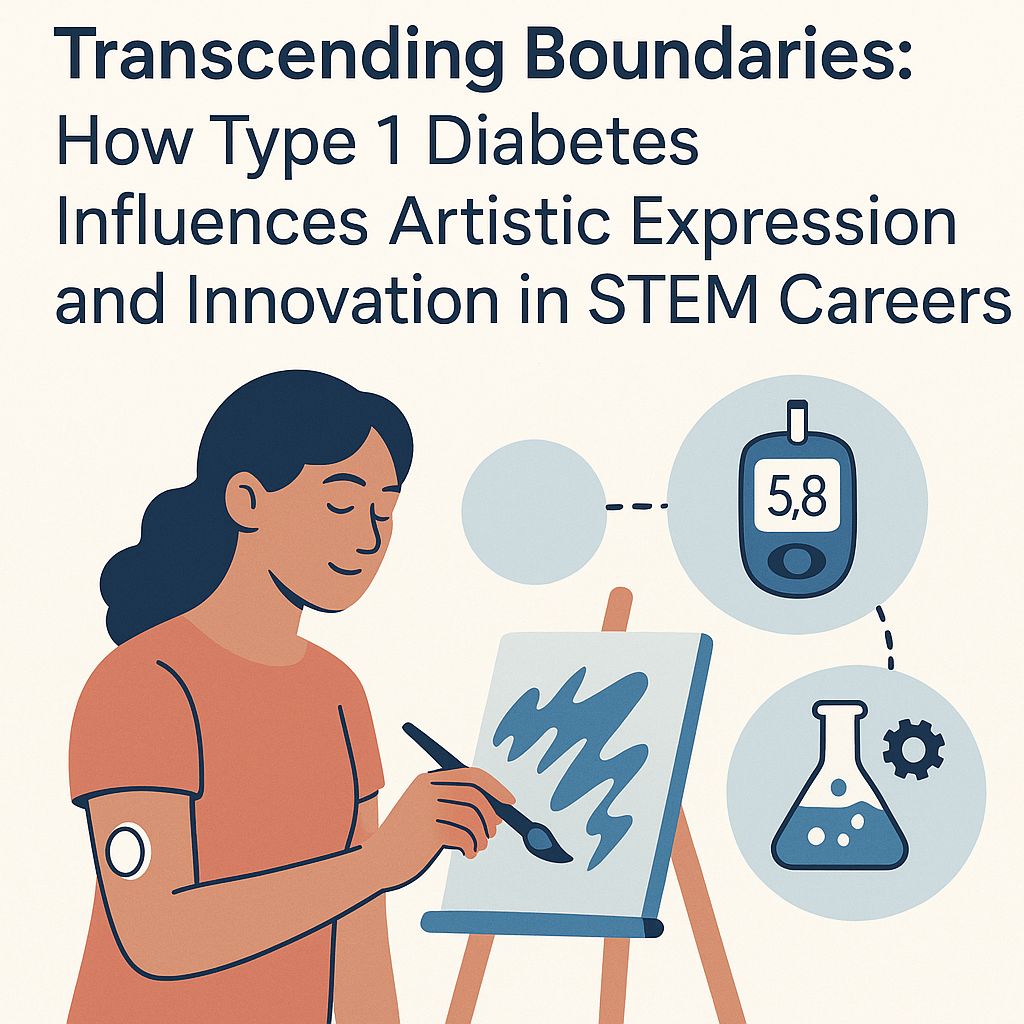
The intersection of type 1 diabetes with artistic expression and innovation in STEM careers paints a vivid picture of resilience and creativity. Living with type 1 diabetes requires a continuous balancing act, as individuals must regularly monitor their blood sugar levels, administer insulin, and make lifestyle adjustments. This daily engagement with problem-solving and adaptation can forge a unique mindset that fosters creativity and innovation. In both artistic and scientific fields, the challenges faced by those with type 1 diabetes can lead to a distinct perspective that may inspire new forms of expression and breakthroughs in technology and research.
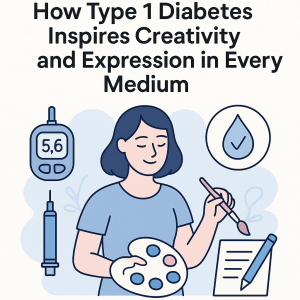
Art, for many people, serves as a powerful outlet for expressing emotions, exploring complex thoughts, and connecting with others. For individuals with type 1 diabetes, this expressive medium can become an avenue for sharing personal experiences and raising awareness about the condition. Artistic endeavors often require a deep understanding of one’s body and emotions, something that those managing a chronic condition like type 1 diabetes may cultivate over time. Through mediums such as painting, writing, and music, individuals can communicate the intricacies of their daily lives, shedding light on both the challenges and triumphs they encounter.
In the realm of STEM, living with type 1 diabetes can inspire a unique approach to innovation. The necessity to constantly engage with technology for blood glucose monitoring and insulin delivery can spark an interest in designing better tools and solutions for diabetes management. This lived experience provides valuable insights that can drive technological advancements, potentially leading to more effective and user-friendly devices. Moreover, the problem-solving skills honed through daily diabetes management can translate into enhanced analytical and critical thinking abilities, traits highly prized in STEM fields.
While type 1 diabetes presents undeniable challenges, it also offers opportunities for growth and innovation. However, it is essential to note that managing this condition is a personal journey that varies greatly from person to person. For those living with type 1 diabetes, consulting healthcare professionals for personalized advice and support is crucial. As individuals navigate their personal and professional lives, the resilience and creativity developed through managing diabetes can empower them to transcend boundaries, leaving a lasting impact in both the arts and sciences.
2. Medical Overview
Type 1 diabetes is a chronic condition characterized by the body’s inability to produce insulin, a hormone essential for regulating blood glucose levels. Insulin is typically produced by the pancreas, specifically by the beta cells located in the islets of Langerhans. In individuals with type 1 diabetes, these beta cells are mistakenly attacked and destroyed by the immune system, leading to a need for external insulin administration to manage blood glucose levels effectively. This autoimmune process can begin at any age but is most commonly diagnosed in children and young adults.
Managing type 1 diabetes involves a comprehensive approach that includes regular monitoring of blood glucose levels, insulin therapy, a balanced diet, and regular physical activity. The introduction of continuous glucose monitors (CGMs) and insulin pumps has revolutionized diabetes management, providing individuals with more precise control over their blood sugar levels. These technologies allow for real-time glucose monitoring and automated insulin delivery, which can help in maintaining blood glucose within the target range. However, it’s important to note that each person’s management plan is unique, and individuals should work closely with their healthcare providers to tailor their treatment to their specific needs.
Beyond the physiological aspects, type 1 diabetes can also have a significant impact on cognitive functions and emotional well-being. Fluctuations in blood glucose levels can affect concentration, mood, and overall mental clarity, which can be particularly challenging in high-stakes environments like artistic endeavors or STEM fields. It’s crucial for individuals to be aware of the signs of both hyperglycemia (high blood sugar) and hypoglycemia (low blood sugar) and to know how to address these conditions promptly. For example, if someone experiences hypoglycemia, they should stop any ongoing activity and treat it immediately by consuming fast-acting carbohydrates, then confirm recovery before resuming their tasks. Always consult with a healthcare provider for personalized strategies to cope with these challenges.
The interplay between type 1 diabetes and professional life can also foster innovation and creativity. Individuals often develop a heightened awareness of their bodies and learn to adapt to unexpected challenges, which can enhance problem-solving skills and creativity. In the STEM fields, this adaptability can lead to innovative thinking and unique approaches to complex problems. Similarly, in the arts, managing diabetes may inspire themes of resilience and transformation, enriching artistic expression. While type 1 diabetes presents significant challenges, it also offers opportunities for growth and innovation, encouraging individuals to transcend boundaries both personally and professionally.
3. Practical Guidance
For individuals with type 1 diabetes, pursuing careers in artistic fields or STEM (Science, Technology, Engineering, and Mathematics) can be both rewarding and challenging. Managing blood sugar levels is a critical part of daily life and can significantly impact one’s ability to focus, create, and innovate. To support their artistic and STEM pursuits, individuals may find it helpful to establish a routine that integrates diabetes management seamlessly into their activities. This includes regularly scheduled blood sugar monitoring and ensuring that essential diabetes supplies, such as glucose tablets or snacks, are on hand during long periods of work or creative sessions.
Balancing blood sugar is not only crucial for maintaining physical health but also for enhancing cognitive function and creativity. Some find that keeping a record of their blood sugar levels in relation to specific activities can provide insights into how different tasks affect their glucose levels. This practice can be particularly useful for identifying patterns and making informed adjustments to their routine. It’s important to engage in open communication with healthcare providers to tailor diabetes management plans that support professional and personal goals. Consulting a healthcare professional is especially advisable when considering any significant changes to lifestyle or management strategies.
In the realm of artistic expression, energy levels can fluctuate with blood sugar variations, influencing mood and creativity. Therefore, ensuring a balanced diet that provides consistent energy without causing spikes or drops in blood sugar is essential. Experimenting with small, balanced meals or snacks that include a mix of carbohydrates, proteins, and healthy fats might help maintain stable energy levels. However, dietary needs can vary greatly, so it’s prudent to work closely with a healthcare provider or a registered dietitian to find a plan that works best for the individual’s unique needs.
For those in STEM careers, the precision and focus required can be demanding. Creating an environment that minimizes disruptions due to diabetes management is key. This might involve setting reminders for blood sugar checks, incorporating short breaks to address any immediate needs, and ensuring access to a quiet space where they can monitor their condition without distraction. Being open with colleagues or team members about the need for these accommodations can foster a supportive work environment.
Ultimately, while type 1 diabetes necessitates a thoughtful approach to daily life, it does not have to hinder the pursuit of artistic or scientific endeavors. With proactive management and a supportive network, individuals can navigate the challenges posed by diabetes while excelling in their chosen fields. As always, specific adjustments should be discussed with a healthcare professional to ensure safety and effectiveness in managing diabetes alongside career aspirations.
4. Practical Tips
Balancing the demands of type 1 diabetes with the pursuit of artistic or STEM careers can be challenging, yet it offers unique opportunities for innovation and self-expression. Whether it’s managing blood sugar levels during a long rehearsal or ensuring safety in a laboratory, practical strategies can support individuals as they transcend boundaries in their professional lives. For artists, managing diabetes may involve being prepared for the unpredictable nature of performances. For instance, a dancer might keep a small glucose source, like a pack of glucose tablets, easily accessible backstage to quickly address any signs of low blood sugar during a performance. This proactive approach helps ensure that they can focus on their art without compromising their health.
In the realm of STEM, where precision and focus are paramount, individuals with type 1 diabetes can leverage technology to maintain their health while pushing the boundaries of innovation. An engineer might use a continuous glucose monitor (CGM) with alerts set to discreetly notify them of glucose level changes during critical project work or meetings. This technology can assist in maintaining concentration and productivity without the immediate need to step away, allowing them to remain fully engaged in their tasks. Of course, it’s essential to address any significant blood sugar fluctuations promptly, in consultation with healthcare providers, to prevent interruptions in both health and work.
Another practical tip involves fostering a supportive community, both personally and professionally. For artists, this might mean collaborating with colleagues who understand the importance of managing diabetes and can offer support when needed. For example, a musician in an orchestra might communicate with their conductor about the possibility of needing a brief pause during long rehearsals to manage their blood sugar. Similarly, in the tech world, a computer scientist could have a designated “diabetes buddy” who is aware of their condition and can offer assistance if acute symptoms arise during a coding marathon. Building such networks not only ensures safety but also strengthens relationships and encourages open dialogue about living with diabetes.
Ultimately, these practical tips highlight the importance of preparation, technology, and community in navigating the intersection of type 1 diabetes with artistic and STEM careers. Each individual’s journey is unique, and while these strategies can be helpful, it’s crucial to work closely with healthcare professionals to tailor an approach that suits one’s specific needs. By embracing these practices, those with type 1 diabetes can continue to break barriers and contribute meaningfully to their chosen fields.
5. Expert Opinions
When it comes to understanding the intersection of type 1 diabetes with artistic expression and innovation in STEM careers, expert opinions offer valuable insights into the unique challenges and opportunities faced by individuals with this condition. Clinicians and healthcare professionals often highlight the importance of maintaining good glycemic control and managing the physical demands of diabetes, emphasizing how these factors can influence cognitive function and creativity. For example, stable blood sugar levels are crucial for maintaining concentration and focus, which can be particularly important in scientific research and complex problem-solving scenarios. This connection underscores the idea that effective diabetes management can play a supportive role in fostering creative and innovative endeavors.
Experts in the field also acknowledge the psychological aspects of living with type 1 diabetes and how these might shape an individual’s artistic and scientific pursuits. The lifelong nature of managing diabetes can instill a sense of discipline and resilience, qualities that are often beneficial in both the arts and STEM fields. The need for meticulous planning and adaptability in managing diabetes may translate into a heightened ability to navigate the unpredictable challenges often encountered in creative and scientific work. Moreover, the experiences and emotions associated with diabetes can become a wellspring of inspiration for artistic expression, allowing individuals to convey their unique perspectives and connect with others on a deeper level.
In addition to individual traits, experts often point to the potential for technological innovation within the diabetes community itself. The need for ongoing diabetes management has spurred many individuals with type 1 diabetes to contribute to advancements in medical devices and digital health solutions. Familiarity with their own condition can drive patients to develop user-friendly technologies that address real-world needs, benefiting both themselves and the broader community. This unique perspective can lead to the creation of more intuitive and effective tools, bridging the gap between patient experiences and technological design.
While expert opinions provide a framework for understanding these dynamics, they also emphasize that each person’s journey with type 1 diabetes is distinct. What works for one individual in managing their condition and pursuing their passions may not work for another. Therefore, healthcare professionals generally recommend that individuals with type 1 diabetes consult with their healthcare providers to tailor their management strategies to their personal circumstances and aspirations. This personalized approach helps ensure that they can effectively integrate their diabetes care with their artistic and scientific endeavors, ultimately enabling them to thrive in their chosen fields.
6. Misconceptions
When it comes to type 1 diabetes, misconceptions abound, often clouding the understanding of how individuals navigate their personal and professional lives, including those in artistic and STEM fields. One common misconception is that type 1 diabetes is caused by lifestyle choices, similar to some cases of type 2 diabetes. In reality, type 1 diabetes is an autoimmune condition where the body’s immune system mistakenly attacks insulin-producing cells in the pancreas. This distinction is crucial, especially for those pursuing careers in fields that require intense focus and precision, like engineering or scientific research, where managing diabetes effectively is part of everyday life.
Another prevalent myth is that people with type 1 diabetes cannot lead successful, dynamic careers due to the condition’s demands. This is far from the truth. Many individuals with type 1 diabetes excel in their fields, often using their condition as a source of inspiration and innovation. In creative domains, for example, personal experiences with diabetes can fuel artistic expression, resulting in unique perspectives and works that resonate with broader audiences. Similarly, in STEM careers, managing diabetes can foster problem-solving skills and resilience, as individuals learn to integrate daily health management with professional responsibilities.
There’s also a misconception that people with type 1 diabetes should avoid certain activities or professions altogether, fearing that the condition might limit their capabilities. While there are challenges, with proper planning and a supportive environment, individuals with type 1 diabetes can pursue virtually any career. It’s important to recognize that the key lies in personal management and adaptability, often with the support of healthcare providers who can offer tailored advice and monitoring. Consulting with a healthcare professional can help ensure that individuals make informed decisions about managing their diabetes in various professional settings.
Lastly, there’s a false belief that technology completely alleviates the burdens of diabetes management. While technological advancements like continuous glucose monitors and insulin pumps have significantly improved management options, they do not eliminate the need for vigilance and personalized care. Embracing technology can certainly aid in maintaining stable blood glucose levels, which is essential for anyone, particularly those working in fields demanding high mental acuity. However, individuals must remain attentive to their condition and consult with their healthcare providers to tailor their management strategies effectively.
Addressing these misconceptions is vital for fostering a more inclusive and supportive environment for those with type 1 diabetes, particularly in creative and scientific careers where innovation thrives on diverse experiences and perspectives. Encouraging open conversations and providing accurate information can help dispel myths and empower individuals to transcend boundaries, allowing their condition to be a source of strength rather than a limitation.
7. Summary
Type 1 diabetes is a chronic condition that can significantly impact daily life, demanding constant attention to blood glucose levels, insulin management, and lifestyle choices. However, beyond these challenges lies a realm of profound personal insight and heightened awareness that can deeply influence one’s creative and professional pursuits. This article explores how individuals with type 1 diabetes transcend boundaries by channeling their experiences into artistic expression and innovation in STEM (Science, Technology, Engineering, and Mathematics) careers. Through this lens, we observe how managing a condition like type 1 diabetes can foster unique skills and perspectives that contribute to creative and scientific fields.
People living with type 1 diabetes often develop a keen sense of self-awareness and resilience, qualities that can enhance their artistic endeavors. Whether through painting, music, or writing, the process of managing diabetes can inspire themes of struggle, hope, and triumph, enriching their work with authenticity and emotional depth. This introspection can be a powerful tool, allowing artists to connect more profoundly with their audience and convey experiences that resonate on a universal level. The act of creating art can also serve as a therapeutic outlet, offering a means to process the emotional and physical complexities associated with diabetes.
In the realm of STEM, the analytical skills and problem-solving abilities honed through the daily management of type 1 diabetes can translate into innovative contributions. The necessity of understanding complex medical data and technological tools, such as continuous glucose monitors and insulin pumps, can foster a proficiency in technology and systems thinking. Individuals with type 1 diabetes may develop a meticulous approach to experimentation and data analysis, essential skills in scientific research and engineering. Moreover, their firsthand experience with healthcare technology can drive them to innovate solutions that improve quality of life for others, potentially leading to advances in medical devices or diabetes management strategies.
While the demands of type 1 diabetes are substantial, the condition may also instill a profound sense of empathy and determination that can be channeled into impactful work. Many individuals find that their journey with diabetes inspires them to advocate for health awareness and contribute to community initiatives, further amplifying their influence beyond personal achievements. It’s important to acknowledge that each person’s experience with diabetes is unique, and what works for one individual may not be applicable to another. Those living with type 1 diabetes should always consult with their healthcare team when making decisions about their health or exploring new activities.
Ultimately, while type 1 diabetes presents ongoing challenges, it can also be a catalyst for growth, creativity, and innovation. By embracing the experiences that come with managing this condition, individuals can transcend boundaries and make meaningful contributions to both artistic and scientific realms. In doing so, they not only enrich their own lives but also inspire others to view challenges as opportunities for personal and professional development.