1. Introduction
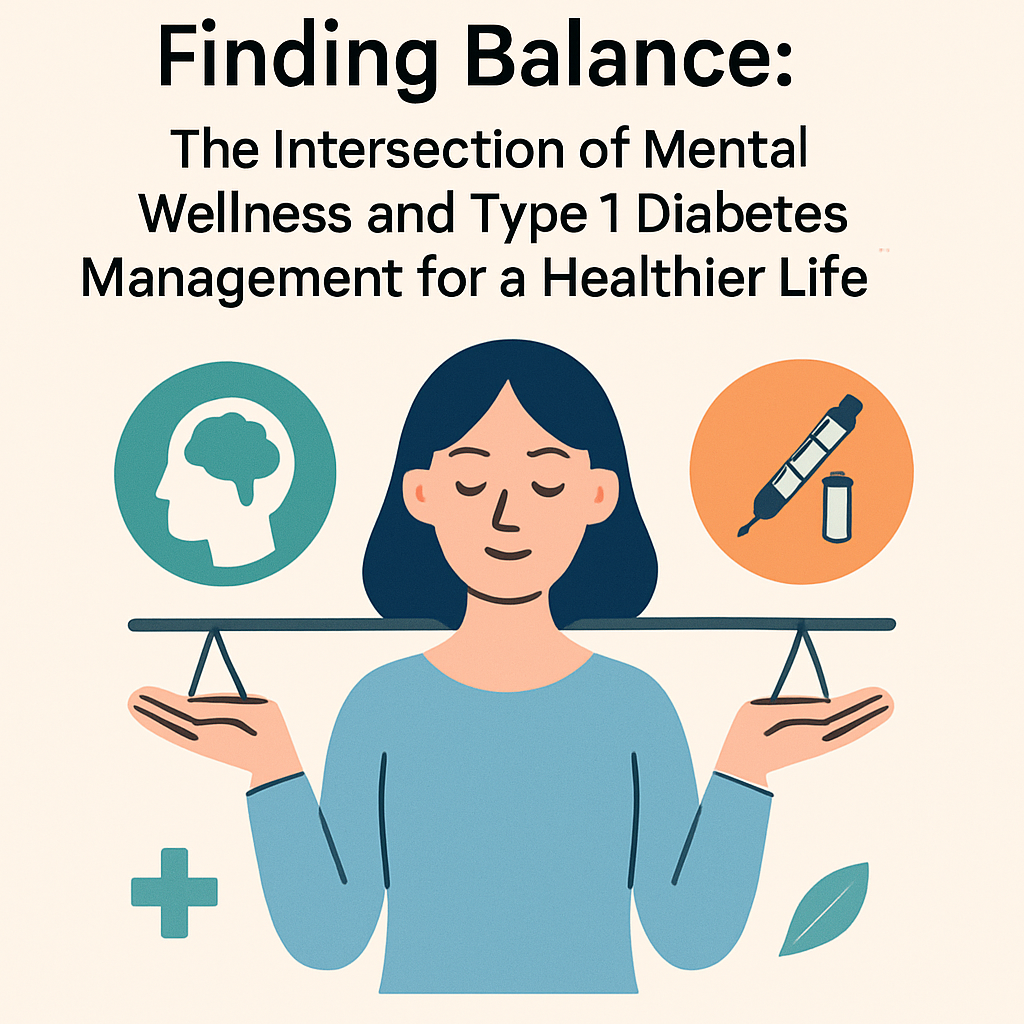
Living with type 1 diabetes presents a unique set of challenges that extend far beyond the physical symptoms. The constant management of blood sugar levels, the need for regular insulin administration, and the vigilance required to avoid complications can significantly impact one’s mental and emotional well-being. This condition demands a delicate balance between maintaining physical health and nurturing mental wellness, as both are intricately connected. Finding this balance is essential for those with type 1 diabetes, as it can influence not only their daily experiences but also their long-term health outcomes.
The intersection of mental wellness and diabetes management often goes underappreciated, yet it is crucial to recognize how psychological factors can influence the effectiveness of diabetes care. Stress, anxiety, and depression are common among individuals managing type 1 diabetes, and these mental health challenges can affect motivation, adherence to treatment plans, and overall quality of life. For instance, stress can lead to fluctuations in blood glucose levels, making it more difficult to maintain a stable range. Conversely, well-managed diabetes can enhance mental well-being by reducing the burden of constant worry and the risk of complications.
Understanding the psychological aspects of diabetes management is the first step toward creating a holistic approach to care. Strategies that promote mental wellness can include developing a support network, engaging in regular physical activity, and practicing stress-reduction techniques such as mindfulness or meditation. It’s important for individuals with type 1 diabetes to communicate openly with their healthcare providers about any mental health concerns, as personalized support can be invaluable. Professional guidance can help tailor strategies that integrate both physical and mental health needs, ultimately fostering a more balanced and healthier life.
As we explore the relationship between mental wellness and diabetes management, it’s vital to remember that each individual’s experience with type 1 diabetes is unique. What works for one person may not be suitable for another, and adjustments may be necessary as circumstances and lifestyles change. Consulting with healthcare professionals can provide insights and recommendations tailored to one’s specific situation. By prioritizing both mental and physical health, those living with type 1 diabetes can navigate their journey with greater resilience and well-being.
2. Medical Overview
Type 1 diabetes is a chronic condition where the pancreas produces little to no insulin, a hormone crucial for allowing glucose to enter cells and produce energy. Managing this condition requires a diligent routine of monitoring blood sugar levels, administering insulin, and maintaining a balanced diet. Unlike type 2 diabetes, which can sometimes be managed with lifestyle changes alone, type 1 diabetes necessitates insulin therapy because the body is unable to produce the insulin it needs.
The management of type 1 diabetes is a dynamic process that involves a careful balance of insulin doses, dietary intake, and physical activity. Blood sugar levels can be influenced by various factors, including stress, illness, and hormonal changes. Therefore, individuals with type 1 diabetes must remain vigilant, adapting their management strategies as needed. Regular consultations with healthcare professionals are essential to tailor a personalized management plan that considers the unique aspects of each individual’s lifestyle and health status.
Living with type 1 diabetes also involves understanding and mitigating potential complications. Short-term complications, such as hypoglycemia (low blood sugar), require immediate attention to prevent severe outcomes. Symptoms like shakiness, confusion, or palpitations should be addressed promptly by consuming fast-acting carbohydrates and ensuring blood sugar levels return to a safe range before continuing with daily activities. Long-term complications can include heart disease, nerve damage, and vision problems. While these risks are higher for people with diabetes, effective blood sugar management and regular medical check-ups can help reduce the risk of developing these complications.
Moreover, mental wellness plays a crucial role in managing type 1 diabetes. The constant need for vigilance and the potential for life-threatening complications can lead to stress, anxiety, or burnout. Understanding this intersection between mental health and diabetes management is vital. Strategies like mindfulness, stress-reduction techniques, and seeking support from mental health professionals can contribute significantly to a healthier life. It’s always advisable for individuals to discuss their mental and physical health needs with their healthcare providers to develop a comprehensive approach that supports both.
3. Practical Guidance
Living with type 1 diabetes requires constant vigilance and a balanced approach, not only for physical health but also for mental well-being. An important aspect of managing diabetes while maintaining mental wellness is to establish a routine that supports both. This routine can include regular monitoring of blood glucose levels, ensuring you have the necessary supplies accessible, and planning meals that align with your nutritional goals. Incorporating physical activity into your daily life can also enhance your mood and help regulate blood sugar levels. It’s beneficial to choose activities you enjoy, whether it’s a brisk walk, dancing, or yoga, as these can be more motivating and sustainable in the long run.
Another key element is stress management, as stress can have a significant impact on blood sugar levels and overall health. Techniques such as mindfulness, meditation, or deep-breathing exercises can be effective tools to help manage stress. Even setting aside a few minutes each day for a moment of calm can make a difference. Prioritizing sleep is equally important; aiming for consistent sleep patterns can support both mental clarity and blood sugar regulation.
Open and regular communication with your healthcare team is crucial. They can provide tailored advice and support, helping you adjust your management plan as needed. It’s also helpful to connect with a support network, whether it be through friends, family, or support groups, where you can share experiences and gain different perspectives. This kind of social support can be invaluable in reducing feelings of isolation and providing encouragement.
Listening to your body and recognizing the signs of blood sugar fluctuations is another practical step. If you’re feeling off, it’s important to check your blood sugar levels and take appropriate action, such as treating low blood sugar before continuing any activities. Always have a contingency plan in place for unexpected changes in your condition and keep emergency contacts updated. Remember that each person’s experience with type 1 diabetes is unique, and what works for one person may not work for another. Therefore, it’s essential to tailor these general strategies to fit your personal needs and consult your doctor for specific medical advice tailored to your situation.
4. Practical Tips
Managing type 1 diabetes is a daily balancing act that requires attention not only to blood sugar levels but also to mental wellness. Incorporating practical strategies into your routine can make a significant difference in maintaining both physical health and mental well-being. Here are some practical tips that may help you find this balance.
First, consider establishing a consistent daily routine. Having a structured schedule for meals, medication, and exercise can reduce the stress of unpredictability. For example, try setting specific times each day for your meals and insulin administration. This consistency helps in anticipating blood sugar fluctuations and reduces the mental load of having to constantly plan on the go. Incorporating a scheduled time for physical activity, whether it’s a morning walk or an evening yoga session, can also help stabilize blood sugar levels and improve mood through the release of endorphins.
Another practical tip is to engage in mindfulness practices. Mindfulness can be a powerful tool in managing the stress and anxiety that often accompany living with diabetes. Simple breathing exercises, which can be done anywhere and at any time, may help in calming the mind and focusing your thoughts. For instance, practicing deep breathing for a few minutes when you’re feeling overwhelmed by blood sugar changes can offer a mental reset, enabling you to approach the situation more calmly. Additionally, guided meditation apps can provide support and structure if you’re new to mindfulness.
Utilizing technology can also be a valuable asset in managing type 1 diabetes while supporting mental health. There are numerous apps available that can help track blood glucose levels, food intake, and physical activity. These tools can alleviate some of the mental burden by organizing important health information in one place, making it easier to identify patterns and make informed decisions. For example, setting up alerts on your smartphone or wearable device can remind you to check your blood sugar or take your insulin, offering peace of mind that you won’t miss a critical task.
Finally, it’s crucial to build a support network. Whether it’s family, friends, or a support group, having people who understand your challenges can provide emotional support and practical advice. Sharing experiences with others who have type 1 diabetes can be particularly beneficial, offering insights and tips that you might not have considered. Participating in community forums or local support group meetings can be a great way to connect with others and gain encouragement.
Remember, while these tips can be beneficial, it’s important to consult with your healthcare provider to tailor any strategies to your personal needs. They can offer guidance specific to your health situation, ensuring that your management plan supports both your physical and mental well-being effectively.
5. Expert Opinions
Understanding the intricate relationship between mental wellness and type 1 diabetes management is an area of growing interest among healthcare professionals. Experts in the field emphasize that managing type 1 diabetes is not solely about maintaining blood sugar levels; it’s also about nurturing mental health. This holistic approach is essential for fostering both physical and psychological well-being.
Clinicians generally recommend that individuals with type 1 diabetes adopt strategies that promote mental resilience. Techniques such as mindfulness meditation, regular physical activity, and engaging in hobbies are often suggested as tools to help manage stress and anxiety, which can be prevalent among those with chronic conditions. Stress can influence blood glucose levels, making effective stress management a key component of diabetes care.
Many healthcare providers also highlight the importance of building a supportive network. This includes family, friends, and healthcare teams who understand the challenges associated with type 1 diabetes. Such support can provide emotional stability and practical assistance, which may help individuals feel more empowered in their daily management routines. Group sessions or peer support groups are often recommended as they offer a platform for sharing experiences and coping strategies.
Another aspect often discussed by experts is the role of professional mental health support. Psychologists and counselors with experience in chronic illness can offer valuable insights and coping mechanisms tailored to the unique challenges faced by those with type 1 diabetes. Cognitive-behavioral therapy (CBT) is one such approach that is frequently mentioned for its potential to help individuals reframe negative thought patterns and develop healthier mental habits.
Healthcare professionals stress the importance of personalized care, acknowledging that what works for one person may not be effective for another. This personalized approach means that individuals should work closely with their healthcare team to develop a management plan that aligns with their lifestyle and mental health needs. It’s always advisable for patients to discuss any mental health concerns or new management strategies with their healthcare provider to ensure they are safe and appropriate.
Overall, experts agree that integrating mental wellness into type 1 diabetes management can enhance quality of life. By addressing the emotional and psychological aspects of living with diabetes, individuals may find greater balance and improved health outcomes. However, individuals are encouraged to consult their healthcare providers to tailor these strategies to their personal circumstances.
6. Misconceptions
Misconceptions about type 1 diabetes can be pervasive and often contribute to misunderstandings that affect both the physical and mental well-being of those living with the condition. One common misconception is that type 1 diabetes is caused by poor dietary habits or lifestyle choices. In reality, type 1 diabetes is an autoimmune condition where the body’s immune system mistakenly attacks and destroys the insulin-producing cells in the pancreas. This distinction is crucial, as it emphasizes that lifestyle changes alone cannot prevent or cure type 1 diabetes. Educating others about this difference can help reduce stigma and support a more compassionate understanding of the condition.
Another myth is that people with type 1 diabetes simply need to manage their condition by taking insulin and monitoring their blood sugar levels. While these steps are vital, managing type 1 diabetes is a complex, ongoing process that involves careful planning and can fluctuate daily. Factors such as stress, illness, physical activity, and even weather can impact blood sugar levels. This complexity often requires individuals to be constantly vigilant, which can be mentally and emotionally taxing. Encouraging open conversations about these challenges can help foster a supportive environment where individuals feel understood and less isolated in their journey.
There’s also a misconception that people with type 1 diabetes must avoid all sugar or carbohydrates. While managing carbohydrate intake is important, completely eliminating these foods is neither necessary nor advised. People with type 1 diabetes can enjoy a wide variety of foods, including those containing sugar, as part of a balanced diet when they carefully monitor and adjust their insulin as needed. This flexibility is often misunderstood, leading to unnecessary dietary restrictions and social discomfort. Understanding that individuals with type 1 diabetes can enjoy a variety of foods can help create more inclusive social settings and reduce feelings of isolation.
Lastly, the emotional and psychological aspects of living with type 1 diabetes are often overlooked. It’s a misconception that the condition only affects physical health. Many people with type 1 diabetes experience stress, anxiety, or depression related to the constant demands of managing their condition. Unfortunately, these mental health challenges are sometimes minimized or misunderstood by those who are unfamiliar with type 1 diabetes. Recognizing the importance of mental wellness as part of diabetes management is crucial for a healthier life. Support groups, counseling, and mental health resources can be invaluable for individuals struggling with these issues. As always, consulting healthcare professionals for personalized advice and support is essential.
7. Summary
Managing type 1 diabetes is a complex and continuous process that extends beyond just monitoring blood sugar levels and administering insulin. It’s a lifelong commitment that can significantly impact one’s mental and emotional well-being. Understanding and addressing the intersection of mental wellness and diabetes management is essential for achieving a balanced and healthier life. This balance involves recognizing the emotional challenges that can accompany the physical demands of living with type 1 diabetes, such as stress, anxiety, and depression, which can, in turn, affect diabetes management and overall health outcomes.
Embracing a holistic approach to diabetes care, which includes mental wellness, can be beneficial. This means not only focusing on physical health but also paying attention to mental and emotional needs. Regular physical activity, mindfulness practices, and seeking support from mental health professionals can be useful strategies in maintaining mental wellness. Additionally, connecting with a community of others who understand the challenges of living with type 1 diabetes can provide valuable emotional support and reduce feelings of isolation.
For individuals with type 1 diabetes, it’s important to understand the potential impact of mental health on blood sugar levels and overall diabetes management. Stress and emotional distress can affect blood glucose control, potentially leading to fluctuations that require careful monitoring and adjustments. Being proactive in managing stress and seeking professional guidance when needed can help mitigate these effects. It is also crucial for individuals to work closely with their healthcare providers to develop a personalized management plan that considers both physical and mental health needs.
While some strategies may be beneficial for many, it’s important to recognize that each person’s experience with type 1 diabetes is unique. What works for one individual may not be as effective for another. Therefore, ongoing communication with healthcare professionals is essential to tailor approaches to individual needs. If you’re experiencing mental health challenges related to your diabetes, reaching out for professional support is a positive step. Your healthcare team can provide guidance on resources and options that can help you maintain both physical and mental wellness.
In summary, the pursuit of balance in managing type 1 diabetes involves a comprehensive approach that integrates mental health with physical health strategies. By acknowledging and addressing the mental health aspects of diabetes care, individuals may enhance their overall well-being and improve their quality of life. Remember, you are not alone in this journey, and support is available. Always consult with your healthcare provider to create a management plan that best suits your personal health needs and circumstances.