1. Introduction
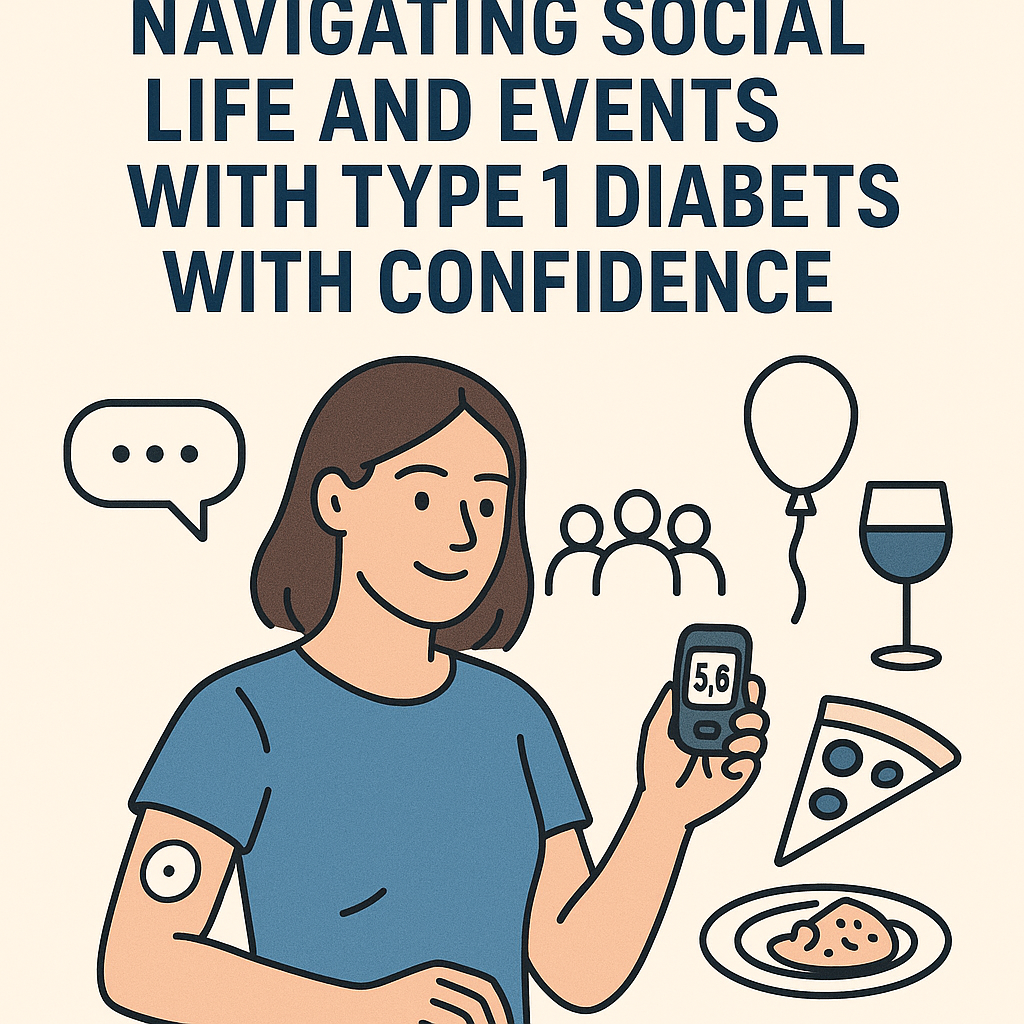
Living with type 1 diabetes often means balancing a complex array of daily responsibilities, from monitoring blood sugar levels to managing insulin doses. However, when it comes to social life and attending events, this balancing act can become even more intricate. The good news is that with some preparation and a positive mindset, people with type 1 diabetes can navigate social situations with confidence, crafting a ‘new normal’ that allows them to enjoy life to the fullest. This introduction aims to set the stage for understanding how type 1 diabetes can intersect with social activities and how one can prepare to thrive in these situations.
Type 1 diabetes is an autoimmune condition that requires careful management. Unlike type 2 diabetes, it typically develops in children and young adults and is not associated with lifestyle factors. This condition arises when the immune system attacks insulin-producing cells in the pancreas, leading to an insulin deficiency. Since insulin is vital for regulating blood sugar, individuals with type 1 diabetes must monitor their blood sugar levels closely and administer insulin regularly. While this can seem overwhelming, it is entirely possible to manage these tasks while attending social events, like parties, weddings, or even a simple dinner outing with friends.
For many living with type 1 diabetes, the thought of stepping out into social settings may evoke a mix of emotions, ranging from excitement to anxiety about how to manage diabetes-related tasks in public. This is perfectly normal, and each individual will find their own comfort level and strategies for navigating such situations. It’s important to remember that open communication with friends and family can pave the way for a supportive social environment. Sharing your needs and preferences can help others understand how to assist, if necessary, and can also alleviate any undue stress you might feel about managing your condition in front of others.
Preparation is key when it comes to social outings. This might include packing a diabetes kit with essentials like a glucose meter, insulin, snacks for treating low blood sugar, and a medical ID. Having these items readily available can provide a sense of security and help you focus on enjoying the moment. Additionally, planning ahead by researching the menu of a restaurant or discussing meal options with a host can help make mealtime less daunting. It’s also wise to listen to your body and take the necessary steps—such as treating low blood sugar—before continuing with social activities. Always consult your healthcare provider for personalized advice on managing diabetes during social events, as they can offer valuable insights tailored to your individual needs.
Ultimately, living with type 1 diabetes doesn’t have to mean missing out on social experiences. With thoughtful planning, open communication, and the support of those around you, it’s entirely possible to craft a new normal that allows you to engage in social life with confidence and joy.
2. Medical Overview
Type 1 diabetes is an autoimmune condition characterized by the pancreas’s inability to produce insulin, a hormone essential for regulating blood glucose levels. This lack of insulin production requires individuals to manage their glucose levels through external insulin administration, typically via injections or an insulin pump. People with type 1 diabetes must carefully balance insulin doses with food intake, physical activity, and other factors to maintain blood glucose levels within a target range. The condition demands a proactive approach to daily life, and this vigilance is crucial when navigating social activities and events.
Understanding the physiological aspects of type 1 diabetes can empower individuals to manage their condition with greater confidence in social settings. It involves recognizing how different foods and beverages can affect blood sugar levels and how to adjust insulin doses accordingly. For instance, carbohydrate counting is a common technique that helps estimate the amount of insulin required for meals and snacks. However, it’s important to note that individual responses to foods and insulin can vary, so personalized strategies developed with healthcare providers are vital.
Another key aspect of managing type 1 diabetes during social events is being prepared for potential fluctuations in blood sugar levels. Engaging in activities such as dancing or participating in sports can affect glucose levels differently, with some people experiencing drops in blood sugar, while others may see spikes. Having quick-acting sources of glucose, like glucose tablets or juice, readily available can help address hypoglycemia, a condition where blood sugar levels fall too low. In such situations, it’s crucial to treat hypoglycemia promptly and monitor levels until they stabilize before resuming activities.
Technology plays a significant role in aiding the management of type 1 diabetes and can be especially helpful in social contexts. Continuous glucose monitors (CGMs) provide real-time data about glucose levels, offering insights that can inform immediate decisions about insulin dosing and food intake. Additionally, insulin pumps can deliver precise doses of insulin, which can be adjusted as needed during events. These technological tools can help individuals feel more secure and less anxious about managing their diabetes while socializing.
Ultimately, creating a supportive network is invaluable for those with type 1 diabetes. Informing friends, family, and even colleagues about the condition and its management can foster understanding and support. It can be beneficial to share what signs to watch for in case of emergencies, such as hypoglycemia, and how they can assist if needed. As each person’s experience with type 1 diabetes is unique, it is always advisable to consult healthcare professionals for personalized guidance tailored to individual needs and lifestyles.
3. Practical Guidance
Navigating social life and events with Type 1 diabetes involves a bit of planning and adaptability, but with some practical strategies, it can become a seamless part of your routine. One key approach is to plan ahead, especially if you’re attending an event where the food options are uncertain. Bringing your own snacks or meals can help manage your blood sugar levels without feeling restricted. If you’re dining out, reviewing the restaurant’s menu in advance can help you make informed choices. It’s also beneficial to communicate with hosts or friends about your dietary needs, ensuring that there are suitable options available, or that you can bring something to share.
Staying prepared with your diabetes supplies is crucial when attending social gatherings. Make it a habit to carry essentials like your glucose meter, insulin, and fast-acting carbohydrates in case of low blood sugar. If you use a continuous glucose monitor (CGM), ensure it’s functioning and calibrated. Creating a checklist before leaving home can serve as a helpful reminder and reduce the risk of forgetting anything important.
Social events often involve activities that can affect your blood sugar, such as physical exertion or consuming alcohol. Staying mindful of these factors is important. Engaging in physical activities may require you to monitor your blood sugar more frequently and adjust your insulin accordingly. Remember that alcohol can impact blood sugar levels; it’s wise to consume it in moderation and with food. Always know your limits and monitor how your body responds to different drinks. Discussing alcohol consumption with your healthcare provider can provide personalized insights based on your medical history.
Having a support system is invaluable. Whether it’s friends, family, or fellow attendees at the event, letting someone know about your diabetes can provide an extra layer of safety and comfort. They can assist if you experience any diabetes-related challenges during the event. Additionally, don’t hesitate to excuse yourself to a quiet space if you need a moment to check your blood sugar or administer insulin. Prioritizing your health is always the most important consideration.
Finally, learning to listen to your body and being flexible with your plans can enhance your social experiences. If you’re feeling unwell or your blood sugar levels are not where they should be, it’s okay to take a break or leave early. Your health comes first, and understanding your body’s signals will help you make the best decisions. If you’re unsure about how to handle specific situations, consulting with your healthcare team can provide tailored guidance and peace of mind. With preparation and a proactive mindset, you can confidently participate in social events while managing your Type 1 diabetes effectively.
4. Practical Tips
Navigating social events with type 1 diabetes can be challenging, but with some preparation and practical strategies, you can enjoy gatherings with confidence and ease. One essential tip is to plan ahead for meals and snacks. If you’re attending a party or social event where food is involved, consider eating a balanced meal beforehand to help stabilize your blood sugar levels. Carrying portable snacks, like nuts or a granola bar, can also be helpful if the event doesn’t offer diabetes-friendly options. This way, you have a backup plan to manage your nutrition without feeling left out.
Another practical approach is to communicate openly with friends or hosts about your needs. If you’re comfortable, let them know about your diabetes management. This can be as simple as mentioning that you may need to check your blood sugar or take insulin during the event. Sharing this information can foster understanding and support, making it easier for you to manage your diabetes without feeling self-conscious. Some people even find it helpful to practice explaining their needs in advance, so they feel prepared and at ease when the moment arises.
Being equipped with the right supplies is also crucial. Whether you’re heading to a casual get-together or a formal dinner, ensure you have your diabetes kit with essentials like your glucose meter, test strips, insulin, and any other medications you may need. A small, discreet bag can hold these items and make it easy to carry them wherever you go. If you experience low blood sugar, having glucose tablets or juice boxes on hand can quickly help you address the situation. Remember, if you ever feel unwell, it’s important to pause what you’re doing and prioritize your health first. Always consult your healthcare team for personalized advice on managing diabetes in social settings, as they can offer tailored guidance to suit your unique needs.
5. Expert Opinions
Expert opinions on managing social life and events with type 1 diabetes highlight the importance of preparation, communication, and self-awareness. Clinicians generally recommend that individuals with type 1 diabetes proactively plan for social gatherings. This includes considering the timing of meals, the availability of carbohydrate sources, and the potential for increased physical activity, all of which can impact blood sugar levels. By anticipating these factors, individuals can adjust their insulin or meal plans accordingly, though it is crucial to consult with a healthcare provider to tailor these strategies to personal health needs.
Healthcare professionals often emphasize the role of communication in navigating social events confidently. Letting friends, family, or event hosts know about one’s diabetes management needs can facilitate a supportive environment. This might involve explaining the necessity of regular blood sugar monitoring or the need for quick access to snacks or glucose tablets. Open communication can ease anxiety and help others understand how to provide assistance if necessary.
Experts also suggest practicing self-awareness and mindfulness as integral components of managing diabetes in social settings. Being in tune with one’s physical cues can help in recognizing symptoms of hypoglycemia or hyperglycemia early. If any symptoms arise, it is vital to address them promptly by taking a break from activities and treating the condition as necessary. A cautious approach ensures that individuals can enjoy social interactions without compromising their health.
While these strategies can offer a framework for navigating social situations, each person’s experience with type 1 diabetes is unique. Therefore, it is always advisable to work closely with healthcare providers to develop personalized approaches that fit individual lifestyles and health requirements. By doing so, individuals can feel empowered and confident in participating fully in social events while effectively managing their diabetes.
6. Misconceptions
When it comes to navigating social life and events with type 1 diabetes, misconceptions can often be as challenging as the condition itself. One of the most pervasive myths is that people with type 1 diabetes can’t enjoy the same foods as everyone else. While it’s true that carbohydrate intake needs to be monitored and managed, individuals with type 1 diabetes can generally enjoy a wide variety of foods in moderation. Managing diet involves understanding how different foods affect blood sugar levels and working with a healthcare provider to create a personalized plan. It’s important to remember that dietary needs can vary greatly, so consulting with a healthcare provider is always a wise step.
Another common misunderstanding is the assumption that physical activity is restricted for those with type 1 diabetes. On the contrary, exercise is often encouraged as part of a healthy lifestyle. Regular physical activity can offer numerous benefits, including improving insulin sensitivity and cardiovascular health. However, it is crucial to monitor blood sugar levels before, during, and after exercise. Adjustments to food intake or insulin may be needed, and this should be done with the guidance of a healthcare professional to ensure safety and efficacy.
Social situations, such as parties or gatherings, can sometimes lead to the misconception that individuals with type 1 diabetes should avoid alcohol altogether. While alcohol can affect blood sugar levels and requires careful monitoring, many people with type 1 diabetes do choose to consume alcohol responsibly. Understanding how alcohol interacts with diabetes management, including potential effects on insulin and blood sugar, is key. Open communication with friends and hosts about dietary needs and having a plan for monitoring and adjusting insulin as needed can help manage these situations. Again, it’s best to discuss personal limits and safety measures with a healthcare professional.
An often overlooked misconception is the idea that type 1 diabetes can be easily controlled through willpower alone. The truth is that managing type 1 diabetes is a complex, ongoing process that requires more than just discipline. It involves a careful balance of insulin administration, meal planning, and lifestyle adjustments. Emotional and psychological support is also a crucial aspect of living with this chronic condition. Understanding that diabetes management is not solely a matter of personal choice, but also of medical necessity, can foster compassion and patience from both individuals and those around them. For personalized strategies and support, engaging with a healthcare team is invaluable.
By addressing and debunking these misconceptions, individuals with type 1 diabetes can approach social events with greater confidence and less worry. Education and communication are powerful tools in changing perceptions and creating an environment where everyone feels included and understood. As always, working closely with healthcare providers ensures that each person’s unique needs are met safely and effectively.
7. Summary
Living with type 1 diabetes can present unique challenges, particularly when it comes to socializing and attending events. However, with a bit of planning and self-awareness, individuals can confidently navigate these situations while maintaining their health and well-being. Understanding the essentials of blood sugar management and being mindful of potential triggers in social settings are crucial steps in crafting a new normal.
Social events often involve unpredictable meal timings and a variety of food options, making it important for those with type 1 diabetes to have strategies in place. Being prepared with snacks or meal options that align with your dietary needs can help you manage your blood sugar levels effectively. Moreover, engaging in open communication with friends and event organizers can create a supportive environment where your needs are understood and respected.
Physical activity, such as dancing or participating in games, is often a part of social gatherings and can affect blood glucose levels. It’s beneficial to monitor your blood sugar before, during, and after these activities to ensure it remains within a safe range. Carrying necessary supplies, like glucose tablets or a glucometer, can provide reassurance and help you manage unexpected changes in your blood sugar levels. Remember, it’s essential to listen to your body and take appropriate actions, such as adjusting your activity or taking a break, to address any sudden symptoms.
Alcohol consumption is another aspect of social life that requires careful consideration for those with type 1 diabetes. Understanding how alcohol affects your blood sugar and knowing your limits are key to enjoying these moments responsibly. Always consult with your healthcare provider to tailor guidelines that suit your personal health needs and lifestyle preferences.
Ultimately, the goal is to enjoy social interactions without compromising your health. Building a routine that includes regular monitoring, staying informed about your condition, and being proactive in your social planning are all part of creating a balanced and fulfilling life. While everyone’s experience with type 1 diabetes is unique, seeking guidance from your healthcare team can provide personalized advice and help you feel more confident in social settings.