1. Introduction
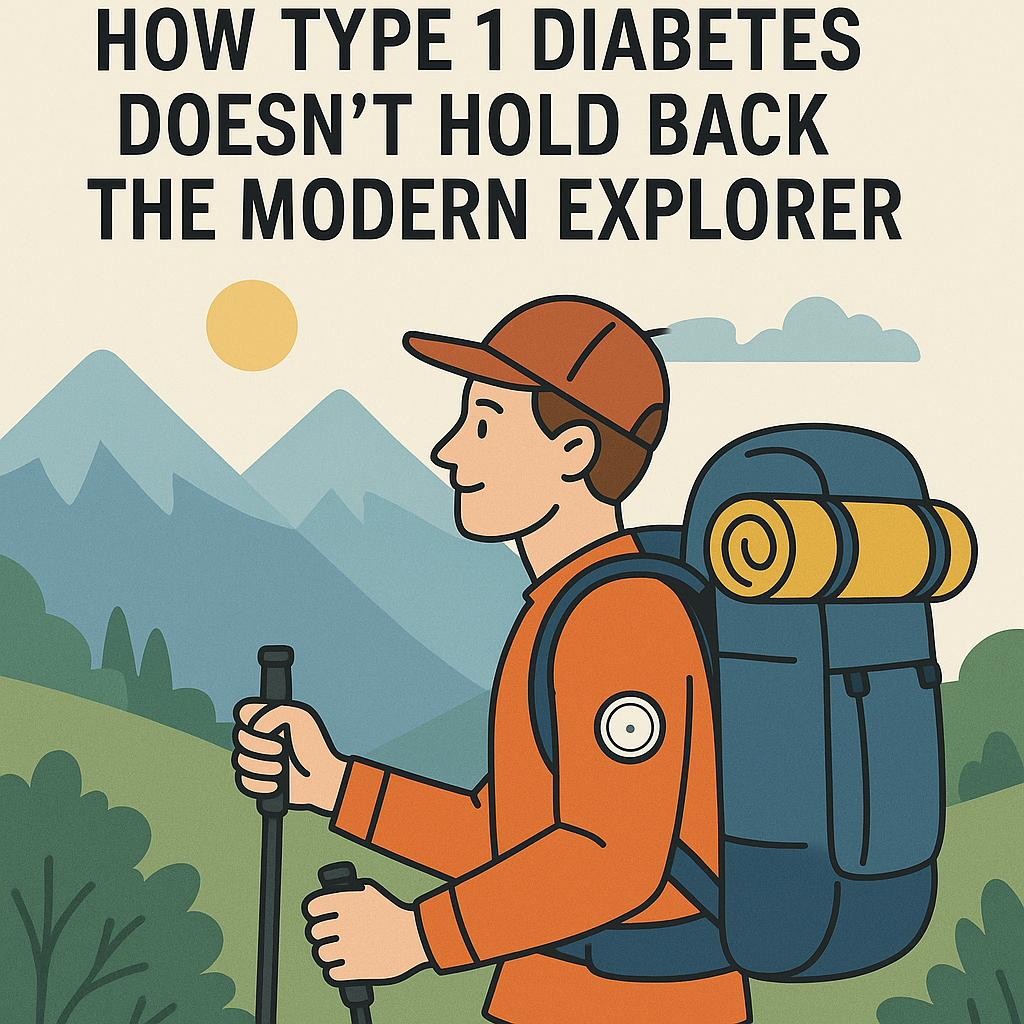
Type 1 diabetes is often seen as a barrier to living an adventurous life, yet many modern explorers are proving that this condition can be managed successfully while pursuing their passions. At its core, type 1 diabetes results from the immune system mistakenly attacking the insulin-producing cells in the pancreas. This leaves individuals reliant on daily insulin therapy to regulate their blood sugar levels. While the need for constant management might seem daunting, it doesn’t have to stand in the way of exploration and adventure. With the right preparation and mindset, people with type 1 diabetes can undertake remarkable journeys and accomplish extraordinary feats.
One of the key elements in managing type 1 diabetes while exploring the world is understanding how different activities and environments can affect blood sugar levels. Whether you’re hiking through dense jungles, climbing high-altitude peaks, or diving into the depths of the ocean, each adventure presents unique challenges. For instance, physical exertion can lead to fluctuations in blood sugar levels, making it crucial to monitor and adjust insulin intake accordingly. It’s important for individuals with type 1 diabetes to work closely with their healthcare team to develop a personalized plan that takes into account their specific activities and destinations.
The rise of technology has brought about significant improvements in the lives of those managing type 1 diabetes. Innovations such as continuous glucose monitors (CGMs) and insulin pumps have made it easier than ever to track and control blood sugar levels in real-time. These devices can be particularly beneficial during adventures, as they allow for more precise adjustments and reduce the risk of unexpected blood sugar swings. However, it’s essential to remember that while technology can be a helpful tool, it is not a substitute for professional medical advice. Always consult with a healthcare provider to determine the best approach for your specific needs.
Embarking on adventures with type 1 diabetes requires careful planning and a proactive approach, but it can also be incredibly rewarding. Many individuals find that managing diabetes on the road fosters a deeper sense of resilience and self-reliance. With a supportive community and access to the right resources, the modern explorer with type 1 diabetes can thrive in any environment, proving that this condition doesn’t have to limit one’s dreams or aspirations. Remember, if you’re contemplating an adventure and you have type 1 diabetes, consult with your healthcare provider to ensure you have the necessary preparations in place for a safe and enjoyable experience.
2. Medical Overview
Type 1 diabetes is an autoimmune condition where the body’s immune system mistakenly attacks the insulin-producing beta cells in the pancreas. This results in little to no insulin production, a hormone crucial for regulating blood glucose levels. Without insulin, glucose cannot enter cells to be used for energy, leading to high blood sugar levels. Individuals with type 1 diabetes must manage their condition with the regular administration of insulin, typically through injections or an insulin pump, and by carefully monitoring their blood glucose levels to maintain them within a target range. These efforts are essential for preventing complications and maintaining overall health.
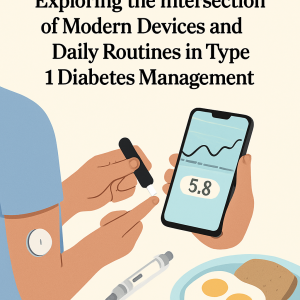
Understanding the biology of type 1 diabetes is the first step toward appreciating how the condition can be managed effectively, even during adventurous activities. Modern explorers with type 1 diabetes have more tools at their disposal than ever before, allowing them to pursue their passions while keeping their health in check. Continuous glucose monitors (CGMs) and insulin pumps are two key technologies that have revolutionized diabetes management. CGMs provide real-time glucose readings, which can help in making more informed decisions about food intake and physical activity. Insulin pumps offer a flexible means of delivering insulin, mimicking a more natural release pattern and allowing for adjustments based on real-time needs. However, as each individual’s circumstances and responses to these technologies can differ, it is crucial to work closely with healthcare providers to tailor a management plan that best fits their lifestyle.
Physical activity can significantly impact blood glucose levels, often lowering them, but the extent and duration vary among individuals. For those engaging in adventurous activities, this can introduce both challenges and opportunities. On one hand, the increase in physical activity may lead to hypoglycemia, or low blood sugar levels, which need to be addressed promptly. Symptoms of hypoglycemia can include shakiness, confusion, and dizziness, and if they occur, it’s important to pause the activity, treat the low blood sugar with fast-acting carbohydrates, and ensure levels have stabilized before continuing. On the other hand, regular exercise is beneficial for overall health and can improve insulin sensitivity, making glucose management easier over time. Therefore, integrating physical activity into daily life, with necessary precautions and under medical guidance, can be an empowering part of living with type 1 diabetes.
While type 1 diabetes requires diligent management, it does not have to restrict one’s adventurous spirit. By leveraging modern technology and working with healthcare professionals, individuals can develop personalized strategies that prepare them for the unique demands of their chosen activities. It’s important for anyone with type 1 diabetes to regularly consult their healthcare team to adjust their management plan as needed, ensuring they can explore the world while staying safe and healthy. With the right preparation and mindset, the modern explorer can continue to fuel their adventures without being held back by their condition.
3. Practical Guidance
For the modern explorer living with type 1 diabetes, planning and preparation are essential tools to ensure that blood glucose levels remain stable and adventures are safe and enjoyable. Whether you’re embarking on a hike, cycling through the countryside, or setting out on a marathon, understanding how your body responds to physical activity is key. Begin by closely monitoring your blood glucose levels before, during, and after exercise. This helps you identify patterns and make informed decisions based on your unique responses. Carry a portable glucose meter or a continuous glucose monitor (CGM) with you, if available, to stay updated on your levels throughout your journey.
Nutrition plays a critical role in managing diabetes while engaging in physical activities. It’s essential to fuel your body with the right balance of carbohydrates, proteins, and fats. Before starting an activity, consume a balanced meal or snack that aligns with your planned exertion level. For longer adventures, pack portable snacks that can be consumed easily. Options like granola bars, trail mix, or fruit can provide quick-acting carbohydrates that are useful if your blood sugar dips unexpectedly. Remember, it’s crucial to consult your healthcare provider or a registered dietitian to tailor your nutritional plan to your specific needs.
Staying hydrated is another important aspect of managing diabetes during physical activities. Dehydration can affect blood sugar levels, so it’s vital to drink water regularly, especially in hot or humid conditions. Carry a water bottle and take regular sips to stay hydrated. Additionally, have a plan for managing low blood sugar (hypoglycemia). This could include carrying fast-acting glucose sources, such as glucose tablets or gel, and ensuring that you or your companions know how to use them. Always treat low blood sugar promptly and confirm that your levels have stabilized before resuming any strenuous activity.
When exploring new environments, be mindful of how altitude, temperature, and terrain can impact your diabetes management. Higher altitudes and extreme temperatures can affect blood sugar levels and insulin requirements. Keep in mind that challenging terrains may require more energy expenditure, which could, in turn, influence your glucose levels. It’s beneficial to perform trial runs in similar conditions when possible, allowing you to adjust your strategy based on how your body reacts. Always have a backup plan and let someone know your itinerary, especially if you’re venturing into remote areas.
Lastly, maintain open communication with your healthcare team. Regular check-ins can provide personalized insights and adjustments to your diabetes management plan, ensuring it aligns with your adventurous lifestyle. While type 1 diabetes requires careful management, it doesn’t have to limit your ability to explore and pursue new experiences. With thoughtful planning and the right precautions, you can fuel your adventures safely and confidently. Always remember to consult your healthcare provider for guidance tailored to your personal health needs.
4. Practical Tips
For those with type 1 diabetes, embarking on adventures requires a bit more planning, but it certainly doesn’t have to stand in the way. With some practical strategies, modern explorers living with diabetes can enjoy their pursuits safely and confidently. Here are a few tips that can help manage diabetes while on the go.
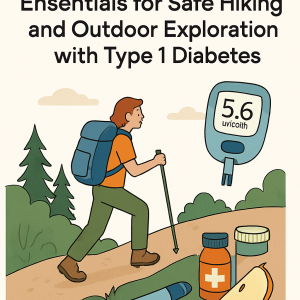
First, always carry a diabetes kit that includes essentials such as a blood glucose meter, test strips, insulin, and fast-acting carbohydrates like glucose tablets or gels. For example, if you’re setting off on a hike, pack these items in a small, easy-to-access bag. This ensures that you can quickly check your blood sugar levels and address any issues, such as hypoglycemia, as soon as they arise. It’s crucial to treat low blood sugar immediately and confirm that levels have stabilized before continuing with your activity.
Second, consider using technology to your advantage. Continuous glucose monitors (CGMs) and insulin pumps can provide real-time data and alerts, which can be incredibly useful during adventurous activities. For instance, if you’re cycling across a remote trail, a CGM can alert you to any blood sugar fluctuations, allowing you to make timely adjustments. However, remember that individual experiences with these devices can vary, and it’s important to consult with your healthcare provider to determine what technology best suits your needs.
Third, plan your meals and snacks with your activity level in mind. If you’re engaging in a physically demanding activity like rock climbing, you may need to adjust your carbohydrate intake accordingly. Packing a variety of snacks that combine carbohydrates and protein can help maintain your energy levels, such as trail mix or granola bars. Keep in mind that different activities may affect your blood sugar differently, so it’s wise to monitor your levels more frequently and adjust as needed. Always consult your healthcare professional about any significant changes in your diet or activity levels.
Finally, never underestimate the power of preparation. Research your destination and its facilities in advance. For instance, if you’re traveling to a new city for an adventure race, find out where the nearest medical facilities are and whether they have experience with diabetes care. This preparation can provide peace of mind and ensure that you’re ready to handle any unexpected situations that might arise.
By incorporating these practical tips into your adventure planning, you can focus more on the thrill of exploration and less on the challenges of managing type 1 diabetes. As always, it’s important to work with your healthcare team to tailor these strategies to your individual needs, ensuring that your adventures are not only exciting but also safe.
5. Expert Opinions
When it comes to embarking on adventurous journeys with type 1 diabetes, expert opinions emphasize the importance of preparation, monitoring, and personalized care. Many healthcare professionals note that, with careful planning, individuals with type 1 diabetes can pursue their adventurous passions effectively. Key to this preparation is a thorough understanding of one’s own body and how it responds to different physical activities. This knowledge can help in predicting and managing blood sugar levels during various types of adventures, from hiking to skiing.
Clinicians generally recommend that those with type 1 diabetes work closely with their healthcare team to develop a tailored management plan. This plan should include strategies for monitoring blood glucose levels frequently and adjusting insulin doses as needed, based on the level and duration of activity. The use of technology, such as continuous glucose monitors (CGMs) and insulin pumps, can be highly beneficial in providing real-time data and more precise insulin delivery, making it easier to manage diabetes while on the move. However, individuals should consult their doctors to determine the best technological aids for their specific needs.
Experts also highlight the importance of carrying necessary supplies, such as glucose tablets or snacks, to quickly address hypoglycemia, as well as ensuring all travel companions are informed about how to help in an emergency. Having a plan in place for unexpected situations is critical. The focus is on being prepared to take necessary actions, such as stopping activity to treat low blood sugar and confirming recovery before continuing. This approach not only safeguards health but also provides peace of mind, allowing the adventurer to focus on the thrill of exploration.
Additionally, healthcare professionals often stress the significance of regular check-ins with a healthcare provider, especially when planning a new or particularly challenging expedition. These consultations can help refine diabetes management strategies and address any concerns that may arise. The consensus among experts is that while type 1 diabetes introduces additional challenges, it does not have to limit the pursuit of exploration and adventure. By leveraging expert guidance, individuals can navigate their journeys with confidence and safety, ensuring that diabetes management supports rather than hinders their adventurous spirit.
6. Misconceptions
Type 1 diabetes is often surrounded by misconceptions that can overshadow the realities of living with the condition, especially when it comes to adventure and exploration. One common misunderstanding is that people with type 1 diabetes cannot participate in rigorous physical activities or adventurous pursuits. In reality, many individuals with this condition successfully engage in activities ranging from hiking and climbing to scuba diving and skiing. The key is careful planning and management of blood glucose levels, which can include frequent monitoring and adjustments as needed. As always, those with type 1 diabetes should consult their healthcare provider to tailor their management plans to their specific needs and activities.
Another misconception is that type 1 diabetes is a result of lifestyle choices. Unlike type 2 diabetes, which can be influenced by factors such as diet and exercise, type 1 diabetes is an autoimmune condition where the body’s immune system attacks insulin-producing cells in the pancreas. This distinction is crucial, as it underscores the importance of understanding that type 1 diabetes is not caused by poor lifestyle choices and should not carry stigma or judgment. Emphasizing this point can help support a more inclusive and understanding environment for adventurers managing the condition.
There’s also a belief that insulin pumps or continuous glucose monitors (CGMs) could be cumbersome or unreliable in outdoor or extreme conditions. However, technology has advanced significantly, allowing modern devices to be more durable and effective in a variety of settings. Many adventurers find that these technologies can actually enhance their ability to manage blood sugar levels in challenging environments. It’s important, though, for users to familiarize themselves with their equipment and have contingency plans in place. Consulting with healthcare professionals about how to best use these devices during specific activities can provide additional guidance and peace of mind.
Finally, the fear of hypoglycemia, or low blood sugar, often looms large, potentially deterring some from pursuing adventurous activities. While it is a valid concern, it does not have to be a barrier. Understanding the signs and symptoms of hypoglycemia, having fast-acting carbohydrates readily available, and ensuring that companions are aware of how to assist in case of an emergency are essential steps. Individuals should make sure they have recovered from any hypoglycemic episodes before resuming their adventures. Collaboration with healthcare providers to develop strategies for managing blood sugar during physical activities can greatly reduce risks and enhance safety.
By addressing these misconceptions, we can better appreciate that type 1 diabetes, while requiring diligent management, doesn’t have to curtail the spirit of exploration. With the right preparation and a proactive approach, those with type 1 diabetes can continue to embrace and thrive in their adventurous pursuits.
7. Summary
Type 1 diabetes, while a significant health consideration, doesn’t have to be a barrier to living a life full of adventure and exploration. This condition, characterized by the body’s inability to produce insulin, requires thoughtful management but can coexist with an active and fulfilling lifestyle. Modern adventurers with type 1 diabetes are proving that with the right preparation and mindset, they can conquer mountains, cross oceans, and explore the world just like anyone else. The key lies in understanding one’s body, maintaining open communication with healthcare providers, and being equipped with the necessary tools and knowledge to handle the unique challenges that type 1 diabetes may present during adventurous pursuits.
For explorers with type 1 diabetes, preparation is crucial. This includes planning meals and snacks carefully to ensure blood sugar levels remain stable, especially during physically demanding activities. It may also involve adjusting insulin and carbohydrate intake, but such adjustments should always be made in consultation with a healthcare professional. Understanding how exercise affects blood glucose levels is essential, as physical activity can cause these levels to fluctuate, sometimes resulting in hypoglycemia. Carrying glucose tablets or other quick sources of sugar is a practical strategy to manage sudden drops in blood sugar, underscoring the importance of readiness and quick response.
Technological advancements have made it easier for people with type 1 diabetes to manage their condition while on the move. Devices like continuous glucose monitors (CGMs) and insulin pumps can provide real-time data and control, allowing for more precise management of blood sugar levels. These tools can be invaluable during adventures, offering a layer of safety and convenience that was not available to previous generations. However, technology is only part of the equation; understanding how to interpret and act on the data remains crucial. As always, individuals should discuss with their healthcare team to optimize the use of these technologies in their specific situations.
While the journey may require more planning, individuals with type 1 diabetes are demonstrating that they can achieve remarkable feats. From climbing the highest peaks to trekking through remote landscapes, their accomplishments are a testament to resilience and determination. The support of a knowledgeable healthcare team and a community of fellow adventurers can also provide encouragement and practical advice. As they navigate their paths, these modern explorers remind us that with the right approach, type 1 diabetes is not a limitation but a part of their unique journey.
Ultimately, living with type 1 diabetes and pursuing a life of adventure is about balance, awareness, and adaptability. It’s about knowing when to push forward and when to pause, ensuring that health and safety always come first. By embracing these principles, adventurers with type 1 diabetes continue to fuel their passion for exploration, inspiring others along the way. For those considering embarking on their own adventures, consulting with healthcare professionals to tailor a plan that suits individual needs is an important step. With the right preparations, type 1 diabetes can be just another facet of a richly lived and adventurous life.