1. Introduction
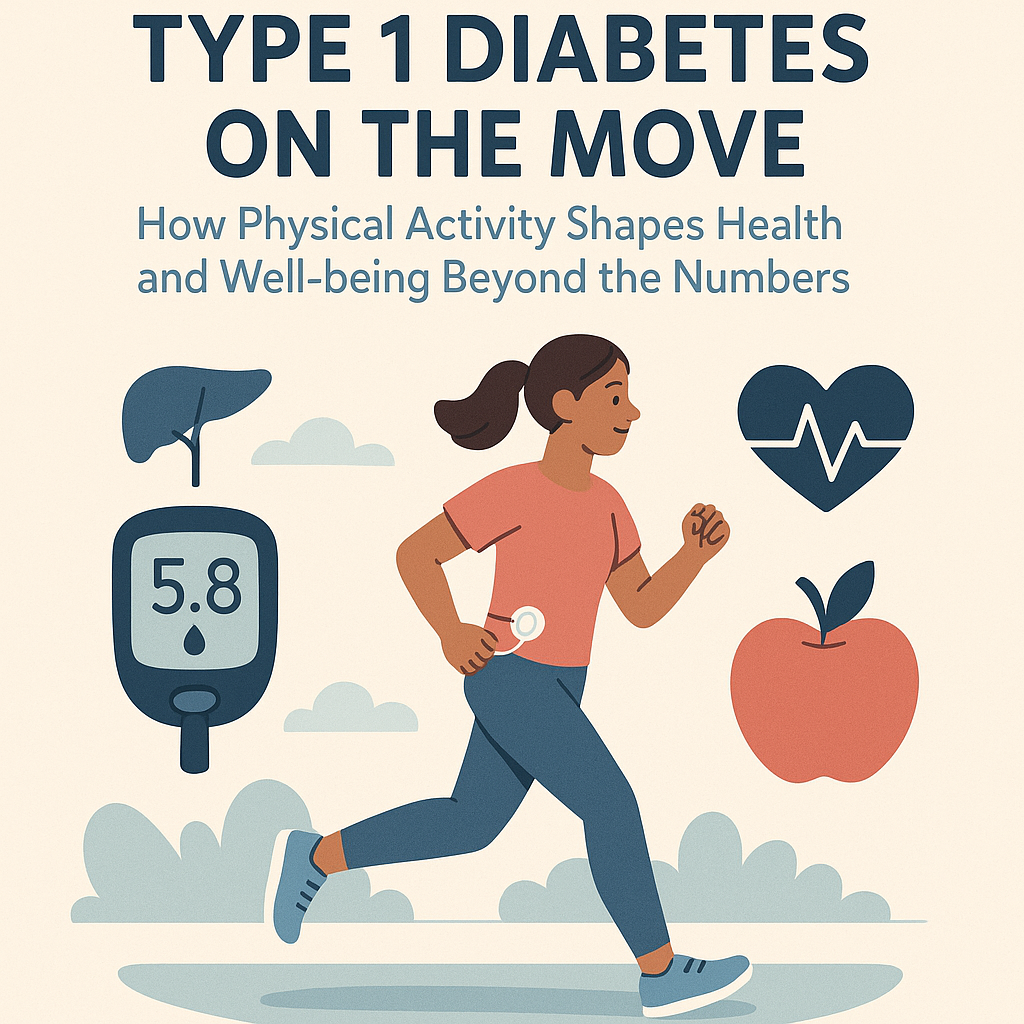
Type 1 diabetes is a lifelong condition that requires careful management to maintain optimal health. For those living with it, balancing insulin therapy, diet, and physical activity is crucial to managing blood glucose levels effectively. Amid these components, physical activity shines as a multifaceted tool not only for controlling blood sugar but also for enhancing overall well-being. As we delve into the topic of physical activity and its impact on type 1 diabetes, it’s important to appreciate the broader benefits it offers beyond just the numbers on a glucose meter.
Engaging in regular physical activity can be a transformative experience for individuals with type 1 diabetes. It holds the potential to improve cardiovascular health, build stronger muscles, and boost mental well-being. While each person may experience these benefits differently, studies suggest that regular movement is associated with better long-term health outcomes for people with type 1 diabetes. Exercise can help manage weight, which is an important aspect of diabetes care, and it may also enhance insulin sensitivity, allowing the body to use insulin more efficiently. However, as with any health-related activity, it’s crucial that exercise routines are tailored to individual needs and conditions. Consulting a healthcare provider can help ensure that a person’s physical activity plan is safe and effective.
Beyond physical health, exercise can play a significant role in improving mental and emotional well-being. For many, regular activity helps reduce feelings of stress and anxiety, offering a sense of accomplishment and control. Managing a chronic condition like type 1 diabetes can be emotionally taxing, and physical activity provides a natural outlet for stress relief and mood enhancement. Whether it’s a brisk walk, a swim, or a yoga session, the endorphins released during exercise can lead to improved mental clarity and a more positive outlook on life. That said, it’s important to approach exercise with an understanding of one’s personal limits and to be alert to the body’s signals. In cases of hypoglycemia, for instance, it’s essential to pause and treat low blood sugar before continuing with any physical activity.
It’s also key to recognize that the relationship between physical activity and type 1 diabetes management is not one-size-fits-all. Factors such as age, fitness level, and personal health goals all play a part in determining the best approach to incorporating exercise into a diabetes management plan. Importantly, individuals should work with their healthcare providers to create a personalized strategy that aligns with their lifestyle and needs. By doing so, they can harness the power of physical activity not only to manage their diabetes more effectively but to enhance their overall quality of life.
2. Medical Overview
Type 1 diabetes is a chronic condition characterized by the body’s inability to produce insulin, a hormone essential for converting glucose into energy. This autoimmune disorder occurs when the immune system mistakenly attacks and destroys insulin-producing beta cells in the pancreas. As a result, individuals with type 1 diabetes rely on external insulin sources to manage their blood sugar levels. The management of this condition goes beyond medication, encompassing lifestyle choices such as diet and physical activity. Understanding the medical framework of type 1 diabetes is crucial for appreciating how exercise can play a beneficial role in overall health and well-being.
Physical activity is a vital component of a healthy lifestyle for everyone, but it holds particular significance for those with type 1 diabetes. Engaging in regular exercise can enhance insulin sensitivity, meaning the body becomes more efficient at using available insulin. This improved sensitivity can help maintain blood glucose levels within a desirable range. However, managing physical activity with type 1 diabetes requires careful planning and monitoring to avoid potential complications like hypoglycemia, or low blood sugar. Symptoms of hypoglycemia can include shakiness, confusion, and dizziness, and it is essential that these are promptly addressed before resuming any physical activity. Individuals are encouraged to work closely with their healthcare team to develop a personalized exercise plan that considers their unique needs and safety requirements.
Exercise impacts more than just blood sugar levels. It contributes to cardiovascular health, enhances mood, and supports weight management, all of which are important considerations for individuals with type 1 diabetes. Physical activities such as aerobic exercises, strength training, and flexibility exercises can each play a role in promoting overall health. The balance of these activities can be tailored to suit personal interests and medical advice, allowing individuals to engage in a routine that is both enjoyable and beneficial. It’s important to note that the body’s response to exercise can differ from person to person, and factors such as the type, intensity, and duration of physical activity can influence blood sugar dynamics. Therefore, ongoing communication with healthcare providers is essential for making informed decisions about exercise regimens.
Incorporating physical activity into the management plan for type 1 diabetes is not merely about numbers on a glucose meter but about enhancing quality of life and long-term health outcomes. It is a dynamic process that may involve monitoring blood glucose levels before, during, and after exercise to ensure safety and effectiveness. While the benefits of exercise are well-documented, the approach must be individualized, acknowledging the unique responses and preferences of each person living with type 1 diabetes. Always consult with healthcare professionals to tailor an exercise plan that aligns with medical guidelines and personal health goals.
3. Practical Guidance
Engaging in physical activity is a key component for managing type 1 diabetes, offering benefits that go beyond just controlling blood sugar levels. When incorporating exercise into your routine, there are practical considerations that can help optimize your experience while maintaining safety. One crucial step is to monitor your blood sugar levels before, during, and after exercise. This helps you understand how different activities affect your body and allows you to make informed decisions about managing your blood glucose levels. It’s important to know your personal trends and have a plan in place to address potential fluctuations, such as hypoglycemia.
Carrying a source of quick-acting carbohydrates is a practical measure to address low blood sugar levels swiftly. Options such as glucose tablets or a small juice box can be effective and are easy to carry. Additionally, wearing a medical identification bracelet or carrying a card that indicates you have type 1 diabetes can be beneficial in case of an emergency. This ensures that those around you are aware of your condition and can assist if needed.
Another important aspect is adjusting your insulin regimen as needed around your exercise routine. However, because insulin needs can vary widely from person to person, it’s crucial to work with your healthcare provider to tailor a plan that suits your specific needs. This might involve adjusting the timing or dosage of insulin on days when you’re more active, but personalized guidance from your doctor is essential to avoid issues like hypoglycemia or hyperglycemia.
Hydration is often overlooked but is essential, especially during physical activity. Maintaining adequate fluid intake helps support your body’s functions and can aid in blood sugar management. A general rule of thumb is to drink water before, during, and after your workout, but the exact amount can depend on your individual needs and the intensity of the exercise.
It’s equally important to select activities that you enjoy and can sustain over the long term. Whether it’s brisk walking, cycling, swimming, or yoga, choosing something you love can increase the likelihood of making physical activity a regular part of your life. Additionally, incorporating variety can keep your routine engaging and work different muscle groups, contributing to overall fitness and well-being.
Finally, listen to your body and be flexible with your plans. If you experience symptoms such as dizziness, shortness of breath, or excessive fatigue, prioritize your safety and consult with your healthcare provider for guidance. Remember, incorporating physical activity is a journey, and adapting your strategies over time is normal. Regular consultations with your healthcare team can provide ongoing support and ensure that your exercise regimen aligns with your overall diabetes management plan.
4. Practical Tips
Engaging in physical activity can be a powerful way to enhance well-being when living with type 1 diabetes, but it does require some careful planning to balance blood sugar levels. Here are some practical tips that can help make your exercise routine both enjoyable and beneficial.
First, consider keeping a detailed exercise journal. This can be an invaluable tool for understanding how different activities affect your blood glucose levels. Note the type of exercise, intensity, duration, and how you felt before, during, and after the activity. Over time, patterns may emerge that allow you to anticipate and better manage your responses to exercise. For instance, you might find that a brisk walk lowers your blood sugar more than a gentle yoga session, which can help inform your pre-exercise preparations.
Second, always prepare for the possibility of hypoglycemia, commonly known as low blood sugar. Before starting your workout, ensure that you have quick-acting carbohydrates on hand, such as glucose tablets or juice, in case you need to quickly address a drop in blood sugar. It’s vital to treat low blood sugar right away and confirm that levels have stabilized before resuming any physical activity.
Third, think about the timing of your meals and insulin. Exercising after a large meal or shortly after taking insulin can sometimes lead to unexpected blood sugar changes. By experimenting with different timings, you might find what works best for your body. For example, some individuals find that exercising an hour or two after a meal gives them a more stable energy supply, but what’s optimal can vary greatly from person to person. Therefore, it’s important to discuss any significant changes in your routine with your healthcare provider to tailor an approach that suits your unique needs.
Finally, remember to stay hydrated and dress appropriately for your activity, particularly in extreme weather conditions. Dehydration can affect blood sugar levels, and appropriate clothing can help regulate body temperature and comfort, allowing for a safer and more enjoyable experience. Staying mindful of these practical considerations can help ensure that your activity supports your health and well-being effectively.
5. Expert Opinions
When it comes to physical activity for individuals with type 1 diabetes, expert opinions emphasize a balanced approach that takes into account personal health needs and safety. Clinicians generally recommend that people with type 1 diabetes engage in regular physical activity, as it can offer numerous health benefits, including improved cardiovascular fitness, better blood glucose control, and enhanced mental well-being. However, experts also caution that managing exercise with type 1 diabetes involves careful planning and monitoring.
Healthcare professionals advise that individuals with type 1 diabetes should be particularly mindful of their blood sugar levels before, during, and after exercise. Physical activity can cause blood sugar levels to fluctuate, potentially leading to hypoglycemia (low blood sugar) or, less commonly, hyperglycemia (high blood sugar). To mitigate these risks, experts suggest that individuals check their blood sugar levels regularly and carry fast-acting carbohydrates to manage any potential drops in blood sugar. It’s also important to recognize that different types of activities can have varying impacts on blood sugar. For example, aerobic exercises like running or cycling might lower blood sugar more rapidly compared to anaerobic exercises such as weightlifting.
Professionals in diabetes care often emphasize the importance of personalized exercise plans. They recommend that individuals work closely with their healthcare team to develop a strategy that suits their specific needs and goals. This collaboration can help ensure that the chosen activities are safe and effective, and that any necessary adjustments to insulin or carbohydrate intake are made. Lifestyle factors, such as meal timing and insulin administration, should also be considered in the context of exercise.
In addition to physical health benefits, experts acknowledge the positive impact of exercise on mental health for those with type 1 diabetes. Regular physical activity can reduce stress, enhance mood, and improve overall quality of life. This holistic view of exercise underscores its role not just in managing diabetes, but also in promoting general well-being.
Ultimately, while expert guidance provides a valuable framework for incorporating exercise into the management of type 1 diabetes, individual responses can vary. Therefore, consulting with healthcare providers is crucial to tailor physical activity plans that are both safe and beneficial. By doing so, individuals with type 1 diabetes can enjoy the myriad benefits of exercise while minimizing potential risks.
6. Misconceptions
When it comes to type 1 diabetes and physical activity, misconceptions abound. One common misunderstanding is that individuals with type 1 diabetes should avoid exercise due to the risk of hypoglycemia, or low blood sugar. While it’s true that physical activity can affect blood sugar levels, exercise is not only safe for many people with type 1 diabetes but also beneficial for overall health. Regular physical activity can help improve cardiovascular health, enhance mood, and potentially aid in better blood sugar management. The key is to balance insulin administration, carbohydrate intake, and exercise. It’s important for individuals to work closely with their healthcare team to develop a personalized plan that takes into account their specific health needs and exercise routines.
Another misconception is that exercise has a uniform effect on everyone with type 1 diabetes. In reality, the impact of physical activity can vary significantly from person to person. Factors such as the type, intensity, and duration of exercise, as well as the individual’s current health status and diabetes management plan, all play a role. Some people may find that their blood sugar levels drop during or after exercise, while others might experience an increase. This variability underscores the importance of monitoring blood sugar levels closely and adjusting management strategies as necessary, all under medical guidance.
It’s also a common myth that only high-intensity workouts are beneficial for people with type 1 diabetes. In truth, any form of physical activity, from walking and swimming to yoga and cycling, can contribute positively to one’s health. The focus should be on finding enjoyable activities that encourage consistency and sustainability. This approach can help improve fitness, support mental health, and enhance overall quality of life.
Finally, some believe that once a person with type 1 diabetes starts experiencing symptoms like hypoglycemia during exercise, they should push through. This is a dangerous misconception. If low blood sugar occurs, it’s crucial to stop exercising immediately and treat the hypoglycemia, typically with a fast-acting carbohydrate. Resuming activity should only happen after blood sugar levels have stabilized. Consulting with a healthcare provider can help individuals with type 1 diabetes learn how to recognize, treat, and prevent hypoglycemia during exercise effectively.
Understanding these misconceptions can empower individuals with type 1 diabetes to embrace physical activity safely and effectively. It’s essential to work with healthcare professionals to tailor an exercise plan that complements one’s diabetes management strategy, ensuring that the journey toward fitness and well-being is both safe and rewarding.
7. Summary
Type 1 diabetes is a chronic condition that requires ongoing management, but the role of physical activity in shaping overall health and well-being can be profound. Engaging in regular exercise can offer a range of benefits for individuals with type 1 diabetes, extending beyond mere glucose control to enhance cardiovascular health, improve mood, and contribute to a greater sense of well-being. Physical activity can help in maintaining a healthy weight, improving insulin sensitivity, and reducing the risk of cardiovascular disease, which is a significant concern for those managing diabetes. However, it’s important to recognize that exercise impacts blood sugar levels in complex ways, and its effects can vary widely from person to person.
Before starting or adjusting any exercise routine, individuals with type 1 diabetes are encouraged to consult with their healthcare providers. This is crucial for creating a personalized approach that considers unique health needs, current fitness levels, and goals. Understanding how different types of exercise affect blood sugar levels can aid in planning, whether it’s aerobic activities like running or cycling, or anaerobic exercises such as weightlifting. Monitoring blood glucose levels before, during, and after exercise is essential to ensure safety and make necessary adjustments to food intake or insulin. This proactive approach can help manage the risk of hypoglycemia, a common concern during physical activity, and ensure that exercise remains a safe and beneficial component of daily life.
Incorporating physical activity into a diabetes management plan can also provide psychological benefits, contributing to reduced stress and improved mental health. Exercise has been shown to release endorphins, the body’s natural mood lifters, and can play a role in managing anxiety and depression, which are sometimes associated with chronic conditions like diabetes. The social aspect of team sports or group activities can further enhance emotional well-being, offering opportunities for connection and support.
Ultimately, while the path to integrating physical activity into the life of someone with type 1 diabetes can be nuanced, the potential rewards make it worth the effort. By working closely with healthcare professionals and staying attuned to their body’s responses, individuals can discover the right balance of exercise that supports not only their physical health but also their mental and emotional well-being. As research continues to evolve, staying informed and adaptable will be key to leveraging the full benefits of an active lifestyle in managing type 1 diabetes.