1. Introduction
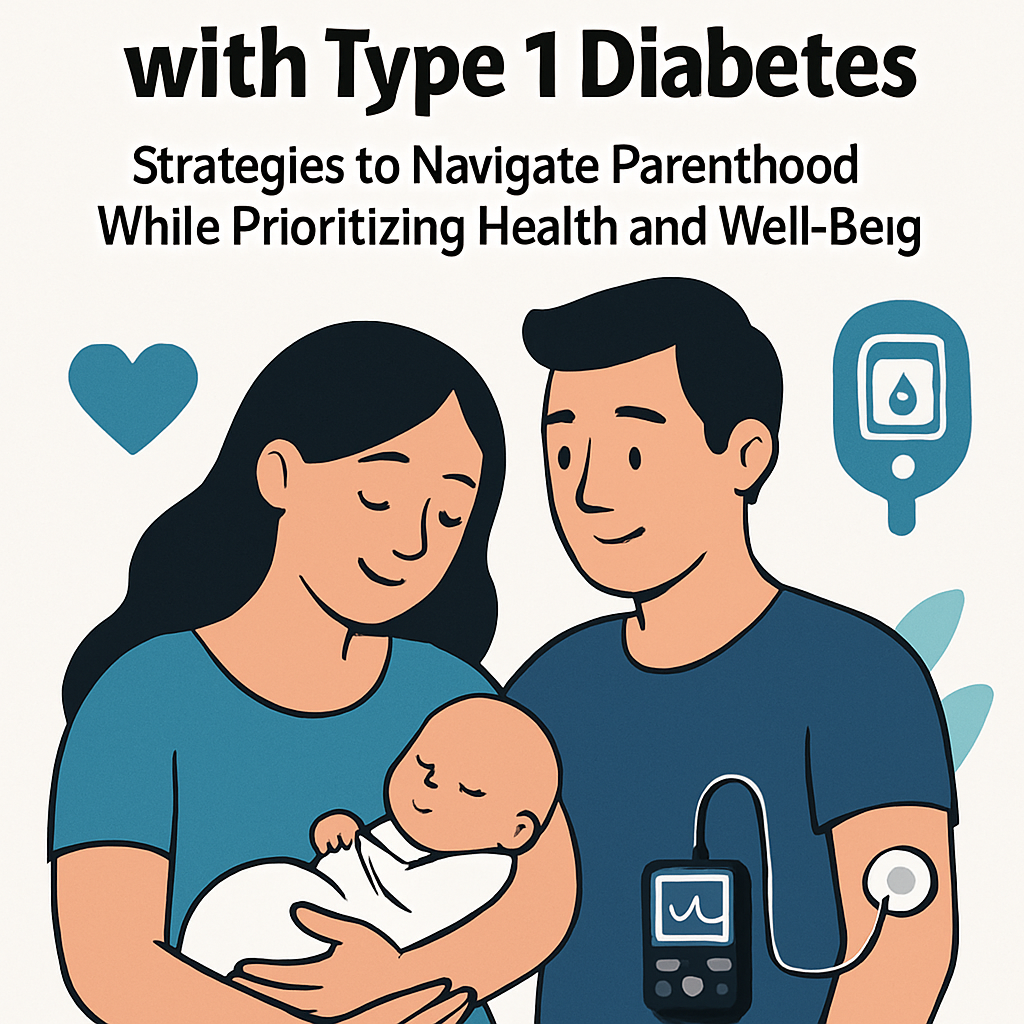
Embarking on the journey of parenthood is a transformative experience filled with joy, challenges, and countless learning moments. For individuals living with type 1 diabetes, this journey requires additional layers of planning and consideration to ensure both parental health and family well-being. Understanding the nuances of managing type 1 diabetes while raising children is essential, as it can help create a more balanced and fulfilling family life. This section aims to provide a supportive and informative introduction to navigating parenthood while prioritizing health and well-being.
Type 1 diabetes is an autoimmune condition where the body’s immune system attacks insulin-producing cells in the pancreas. As a result, individuals with type 1 diabetes must carefully manage their blood glucose levels through a combination of insulin therapy, diet, physical activity, and regular monitoring. Parenthood, with its unpredictable schedule and demands, can add a layer of complexity to this already intricate management. It is crucial to plan and adapt diabetes care routines to accommodate the dynamic nature of raising children.
Balancing the daily responsibilities of parenthood with the necessities of diabetes management can feel overwhelming at times. However, with thoughtful strategies and support, many parents living with type 1 diabetes successfully navigate this path. Open communication with healthcare providers is vital in this process. Regular consultations can help tailor diabetes management plans to fit the changing landscape of family life. This personalized approach may include adjustments in insulin regimens, dietary planning, and incorporating physical activity that suits both parental roles and health needs.
Support networks also play a pivotal role in this journey. Engaging with other parents who have type 1 diabetes, either through online forums or local support groups, can provide invaluable insights and encouragement. Sharing experiences and strategies helps create a sense of community and understanding, which can significantly ease the challenges associated with managing diabetes while parenting.
It’s important to acknowledge that every individual’s experience with type 1 diabetes and parenthood is unique. What works for one family might not be suitable for another. Flexibility and patience are key components in finding the right balance. Additionally, it’s essential to remember that self-care is not an indulgence but a necessity. Prioritizing one’s health is integral not only for personal well-being but also to ensure the ability to care for and enjoy time with one’s children.
Ultimately, embarking on parenthood with type 1 diabetes involves a journey of adaptation, learning, and resilience. By embracing supportive resources, maintaining open communication with healthcare providers, and remaining attuned to personal health needs, individuals can foster a nurturing environment for their families while effectively managing their condition. As you continue reading, we will explore strategies and insights to help you navigate parenthood with confidence and care. Always consult your healthcare provider for advice tailored to your specific circumstances.
2. Medical Overview
Understanding type 1 diabetes is crucial for anyone navigating parenthood with this condition. Type 1 diabetes is an autoimmune disorder where the body’s immune system attacks the insulin-producing beta cells in the pancreas, leading to little or no insulin production. Insulin is a hormone essential for regulating blood sugar levels. Without it, glucose remains in the bloodstream, which can lead to a range of health complications over time. Managing type 1 diabetes requires careful monitoring of blood sugar levels and administering insulin through injections or an insulin pump.
Being a parent with type 1 diabetes involves a balancing act between managing your health and meeting the demands of family life. It’s important to have a solid grasp of how different factors such as diet, physical activity, stress, and illness can affect your blood sugar levels. Meal planning becomes a vital part of your routine, as you’ll need to consider not only your nutritional needs but also those of your family. Physical activity, while beneficial, requires careful planning to prevent hypoglycemia (low blood sugar), a condition that can occur if insulin levels do not match the body’s energy requirements. Symptoms of hypoglycemia include dizziness, confusion, and irritability, and it requires prompt treatment to ensure safety.
Pregnancy and child-rearing introduce additional considerations for managing type 1 diabetes. Pregnancy can affect blood sugar levels in unpredictable ways, necessitating close collaboration with a healthcare team to ensure both maternal and fetal health. After the child is born, the demands of parenting can be intense, and it’s vital to continue prioritizing your health. Regular consultations with your healthcare provider can help tailor your diabetes management plan to accommodate the dynamic nature of parenting. This ongoing support is essential, as each person’s experience with type 1 diabetes is unique, and adjustments may be necessary as life circumstances change.
Importantly, maintaining a strong support network can make a significant difference. This might include family, friends, healthcare providers, or support groups. These resources can offer practical help, emotional support, and valuable insights into managing diabetes while raising a family. Remember, while type 1 diabetes presents unique challenges, many have successfully balanced the demands of parenthood and their health. Regular check-ups and open communication with your healthcare team will help you navigate this journey. Always consult your doctor for personalized advice tailored to your specific health needs.
3. Practical Guidance
Embarking on the journey of parenthood while managing type 1 diabetes can indeed be a challenging yet rewarding experience. Practical strategies can help you maintain your well-being and keep your health in check amidst the demands of raising children. One of the foundational steps is establishing a consistent routine. This includes regular monitoring of your blood sugar levels, which can help you recognize patterns and make adjustments in consultation with your healthcare provider. A balanced approach to meals and snacks, aligned with your insulin regimen, can also support stable glucose levels. It’s important to remember that your dietary needs may fluctuate, so working with a dietitian to create a flexible meal plan might be beneficial.
Another key strategy is integrating physical activity into your daily life. This doesn’t necessarily mean hitting the gym every day; simple activities like playing with your children or going for family walks can be both enjoyable and beneficial for your health. Regular exercise can help improve insulin sensitivity and energy levels, but it’s crucial to monitor your blood sugar before, during, and after physical activity to avoid hypoglycemia. Always have quick sources of carbohydrates on hand to treat low blood sugar levels promptly, and ensure you feel fully recovered before resuming any activity.
Communication is also vital. Keep open lines of communication with your partner, family members, and healthcare team. Sharing your experiences and challenges can foster support and understanding. Additionally, educating your loved ones about the signs of hypo- and hyperglycemia, and how they can assist you, can be invaluable. This support network can make a significant difference in managing both your diabetes and your parenting responsibilities.
Finally, don’t overlook the importance of self-care. Parenthood is demanding, and taking time for yourself can help you recharge and manage stress, which can affect your blood sugar levels. Whether it’s reading a book, meditating, or pursuing a hobby, finding moments for yourself can enhance your overall well-being. Remember, your health is a priority, and by taking care of yourself, you’re better equipped to care for your family. As always, consult with your healthcare provider to tailor these strategies to fit your individual health needs and lifestyle.
4. Practical Tips
Embarking on parenthood with type 1 diabetes requires thoughtful planning and a proactive approach to managing your health amidst the new demands of caring for a child. One practical tip is to establish a robust support network. Surrounding yourself with friends, family, and healthcare professionals who understand your condition can make a significant difference. For example, consider arranging regular check-ins with a diabetes educator or dietitian who can offer guidance tailored to your changing lifestyle. Additionally, communicating openly with your partner about your needs and any adjustments in your diabetes management can foster a supportive home environment.
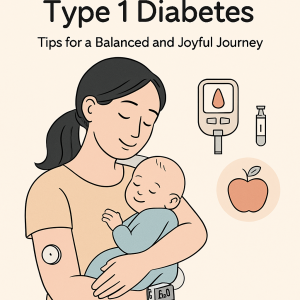
Another key strategy is integrating diabetes management into your daily routines with your child. For instance, if you have a young infant, it can be helpful to synchronize your blood sugar monitoring or insulin administration with their feeding times. This way, you can ensure that both you and your child are well-nourished and taken care of. As children grow, involving them in age-appropriate ways can also be beneficial. Teaching older children about your condition and involving them in aspects of your routine, such as reminding you to check your blood sugar, can foster awareness and understanding, while also helping to manage the condition more smoothly.
Prioritizing self-care is crucial but can often feel challenging with a busy parenting schedule. One practical example of self-care is maintaining a balanced diet that aligns with your diabetes management plan. Planning and prepping meals ahead of time can alleviate stress and help you stay on track. Additionally, incorporating physical activity into family time, such as going for a walk with your child or playing active games together, can be a fun way to meet your exercise needs while spending quality time with your child. It’s important to remember that every individual’s diabetes management plan is unique, so consulting with your healthcare provider can help tailor these strategies to best fit your needs. By taking these practical steps, you can navigate the joys and challenges of parenthood while prioritizing your health and well-being.
5. Expert Opinions
When embarking on the journey of parenthood with type 1 diabetes, expert opinions emphasize the importance of maintaining a well-coordinated healthcare plan. Clinicians generally recommend that individuals with type 1 diabetes work closely with their healthcare team to establish a management strategy tailored to their unique needs during this life stage. This typically involves regular consultations with endocrinologists, diabetes educators, and other specialists who can offer guidance on managing blood glucose levels before, during, and after pregnancy.
Experts often highlight the significance of maintaining stable blood sugar levels as a priority for those with type 1 diabetes preparing for parenthood. A stable glycemic control can help reduce the risk of complications for both the parent and the baby. To achieve this, healthcare professionals may suggest more frequent monitoring of blood glucose levels and adjustments to insulin therapy as necessary. However, these adjustments should always be made in consultation with a healthcare provider, as individual requirements can vary widely.
In addition to medical management, experts also stress the importance of emotional and psychological support. The transition into parenthood can be emotionally taxing, and having type 1 diabetes may add an extra layer of complexity. Healthcare providers often recommend seeking support from counselors or support groups that focus on diabetes and parenthood. These resources can offer valuable perspectives and coping strategies, helping new parents manage stress and maintain overall well-being.
Nutrition and exercise are also frequently discussed by experts as key components of a healthy lifestyle for parents with type 1 diabetes. Nutritional guidance from a registered dietitian familiar with diabetes can support healthy eating patterns, which are crucial for blood sugar control. Regular physical activity, as advised by healthcare professionals, may also help in managing diabetes and improving mood and energy levels. However, any new exercise regimen should be discussed with a healthcare provider to ensure it’s safe and appropriate for the individual’s condition.
Finally, experts underscore the importance of open communication with healthcare providers throughout the parenting journey. Regular check-ins allow for adjustments in care plans and provide opportunities to address any new challenges that arise. If you are considering starting a family or are already on this path with type 1 diabetes, consulting your healthcare provider is essential for personalized advice and support tailored to your circumstances.
6. Misconceptions
Misconceptions surrounding type 1 diabetes can pose additional challenges for parents managing their condition while raising children. A common misunderstanding is that individuals with type 1 diabetes cannot lead healthy, active lives, especially when embarking on parenthood. This is far from the truth. With appropriate management and support, people with type 1 diabetes can live full lives and actively participate in all aspects of family life. It’s crucial to recognize that while diabetes management requires diligence, it doesn’t define one’s ability to be an effective and nurturing parent.
Another prevalent misconception is that type 1 diabetes is caused by lifestyle choices, similar to some cases of type 2 diabetes. This misunderstanding can lead to unwarranted guilt or blame. It’s important to clarify that type 1 diabetes is an autoimmune condition, where the immune system mistakenly attacks the insulin-producing cells in the pancreas. This distinction helps in understanding that no amount of healthy eating or exercise during childhood could have prevented the condition. Recognizing this can alleviate undue stress and help parents focus on managing their health effectively.
There is also a misconception that people with type 1 diabetes cannot safely have children. While it is true that pregnancy requires additional planning and monitoring for those with type 1 diabetes, many women with the condition have healthy pregnancies and children. It’s essential for prospective parents to work closely with healthcare providers to understand their specific needs during pregnancy, as well as the importance of maintaining good blood glucose control. This ongoing partnership can help tailor a care plan that supports both the health of the parent and the developing child.
Some might believe that individuals with type 1 diabetes can simply avoid sweets and carbs to manage their condition. However, the reality is that managing type 1 diabetes involves a comprehensive approach, including monitoring blood glucose levels, administering insulin, maintaining a balanced diet, and integrating regular physical activity. While reducing certain foods may be part of an overall strategy, it’s not as simple as avoiding certain food groups. Effective management requires individualized plans developed in consultation with healthcare professionals.
Finally, there’s a misconception that low blood sugar (hypoglycemia) episodes can be toughened out or ignored. This is not the case. It’s vital to promptly address hypoglycemia by consuming fast-acting carbohydrates and ensuring recovery before resuming normal activities, especially when responsible for a child’s care. Continuous monitoring and prompt treatment of low blood sugar are key components of safe diabetes management. Parents are encouraged to discuss strategies with their healthcare team to manage these episodes efficiently.
Tackling these misconceptions is a crucial step towards creating a supportive environment for parents with type 1 diabetes. By understanding the realities of the condition, individuals can better prepare for the challenges and joys of parenthood, ensuring both their well-being and that of their children. Always consult with healthcare professionals for personalized advice and guidance tailored to your specific situation.
7. Summary
Embarking on the journey of parenthood while managing type 1 diabetes can be both rewarding and challenging, requiring a delicate balance between caring for your child and maintaining your own health. Prioritizing your well-being is essential not only for your own quality of life but also for being the best possible parent to your child. Understanding the nuances of your condition, planning ahead, and building a supportive network can make a significant difference in navigating this path successfully.
One of the key strategies for managing type 1 diabetes while embracing parenthood is maintaining a proactive approach to your health. This includes regular monitoring of blood glucose levels, adhering to a personalized treatment plan, and maintaining open communication with your healthcare team. It’s important to remember that your needs may change during different stages of parenthood, so ongoing consultations with your doctor can help tailor your care plan to your evolving circumstances.
In addition to medical management, organizational strategies can be incredibly beneficial. Establishing routines that incorporate both diabetes management and parenting responsibilities can help reduce stress and increase predictability in your day-to-day life. Whether it’s preparing healthy meals that accommodate both your dietary needs and those of your family, or scheduling time for self-care amidst the demands of parenthood, planning ahead can alleviate some of the pressures that come with balancing these responsibilities.
Building a strong support network is another vital component of successfully managing type 1 diabetes while parenting. This network can include family members, friends, and community resources that understand and support your needs. Sharing your experiences and challenges with others who are in similar situations can provide emotional support and practical advice. Joining support groups, either in-person or online, can also offer a sense of community and connection, reminding you that you are not alone in this journey.
Ultimately, while the challenges of parenting with type 1 diabetes are real, they are not insurmountable. By prioritizing your health, planning strategically, and leveraging support systems, you can create a nurturing environment for both yourself and your child. Remember, while it’s important to strive for balance, flexibility and adaptability are key. As every individual’s situation is unique, consulting with your healthcare provider can help you navigate any specific concerns or adjustments needed along the way.