1. Introduction
Type 1 diabetes is a condition that can present unique challenges for young athletes, but with the right approach, it can also be a source of strength and resilience. This autoimmune disorder occurs when the body’s immune system mistakenly attacks and destroys insulin-producing cells in the pancreas. As a result, individuals with type 1 diabetes need to manage their blood glucose levels carefully to maintain optimal health and performance. For young athletes, this means navigating the demands of their sport while also keeping an eye on their diabetes management. It’s a delicate balance, but one that can be mastered with knowledge, planning, and support.
Engaging in competitive sports offers numerous benefits for young athletes with type 1 diabetes, from enhancing physical fitness and improving cardiovascular health to boosting mental well-being and self-esteem. However, the physical demands of sports, coupled with the body’s metabolic responses during exercise, require careful planning to prevent issues such as hypoglycemia (low blood sugar) or hyperglycemia (high blood sugar). Understanding how different types of physical activity affect blood glucose levels is crucial. For instance, endurance sports might have different impacts compared to high-intensity interval sports, necessitating tailored strategies to manage glucose levels effectively.
It’s essential for young athletes and their support networks, including parents, coaches, and healthcare providers, to work together to create an individualized plan. This plan should consider factors such as the type of sport, intensity of training, and personal responses to exercise. Regular consultations with healthcare professionals, including endocrinologists and certified diabetes educators, can provide valuable insights and adjustments to the diabetes management plan. This collaborative approach not only helps in achieving peak athletic performance but also ensures the athlete’s safety and overall well-being.
While managing type 1 diabetes in the context of competitive sports might seem daunting, it’s important to remember that many athletes have successfully navigated these challenges. By embracing the unique needs of their condition and seeking appropriate guidance, young athletes can continue to pursue their passion for sports without compromising their health. If you or your child is living with type 1 diabetes and engaged in sports, it’s always a wise decision to consult with a healthcare professional to tailor an approach that suits individual needs.
2. Medical Overview
Type 1 diabetes is an autoimmune condition where the body’s immune system mistakenly attacks insulin-producing beta cells in the pancreas. As a result, the pancreas produces little to no insulin, a hormone crucial for regulating blood sugar levels. This condition is typically diagnosed in children and young adults, making it the more common type of diabetes among young athletes. For those engaging in competitive sports, understanding the medical aspects of type 1 diabetes is crucial to managing their health while pursuing athletic excellence.
Effective management of type 1 diabetes involves closely monitoring blood glucose levels, administering insulin, and maintaining a balanced diet. Athletes with type 1 diabetes must be particularly vigilant as physical activity can significantly impact blood sugar levels. Exercise typically increases insulin sensitivity, which can lower blood glucose levels. However, different types of physical activity can affect individuals in varied ways, sometimes leading to unexpected spikes or drops in blood sugar. This underscores the importance of personalized diabetes management plans, ideally developed in consultation with healthcare professionals.
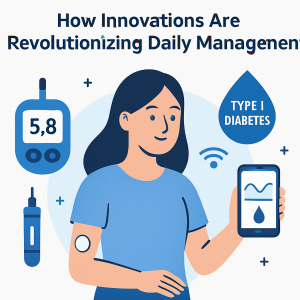
While the prospect of managing type 1 diabetes in conjunction with athletic training can seem daunting, many young athletes successfully compete at high levels. It is essential for them to monitor their blood glucose levels before, during, and after physical activity. This helps in making informed decisions about insulin doses and nutritional intake. Some athletes might use continuous glucose monitors (CGMs) to provide real-time data, which can be invaluable for making timely adjustments. However, these tools should be used in consultation with a healthcare provider to tailor an approach that suits the athlete’s individual needs.
One of the critical concerns for athletes with type 1 diabetes is the risk of hypoglycemia, or low blood sugar, during or after exercise. Symptoms can include shakiness, confusion, and even loss of consciousness if not addressed promptly. It is vital for athletes to have a plan in place to treat low blood sugar immediately, such as consuming fast-acting carbohydrates. They should ensure they have access to these resources during practice and competitions. Before resuming activity, it is important to check that blood sugar levels have stabilized. In case of recurrent issues, consulting with a healthcare provider can help adjust the management plan to better suit the athlete’s lifestyle and training regimen.
Ultimately, managing type 1 diabetes in young athletes requires a collaborative approach involving the athlete, their family, coaches, and healthcare team. By understanding the unique interactions between diabetes management and physical activity, athletes can perform at their best while maintaining their health. Regular consultations with healthcare providers are recommended to fine-tune management strategies and address any emerging concerns. With the right support and planning, young athletes with type 1 diabetes can continue to thrive in their sports and beyond.
3. Practical Guidance
Managing type 1 diabetes while participating in competitive sports requires a blend of preparation, awareness, and adaptability. One of the most crucial aspects is understanding how exercise affects blood glucose levels. Physical activity can lead to fluctuations, so monitoring your blood sugar before, during, and after exercise is essential. Carry a glucose meter or a continuous glucose monitor (CGM) and ensure you have a plan for checking your levels at regular intervals. This proactive approach can help in identifying patterns and making necessary adjustments.
Fueling your body appropriately is another key component. Carbohydrate intake needs to be carefully balanced to ensure energy levels are sustained without causing blood sugar spikes. Eating a balanced meal or snack containing carbohydrates, protein, and fat before engaging in sports can provide a steady release of energy. It’s also wise to have fast-acting carbohydrates, like glucose tablets or sports gels, readily available for quick treatment in case of hypoglycemia during or after intense activity. Always remember, individual responses can vary, so experimenting with different foods and timing can help in finding what works best for your body.
Hydration plays a vital role in both athletic performance and diabetes management. Staying well-hydrated can aid in maintaining stable blood glucose levels and improving endurance. Make sure to drink water regularly before, during, and after exercise, and consider integrating electrolyte-rich fluids if the activity is particularly strenuous or performed in hot conditions. This can help replenish any minerals lost through sweat and reduce the risk of dehydration.
Creating a team of support is invaluable. Inform coaches, teammates, and trainers about your type 1 diabetes and discuss your specific needs, such as recognizing the signs of hypo- or hyperglycemia and knowing how to assist if necessary. This open communication can create a supportive environment that helps you focus on your sport while managing your health. It’s equally important to wear medical identification, like a bracelet or necklace, that can alert others to your condition in an emergency.
Flexibility and ongoing education are your allies. Exercise routines, competition schedules, and dietary needs may change, so staying informed and adaptable is key. Regular consultations with your healthcare team can provide tailored advice, ensuring your diabetes management plan aligns with your athletic goals. They can offer insights into adjusting medication or insulin to accommodate varying levels of physical activity. Remember, every individual is different, and advice from a healthcare professional should form the basis of any changes to your diabetes management plan.
Ultimately, the goal is to empower you to participate in competitive sports safely and effectively. By taking proactive steps to manage your diabetes, you can enjoy the benefits of athletic participation and strive for peak performance. Always prioritize your health and safety, and consult your healthcare provider to address any specific concerns or to tailor your diabetes management strategy to fit your athletic lifestyle.
4. Practical Tips
Participating in competitive sports can be both rewarding and challenging for young athletes with type 1 diabetes. Balancing insulin management, nutrition, and exercise requires careful planning and attention. Here are some practical tips that may help young athletes navigate these challenges effectively while striving for peak performance and health.
Firstly, it’s crucial to establish a routine for monitoring blood glucose levels. Frequent checking can help athletes recognize patterns and understand how different types of exercise affect their blood sugar. For example, a young runner might notice that their glucose levels tend to drop after long-distance running sessions, which could necessitate adjustments in their pre-training snack or insulin regimen. Collaborating with a healthcare team to tailor these strategies to individual needs is essential.
Secondly, nutrition plays a significant role in managing type 1 diabetes during sports. Carrying a variety of snacks that can quickly raise blood sugar in case of hypoglycemia is a practical strategy. For instance, keeping a supply of glucose tablets, juice boxes, or granola bars in a sports bag can provide quick relief if blood sugar levels dip unexpectedly. It’s also beneficial to consume balanced meals that include carbohydrates, proteins, and healthy fats to maintain steady energy levels throughout the day.
Preparation for competitions or intensive training sessions should also involve strategic planning around insulin and food intake. For instance, a young soccer player might coordinate with their healthcare provider to determine the best timing for insulin administration relative to game schedules. This preparation might include adjusting the timing of meals and snacks before and after the event to help stabilize blood sugar levels. This tailored approach, however, should always be discussed with a healthcare professional who understands the athlete’s unique needs.
Lastly, staying informed and flexible is key. Athletes with type 1 diabetes should be encouraged to learn about their condition and how their body responds to exercise. This knowledge can empower them to make informed decisions and adapt their strategies as needed. For example, a young swimmer might notice that their blood sugar behaves differently in high-intensity training compared to moderate sessions, prompting adjustments in their management plan. Open communication with coaches and teammates can also foster a supportive environment where athletes feel comfortable addressing their needs.
By integrating these practical tips into their routine, young athletes with type 1 diabetes can pursue sports with greater confidence and safety. While these strategies can be helpful, it’s important to remember that individual needs vary. Consulting with healthcare professionals to develop personalized plans will ensure that each athlete receives the guidance and support necessary for their unique situation.
5. Expert Opinions
When it comes to managing type 1 diabetes in young athletes, expert opinions highlight the importance of a balanced approach that considers both the demands of competitive sports and the unique needs of an athlete with diabetes. Clinicians generally recommend a personalized plan that involves close monitoring of blood glucose levels before, during, and after physical activity. This is crucial because exercise can significantly affect blood sugar levels, often leading to a drop during or after activity. Young athletes and their caregivers are encouraged to work closely with healthcare providers to adjust insulin doses and dietary intake to help maintain optimal performance and health.
Sports nutritionists often emphasize the role of a well-balanced diet tailored to the energy demands of the sport and the specific needs of the athlete. Carbohydrate counting and timing of meals and snacks are key components, as they can help in managing blood glucose levels effectively during training and competitions. Experts suggest that understanding how different types of exercise can impact blood sugar—such as aerobic versus anaerobic activities—can be beneficial in planning meals and insulin administration.
Diabetes educators also play a vital role in empowering young athletes by providing strategies to handle potential challenges like hypoglycemia. They often advocate for carrying quick-acting sugar sources, such as glucose tablets, to treat low blood sugar promptly and safely. Athletes are advised to pause their activity, treat the low blood sugar, and confirm recovery before continuing, as safety should always be the priority.
Furthermore, sports psychologists often highlight the importance of mental readiness and stress management. Managing diabetes alongside the pressures of competitive sports can be demanding, but maintaining a positive mindset and focusing on self-care can significantly impact both performance and overall well-being. Experts encourage fostering a supportive environment where athletes feel comfortable discussing their needs and challenges with coaches and teammates.
Ultimately, the consensus among healthcare professionals is that young athletes with type 1 diabetes can excel in competitive sports with the right strategies and support systems in place. Regular consultations with healthcare providers are essential to tailor these strategies to the individual’s needs and to ensure that any adjustments in diabetes management are safe and effective. As always, personal medical advice should be sought from one’s healthcare team to navigate the intricacies of managing diabetes in the context of sports.
6. Misconceptions
When discussing the intersection of type 1 diabetes and competitive sports, it’s important to address common misconceptions that can impact young athletes’ performance and health. One prevalent myth is that individuals with type 1 diabetes cannot excel in sports. In reality, many athletes with type 1 diabetes have reached the pinnacle of their sports, demonstrating that with proper management and preparation, diabetes does not have to be a barrier to success. It’s crucial to understand that while managing diabetes requires extra attention and planning, it doesn’t preclude one from achieving their athletic goals.
Another misconception is that exercise will always cause blood sugar levels to drop. While physical activity can lead to hypoglycemia, it’s not a universal outcome. Blood sugar responses to exercise can vary based on the type, intensity, and duration of the activity, as well as individual factors like insulin levels and carbohydrate intake. Therefore, athletes with type 1 diabetes must monitor their blood sugar regularly and be prepared with strategies to manage both high and low levels. Collaborating with healthcare professionals to tailor these strategies is essential for maintaining safety and optimizing performance during sports.
It’s also commonly misunderstood that young athletes with type 1 diabetes should avoid carbohydrates to prevent blood sugar spikes. However, carbohydrates are a vital energy source for athletes, particularly during prolonged or intense exercise. The key is not to eliminate carbohydrates but to balance intake with insulin management and activity levels. This balance helps maintain stable blood sugar levels while providing the necessary fuel for athletic performance. Consulting with a dietitian or diabetes specialist can provide personalized guidance on nutritional strategies that align with an athlete’s training regimen.
Finally, there’s a misconception that type 1 diabetes management in sports is a one-size-fits-all approach. In truth, diabetes management is highly individualized. What works for one athlete may not be effective for another due to differences in metabolism, lifestyle, and personal preferences. Young athletes and their caregivers should work closely with their healthcare team to develop a personalized plan that accounts for these individual differences. Regular communication with healthcare providers ensures that the management plan evolves with the athlete’s changing needs, helping to mitigate risks and support peak performance.
By dispelling these misconceptions, we can empower young athletes with type 1 diabetes to pursue their sports with confidence, knowing that with the right knowledge and support, they can reach their full potential. Always remember to consult with healthcare professionals to tailor diabetes management plans to individual needs, ensuring safety and optimal performance in sports.
7. Summary
Type 1 diabetes presents unique challenges for young athletes, but with the right tools and mindset, it is entirely possible to excel in competitive sports while maintaining optimal health. This condition requires diligent management of blood glucose levels, particularly during physical activities where fluctuations can be unpredictable. Understanding how the body responds to exercise is crucial, as physical exertion can significantly impact glucose levels. Athletes and their support teams, including coaches and family members, play an essential role in developing personalized strategies that accommodate the metabolic demands of both training and competition.
Effective management of type 1 diabetes in sports involves a comprehensive approach that includes monitoring blood glucose levels regularly, adjusting insulin and food intake as needed, and recognizing the signs and symptoms of hypo- and hyperglycemia. Young athletes should be equipped with the necessary skills to anticipate changes in their glucose levels and respond appropriately. This preparation not only enhances performance but also reduces the risk of diabetes-related complications. It’s important for athletes to work closely with their healthcare providers to tailor their diabetes management to their specific sport and personal needs. Consulting with a medical professional can help devise a plan that balances athletic goals with health requirements.
Education and communication are paramount in empowering young athletes with type 1 diabetes. Coaches and teammates should be informed about the condition and understand the importance of support and flexibility. Encouraging a team environment where athletes feel comfortable discussing their diabetes management can foster a sense of empowerment and security. Additionally, having a plan in place for managing potential emergencies, such as a protocol for treating low blood sugar during practice or competition, is essential for safety.
Ultimately, young athletes with type 1 diabetes can thrive in competitive sports by approaching their condition with a proactive and informed mindset. While managing diabetes adds an extra layer of complexity, it can also instill qualities such as discipline, resilience, and problem-solving skills. By embracing these challenges and leveraging the support of their medical team, family, and peers, young athletes have the potential to achieve their athletic aspirations while maintaining their health. For specific advice tailored to individual circumstances, it is always recommended to consult with healthcare professionals who can provide guidance based on the latest research and best practices.