1. Introduction
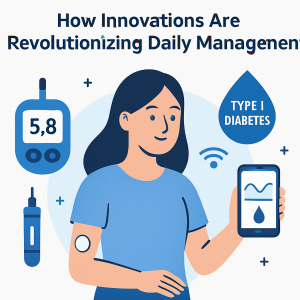
In today’s digital age, the management of type 1 diabetes has been significantly transformed by technology. From continuous glucose monitors (CGMs) to insulin pumps, these innovations have provided individuals with more precise data and convenient tools to manage their condition effectively. However, with the increased reliance on digital devices for health monitoring, there is a growing need to balance the benefits of these technologies with the potential drawbacks of excessive screen time. Navigating this digital landscape can be challenging, particularly when the constant alerts and data streams can lead to digital fatigue, impacting both mental well-being and diabetes management. For many, the question becomes: how can one effectively manage type 1 diabetes while ensuring a healthy relationship with technology?
Type 1 diabetes is a lifelong condition that requires ongoing attention and care. The use of digital tools has undeniably made it easier for individuals to monitor their blood glucose levels, track insulin usage, and receive real-time alerts regarding their health status. Yet, the omnipresence of screens, whether for health management or everyday entertainment, can contribute to stress, anxiety, and even burnout. This is where the concept of a digital detox comes into play—finding a balance between necessary screen time for health management and taking breaks to reduce the strain on mental health.
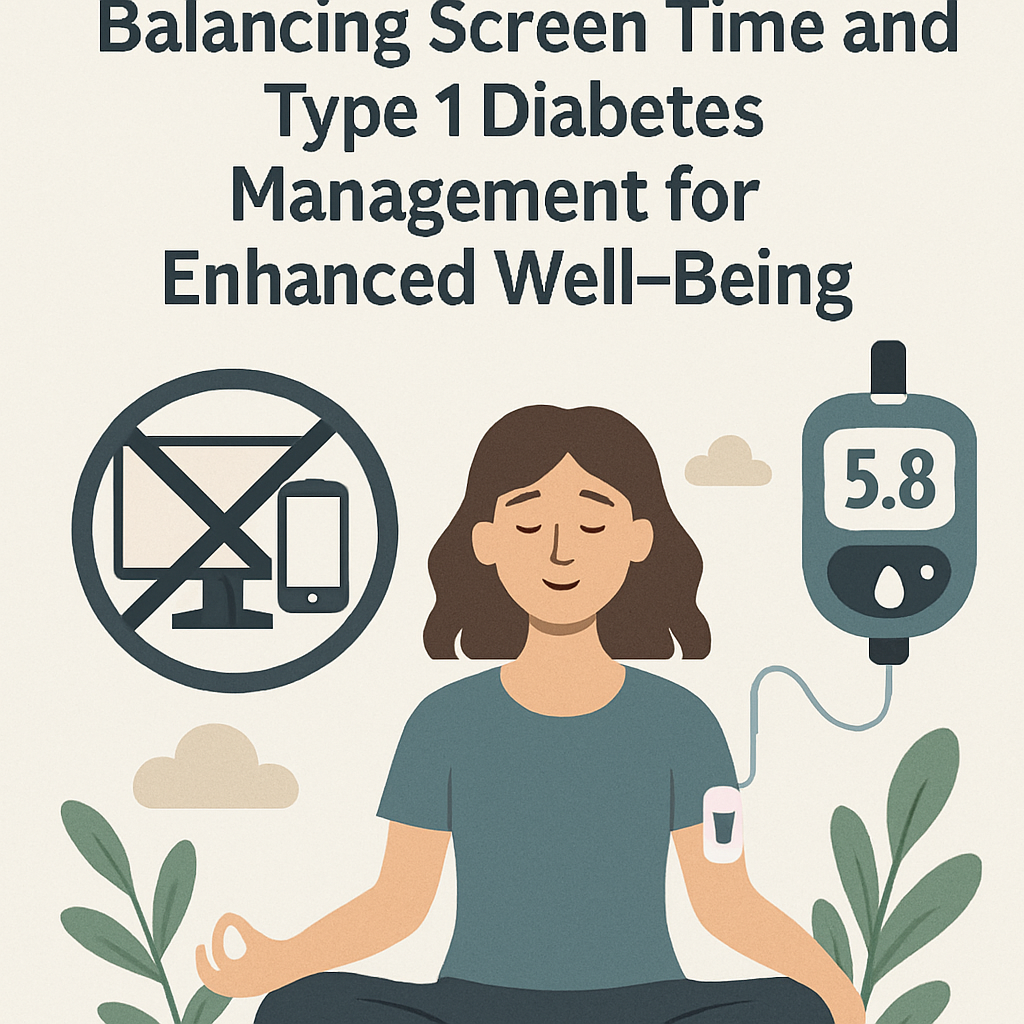
Engaging in a digital detox does not mean abandoning helpful technologies that assist in diabetes management. Instead, it involves setting boundaries and being mindful of screen usage to ensure that it supports overall well-being. This could include scheduling regular breaks from screens, prioritizing activities that don’t require digital devices, and creating a routine that includes time for relaxation and self-care. It’s important to note that while digital detox strategies can be beneficial, they should be personalized to fit individual lifestyles and health needs. Consulting with a healthcare provider can help tailor an approach that maintains effective diabetes management while also promoting mental and emotional health.
Ultimately, the goal is to strike a balance that allows individuals with type 1 diabetes to harness the benefits of digital technology without becoming overwhelmed by it. By thoughtfully integrating these tools into daily life with awareness and intention, individuals can not only manage their diabetes effectively but also enhance their overall well-being. As technology continues to evolve, so too should our strategies for maintaining a healthy digital life, ensuring that our use of technology enhances rather than detracts from our quality of life.
2. Medical Overview
Type 1 diabetes is a chronic condition characterized by the body’s inability to produce insulin, a hormone that plays a critical role in regulating blood glucose levels. This autoimmune disease typically manifests in childhood or adolescence, although it can occur at any age. Managing type 1 diabetes requires a comprehensive approach that includes regular monitoring of blood sugar levels, insulin administration, and lifestyle adjustments. Individuals with type 1 diabetes must balance their insulin intake with food, activity, and stress levels to maintain optimal blood sugar control. Given the necessity of constant monitoring and adjustment, technology such as continuous glucose monitors (CGMs) and insulin pumps often plays a significant role in diabetes management, offering real-time data and automated insulin delivery to help individuals achieve better glycemic control.
The integration of technology into diabetes management has been transformative, providing tools that enhance the ability to monitor and respond to blood sugar fluctuations. However, as with any technology, there is a potential for over-reliance. For some individuals, the constant connectivity and data influx can contribute to screen fatigue, potentially leading to stress or burnout. It’s crucial for individuals with type 1 diabetes to find a balance between using these technological aids and taking breaks for their mental well-being. This balance is especially pertinent in today’s digital age, where screen time can easily become excessive. A digital detox can be beneficial, but it requires careful planning to ensure that diabetes management remains unaffected. While taking a break from some digital activities, it’s important to prioritize tools essential to health monitoring and seek ways to integrate them into a routine that supports both physical and mental health.
For those considering a digital detox, it is advisable to discuss any changes with a healthcare provider to ensure that any adjustments will not compromise diabetes management. A healthcare professional can offer guidance on how to temporarily reduce screen time without losing the benefits of digital tools crucial for diabetes care. Encouragingly, research indicates that reducing unnecessary screen time may help reduce stress and improve overall well-being, which can be particularly beneficial for those managing a chronic condition. However, individual needs and responses will vary, and any changes should be personalized under professional guidance.
3. Practical Guidance
Balancing screen time while managing type 1 diabetes can be challenging, yet it is essential for maintaining overall well-being. A practical approach involves setting clear boundaries around digital device use. Start by identifying which times of day are crucial for diabetes management, such as during meals or before bed. Limiting screen time during these periods can help you focus on diabetes-related tasks, like monitoring blood sugar levels or preparing healthy meals, without digital distractions.
Incorporating regular breaks from screens can also be beneficial. Establish a routine that allows you to step away from digital devices to engage in physical activity or other offline hobbies. Physical activity can play a critical role in managing blood sugar levels, and taking breaks can reduce eye strain and mental fatigue often associated with prolonged screen use. Consider using timers or apps designed to remind you to take these breaks, ensuring they are part of your daily routine.
Mindful use of technology can further enhance your management strategies. If you use digital tools to track your diabetes, aim for a balance between using these aids and not becoming overly reliant on them. While apps and devices can provide valuable insights, it’s important to remain attentive to your body’s signals and collaborate with your healthcare provider for personalized guidance. This balance can help ensure that technology supports, rather than overwhelms, your diabetes management efforts.
Moreover, practicing digital detox can create opportunities for social interactions and stress reduction, both of which are important for emotional health. Engaging in face-to-face conversations, participating in community activities, or simply spending time in nature without a screen can foster a sense of connection and relaxation. These activities can provide a positive counterbalance to the often demanding routine of diabetes self-care.
Lastly, it’s important to stay informed about the latest recommendations from healthcare professionals regarding screen time and diabetes management. If uncertain about how to integrate digital detox into your routine without compromising diabetes care, consult your healthcare provider. They can offer personalized advice that considers your unique health needs, ensuring that your approach to screen time aligns with your overall diabetes management plan.
4. Practical Tips
In today’s digital age, balancing screen time with the demands of managing type 1 diabetes can be challenging, but a thoughtful approach to a digital detox can enhance overall well-being. While technology provides essential tools for monitoring blood glucose levels and managing insulin, excessive screen time can sometimes lead to stress or a sedentary lifestyle, both of which can impact diabetes management. Here are some practical tips to help you navigate this balance effectively.
First, consider setting specific boundaries for your screen time. This might include designated “tech-free” periods during which you focus on activities that promote relaxation and physical well-being, such as reading a book, going for a walk, or engaging in a hobby. For instance, you might decide to put away all devices for an hour before bedtime to promote better sleep hygiene, which is crucial for maintaining stable blood sugar levels. Establishing these boundaries can help create a healthier routine that supports both mental and physical health.
Incorporating regular breaks from technology is another practical way to manage screen time. The “20-20-20” rule can be a helpful tool: every 20 minutes, take a 20-second break to look at something 20 feet away. This practice not only helps reduce eye strain but also encourages brief physical activity, which can be beneficial for blood glucose control. During these breaks, consider performing a quick stretch or a few minutes of light exercise, which can help improve circulation and reduce stress levels.
Lastly, make use of technology that supports mindful screen time. Many devices and apps offer features that track and limit screen usage, providing insights into your habits and suggesting healthier alternatives. For example, setting app timers or using focus modes can help you minimize distractions and prioritize activities that support your diabetes management goals. Additionally, you can leverage apps specifically designed to enhance diabetes management, ensuring you still have access to the digital tools you need without unnecessary screen time.
Remember, any changes to your routine should be discussed with your healthcare provider to ensure they complement your diabetes management plan. By taking these practical steps, you can create a balanced approach to screen time that supports both your digital detox efforts and your type 1 diabetes management.
5. Expert Opinions
When it comes to balancing screen time and managing type 1 diabetes, experts highlight the importance of a personalized approach. Clinicians generally recommend that individuals with type 1 diabetes consider their unique daily routines, lifestyle preferences, and specific medical needs when planning digital detox strategies. This is because everyone’s experience with diabetes can vary significantly, and what works for one person may not be suitable for another. Experts emphasize the need to engage in open and ongoing communication with healthcare providers to ensure that any adjustments in screen time do not compromise diabetes management.
Healthcare professionals often point out that digital tools have become integral to diabetes management, offering benefits like real-time glucose monitoring and access to educational resources. However, they also recognize that excessive screen time may lead to stress, sleep disturbances, and reduced physical activity, which could indirectly affect blood sugar levels. Therefore, experts suggest that finding a balance is key. They recommend setting specific goals for reducing screen time while maintaining the use of essential digital tools for diabetes management. This might include scheduling regular breaks from screens, engaging in outdoor activities, or establishing tech-free zones at home.
Another crucial aspect highlighted by healthcare experts is the importance of monitoring the impact of reduced screen time on diabetes management. It’s advised to track any changes in blood sugar patterns and overall well-being during the digital detox process. If any negative effects are observed, it’s important to reassess and possibly adjust the approach with the guidance of a healthcare provider. Clinicians stress that any decision to modify screen time should not interfere with the necessary use of diabetes management technology unless an alternative plan is in place.
Overall, experts encourage individuals with type 1 diabetes to approach digital detox with flexibility and an open mind. They emphasize that the primary goal should always be to support and improve overall well-being without compromising diabetes management. As always, consulting with a healthcare provider before making significant changes to daily routines or diabetes care plans is crucial. By doing so, individuals can ensure they are making safe and informed decisions tailored to their needs.
6. Misconceptions
When discussing type 1 diabetes and digital detox, several misconceptions often arise that can hinder effective management and overall well-being. One common misconception is the belief that all screen time is inherently detrimental to health, especially for someone managing a chronic condition like type 1 diabetes. While excessive screen time can indeed impact physical and mental health, leading to issues such as eye strain or disrupted sleep, it is essential to recognize that technology also plays a vital role in diabetes management. Devices like continuous glucose monitors (CGMs) and insulin pumps rely on digital interfaces to provide critical real-time data and alerts, helping individuals make informed decisions about their health.
Another misconception is that digital detox requires a complete and immediate halt to all technology use. This is not practical or necessary, especially for those managing type 1 diabetes, where technology can be instrumental in tracking blood sugar levels and medication schedules. Instead, a balanced approach that prioritizes necessary screen use while reducing non-essential time spent on screens can be more beneficial. This balance allows individuals to maintain the advantages of technology in their diabetes management while also carving out time to engage in offline activities that promote relaxation and well-being.
There’s also a misunderstanding that reducing screen time will automatically lead to better health outcomes for everyone with type 1 diabetes. While taking breaks from screens can improve aspects of mental health and reduce stress, it is not a substitute for comprehensive diabetes management. Effective management involves a combination of monitoring, medication, diet, exercise, and regular consultations with healthcare providers. It’s important for individuals to discuss any changes to their diabetes management plan with their healthcare team to ensure that they are supporting their overall health effectively.
Finally, some may mistakenly believe that digital detox means ignoring important digital alerts or notifications related to diabetes management. It’s crucial to prioritize these alerts, as they can indicate significant changes in blood glucose levels that require immediate attention. Ignoring such notifications could lead to serious health risks, such as hypoglycemia if blood sugar levels drop too low. Therefore, while a digital detox can be beneficial, it should be approached thoughtfully, ensuring that crucial health-related alerts remain a top priority.
In summary, while misconceptions about digital detox and diabetes management abound, understanding the role of technology in managing type 1 diabetes is key. By acknowledging the importance of digital tools and balancing their use with mindful screen time management, individuals can enhance both their physical and mental well-being. As always, any changes to diabetes management routines should be discussed with a healthcare professional to tailor strategies to individual needs and circumstances.
7. Summary
In today’s digitally connected world, managing screen time has become a significant aspect of our daily lives, especially for individuals with type 1 diabetes who rely on digital tools for effective self-management. The balance between staying connected and taking a digital detox can play a crucial role in enhancing overall well-being. While digital tools, such as continuous glucose monitors and mobile health apps, provide real-time data and support, excessive screen time can lead to digital fatigue and stress, impacting mental health and diabetes management. Finding a balance is key, helping individuals harness the benefits of technology while also taking necessary breaks to recharge.
A thoughtful digital detox strategy can involve setting boundaries for screen use, prioritizing meaningful connections, and engaging in offline activities that promote relaxation and mental clarity. For some, this might mean scheduling regular tech-free times, such as during meals or before bedtime, to help reduce stress and improve sleep quality. It’s important to recognize that each person’s needs and responses are unique, so what works for one individual may not be suitable for another. Open communication with healthcare providers can help tailor a digital detox plan that aligns with personal health goals and diabetes management needs.
Moreover, while it’s essential to monitor blood sugar levels and other health data, taking time away from screens can foster mindfulness and self-awareness, contributing positively to emotional well-being. Engaging in activities like physical exercise, meditation, or spending time outdoors can serve as valuable alternatives to screen time, offering both physical and mental health benefits. Maintaining this balance between digital use and detox may help reduce the risk of burnout, enabling individuals with type 1 diabetes to feel more in control and motivated in their self-care routines.
As the journey of managing type 1 diabetes is highly individualized, it’s advisable for readers to consult their healthcare professionals to discuss any major changes to their routine, including screen time adjustments. By fostering a healthy relationship with technology and practicing mindful digital detox, individuals may find improvements in their overall quality of life, creating a harmonious blend of digital engagement and personal well-being.