1. Introduction
Type 1 diabetes is a chronic condition characterized by the body’s inability to produce insulin, a hormone crucial for regulating blood sugar levels. For those living with this condition, maintaining balanced blood glucose is a constant challenge, requiring diligent monitoring and management. Traditionally, this has involved regular finger-prick blood tests and multiple daily insulin injections or the use of an insulin pump. However, the rapidly evolving world of technology is paving the way for new tools that can make managing type 1 diabetes more integrated and efficient.
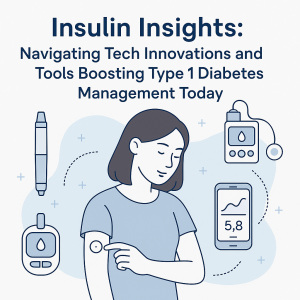
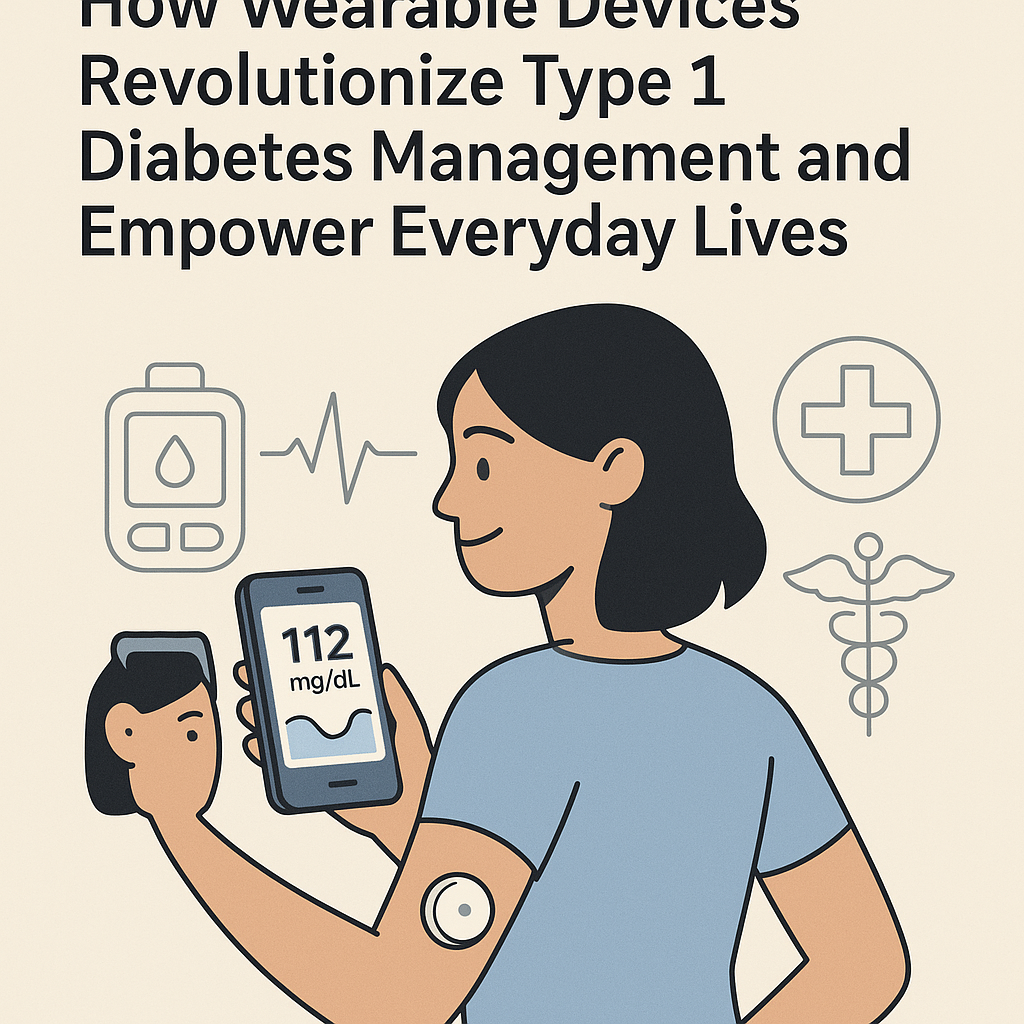
Wearable devices are at the forefront of this transformation, offering innovative solutions that can help individuals with type 1 diabetes manage their condition more effectively. These devices, which range from continuous glucose monitors (CGMs) to smart insulin pens and even hybrid closed-loop systems, are designed to give users real-time feedback on their blood sugar levels. By offering insights into how various factors, such as diet, exercise, and stress, impact glucose levels, these technologies empower users to make informed decisions about their health in real time.
While traditional methods of diabetes management remain important, wearable technology introduces a layer of convenience and precision that can improve quality of life for many. For instance, CGMs provide continuous data about glucose trends, reducing the need for frequent finger-pricks and helping to catch potential highs and lows before they become problematic. Moreover, many of these devices can sync with smartphones or other digital platforms, allowing for easy tracking and sharing of data with healthcare professionals.
Despite the promising advantages of wearable devices, it is essential to recognize that their effectiveness can vary based on individual needs and circumstances. Not every device or technology will be suitable for every person with type 1 diabetes. Therefore, it is crucial for individuals to consult with their healthcare providers to determine the best management strategy tailored to their unique conditions. This collaborative approach can help ensure that the chosen technology complements traditional management techniques, enhancing overall diabetes care without replacing essential medical guidance.
In conclusion, the integration of wearable technology into diabetes management represents a significant step forward in how individuals can manage type 1 diabetes. While these tools offer promising benefits, they should be seen as part of a comprehensive approach that includes regular medical consultations and individualized management plans. As technology continues to advance, it holds the potential to further empower individuals with type 1 diabetes, helping them lead healthier and more active lives.
2. Medical Overview
Type 1 diabetes is a chronic condition characterized by the body’s inability to produce insulin, a hormone vital for regulating blood glucose levels. In individuals with type 1 diabetes, the immune system mistakenly attacks and destroys the insulin-producing beta cells in the pancreas. As a result, insulin must be administered externally to manage blood sugar levels effectively. This lifelong need for precise insulin management makes monitoring and technology crucial components of daily life for those affected by this condition.
Over the years, advancements in medical technology have significantly transformed the landscape of diabetes management, offering new tools to monitor glucose levels more accurately and administer insulin more effectively. Wearable devices, such as continuous glucose monitors (CGMs) and insulin pumps, have emerged as pivotal tools in this regard. CGMs provide real-time data on glucose levels, allowing users to observe trends and make informed decisions about their insulin needs. Insulin pumps, often used in conjunction with CGMs, can deliver insulin in a more controlled manner, closely mimicking the body’s natural insulin release.
These technologies work by providing a steady stream of information that can help individuals with type 1 diabetes maintain more stable blood glucose levels. For example, CGMs can alert users to rising or falling glucose levels before they reach critical highs or lows, enabling timely intervention. However, it’s important to remember that while technology can assist in managing diabetes, it does not replace the need for regular consultations with healthcare professionals. Each individual’s response to these devices may vary, and personalized medical advice is essential for optimizing their use.
The integration of these devices into daily routines can lead to improved quality of life by reducing the burden of constant manual checks and calculations. Many users find that wearable technology not only helps in managing their condition more effectively but also provides a sense of empowerment and freedom in their daily activities. Nonetheless, it’s crucial for users to be aware of the limitations and ensure they have a comprehensive understanding of how to operate these devices safely. In situations of acute health changes or device malfunctions, consulting with healthcare professionals is paramount to ensure safety and effective management.
In summary, while wearable devices are revolutionizing type 1 diabetes management, they should be seen as part of a broader strategy that includes regular medical consultations and personalized care plans. As technology continues to advance, staying informed and working closely with healthcare providers will remain key to harnessing these innovations to their fullest potential. Always consider discussing any new technology or management strategies with a healthcare provider to tailor approaches to individual needs and circumstances.
3. Practical Guidance
Incorporating wearable technology into the management of type 1 diabetes can greatly enhance your daily routine by offering real-time data and insights. Continuous glucose monitors (CGMs) and insulin pumps are two of the most commonly used devices that provide a more nuanced understanding of your blood sugar levels and insulin needs. A CGM tracks glucose levels throughout the day and night, giving alerts when levels go too high or too low. This can offer peace of mind and reduce the frequency of finger-prick tests, though those may still be necessary for calibration purposes or to confirm readings. It’s important to remember that each individual’s experience with CGMs can vary, and personalizing settings to your lifestyle is a key step in optimizing your device’s usefulness. Discussing these settings with your healthcare provider can ensure that they align well with your health goals.
Insulin pumps, on the other hand, can offer greater flexibility for insulin administration. They deliver a continuous supply of insulin and can be adjusted based on your current activities, carbohydrate intake, or even during illness or stress. Some insulin pumps can be paired with CGMs to form a closed-loop system, often referred to as an “artificial pancreas,” which can automatically adjust insulin delivery based on real-time glucose levels. However, these systems require careful setup and calibration, and adjustments should be made under the guidance of your healthcare provider to ensure safety and efficacy.
When integrating wearable devices into your daily life, consider creating a routine that incorporates regular checks and maintenance. This might include setting reminders for sensor changes, checking battery levels, or reviewing data trends to understand how different foods, activities, or stress levels affect your glucose levels. Many devices offer companion apps that can help track your data and even share it with your healthcare team. This can be invaluable during consultations, allowing you and your provider to make more informed decisions about your treatment plan.
It’s also essential to have a plan for unexpected situations, such as device malfunctions or sudden changes in glucose levels that the technology might not immediately account for. Always have a backup method for monitoring glucose levels and administering insulin, such as test strips and insulin pens or syringes. In cases of severe hypoglycemia or hyperglycemia, following your emergency plan and seeking medical attention as needed should be your priority. While technology offers substantial support, it is not a replacement for professional medical advice. Regular consultations with your healthcare provider remain crucial to managing type 1 diabetes effectively and safely.
4. Practical Tips
In the realm of type 1 diabetes management, wearable technology offers practical tools that can empower individuals to take control of their health. One notable example is the continuous glucose monitor (CGM). These devices provide real-time glucose readings, allowing users to track glucose trends throughout the day and night. This constant monitoring can help individuals make more informed decisions about their diet and exercise. While a CGM can offer valuable insights, it’s important to remember that it does not replace regular blood glucose testing as advised by a healthcare provider. Discussing how to best integrate a CGM into your diabetes management plan with your doctor can be beneficial.
Another useful technology is the insulin pump. These devices deliver insulin continuously throughout the day, mimicking the way a healthy pancreas functions. By using an insulin pump, many individuals report more stable blood sugar levels and greater flexibility in their daily routines. However, the settings and usage of an insulin pump are highly individualized, and it’s crucial to work closely with your healthcare team to tailor the device to your unique needs. Whether it’s setting basal rates or learning how to manage bolus doses for meals, professional guidance ensures safe and effective use.
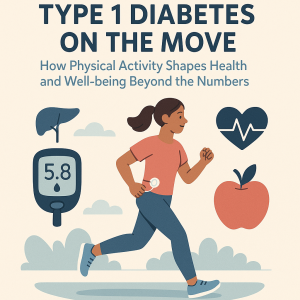
Wearable fitness trackers can also play a supportive role in managing type 1 diabetes. These devices often include features like heart rate monitoring, step counting, and even reminders to stay active, which can be helpful in maintaining overall health. Regular physical activity is a key component of diabetes management, and having a device that encourages movement can be motivating. However, it’s important to be mindful of how exercise affects blood sugar levels. Be sure to monitor your blood glucose before, during, and after physical activity, and consult a healthcare professional to create an exercise plan that fits your health goals.
While these examples illustrate the potential of wearable technology in managing type 1 diabetes, it’s essential to approach these tools as supplements to, rather than replacements for, traditional diabetes care methods. Partnering with your healthcare team to determine the best use of these devices can help optimize your diabetes management strategy. As always, personal experiences with these technologies can vary, and it’s important to find what works best for you while staying in close contact with your healthcare provider for regular check-ins and adjustments.
5. Expert Opinions
In the evolving landscape of type 1 diabetes management, wearable technology has become a focal point of interest among healthcare professionals. Clinicians generally recommend these devices as tools that can enhance the ability to monitor and manage blood glucose levels more effectively. Continuous glucose monitors (CGMs) and insulin pumps represent significant advancements, offering real-time data and automated insulin delivery that can reduce the burden of constant manual monitoring. Experts note that these devices can provide more comprehensive insights into glucose trends, potentially leading to improved glycemic control over time.
Healthcare professionals emphasize that the integration of wearable technology into daily life can empower individuals with type 1 diabetes by offering a greater sense of autonomy. Instead of relying solely on periodic finger-prick tests, these devices provide continuous feedback, which can help users make informed decisions about their diet, exercise, and insulin dosing. However, experts advise that while these technologies offer promising benefits, they are most effective when used in conjunction with professional medical guidance. Each individual’s diabetes management plan is unique, and consulting with a healthcare provider is crucial to tailor the use of technology to personal needs.
From a clinical perspective, wearable devices have also opened new avenues for patient education and engagement. By having access to detailed data, individuals can better understand how different factors such as food intake, physical activity, and stress impact their blood sugar levels. Clinicians suggest that this increased awareness can lead to more proactive management of the condition, potentially reducing the incidence of hyperglycemia and hypoglycemia. Nevertheless, they caution that while technology can aid in managing type 1 diabetes, it is not a substitute for medical advice or regular check-ups.
In addition to individual benefits, experts highlight how wearable devices can facilitate more informed discussions between patients and healthcare teams. The data collected can provide a clearer picture of an individual’s glucose patterns, which can be invaluable during medical consultations. This collaborative approach may help in refining treatment plans and setting realistic health goals. Yet, experts remind patients that technology should be viewed as a supportive tool, and not as an infallible solution, underscoring the importance of maintaining open communication with their healthcare provider to address any concerns or adjustments needed in their management strategy.
6. Misconceptions
Misconceptions surrounding type 1 diabetes and the use of wearable technology can be significant barriers to understanding and managing the condition effectively. One common misunderstanding is that wearable devices, like continuous glucose monitors (CGMs) and insulin pumps, automatically manage diabetes without any user input. While these devices indeed offer remarkable advancements in monitoring and managing blood glucose levels, they are tools that require active engagement from the user. Individuals still need to make informed decisions regarding their diet, exercise, and insulin dosages. Wearable technology serves as a supportive partner, not a replacement for personal management or professional medical guidance.
Another widespread misconception is that people with type 1 diabetes can rely solely on technology without consulting healthcare professionals. Although wearable devices provide valuable real-time data and insights, they do not replace the expertise and personalized care offered by healthcare providers. Regular consultations with a diabetes care team remain crucial for managing the condition effectively. These professionals can interpret data from wearables within the broader context of an individual’s health and lifestyle, offering tailored advice that technology alone cannot provide.
There is also a mistaken belief that wearable technology is only beneficial for younger individuals or those newly diagnosed with type 1 diabetes. In reality, people of all ages and stages of their diabetes journey can benefit from these innovations. For longtime diabetes patients, wearables can offer a fresh perspective on patterns and trends in their blood glucose levels, potentially uncovering insights that could lead to improved management strategies. Embracing technology is not limited by age or experience; it is about enhancing one’s quality of life and gaining greater control over the condition.
Finally, some assume that wearables are a quick fix for all diabetes-related challenges. While they can significantly aid in managing blood glucose levels, they do not eliminate the need for a comprehensive approach to health. Balanced nutrition, regular exercise, and stress management are still key components of diabetes care. Wearables can complement these efforts by providing a clearer picture of how different factors affect blood sugar levels, but they should be seen as part of a holistic management plan rather than a standalone solution.
As technology continues to evolve, so too will the tools available to those managing type 1 diabetes. It’s essential to approach these advancements with an open mind while also maintaining realistic expectations about their role in diabetes care. For personalized guidance on integrating wearable technology into a diabetes management plan, individuals should consult their healthcare provider to ensure that their approach is both safe and effective.
7. Summary
In recent years, the landscape of type 1 diabetes management has experienced a significant transformation, largely due to the advent and integration of wearable technology. These innovative devices, from continuous glucose monitors (CGMs) to insulin pumps, offer individuals with type 1 diabetes more control over their condition, enhancing their ability to monitor and respond to blood sugar fluctuations in real-time. Such technology not only increases the convenience of managing diabetes but also supports more informed decision-making regarding diet, physical activity, and insulin administration.
One of the most remarkable advantages of wearables is their ability to provide continuous data. Unlike traditional finger-prick tests that offer only a snapshot of blood glucose levels, CGMs deliver comprehensive data, enabling users to identify patterns, trends, and factors influencing their glucose levels. This real-time feedback can assist in making timely adjustments to avoid extreme highs or lows, potentially improving overall blood glucose management. It is important to note, however, that while these devices provide valuable insights, they should be used in conjunction with regular consultations with healthcare providers to tailor individual treatment plans appropriately.
Moreover, the integration of smartphone apps with wearable devices has made it easier to share data with healthcare teams, facilitating better-informed discussions during medical appointments. This connectivity can empower individuals to become more actively engaged in their health management, fostering a sense of autonomy and confidence. However, it is crucial for users to remain vigilant about technology limitations and always have a backup plan, especially in situations that may lead to technology malfunction.
Despite the many benefits, the adoption of wearable technology in diabetes management is not without its challenges. Some individuals may face barriers such as cost, device wearability, or the learning curve associated with new technology. Additionally, there is a need for ongoing research to continually refine these devices and ensure their accuracy and reliability. As with any medical tool, it is essential for users to work closely with their healthcare provider to determine which technologies best suit their individual needs and lifestyle.
Ultimately, while wearable devices are not a cure for type 1 diabetes, they represent a significant step forward in empowering individuals to better manage their condition and lead fuller lives. By embracing these technologies, those living with type 1 diabetes can potentially experience improved glycemic control, reduced stress, and a greater sense of freedom in their daily activities. As always, individuals should consult with their healthcare professionals to navigate the best options for their unique circumstances.