1. Introduction
Type 1 diabetes is a chronic condition that requires a delicate balance between science and daily life management, a dance that involves constant monitoring, decision-making, and adaptation. Unlike its more common counterpart, type 2 diabetes, type 1 diabetes is an autoimmune condition where the body’s immune system mistakenly attacks and destroys the insulin-producing beta cells in the pancreas. This results in a lifelong dependency on insulin therapy, as individuals with type 1 diabetes cannot produce insulin naturally. Managing this condition effectively is crucial to maintaining overall health and preventing complications, and this requires both medical knowledge and personal creativity.
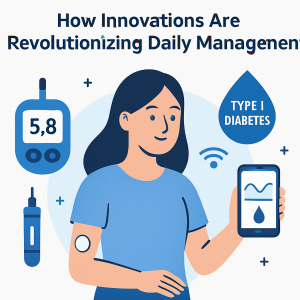
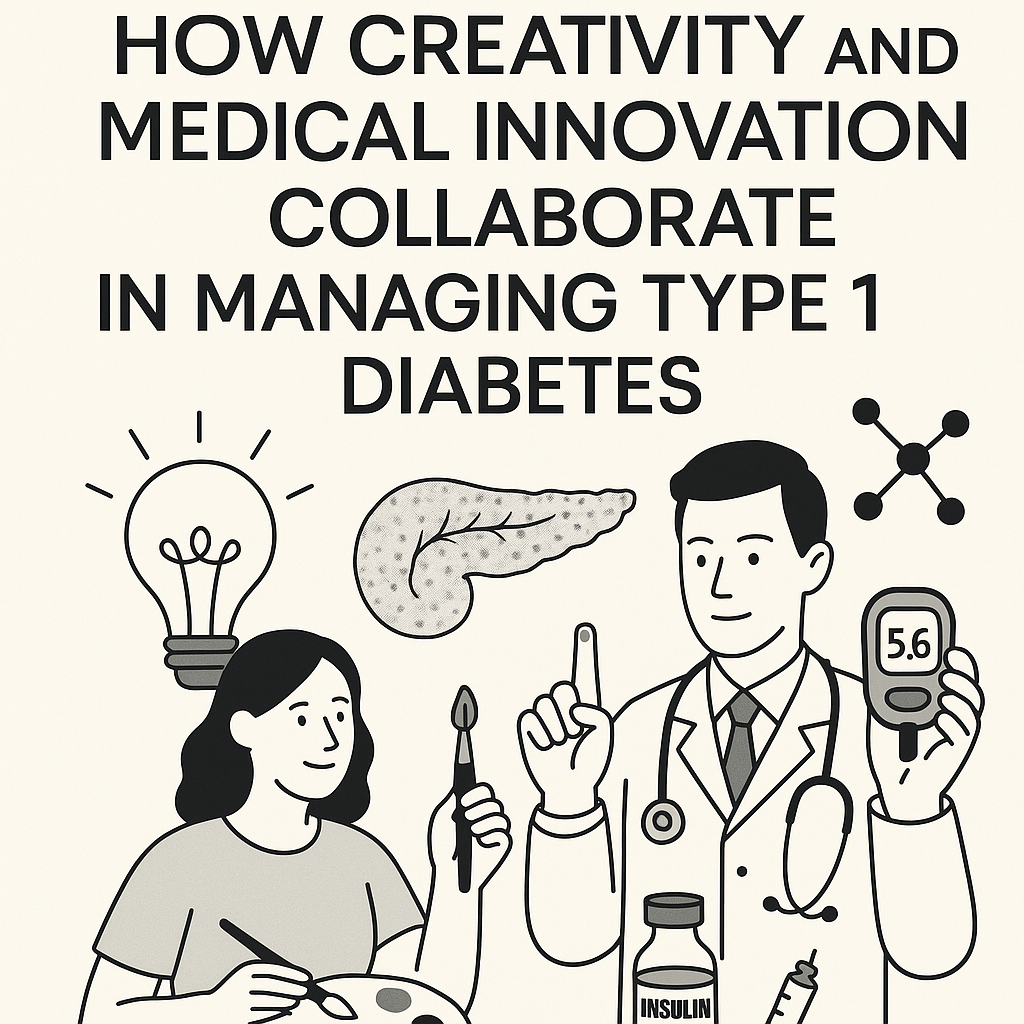
In recent years, the fusion of art and science has played an increasingly significant role in managing type 1 diabetes. The scientific approach involves understanding the latest technological advancements and medical innovations, such as continuous glucose monitors (CGMs) and insulin pumps, which aid in maintaining optimal blood glucose levels. These devices provide valuable data that can inform treatment decisions, but they also require individuals to think creatively about how to integrate them into their daily routines seamlessly. This blend of creativity and science ensures that managing type 1 diabetes is not just about following a set of rigid rules, but rather about crafting a lifestyle that supports health and well-being.
Artistic expression, whether through visual arts, music, or writing, can also serve as a powerful tool in managing the emotional and psychological aspects of living with type 1 diabetes. Creative outlets provide a way to navigate stress, express emotions, and connect with others who share similar experiences. This emotional support is pivotal, as stress and emotional well-being can significantly impact blood sugar levels. By engaging in creative activities, individuals can cultivate a sense of balance and resilience that complements their scientific understanding of the condition.
In this article, we will explore how creativity and medical innovation come together in the management of type 1 diabetes. Through the stories of individuals who have successfully integrated both aspects into their daily lives, we aim to highlight the powerful synergy between art and science. While personal experiences may vary, it’s important for each person to consult their healthcare provider to tailor their diabetes management plan to their unique needs. By embracing both the creative and scientific elements of managing type 1 diabetes, individuals can craft a holistic approach to health that is both effective and empowering.
2. Medical Overview
Type 1 diabetes, a chronic condition where the pancreas produces little to no insulin, is a complex interplay between medical science and daily life management. Insulin is a hormone crucial for allowing glucose, or sugar, to enter cells and produce energy. Without it, glucose accumulates in the bloodstream, leading to high blood sugar levels that can cause a variety of health issues if not managed properly. The management of type 1 diabetes requires a comprehensive approach that includes regular blood sugar monitoring, insulin therapy, and lifestyle adjustments. While the primary treatment involves administering insulin via injections or an insulin pump, the frequency and dosage need to be carefully tailored to each individual’s needs. For personalized management advice, it is crucial to consult healthcare professionals who specialize in diabetes care.
Scientific advancements have significantly improved the tools available for managing type 1 diabetes. Continuous glucose monitors (CGMs) and insulin pumps have revolutionized how individuals can track and manage their blood sugar levels in real-time. These devices offer more data and flexibility, enabling users to make informed decisions about their insulin doses throughout the day. The development of hybrid closed-loop systems, sometimes referred to as “artificial pancreas” systems, is an exciting area of innovation. These systems automate insulin delivery based on glucose readings, potentially easing the management burden. However, it is important to note that these technologies require user interaction and are not a one-size-fits-all solution. Regular consultations with a healthcare provider are necessary to ensure the appropriate use of such technologies.
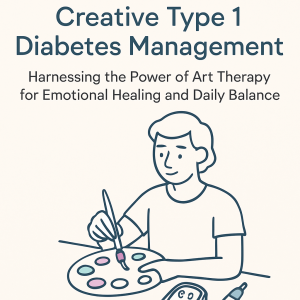
In addition to technological innovations, there is a growing recognition of the role that creativity and individual expression can play in managing type 1 diabetes. Art therapy and creative activities can offer emotional support and stress relief, which are vital components of comprehensive diabetes management. Stress can impact blood sugar levels, so finding healthy outlets for expression can contribute to better overall control of the condition. Engaging in hobbies, whether it’s painting, music, or writing, can provide a therapeutic balance to the rigorous demands of diabetes management. However, it is essential to ensure that any activity undertaken does not interfere with the necessary medical management of the condition. Always prioritize addressing any immediate health needs, such as treating low blood sugar, before continuing with activities.
Overall, managing type 1 diabetes effectively requires a harmonious blend of medical innovation and personal lifestyle adaptations. While the science behind diabetes management continues to evolve, incorporating creative approaches can enhance the quality of life for those living with this condition. Always work closely with healthcare professionals to tailor strategies that fit your individual needs and lifestyle. This collaboration between the art of living and the science of medicine is pivotal in crafting a sustainable and effective management plan for type 1 diabetes.
3. Practical Guidance
Managing type 1 diabetes effectively involves a blend of scientific knowledge and creative problem-solving. Practical guidance can help streamline daily routines and enhance quality of life. A fundamental aspect is maintaining a consistent monitoring routine for blood glucose levels. While technology like continuous glucose monitors (CGMs) offers real-time data and trend analysis, it’s important to cross-check with traditional fingerstick tests when needed. This ensures accuracy and provides a clearer picture of your body’s responses to various factors. Remember, technology is a tool to assist you, and consulting with your healthcare team about your monitoring strategy is essential to tailor it to your individual needs.
Meal planning is another area where creativity meets science. Balancing carbohydrate intake with insulin dosing is crucial, and this can be an opportunity to explore new recipes and nutritional combinations. Learning to accurately count carbohydrates and understand how different foods impact your blood sugar levels allows for greater flexibility and enjoyment of meals. Pre-planning meals and snacks can help reduce stress and ensure you’re prepared for any situation. Involving a dietitian can be beneficial to personalize your meal plans while providing valuable insights into nutritional content and portion control.
Physical activity is beneficial for overall health and can play a significant role in managing type 1 diabetes. However, it requires careful planning to avoid blood sugar highs and lows. The key is to monitor how your body responds to different types of exercise and adjust your insulin and carbohydrate intake accordingly. This might involve experimenting with timing and intensity to find what works best for you. Always have a source of fast-acting carbohydrates on hand to address potential hypoglycemia and make sure to consult your healthcare provider about safe exercise practices that align with your diabetes management plan.
Stress management is another critical component, as stress can affect blood sugar levels. Incorporating stress-reducing activities such as mindfulness, yoga, or creative hobbies like painting or writing can offer dual benefits of emotional well-being and better glucose control. Finding what truly relaxes you and incorporating it into your daily routine can make a significant difference. Again, working with a healthcare provider to identify stress management techniques that complement your lifestyle and medical needs is advisable.
Finally, fostering a support network can be invaluable. Engaging with others who understand the challenges of living with type 1 diabetes, whether through support groups or online communities, can provide encouragement and shared experiences. These connections can inspire creative approaches to problem-solving and offer emotional support. Additionally, maintaining open communication with your healthcare team ensures that your management plan evolves as your needs change, providing a solid foundation for living well with type 1 diabetes.
4. Practical Tips
Managing type 1 diabetes effectively requires a delicate balance of art and science. While medical innovations provide the tools necessary for monitoring and control, creativity plays a crucial role in integrating these tools into daily life. Here are some practical tips that illustrate this blend of creativity and scientific precision.
Firstly, consider the use of customized blood sugar tracking systems. While many apps and devices can monitor blood glucose levels, personalizing these systems can enhance their effectiveness. For example, some people find it helpful to integrate reminders into their digital calendars, color-coding them to differentiate between insulin doses, meal times, and exercise periods. This creative approach not only helps in visualizing the day but also in recognizing patterns and making informed adjustments. However, any changes in routine or technology should be discussed with a healthcare provider to ensure they align with individual health needs.
Another innovative strategy involves the culinary arts. Cooking at home offers the opportunity to experiment with recipes that are both delicious and mindful of carbohydrate content. Engaging in meal planning as a creative outlet can transform a daily task into an enjoyable activity. Some individuals find success in developing themed weeks—such as Mediterranean or plant-based cuisine—that not only support balanced nutrition but also keep meal times exciting. Again, it’s important to work with a nutritionist or diabetes educator to ensure the dietary choices support overall glucose management goals.
Incorporating art therapy into stress management is another creative way to support diabetes care. Stress can significantly impact blood sugar levels, and engaging in artistic activities such as painting, music, or journaling can provide a positive outlet for emotions. These activities not only promote relaxation but can also be a valuable part of a comprehensive diabetes management plan. If stress is a significant issue, it’s advisable to discuss coping strategies with a healthcare provider to find the most suitable solutions.
These examples highlight the synergy between creativity and medical advancements in managing type 1 diabetes. By personalizing tools and incorporating enjoyable activities into daily routines, individuals can create a more manageable and fulfilling approach to their health. Remember, it’s essential to consult with healthcare professionals when integrating new strategies to ensure they complement the overall management plan.
5. Expert Opinions
In the dynamic landscape of type 1 diabetes management, experts from both the medical and creative fields are increasingly recognizing the importance of an interdisciplinary approach. Clinicians emphasize that while traditional medical interventions such as insulin therapy and continuous glucose monitoring are foundational in managing type 1 diabetes, incorporating creative strategies can play a significant role in enhancing patient engagement and overall well-being. Many healthcare providers advocate for the integration of art and creative expression as part of a holistic treatment plan, noting that activities like painting, music, or any form of creative endeavor can serve as valuable outlets for stress relief and emotional regulation.
Medical professionals often point out that the stress associated with managing a chronic condition like type 1 diabetes can impact blood sugar levels. In light of this, they suggest that creative activities may help reduce stress, potentially leading to more stable glucose levels. However, they remind patients that these activities should complement, not replace, standard medical care. It’s crucial for individuals with diabetes to continue working closely with their healthcare providers to tailor a management plan that fits their specific needs.
On the scientific front, researchers are continually exploring innovative technologies that intersect with creative solutions to enhance diabetes management. For example, the development of user-friendly apps and devices that incorporate engaging visual and interactive components is an area of growing interest. These advances can make the tracking and management of blood sugar levels more intuitive and less burdensome. Experts in digital health emphasize that these technologies should be designed with patient input to ensure they meet real-world needs and preferences.
While creativity and technology offer promising tools for managing type 1 diabetes, healthcare professionals caution against relying solely on these methods. They underscore the importance of a balanced approach that includes consistent medical oversight. Patients are encouraged to discuss any new strategies, including creative and technological interventions, with their healthcare team to ensure safety and optimal outcomes.
Ultimately, the collaboration between art and science in the context of type 1 diabetes is about empowering patients. Experts agree that when individuals feel more engaged and supported, they are better equipped to manage the complexities of their condition. As creative and medical experts continue to collaborate, the hope is to foster a supportive environment where patients can thrive both physically and mentally. For personalized guidance, individuals should always consult their healthcare providers to explore options that align with their unique circumstances.
6. Misconceptions
Type 1 diabetes is a condition that can often be surrounded by misconceptions, many of which affect how individuals with the condition are perceived and how they manage their health. One common misconception is that type 1 diabetes is caused by lifestyle choices or can be reversed through diet and exercise. In reality, type 1 diabetes is an autoimmune condition where the body’s immune system attacks the insulin-producing cells in the pancreas. This is distinctly different from type 2 diabetes, which is more closely linked to lifestyle factors. While healthy eating and regular physical activity are important for everyone, they cannot prevent or cure type 1 diabetes.
Another frequent misunderstanding is that individuals with type 1 diabetes are unable to enjoy a normal life. While managing the condition does require attention and adjustment, many people with type 1 diabetes lead fulfilling and active lives. Advances in medical technology, such as continuous glucose monitors and insulin pumps, have made it easier to manage blood sugar levels more effectively. Additionally, creative solutions, including personalized art on medical devices, can help people feel more comfortable and confident in their daily routines. These innovations highlight the collaborative spirit between art and science in enhancing the quality of life for those with type 1 diabetes.
Misconceptions also exist regarding the capabilities of those living with type 1 diabetes. Some people might mistakenly believe that those with the condition cannot participate in sports or other physically demanding activities. However, many athletes with type 1 diabetes have excelled in their respective fields, demonstrating that with proper management and planning, they can compete at high levels. It is important for individuals with type 1 diabetes to work closely with healthcare professionals to develop personalized management plans that fit their unique needs and lifestyle.
Finally, there is a misconception that managing type 1 diabetes is solely about controlling blood sugar levels. While maintaining stable blood glucose is crucial, comprehensive care also involves monitoring for potential complications, such as eye, nerve, or kidney issues, and addressing emotional and mental health needs. The artistic aspects of life, such as engaging in creative endeavors, can play a vital role in supporting mental well-being, offering a balanced approach to managing the condition.
By challenging these misconceptions and fostering a collaborative relationship between creativity and medical innovation, individuals with type 1 diabetes can navigate their condition with greater confidence and support. If you have questions or concerns about managing type 1 diabetes, it’s always wise to consult with a healthcare provider who can offer guidance tailored to your individual situation.
7. Summary
In exploring the intersection of art and science, this article delves into how creativity and medical innovation together shape the management of Type 1 diabetes. While traditionally viewed through a scientific lens, the management of this chronic condition increasingly benefits from creative approaches. This interplay not only aids in developing new technologies and treatment methods but also enhances the lives of those living with diabetes by offering more personalized and holistic management strategies.
The science of Type 1 diabetes management has made remarkable strides with the development of advanced technologies such as continuous glucose monitors (CGMs) and insulin pumps. These innovations are products of scientific rigor, aimed at improving blood sugar control and reducing the risk of complications. However, the integration of creativity into this field is equally crucial. Creative thinking drives the development of user-friendly devices and intuitive interfaces, ensuring that technological advancements are accessible and adaptable to individual needs. For instance, apps designed to sync with diabetes devices often incorporate user-friendly graphics and data visualization techniques, making it easier for individuals to understand and manage their glucose levels.
Beyond technology, creativity extends into the realm of emotional and psychological support for individuals with Type 1 diabetes. Art therapy and creative expression can play a significant role in managing the emotional aspects of the disease. Engaging in art can provide a therapeutic outlet, helping individuals cope with the stress and demands of daily diabetes management. Through painting, writing, or music, people with diabetes can explore their feelings in a non-verbal way, fostering a sense of control and well-being.
The collaboration between the arts and sciences in diabetes management underscores the importance of a comprehensive approach. While scientific advancements provide the tools necessary for effective management, creative strategies can enhance adherence and quality of life by addressing the human experience of living with diabetes. This holistic approach recognizes that managing Type 1 diabetes is not solely about numbers and medications but also about understanding and supporting the individual’s journey.
In summary, the fusion of art and science in managing Type 1 diabetes exemplifies an evolving landscape where medical innovation and creativity converge to offer more effective and personalized care. By embracing both the empirical and the expressive, individuals and healthcare providers can work together to navigate the complexities of diabetes management. It’s essential for anyone managing Type 1 diabetes to consult with healthcare professionals to find the most suitable strategies tailored to their personal needs and circumstances. As the dialogue between art and science continues to evolve, it holds the promise of further enhancing the lives of those living with this condition.