1. Introduction
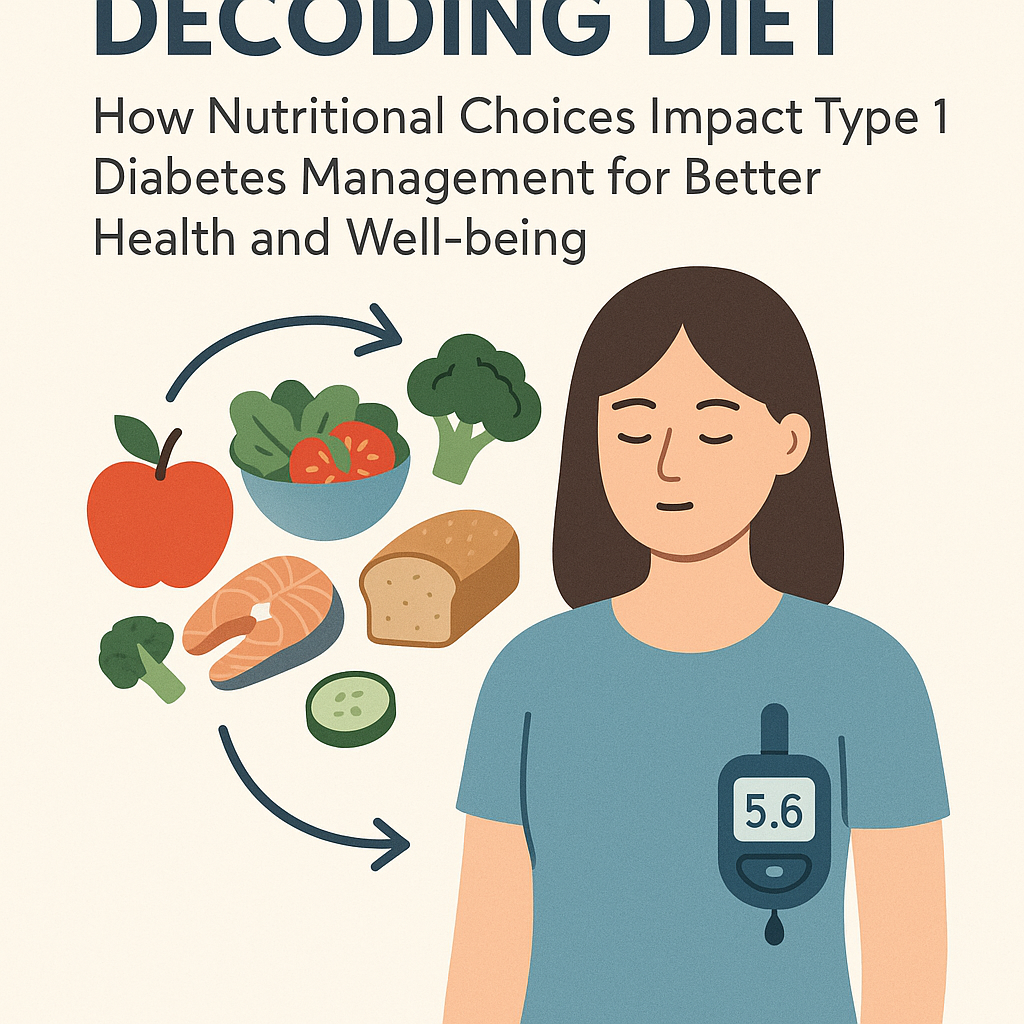
Understanding the role of diet in managing type 1 diabetes can be a key component in achieving better health and well-being. This autoimmune condition, characterized by the body’s inability to produce insulin, requires lifelong management. While insulin therapy is a cornerstone of treatment, nutritional choices also play a critical role in maintaining stable blood sugar levels and supporting overall health. For individuals with type 1 diabetes, being mindful of what they eat is not just about counting carbohydrates; it’s about making informed choices that can influence energy levels, blood sugar control, and long-term health outcomes.
The relationship between diet and diabetes management can sometimes seem complex, as various factors come into play, including meal timing, portion sizes, and food composition. Carbohydrates, proteins, and fats each affect blood glucose levels differently, and understanding these effects can help individuals with type 1 diabetes make better dietary choices. For instance, carbohydrates have the most immediate impact on blood sugar, but the type and amount of carbohydrate intake can vary greatly from person to person. Proteins and fats, on the other hand, can influence how quickly carbohydrates are digested and absorbed, adding another layer of consideration when planning meals.
In addition to macronutrients, micronutrients and overall dietary patterns can also influence diabetes management and health outcomes. A balanced diet rich in vitamins, minerals, and fiber can support metabolic processes and contribute to better blood glucose control. Some studies suggest that particular dietary patterns, such as those rich in whole grains, vegetables, and lean proteins, may offer benefits beyond blood sugar management, including reduced risks for cardiovascular complications. However, it’s essential to recognize that dietary needs and responses can vary widely among individuals with type 1 diabetes, underscoring the importance of personalized nutrition advice.
While making informed dietary choices can support diabetes management, it is crucial to approach these decisions with flexibility and adaptability. Life is full of changes and challenges, and what works at one time might need adjusting at another. Consulting with healthcare professionals, such as dietitians and endocrinologists, can provide valuable guidance tailored to individual needs and circumstances. They can assist in developing a sustainable eating plan that aligns with personal health goals and lifestyle preferences, ensuring that nutrition supports both immediate and long-term health objectives.
2. Medical Overview
Type 1 diabetes is an autoimmune condition where the body’s immune system mistakenly attacks the insulin-producing beta cells in the pancreas. This results in little to no insulin production, a hormone crucial for allowing glucose to enter cells and be used for energy. Without sufficient insulin, blood glucose levels can rise to dangerously high levels, leading to both immediate and long-term health complications. Proper management of type 1 diabetes is essential to maintain blood glucose levels within a target range, and diet plays a significant role in this management.
In individuals with type 1 diabetes, balancing carbohydrate intake with insulin administration is a daily task. Carbohydrates have a direct impact on blood glucose levels, so understanding how different foods affect these levels is critical. Carbohydrate counting is a common method used to estimate the amount of insulin needed to cover a meal. This involves measuring the grams of carbohydrates consumed and matching it with the appropriate insulin dose. However, it’s important to note that the exact needs can vary greatly from person to person. It’s always critical to consult with a healthcare provider or a registered dietitian to tailor dietary plans and insulin regimens to individual needs.
Besides carbohydrates, other macronutrients like proteins and fats can influence blood glucose levels, albeit in more complex ways. Proteins and fats slow down the digestion and absorption of carbohydrates, which can affect post-meal blood glucose levels. Some individuals may experience delayed blood glucose spikes after high-fat meals. Understanding these impacts can help in planning meals that maintain more stable blood glucose levels over time. Again, these responses can vary, and working closely with healthcare professionals can provide more personalized insights.
Moreover, maintaining a balanced diet that includes a variety of nutrients is crucial for overall health and well-being. While managing blood glucose is a priority, individuals with type 1 diabetes need to ensure they’re also supporting their body’s overall nutritional needs. This includes consuming adequate vitamins, minerals, and fiber, which can support general health and may help prevent complications associated with diabetes.
It’s also important to be aware of the potential for hypoglycemia, or low blood sugar, especially in the context of physical activity or meal planning. Symptoms of hypoglycemia can include shakiness, confusion, and dizziness. If low blood sugar is suspected, it’s vital to treat it immediately by consuming fast-acting carbohydrates and then confirm recovery before resuming any activities. As with other aspects of diabetes management, personalized advice from healthcare providers is essential to determine the best strategies and interventions.
In summary, while diet is a key component in managing type 1 diabetes, it is part of a broader strategy that includes regular monitoring of blood glucose levels and appropriate insulin use. Each individual’s response to different foods can vary, so personalized guidance from healthcare professionals is essential for effective diabetes management.
3. Practical Guidance
Managing type 1 diabetes through diet involves a careful balancing act that can significantly impact your health and well-being. One practical approach is to focus on carbohydrate counting, as carbohydrates have the most immediate effect on blood glucose levels. Learning to estimate the carbohydrate content of meals and snacks can help you better match your insulin doses to your food intake. Resources like nutrition labels or apps designed for diabetes management can be invaluable in this process. However, since individual responses to carbohydrates can vary, it’s essential to work with your healthcare team to tailor an approach that fits your specific needs and lifestyle.
Incorporating a variety of nutrient-rich foods into your diet is another key strategy. Opt for whole grains, fruits, vegetables, lean proteins, and healthy fats, which can provide balanced nutrition and help maintain stable blood sugar levels. High-fiber foods, in particular, may slow the absorption of sugar and improve blood glucose control. While no single diet fits all, focusing on whole, minimally processed foods can promote overall health and potentially reduce the risk of complications associated with diabetes.
Meal timing and regularity can also play a crucial role in managing type 1 diabetes. Eating at consistent times each day can help regulate blood sugar levels and improve the predictability of insulin needs. Some people find that spreading carbohydrate intake evenly across meals and snacks helps prevent blood sugar spikes and crashes. If you experience unexpected changes in blood sugar levels, it’s crucial to review your meal patterns and consult your healthcare provider to make necessary adjustments.
In addition to these dietary considerations, staying vigilant about monitoring your blood glucose is vital. Regular checks can provide insights into how different foods affect your levels and inform more effective management strategies. Be proactive about recording your readings and any food-related patterns you notice, and bring this information to your healthcare appointments for personalized advice.
Remember, while diet is a central component of managing type 1 diabetes, it is just one part of a comprehensive treatment plan. Always consult with your healthcare team before making significant changes to your diet or diabetes management strategies. They can provide personalized guidance that considers your unique health needs and treatment goals. By collaborating closely with your healthcare providers, you can develop a sustainable dietary approach that supports your long-term health and well-being.
4. Practical Tips
When managing type 1 diabetes, dietary choices play a pivotal role in maintaining balanced blood sugar levels and overall health. While each individual’s dietary needs can vary, there are practical tips that may help streamline the daily management of this condition. It’s essential to keep these tips in context with personalized medical advice from healthcare professionals.
Firstly, consider adopting a consistent meal schedule. Eating at regular intervals can help stabilize blood sugar levels, particularly when insulin regimens are aligned with meal times. For instance, planning to consume three balanced meals and a couple of snacks each day, spaced evenly, might help prevent the spikes and troughs in blood sugar levels. This consistency allows for better prediction of insulin needs and can contribute to smoother blood glucose management. However, as individual needs vary, consulting with a dietitian or doctor to tailor meal timing is advisable.
Incorporating a variety of complex carbohydrates into your diet can also be beneficial. Foods such as whole grains, legumes, and vegetables offer a steady release of glucose into the bloodstream, as opposed to the rapid spikes caused by simple sugars. For example, opting for whole grain bread over white bread, or brown rice instead of white rice, may help maintain more stable blood sugar levels. Again, it’s crucial to adjust these choices based on personal tolerance and nutritional needs, which can be determined by working with a healthcare provider.
Additionally, being mindful of the glycemic index (GI) of foods can be a useful strategy. The GI measures how quickly carbohydrates in food cause an increase in blood sugar levels. Foods with a low GI, like lentils, beans, and most fruits, tend to release glucose more slowly and steadily. Including these foods in meals can potentially aid in blood sugar control. However, it’s important to remember that the overall nutritional content and portion sizes also matter, and experimenting with different combinations under professional guidance can help identify what works best for you.
Finally, always be prepared for unexpected changes in blood sugar levels, which can occur despite the best dietary planning. Keeping fast-acting carbohydrates on hand, such as glucose tablets or juice, is crucial for quickly addressing hypoglycemia. It’s essential to treat low blood sugar promptly and ensure levels return to normal before resuming any activities. For personalized strategies and adjustments, it’s always recommended to seek advice from your healthcare team, who can provide guidance tailored to your specific health needs and lifestyle.
5. Expert Opinions
When it comes to managing type 1 diabetes, experts in the field of endocrinology and nutrition emphasize the importance of personalized dietary strategies. Clinicians generally recommend that nutritional plans for individuals with type 1 diabetes should be tailored to accommodate each person’s unique lifestyle, preferences, and health goals. A well-balanced diet that includes a variety of nutrients is seen as a cornerstone of diabetes management. This approach not only helps in maintaining blood glucose levels but also contributes to overall health and well-being.
Experts agree that carbohydrate counting is a critical skill for those with type 1 diabetes. By understanding how different foods affect blood sugar levels, individuals can make informed choices about their meals. Carbohydrates have a direct impact on blood glucose, so managing the intake can help with effective insulin dosing. However, because everyone’s body responds differently, clinicians encourage patients to work closely with their healthcare team to adjust their meal plans based on their body’s response to different types of foods.
In addition to carbohydrate management, experts highlight the role of fiber in the diet. Increasing fiber intake from fruits, vegetables, and whole grains can help moderate blood sugar spikes. Fiber-rich foods generally have a lower glycemic index, which may lead to slower digestion and a more gradual rise in blood glucose levels. Nevertheless, since the impact of fiber can vary among individuals, it is important for anyone with type 1 diabetes to consult their healthcare provider to determine the best approach for their specific situation.
Protein and fat also play important roles in diabetes management, although their effects on blood sugar are less direct than carbohydrates. Protein can help with satiety, potentially preventing overeating, while healthy fats are vital for cellular function and energy. Experts suggest including lean proteins and healthy fats as part of a balanced diet. However, they caution against high-fat diets that may contribute to insulin resistance in the long term.
Additionally, the timing and frequency of meals are frequently discussed in expert circles. Regular meal patterns can help stabilize blood sugar levels and improve insulin sensitivity. However, because meal timing can interact with various factors such as physical activity and medication schedules, it’s crucial for individuals to find a routine that works best for them, ideally with guidance from their healthcare team.
Ultimately, while general nutritional principles exist, experts agree that the key to successful type 1 diabetes management through diet lies in personalization. They encourage ongoing dialogue between patients and healthcare providers to adjust and optimize dietary plans as needed. This partnership can help navigate the complexities of diet and diabetes, ensuring that nutritional choices support better health and well-being.
6. Misconceptions
Type 1 diabetes is a complex condition that often attracts several misconceptions, particularly when it comes to diet and nutrition. One common misunderstanding is the belief that people with type 1 diabetes must adhere to a heavily restricted diet devoid of any sugar. While managing blood glucose levels is crucial, individuals with type 1 diabetes can generally enjoy a wide variety of foods, including moderate amounts of sugar, as part of a balanced diet. The key lies in understanding how different foods impact blood sugar levels and working with healthcare providers to develop a meal plan that aligns with individual metabolic needs.
Another prevalent misconception is that carbohydrate intake should be completely avoided. In reality, carbohydrates are an essential part of the diet, providing the primary source of energy for the body. The focus should be on balancing carbohydrate intake with insulin therapy, rather than eliminating them altogether. This balance helps maintain stable blood sugar levels and supports overall health. Counting carbohydrates and learning how different types of carbohydrates affect blood glucose can empower individuals to make informed dietary choices.
There is also a misconception that dietary changes alone can manage type 1 diabetes effectively. While nutrition plays a significant role in managing the condition, it is not a substitute for insulin therapy. Insulin is necessary for people with type 1 diabetes because their bodies do not produce it. Therefore, it is important to approach dietary planning as one component of a comprehensive management plan that includes insulin administration, regular physical activity, and routine medical check-ups. Consulting with a healthcare team can provide personalized guidance that integrates all these elements effectively.
Furthermore, some people believe that all individuals with type 1 diabetes experience the same dietary challenges and requirements. However, nutritional needs can vary greatly from person to person, influenced by factors such as age, activity level, and personal health goals. What works for one individual may not be suitable for another. This underscores the importance of personalized dietary guidance from registered dietitians or healthcare professionals who specialize in diabetes care. They can help tailor dietary strategies that fit individual lifestyles and health targets.
Lastly, it’s important to dispel the myth that dietary indiscretions will inevitably lead to immediate, severe health consequences. While it’s true that consistently poor dietary choices can negatively impact blood glucose management and overall health, occasional treat indulgences, when accounted for properly, do not always lead to significant issues. The emphasis should be on maintaining balance and making informed decisions most of the time. If you’re unsure about how to best manage your diet while living with type 1 diabetes, it’s always a good idea to consult with your healthcare provider to ensure your approach aligns with your specific health needs and goals.
7. Summary
Navigating dietary choices is a critical aspect of managing type 1 diabetes, a condition where the body’s immune system attacks insulin-producing cells in the pancreas. The role of nutrition in managing type 1 diabetes is multifaceted, involving careful monitoring of carbohydrate intake, balancing meals, and understanding how various foods affect blood sugar levels. A well-considered diet can help maintain stable blood glucose levels, support overall health, and improve quality of life for those living with this condition.
Carbohydrates have a direct impact on blood glucose, necessitating careful planning and management for individuals with type 1 diabetes. Carbohydrate counting is a common strategy, where individuals track the number of carbohydrates consumed to adjust their insulin doses appropriately. This synchronization between food intake and insulin administration can help in achieving better glycemic control. However, dietary needs and responses can vary greatly among individuals, so personalized guidance from a healthcare provider or a registered dietitian is essential to tailor dietary approaches effectively.
Beyond carbohydrates, the inclusion of proteins and fats in the diet can also influence blood sugar levels and insulin needs. Proteins and fats tend to have a slower impact on blood glucose compared to carbohydrates, but they play a key role in satiety and overall nutrition. A balanced meal that includes all macronutrients can contribute to more consistent blood sugar levels. It’s important for individuals with type 1 diabetes to understand these dynamics and how different foods interact with their bodies, potentially with guidance from nutrition experts.
Meal timing and consistency are other crucial factors. Regular meal patterns can help maintain steady blood glucose levels, reducing the risk of both hyperglycemia (high blood sugar) and hypoglycemia (low blood sugar). While some people may benefit from a structured eating schedule, others might find flexibility works better for them. It’s important to monitor how different meal patterns affect blood glucose levels and to discuss any changes with a healthcare professional.
Overall, while managing type 1 diabetes can be challenging, making informed nutritional choices can play a significant role in achieving better health outcomes. It is vital to approach dietary management as a personalized journey, often requiring adjustments and ongoing learning. Engaging with healthcare professionals, including endocrinologists and dietitians, can provide valuable support and guidance. By understanding how nutritional choices impact blood glucose levels, individuals with type 1 diabetes can enhance their well-being and lead healthier lives.