1. Introduction
Living with type 1 diabetes can be a challenging journey, marked by the constant balancing act of managing blood sugar levels and maintaining overall health. However, one of the most powerful tools in this journey is often found outside the realm of medical devices and insulin: a supportive community. Building and nurturing a network of understanding peers, family, and healthcare professionals can make a significant difference in the day-to-day experience of those managing type 1 diabetes. This support network provides not only emotional encouragement but also practical advice and shared experiences that can help individuals navigate the complexities of their condition.
Type 1 diabetes is an autoimmune condition that results in the pancreas producing little to no insulin, necessitating lifelong management strategies. Unlike type 2 diabetes, which can sometimes be managed with lifestyle changes and oral medications, type 1 diabetes requires a more intensive approach, often involving multiple daily insulin injections or an insulin pump. The need for constant vigilance in managing blood sugar levels can sometimes feel isolating, especially since the condition requires daily decisions that affect one’s health and well-being. This is where the power of community comes into play, offering a sense of camaraderie and shared understanding that can alleviate feelings of isolation and stress.
Connecting with others who understand the nuances of living with type 1 diabetes can be incredibly validating. Whether it’s through support groups, online forums, or local meetups, hearing stories from others who face similar challenges can offer new perspectives and coping strategies. These connections can also serve as a reminder that no one is alone on this journey. By exchanging tips and experiences, members of the diabetes community can learn from each other and discover new ways to manage their condition more effectively. However, it is important to remember that every individual’s experience with type 1 diabetes is unique, and what works for one person may not work for another. Consulting with healthcare providers before making any changes to your diabetes management plan is essential.
Family and friends also play a crucial role in building a supportive network. Educating loved ones about type 1 diabetes can foster understanding and empathy, making it easier for them to provide meaningful support. This might involve learning how to recognize signs of hypoglycemia, offering a listening ear during challenging times, or simply being there to celebrate small victories. By embracing a team approach, individuals with type 1 diabetes can feel more empowered and confident in managing their health.
Ultimately, thriving with type 1 diabetes isn’t just about managing blood sugar levels—it’s about creating an environment of support and understanding that acknowledges the challenges while celebrating the resilience of those who live with the condition. By actively seeking out and nurturing connections, individuals can build a robust support network that enriches their lives and helps them thrive. Remember, while community and connection are invaluable, they are complementing the guidance of healthcare professionals, who should always be consulted for personalized medical advice and management strategies.
2. Medical Overview
Type 1 diabetes is an autoimmune condition characterized by the body’s inability to produce insulin, a hormone essential for regulating blood sugar levels. Unlike type 2 diabetes, which can often be managed with lifestyle changes and oral medications, type 1 diabetes requires daily insulin administration to maintain blood glucose within target ranges. This means that individuals with type 1 diabetes must be vigilant about their blood sugar levels, adjusting their insulin doses based on food intake, physical activity, and other factors. While challenging, modern technology and medical advancements have made managing type 1 diabetes more feasible than ever before.
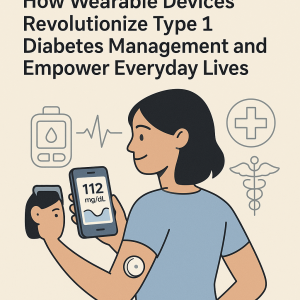
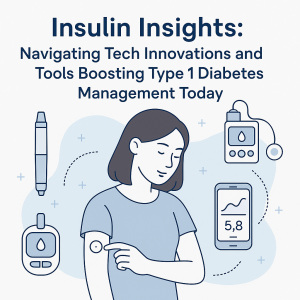
Understanding the medical aspects of type 1 diabetes is crucial for anyone living with or supporting someone who has the condition. Insulin therapy is the cornerstone of management and can be delivered through multiple daily injections or an insulin pump. Continuous glucose monitors (CGMs) provide real-time insights into blood sugar levels, helping detect trends and prevent episodes of hyperglycemia (high blood sugar) or hypoglycemia (low blood sugar). Both hyperglycemia and hypoglycemia pose immediate health risks and require prompt attention to avoid complications. For example, severe hypoglycemia can lead to confusion, loss of consciousness, or seizures. If you experience significant fluctuations or have concerns about your management plan, it’s important to discuss these with your healthcare provider.
Beyond insulin and technology, effective management of type 1 diabetes often involves a multidisciplinary approach. This may include working with endocrinologists, diabetes educators, dietitians, and mental health professionals. Each specialist can provide unique insights and support to ensure a well-rounded approach to care. For instance, dietitians can offer guidance on nutritional choices that may help stabilize blood sugar levels, while mental health professionals can help address the psychological aspects of living with a chronic condition. It’s essential to remember that treatment plans should be tailored to the individual’s needs and lifestyle, and regular consultations with healthcare providers are key to optimizing management strategies.
The medical landscape for type 1 diabetes is continually evolving, with research focused on improving treatment options and outcomes. For instance, developments in artificial pancreas systems aim to automate insulin delivery, potentially reducing the burden of constant decision-making. However, these advancements are not one-size-fits-all solutions and should be discussed with a healthcare provider to determine their suitability. While medical management is vital, the emotional and social aspects of living with type 1 diabetes are equally important, underscoring the value of building a supportive community. By fostering connections with others who understand the daily challenges, individuals with type 1 diabetes can find encouragement and share strategies to thrive. Remember, the best course of action is always guided by professional medical advice tailored to your specific circumstances.
3. Practical Guidance
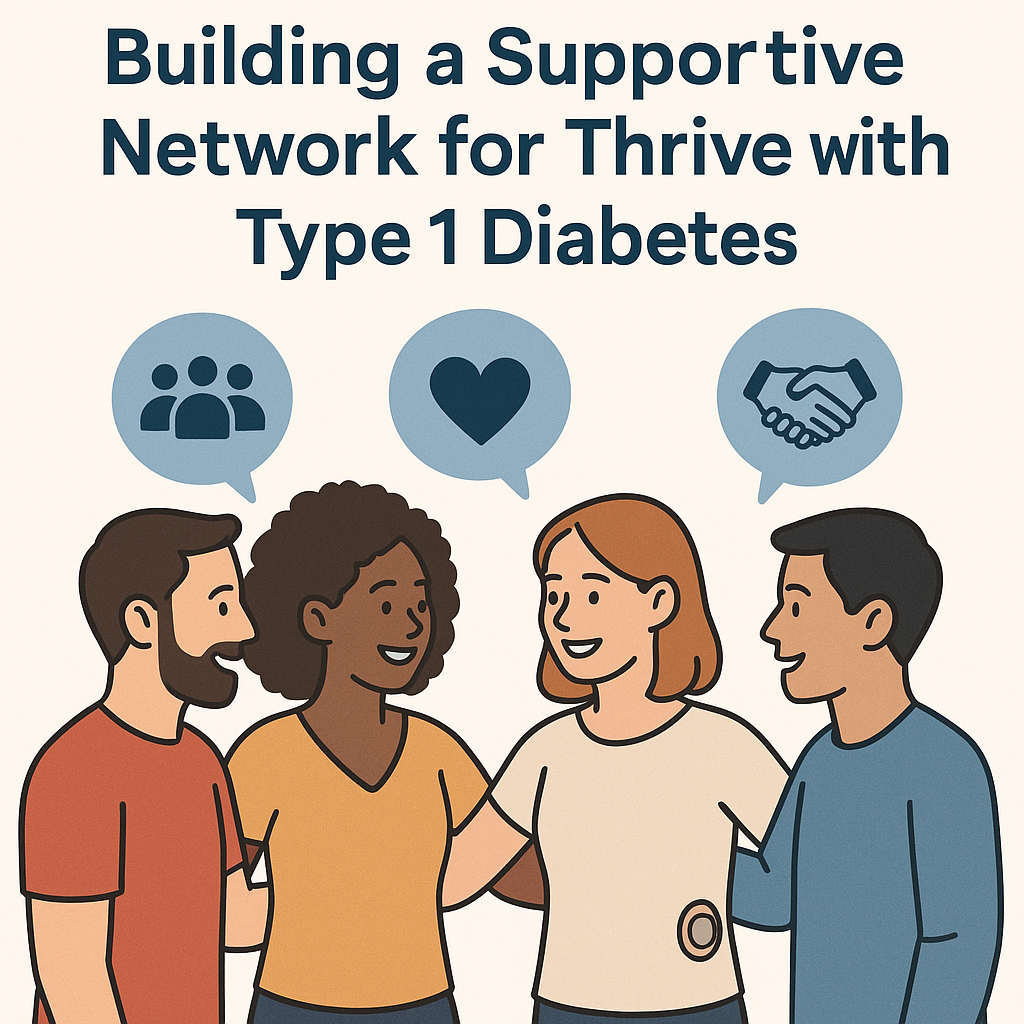
Building a supportive network is crucial for thriving with type 1 diabetes, and practical guidance can help integrate meaningful connections into daily life. Start by identifying key areas where support could be beneficial, such as managing daily blood sugar levels, navigating emotional challenges, or dealing with unexpected situations. Surrounding yourself with a network of understanding individuals who can offer assistance, whether they are family members, friends, or diabetes support groups, can provide reassurance and practical help when needed. Consider joining local or online support groups where you can share experiences and tips with others who understand the unique challenges of managing type 1 diabetes.
Education is another powerful tool. Equip those around you with basic knowledge about type 1 diabetes, including how to recognize and respond to symptoms of low or high blood sugar. This can empower them to offer assistance in emergencies and help create a more supportive environment. Encourage open communication within your network so that everyone feels comfortable discussing diabetes-related topics. This openness can foster an atmosphere where questions are welcomed, and solutions are collaboratively sought.
Incorporating technology can also enhance your support system. Utilize apps and devices designed for diabetes management that allow you to share data with trusted individuals, such as family members or healthcare providers. This can help others stay informed about your condition and provide timely support when necessary. However, it’s essential to discuss any new tools or technologies with your healthcare provider to ensure they align with your personalized care plan.
Moreover, proactively plan for various scenarios you may encounter. Develop a plan for everyday situations, like dining out or exercising, and ensure it includes input from your healthcare team. Having a strategy in place can help you feel more confident and prepared. For instance, carrying snacks or glucose tablets can be vital in managing sudden drops in blood sugar. Always prioritize treating low blood sugar promptly and confirming recovery before continuing any activity.
Finally, remember that building a supportive network is an ongoing process. Regularly check in with your support system to assess what is working well and what might need adjustment. Encourage feedback and be open to making changes that enhance your overall well-being. As you build and maintain these connections, keep in mind that your healthcare provider remains a valuable resource for personalized guidance tailored to your specific needs.
4. Practical Tips
Building a supportive community is crucial for those living with Type 1 diabetes, not only for emotional support but also for practical day-to-day management. Here are some practical tips to help you foster connections that can enhance your well-being and management of the condition.
Firstly, consider joining a local or online support group dedicated to Type 1 diabetes. These groups offer a platform to share experiences, tips, and encouragement with people who understand the intricacies of living with diabetes. For example, an online forum might host weekly discussions where members can talk about different aspects of diabetes management, such as meal planning or adjusting to new insulin regimens. Remember, while these groups can be a great source of information, it’s important to consult your healthcare provider before making any changes to your management plan based on advice from peers.
Secondly, connect with a diabetes educator or coach. These professionals specialize in diabetes care and can offer personalized strategies to help you manage your condition effectively. They can provide guidance on everything from interpreting blood sugar readings to understanding how different foods affect your glucose levels. Regular check-ins with a diabetes educator can help you stay informed about the latest research and technological advances, making it easier to navigate the challenges of Type 1 diabetes.
Another practical tip is to involve family and friends in your diabetes management. Educating those close to you about the basics of diabetes can create a supportive home environment. For instance, teaching family members how to recognize the signs of hypoglycemia and how to respond can be invaluable. If you experience low blood sugar, having someone nearby who knows what to do can provide peace of mind and ensure prompt action. However, always ensure you are prepared to handle such situations independently, and consult with your doctor for advice tailored to your needs.
Lastly, consider leveraging technology to stay connected with your support network. Many apps allow you to track your blood sugar levels, food intake, and physical activity, and some even offer the option to share this information with a healthcare team or family members. This can facilitate better communication and allow those involved in your care to provide timely support and feedback. Just be mindful of privacy settings and ensure you are comfortable with the level of information shared.
While these tips can help strengthen your support network, it’s important to remember that each person’s experience with Type 1 diabetes is unique. What works for one individual might not be suitable for another. Always consult with your healthcare provider to tailor these suggestions to your specific needs and circumstances. Building a supportive community takes time and effort, but the benefits for your physical and emotional health can be significant.
5. Expert Opinions
Experts in the field of diabetes management often emphasize the importance of building a supportive network for individuals with type 1 diabetes. Clinicians generally recommend that patients connect with both healthcare professionals and peer support groups to navigate the daily challenges of managing their condition. These networks can provide invaluable resources, from emotional support to practical advice on dealing with blood sugar fluctuations and other aspects of diabetes care.
Healthcare professionals, including endocrinologists and certified diabetes educators, play a crucial role in this network. They provide individualized care plans and help patients understand how to manage their diabetes effectively. Regular check-ins with a healthcare provider can ensure that treatment plans are up-to-date and tailored to the individual’s needs. Moreover, these professionals can offer guidance on lifestyle adjustments, such as diet and exercise, which can be beneficial in managing blood sugar levels. It’s important for individuals to maintain open communication with their healthcare team and not hesitate to reach out with questions or concerns about their diabetes management.
In addition to professional guidance, peer support is often highlighted as a key component of effective diabetes management. Many people with type 1 diabetes find that connecting with others who share similar experiences can be incredibly empowering. Support groups, whether in-person or online, provide a platform for individuals to share tips, discuss challenges, and offer encouragement. These groups can foster a sense of community and belonging, helping to reduce feelings of isolation that can sometimes accompany chronic illness. Experts suggest that engaging with such communities may help individuals feel more confident in their ability to manage their condition and make informed decisions about their health.
While building a support network is highly beneficial, it’s essential for individuals to remember that each person’s experience with type 1 diabetes is unique. What works for one person may not work for another, and adjustments to management strategies should always be made in consultation with a healthcare provider. For those experiencing significant changes in their symptoms or challenges in managing their condition, seeking professional advice is crucial to ensure safety and effectiveness in their diabetes care.
Ultimately, expert opinion underscores that a well-rounded support network, comprising both professional and peer resources, can significantly enhance the quality of life for those living with type 1 diabetes. By fostering connections within the diabetes community, individuals can thrive with the condition, knowing they are not alone on their journey.
6. Misconceptions
Misconceptions about type 1 diabetes can create significant barriers to building a supportive community. One common misconception is that type 1 diabetes is caused by lifestyle choices, such as poor diet or lack of exercise. However, type 1 diabetes is an autoimmune condition where the body’s immune system mistakenly attacks insulin-producing cells in the pancreas. It is not preventable through lifestyle changes, and this distinction is crucial for understanding the condition. By dispelling this myth, we can foster more informed and empathetic interactions within our communities.
Another prevalent misconception is that people with type 1 diabetes cannot lead active or unrestricted lives. While managing this condition does require attention and planning, many individuals with type 1 diabetes engage in sports, travel, and a variety of other pursuits. They often develop personalized strategies to manage their blood glucose levels effectively. Building a network that recognizes and supports these efforts can empower individuals to pursue their passions without undue concern about judgment or misunderstanding.
There is also a tendency to conflate type 1 and type 2 diabetes, leading to confusion around the management and implications of each. While both conditions involve issues with insulin, their causes, treatments, and management strategies differ significantly. This misunderstanding can lead to inappropriate advice or comments, which can be frustrating and isolating. Educating friends and family about the specific challenges of type 1 diabetes can create a more supportive and understanding environment.
Additionally, some might assume that those with type 1 diabetes can simply avoid sugar and be fine. The reality is that managing type 1 diabetes involves balancing insulin therapy with carbohydrate intake, physical activity, and other factors. This complex process requires ongoing monitoring and adjustments, and it’s vital for the community to appreciate the diligence required. Acknowledging the complexity of diabetes management can help reduce stigma and foster more supportive relationships.
Finally, there may be a misconception that individuals with type 1 diabetes should manage their condition entirely on their own. In truth, a robust support network, including healthcare professionals, family, friends, and peer groups, plays a crucial role in effective diabetes management. Encouraging open dialogue and understanding within these networks can enhance both emotional well-being and health outcomes. If you have questions about managing type 1 diabetes or supporting someone who does, it’s always best to consult with a healthcare professional for personalized guidance.
7. Summary
Type 1 diabetes can be a challenging condition to manage, but building a strong community and support network can significantly enhance one’s ability to thrive. The importance of connection cannot be overstated when it comes to navigating the complexities of living with this chronic condition. People with type 1 diabetes often find comfort and encouragement in sharing their experiences, learning from others, and exchanging practical tips. Such interactions can transform the perception of diabetes from a solitary struggle into a shared journey, fostering a sense of belonging and empowerment.
Support networks come in many forms, ranging from in-person support groups facilitated by healthcare organizations to online communities that connect individuals across the globe. These platforms provide a safe space to discuss challenges, celebrate successes, and explore strategies for better management of blood sugar levels, diet, exercise, and emotional well-being. For many, the opportunity to communicate with others who truly understand their experiences can help alleviate feelings of isolation and anxiety.
Family and friends also play a crucial role in a supportive network. Educating loved ones about type 1 diabetes can improve their understanding and empathy, allowing them to provide more effective support. This can include helping with daily tasks, offering emotional encouragement, or simply being present during medical appointments. Open and honest communication about needs and boundaries can strengthen these relationships, making it easier to face the ups and downs of diabetes management together.
While community support is invaluable, it’s important to remember that individual experiences with type 1 diabetes can vary widely. What works well for one person may not be suitable for another. Therefore, it’s essential to consult with healthcare professionals when making decisions about diabetes management. They can provide personalized guidance and ensure that any changes to your routine are safe and effective.
Ultimately, building a supportive network is about creating a tapestry of resources and relationships that enrich and sustain daily life with type 1 diabetes. Whether through sharing knowledge, offering emotional support, or simply being a listening ear, these connections can make a meaningful difference in the journey toward thriving with this condition.