1. Introduction
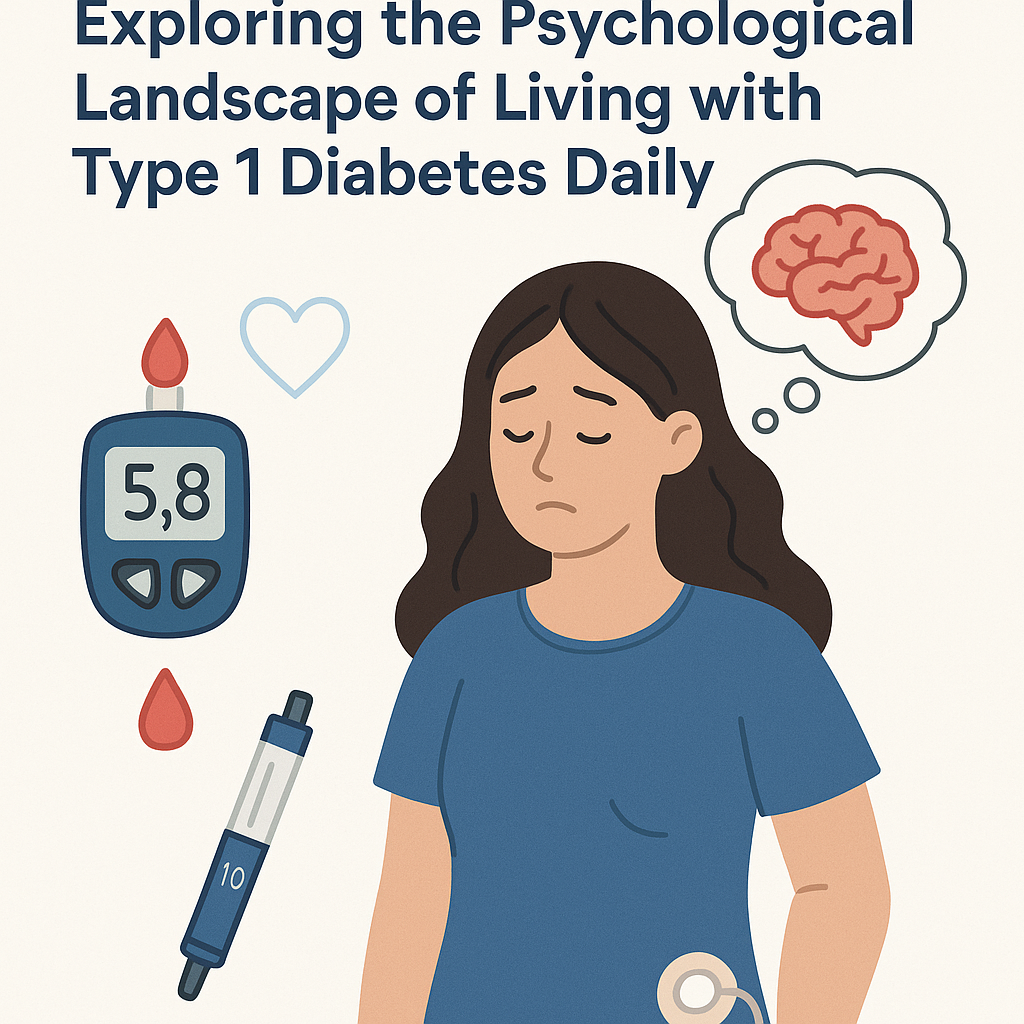
Living with type 1 diabetes involves much more than managing blood sugar levels and insulin doses. While these numerical aspects are crucial, they represent just one part of the daily experiences faced by individuals with this condition. The psychological landscape of living with type 1 diabetes encompasses a wide range of feelings, challenges, and coping mechanisms that are often overshadowed by the focus on numbers. Understanding this emotional component can be vital for both individuals with diabetes and their support networks as they navigate the complexities of the condition.
Type 1 diabetes can impose a significant emotional burden, as it requires constant attention and decision-making. The need for meticulous monitoring and management can lead to feelings of anxiety, stress, and even burnout. It’s not uncommon for individuals to experience feelings of frustration or helplessness when blood sugar levels don’t behave as expected despite their best efforts. These emotions are a natural response to living with a chronic condition, and acknowledging them is an important step toward maintaining mental well-being.
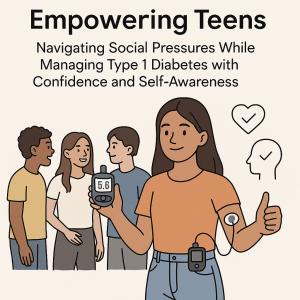
Moreover, the psychological impacts of type 1 diabetes are often interwoven with social aspects of life. The unpredictability of blood sugar levels can sometimes interfere with social activities, leading to feelings of isolation or self-consciousness. Additionally, the perceived judgment from others who may not fully understand the condition can contribute to a sense of being different or misunderstood. Building a supportive community and fostering open communication with family, friends, and healthcare providers can help mitigate these feelings and promote a more inclusive environment.
It is also essential to recognize the potential for positive psychological growth that can accompany the challenges of living with type 1 diabetes. Many individuals develop resilience, problem-solving skills, and a deeper appreciation for their health and well-being. Encouraging a focus on personal strengths and accomplishments rather than solely on the numbers can help foster a more balanced perspective. However, it’s important to remember that each person’s experience is unique, and what works for one individual may not be applicable to another. Consulting with healthcare professionals, including mental health specialists, can provide personalized strategies and support.
In summary, the psychological landscape of living with type 1 diabetes is as complex and varied as the condition itself. By exploring and addressing these emotional aspects, individuals can work toward a more holistic approach to managing their diabetes. Whether you are living with type 1 diabetes or supporting someone who is, understanding the interplay between the mind and body is crucial for promoting overall health and well-being. Always seek guidance from healthcare professionals when exploring these aspects further to ensure a safe and effective approach tailored to individual needs.
2. Medical Overview
Type 1 diabetes is an autoimmune condition characterized by the body’s inability to produce insulin, a hormone crucial for regulating blood glucose levels. Unlike type 2 diabetes, which can often be managed through lifestyle changes, type 1 diabetes requires lifelong insulin therapy because the immune system mistakenly attacks and destroys the insulin-producing beta cells in the pancreas. This fundamental difference underscores the importance of understanding the medical landscape of type 1 diabetes, which involves a delicate balance of insulin administration, blood sugar monitoring, and dietary management.
Managing type 1 diabetes involves a multifaceted approach. Daily blood sugar monitoring is essential, often requiring multiple finger-prick tests or continuous glucose monitoring systems to track glucose levels throughout the day. Insulin can be administered through injections or insulin pumps, which must be carefully calibrated to meet the individual’s needs. The goal is to mimic the natural insulin release of a healthy pancreas as closely as possible, though this is a complex task that requires constant attention and adjustment.
Carbohydrate counting is another critical component in managing type 1 diabetes. Knowing the carbohydrate content of foods helps individuals estimate the amount of insulin needed to maintain blood glucose levels within a target range. This process is not always straightforward, as factors such as physical activity, illness, and stress can also influence blood sugar levels. Therefore, individuals with type 1 diabetes must be vigilant and adaptable in their management strategies.
It is important to note that managing type 1 diabetes is not a one-size-fits-all approach. Each individual’s response to insulin and lifestyle factors can vary significantly. For this reason, regular consultations with healthcare providers are crucial to tailor a management plan that suits the specific needs of the individual. A diabetes care team typically includes endocrinologists, diabetes educators, nutritionists, and sometimes mental health professionals, all working together to provide comprehensive care.
While medical management is a central aspect of living with type 1 diabetes, individuals should also be aware of acute complications such as hypoglycemia (low blood sugar) and hyperglycemia (high blood sugar). Hypoglycemia can occur if too much insulin is administered or if meals are skipped, leading to symptoms like shakiness, confusion, and dizziness. Conversely, hyperglycemia, resulting from insufficient insulin, can cause increased thirst, frequent urination, and fatigue. Both conditions require immediate attention and appropriate intervention to prevent serious health risks. In such situations, it is vital to follow established treatment protocols and seek medical advice if necessary.
Ultimately, understanding the medical aspects of type 1 diabetes is crucial for effective management. However, it is equally important to acknowledge the psychological and emotional dimensions of living with the condition, which can profoundly impact an individual’s quality of life. By approaching type 1 diabetes from both medical and psychological perspectives, individuals can better navigate the challenges and complexities of daily management.
3. Practical Guidance
Living with type 1 diabetes involves much more than managing blood sugar levels; it’s a complex interplay of emotional resilience, daily routines, and ongoing education. Establishing a consistent routine can be a cornerstone in creating stability. This might include setting regular times for meals, exercise, and blood glucose monitoring. By establishing predictability, you can potentially reduce the stress of unexpected fluctuations. Additionally, maintaining a balanced diet with a variety of nutrients supports overall well-being and can aid in more stable blood sugar levels. It’s advisable to work with a healthcare provider to tailor dietary choices to your specific needs.
Incorporating mindfulness and stress-reduction techniques into your daily life can also contribute positively to managing type 1 diabetes. Practices such as meditation, deep breathing exercises, or yoga may help alleviate stress, which can otherwise impact blood sugar levels. Developing a personalized plan that fits into your schedule and aligns with your interests can make these practices more sustainable. Remember, the key is consistency rather than perfection; even small, regular practices can make a difference over time.
Building a support network is another crucial aspect. Whether it’s family, friends, or a community group, having people who understand and support your journey can be incredibly beneficial. Consider joining a diabetes support group, either locally or online, where you can share experiences and tips with others who understand the challenges you’re facing. This can provide not just emotional support but also practical insights into managing daily life with diabetes.
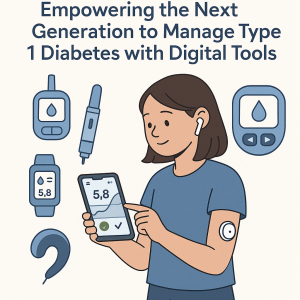
Technology can also play a significant role in simplifying diabetes management. There are various apps and devices designed to help track blood sugar levels, meal plans, and physical activity. These tools can provide a clearer picture of how different factors affect your condition, making it easier to identify patterns and make informed decisions. However, it’s important to regularly review any data with a healthcare professional to ensure it’s being interpreted correctly and in context with your overall health plan.
Finally, while it’s essential to stay informed and proactive about managing type 1 diabetes, it’s just as important to allow yourself grace and understanding. Diabetes management is a lifelong journey, and there will be ups and downs. On challenging days, remind yourself that it’s okay to seek help and make adjustments as needed. Always consult your healthcare provider for personalized advice and before making significant changes to your management plan. Balancing the practical aspects of diabetes management with emotional well-being is a continuous process, and it’s one that you’re not alone in navigating.
4. Practical Tips
Living with type 1 diabetes involves more than just managing numbers; it encompasses a daily psychological journey that can be challenging yet rewarding. Practical tips can play a crucial role in navigating the emotional landscape while effectively managing the condition. One helpful strategy is to establish a flexible routine that accounts for both predictable and unpredictable aspects of daily life. For example, setting aside time each day to review blood glucose trends can help identify patterns and prepare for potential fluctuations. This practice not only aids in better understanding your body’s responses but also empowers you with information to discuss during healthcare appointments.
Another valuable tip is to build a reliable support network. Connecting with others who understand the intricacies of type 1 diabetes can provide emotional relief and practical advice. Consider joining a local or online support group where you can share experiences, exchange tips, and find encouragement. This connection can be particularly useful during challenging times, offering a sense of community and shared understanding. Additionally, involving friends and family in your diabetes management can foster a supportive environment, making it easier to cope with the day-to-day psychological demands of the condition.
Mindfulness techniques can also be beneficial in managing the psychological aspects of living with type 1 diabetes. Practices such as meditation, journaling, or deep breathing exercises can help reduce stress and promote emotional well-being. For instance, taking a few minutes each day to focus on your breath or jot down your thoughts can help calm your mind and improve your ability to handle diabetes-related challenges. By incorporating these mindfulness practices into your routine, you may find it easier to maintain a positive outlook and manage the emotional ups and downs that can accompany type 1 diabetes.
As you explore these practical tips, remember that individual experiences with type 1 diabetes can vary significantly. It’s important to consult with your healthcare provider when considering any new strategies or changes to your routine. They can offer personalized guidance to ensure that your approach to managing both the physical and psychological aspects of the condition is safe and effective. By embracing a holistic approach that considers both emotional and physical health, you can enhance your overall well-being and navigate the complexities of type 1 diabetes with greater ease.
5. Expert Opinions
Living with type 1 diabetes involves more than managing blood sugar levels; it also encompasses the psychological aspects that can significantly impact an individual’s well-being. Experts in the field underscore the importance of addressing the mental health challenges that often accompany this chronic condition. Many healthcare professionals advocate for a comprehensive approach that includes psychological support as a standard part of diabetes care. This is because managing type 1 diabetes requires constant vigilance, which can lead to stress, anxiety, and even burnout over time. By integrating mental health services, individuals may better handle the emotional strain that accompanies day-to-day management of the condition.
Clinicians generally recommend routine screening for psychological issues such as depression and anxiety in patients with type 1 diabetes. This approach is not only about identifying problems but also about normalizing the conversation around mental health, which can often be stigmatized. By being proactive in addressing these concerns, healthcare providers aim to empower patients to seek help without feeling ashamed or isolated. Furthermore, research indicates that when emotional well-being is prioritized, individuals may find it easier to adhere to their diabetes management plans, potentially leading to better overall health outcomes.
Peer support groups and community resources can also play a pivotal role in helping individuals navigate the psychological landscape of type 1 diabetes. Experts suggest that connecting with others who understand the daily struggles of living with the condition can provide invaluable emotional support. These interactions can offer practical advice, reduce feelings of isolation, and foster a sense of belonging. It is advised that individuals explore various support options to find what resonates best with them, whether it be in-person meetings, online forums, or social media communities.
In addition to peer support, healthcare providers often emphasize the benefits of mindfulness and stress-reduction techniques. Practices such as meditation, yoga, or even regular physical activity can help individuals manage stress and improve their mental health. While these techniques are not a substitute for professional psychological care, they may serve as complementary strategies that enhance overall well-being. Individuals are encouraged to discuss these options with their healthcare providers to tailor a plan that suits their personal needs and preferences.
It is crucial for individuals with type 1 diabetes to have open and ongoing discussions with their healthcare team about their mental health. Personalized guidance from medical professionals can help navigate the complexities of managing both the physical and psychological aspects of the condition. As each person’s experience with type 1 diabetes is unique, consulting a healthcare provider ensures that any interventions or strategies are appropriate and safe for their specific circumstances. Overall, acknowledging and addressing the psychological challenges of type 1 diabetes is a vital component of comprehensive care that can significantly enhance quality of life.
6. Misconceptions
Misconceptions about type 1 diabetes abound, and they can significantly affect the psychological well-being of those living with the condition. One common misconception is that type 1 diabetes is caused by lifestyle choices or diet, similar to type 2 diabetes. However, type 1 diabetes is an autoimmune condition where the body’s immune system mistakenly attacks the insulin-producing cells in the pancreas. This distinction is crucial because it emphasizes that individuals with type 1 diabetes did not cause their condition through lifestyle factors, underscoring the importance of understanding and empathy from others.
Another prevalent misconception is the belief that managing type 1 diabetes is as simple as taking insulin. While insulin therapy is indeed a cornerstone of management, the reality is far more complex. Individuals with type 1 diabetes must continuously monitor their blood glucose levels, adjust their insulin doses, and make daily decisions about food, physical activity, and stress management. This constant vigilance can be mentally exhausting and requires a high level of self-discipline and resilience, which can be difficult for people without diabetes to fully appreciate.
There is also a misconception that people with type 1 diabetes cannot eat sugar or must adhere to an extremely restrictive diet. In truth, while managing carbohydrate intake is important for blood glucose control, people with type 1 diabetes can enjoy a varied diet and indulge in sweets occasionally, just like anyone else. The key lies in balancing insulin doses with food intake and activity levels, a skill that requires careful calculation and planning. It is essential for family, friends, and colleagues to recognize the complexities involved and offer support rather than judgment.
Furthermore, the assumption that people with type 1 diabetes cannot lead active or fulfilling lives can be damaging. Many individuals with type 1 diabetes lead successful, active, and adventurous lives, participating in sports, pursuing demanding careers, and achieving personal goals. However, these achievements often require extra planning and precautionary measures to manage blood glucose levels during various activities. Encouragement and understanding from others can play a significant role in helping individuals with type 1 diabetes navigate these challenges.
Dispelling these misconceptions is not just about setting the record straight; it’s about fostering a more supportive environment that acknowledges the unique challenges of living with type 1 diabetes. By understanding that each person’s experience is different and that management strategies can vary widely, we can better support those living with the condition. As always, for specific medical advice or concerns, individuals should consult their healthcare provider to tailor management strategies to their personal needs.
7. Summary
Living with type 1 diabetes involves much more than managing blood sugar levels; it encompasses a complex psychological journey that touches every aspect of daily life. Beyond the numbers on a glucose meter, individuals with type 1 diabetes experience a wide range of emotions and challenges that can significantly impact their overall well-being. The constant need for vigilance, the responsibility of self-management, and the unpredictability of blood sugar fluctuations can lead to feelings of stress, anxiety, and sometimes even burnout. Understanding these psychological aspects is crucial for individuals with type 1 diabetes, their families, and healthcare providers to foster a supportive environment.
One of the primary psychological challenges is the emotional burden that comes with the relentless attention needed to manage the condition. The daily routine of monitoring blood glucose levels, calculating insulin doses, and making dietary choices requires continuous mental effort, which can be exhausting. This constant vigilance often leads to what is known as “diabetes distress,” a condition that shares some symptoms with depression and anxiety, though it is specific to living with diabetes. It’s important for individuals to recognize these feelings and seek support when needed, whether through professional counseling or support groups.
Additionally, the fear of hypoglycemia is a significant psychological stressor for many people with type 1 diabetes. Hypoglycemia, or low blood sugar, can occur unexpectedly and requires immediate attention to prevent serious consequences. This fear may influence lifestyle choices, such as avoiding certain activities or foods, and can lead to increased anxiety about daily management. It is essential for those living with type 1 diabetes to have strategies in place to manage these situations safely and to work closely with their healthcare team to tailor these strategies to their individual needs.
Social dynamics also play a role in the psychological landscape of living with type 1 diabetes. The need to disclose their condition to others, manage diabetes in public, or explain their needs can lead to feelings of isolation or embarrassment. Building a supportive network of understanding friends, family, and peers can help mitigate these feelings and provide a sense of community. Open communication about the challenges faced can foster empathy and reduce the stigma associated with the condition.
Ultimately, while managing the physical aspects of type 1 diabetes is vital, acknowledging and addressing the psychological elements is equally important. A comprehensive approach that includes emotional support, education, and communication with healthcare professionals can enhance the quality of life for those living with type 1 diabetes. If you or someone you know is struggling with the psychological aspects of diabetes, reaching out to healthcare providers for personalized advice and support is an essential step. Understanding that it’s okay to seek help and that one is not alone in this journey can be empowering and transformative.