1. Introduction
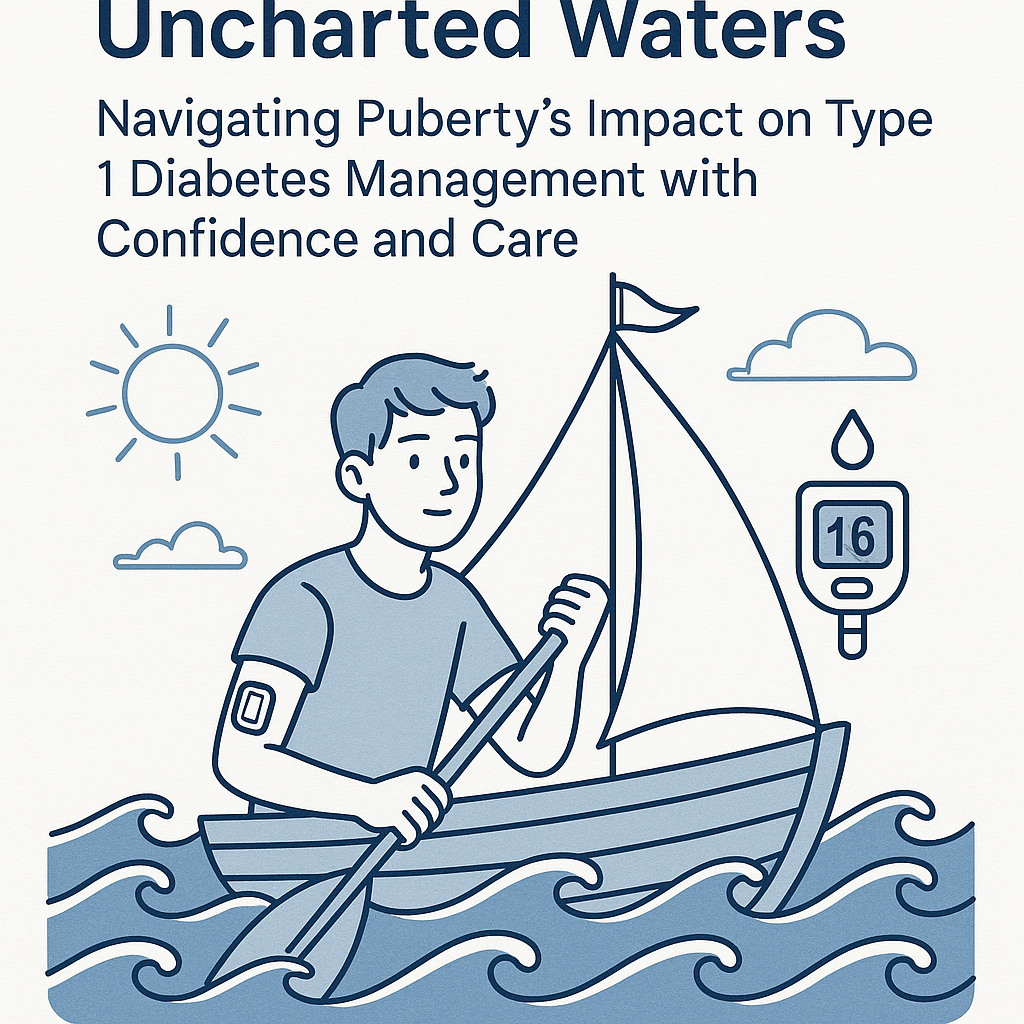
Puberty is a transformative period characterized by rapid physical, emotional, and hormonal changes. For adolescents with type 1 diabetes, these changes can present unique challenges in managing their condition. As the body undergoes growth spurts and hormonal fluctuations, blood sugar levels can become more unpredictable, making diabetes management more complex. The need for increased insulin sensitivity, coupled with varying activity levels and dietary preferences, can make this life stage feel like navigating uncharted waters.
Understanding the impact of puberty on type 1 diabetes is crucial not just for the teens experiencing it but also for their families and healthcare providers. As hormone levels shift, they can affect how the body responds to insulin. For example, puberty often involves increased levels of growth hormone and sex hormones, which can lead to insulin resistance. This means that what worked for blood sugar management before puberty might need reevaluation and adjustments. It’s important to recognize that these changes are a normal part of development, and with careful monitoring and support, they can be managed effectively.
For many young people, puberty is also a time of seeking independence, which can complicate diabetes management. Teens may want to take more ownership of their care, but they might not always have the experience or foresight to anticipate how lifestyle choices could affect their condition. This is where open communication with healthcare teams and family members becomes essential. Encouraging teens to voice their concerns and questions can foster a supportive environment that empowers them to manage their diabetes with confidence. It’s equally important for caregivers to listen actively and to provide guidance while respecting their teen’s growing need for autonomy.
As you navigate this period, remember that you’re not alone. Each person’s journey through puberty and diabetes management is unique, and it’s okay to seek help when needed. Working closely with a healthcare provider can ensure that you have the most current and personalized advice for your situation. By staying informed and proactive, you can help smooth the transition through puberty, maintaining both health and well-being during this pivotal time in a teen’s life.
2. Medical Overview
Type 1 diabetes is a chronic condition where the pancreas produces little or no insulin, a hormone crucial for regulating blood sugar levels. This autoimmune disease requires diligent management to maintain blood glucose within a target range, involving regular monitoring and insulin administration. During puberty, these tasks can become even more complex due to the hormonal changes that can affect insulin sensitivity and glucose metabolism. Understanding these physiological changes is vital for effectively navigating this period.
As adolescents enter puberty, their bodies undergo significant hormonal transformations. Hormones such as growth hormone, estrogen, and testosterone increase, which can lead to temporary insulin resistance. This means that the body’s cells become less responsive to insulin, potentially causing blood sugar levels to rise. Such changes can be unpredictable and vary widely among individuals, making blood glucose management more challenging. It’s crucial for young individuals and their caregivers to be aware of these changes and monitor glucose levels more frequently to detect patterns or anomalies.
In addition to hormonal changes, puberty often coincides with increased appetite and growth spurts, leading to fluctuations in dietary intake and physical activity. Both of these factors can influence blood sugar levels and insulin needs. Adolescents with type 1 diabetes may require adjustments in their insulin regimen to accommodate these shifts. However, any changes should be carefully considered and discussed with a healthcare professional who can provide personalized guidance based on the individual’s unique needs and circumstances.
Moreover, the emotional and psychological aspects of puberty should not be overlooked. The stress associated with adolescence can also impact blood glucose levels. Stress hormones, such as cortisol, can raise blood sugar, complicating diabetes management. Therefore, fostering a supportive environment and encouraging open communication about feelings and challenges can be beneficial for teens navigating this phase of life. Engaging with a healthcare team that includes mental health support can also be advantageous.
It is important for both adolescents and their caregivers to stay informed and proactive during puberty. Regular consultations with healthcare providers can help ensure that any necessary adjustments to diabetes management plans are made safely and effectively. By understanding the medical intricacies of type 1 diabetes during this critical developmental stage, individuals can better manage their condition and maintain a healthy lifestyle. Always remember to seek advice from healthcare professionals when uncertain, as they can provide valuable insights tailored to personal health needs.
3. Practical Guidance
Puberty can bring a whirlwind of changes to any teenager’s life, and for those managing type 1 diabetes, these changes can add an extra layer of complexity. The hormonal shifts during puberty can affect blood sugar levels, making it essential to adapt diabetes management strategies accordingly. One practical step is to maintain a detailed diabetes logbook. By consistently recording blood sugar readings, insulin doses, carbohydrate intake, and physical activity, you can begin to identify patterns that may correlate with hormonal fluctuations. This information can be invaluable when discussing management strategies with healthcare providers.
Adjusting insulin doses is often necessary during puberty due to increased insulin resistance. However, it’s crucial to undertake these adjustments under the guidance of a healthcare professional, as individual needs can vary significantly. Regular check-ins with a diabetes care team can provide personalized advice and help fine-tune insulin regimens. Additionally, staying informed about the signs of hypo- and hyperglycemia is important, as these risks can fluctuate during this period. Ensure that you have a plan in place to address low blood sugar events promptly and safely, prioritizing immediate treatment before resuming activities.
Nutrition plays a vital role in managing type 1 diabetes during puberty. A balanced diet that accounts for both energy and nutritional needs is essential, as teenagers experience growth spurts requiring more calories. Collaborate with a dietitian to establish a meal plan that supports healthy growth and stabilizes blood sugar levels. Incorporating a variety of foods, focusing on whole grains, lean proteins, and healthy fats, can help in maintaining balanced glucose levels and supporting overall well-being.
Physical activity is another key component in managing diabetes during puberty. Regular exercise can help improve insulin sensitivity, making it easier to control blood sugar levels. Encourage participation in sports or activities that the teenager enjoys, which can also provide a social outlet and help relieve stress. It’s important to monitor blood sugar levels before, during, and after physical activity to prevent and address any potential highs or lows. Always have carbohydrate snacks on hand to treat any unexpected hypoglycemic events.
The emotional aspects of managing type 1 diabetes during puberty should not be overlooked. Adolescence is a time of emotional and psychological changes, and managing a chronic condition can add stress. Encourage open communication about feelings and challenges related to diabetes management. This can foster a supportive environment and help address any issues that arise. If needed, consider engaging with a mental health professional who can provide strategies to cope with stress and anxiety, enhancing overall diabetes management.
As puberty is a unique and evolving journey, remember that each individual’s experience is different. Regular consultations with healthcare professionals are essential to adapt management plans as needed. With consistent monitoring, open communication, and support, navigating the impact of puberty on type 1 diabetes can become a more manageable and less daunting task.
4. Practical Tips
Navigating puberty while managing type 1 diabetes can feel like venturing into uncharted waters, but practical strategies can offer a compass to guide young individuals and their families. Understanding the physical and emotional changes that occur during this time is essential. Hormonal fluctuations can cause blood sugar levels to become less predictable, so frequent monitoring of glucose levels is crucial. Encouraging a routine of regular checks can help in identifying patterns that might require adjustments in management strategies.
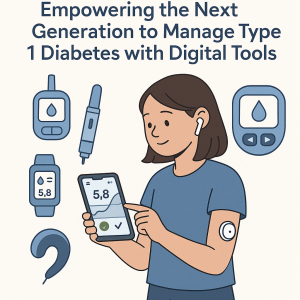
One concrete example is the use of technology to assist in managing diabetes during puberty. Continuous glucose monitors (CGMs) can provide real-time data and trends, making it easier to spot shifts in blood sugar levels that may be linked to growth spurts or hormonal changes. While CGMs can be incredibly helpful, they should be used as an adjunct to, not a replacement for, regular finger-prick tests, especially when accuracy is essential. Discussing these options with a healthcare provider can help families decide on the best tools for their situation.
Another practical tip involves nutrition and meal planning. Puberty often brings an increase in appetite and changes in dietary preferences. Working with a dietitian can help in developing a balanced meal plan that meets a growing teen’s nutritional needs while keeping blood sugar levels in check. Encouraging young people to be involved in meal planning and preparation can empower them to make informed choices about their diet, fostering a sense of control and responsibility over their health.
Physical activity is also a key component in managing type 1 diabetes, especially during puberty. Exercise can help in regulating blood sugar levels, but it also requires careful planning to prevent hypoglycemia. Before starting any new activity, it is wise to discuss potential adjustments in insulin or carbohydrate intake with a healthcare provider. Encouraging activities that the individual enjoys can make it easier to stay active and maintain a healthy lifestyle.
Finally, emotional support is equally important. Puberty is a time of emotional upheaval, and the added responsibility of managing a chronic condition can be overwhelming. Open lines of communication between parents, healthcare providers, and the individual can make a significant difference. Support groups or counseling may offer additional assistance, allowing young people to connect with others who share similar experiences.
By integrating these practical tips into daily life, managing type 1 diabetes during puberty can become a more manageable task. However, it is always important to remember that each individual is unique, and what works for one person may not work for another. Regular consultations with healthcare professionals can ensure that management plans are tailored to meet the specific needs of each individual, providing the confidence and care needed to navigate this challenging phase.
5. Expert Opinions
As young individuals with type 1 diabetes transition through puberty, the hormonal changes can pose unique challenges in blood sugar management. Health professionals emphasize the importance of understanding these changes to help mitigate their impact. Puberty triggers a surge in growth and sex hormones, which can increase insulin resistance. This means that even if insulin doses have been stable, they may require adjustments during this time. Clinicians generally recommend routine monitoring of blood glucose levels to spot trends and make necessary adjustments, a practice that can help manage the unpredictability of blood sugar fluctuations during puberty.
Experts also highlight the psychological and emotional changes that accompany puberty, which can further complicate diabetes management. Adolescents may experience mood swings, stress, or a desire for greater independence, all of which can influence their diabetes care routines. Health professionals suggest encouraging open communication about these challenges and working collaboratively to set realistic goals. This might involve parents, caregivers, and the healthcare team fostering a supportive environment where the adolescent feels comfortable discussing their needs and concerns.
Education plays a critical role in empowering teens with type 1 diabetes to manage their condition effectively. Experts recommend providing age-appropriate information about how puberty affects diabetes and encouraging teenagers to take an active role in their care. This can foster greater understanding and self-management skills, which are crucial as they move towards adulthood. Adolescents might benefit from engaging with peer support groups or diabetes education programs that offer both knowledge and a sense of community.
While expert opinions provide valuable guidance, it is essential to remember that each individual’s experience with diabetes is unique. What works well for one person might not be suitable for another. Therefore, maintaining open lines of communication with healthcare providers is paramount. Regular consultations with an endocrinologist or diabetes specialist can ensure that management strategies are tailored to the individual’s specific needs and any adjustments are made in a safe and effective manner. This personalized approach helps navigate the complexities of puberty with confidence and care, ensuring that young people with type 1 diabetes receive the support they need during this transitional period.
6. Misconceptions
When it comes to managing type 1 diabetes during puberty, misconceptions can be as challenging as the condition itself. One common misunderstanding is that insulin requirements are stable and predictable. In reality, the hormonal changes of puberty can make blood sugar levels more volatile. This period of rapid growth and development can lead to increased insulin resistance, meaning that the body may need more insulin than usual. However, the exact amount varies greatly among individuals and can fluctuate frequently. Therefore, it’s crucial for young people with type 1 diabetes and their caregivers to remain flexible and attentive, regularly consulting healthcare professionals to adjust their diabetes management plans accordingly.
Another misconception is that diet alone can control blood glucose levels during puberty. While maintaining a balanced diet is essential, it is not a replacement for insulin therapy. Hormonal fluctuations can have a significant impact on how the body processes glucose, sometimes requiring adjustments in insulin dosing. Parents and teens should work closely with their healthcare team to develop a comprehensive care plan that includes both dietary considerations and personalized insulin management.
Some people also mistakenly believe that emotional stress doesn’t have a significant impact on diabetes management. However, puberty is a time of emotional upheaval, and stress can indeed affect blood glucose levels. Stress hormones like cortisol can increase blood sugar levels, making it essential to incorporate stress management techniques into daily routines. Encouraging open communication about feelings and seeking support from mental health professionals when needed can be beneficial. Families should discuss these challenges with their healthcare providers to explore effective strategies tailored to their unique circumstances.
Finally, the belief that all teens with type 1 diabetes will experience the same challenges during puberty can lead to unnecessary worry or complacency. The truth is, each individual’s experience is unique, and what works for one person may not work for another. It’s important for young people and their families to recognize this variability and to stay proactive in their care. By collaborating with their healthcare team, they can develop a personalized approach that respects their individual needs and circumstances. If there are any concerns or uncertainties, consulting with a healthcare provider is always a wise step to ensure effective management and well-being.
7. Summary
Puberty is a challenging time for any adolescent, but for those managing type 1 diabetes, it introduces a unique set of hurdles. This period of rapid growth and hormonal changes can significantly impact blood sugar levels, often leading to more frequent highs and lows. Parents and caregivers play a crucial role in guiding teenagers through this phase, helping them understand the importance of consistently monitoring their blood glucose levels and adjusting their insulin regimens as needed. However, it is essential to recognize that every individual’s experience of puberty and diabetes management is different. Collaborating closely with healthcare providers can help tailor strategies that best suit the teenager’s evolving needs.
During puberty, the body undergoes significant changes that can alter insulin sensitivity. Growth hormones and other pubertal hormones can cause insulin resistance, making it more challenging to maintain stable blood glucose levels. This can sometimes result in a need for increased insulin, but these adjustments must be made under the guidance of a healthcare professional to ensure safety and efficacy. Parents and teens should be encouraged to maintain open communication with their diabetes care team to navigate these changes effectively.
Moreover, the emotional and psychological aspects of adolescence cannot be overlooked. The quest for independence, peer influence, and body image concerns can affect how teenagers manage their diabetes. Encouraging teens to take an active role in their diabetes management, while offering support and understanding, can foster a sense of responsibility and confidence. Empowering adolescents with knowledge and self-management skills can make a significant difference in how they handle their condition during these transformative years.
While puberty presents additional challenges to managing type 1 diabetes, it also offers an opportunity for growth in self-management skills. With the right support system, teens can learn to balance their health needs with their daily activities, reducing the risk of complications and promoting long-term well-being. Regular check-ins with healthcare providers are essential to adapt management plans as the teen develops. By approaching this period with confidence and care, families can help adolescents navigate these uncharted waters while building a foundation for a healthy future. Always consult a healthcare professional for personalized advice and guidance tailored to your individual circumstances.