1. Introduction
Engaging in sports and maintaining an active lifestyle can be incredibly rewarding for individuals with type 1 diabetes. Regular physical activity not only supports overall health and well-being but also offers specific benefits like improving insulin sensitivity and promoting cardiovascular fitness. However, balancing exercise with diabetes management can present unique challenges, particularly when it comes to maintaining optimal blood sugar levels. Whether you’re hitting the gym, running a marathon, or playing team sports, understanding how your body responds to different activities is crucial. This knowledge can help you make informed decisions about your nutrition, insulin management, and overall approach to exercise.
Type 1 diabetes requires a constant balancing act between insulin, food intake, and physical activity. Exercise, in particular, can impact blood glucose levels in unpredictable ways. Some individuals may experience a drop in blood sugar during or after exercise, while others might see spikes. This variability underscores the importance of personalized management strategies. Listening to your body and monitoring blood sugar levels before, during, and after exercise can provide valuable insights into your unique response patterns. Equally important is having a plan in place to address potential lows or highs, ensuring that your sports activities remain both enjoyable and safe.
Nutrition plays a pivotal role in supporting athletic performance and managing blood sugar levels in people with type 1 diabetes. Carbohydrates, proteins, and fats each have distinct roles in fueling exercise and affecting glucose levels. Understanding how to balance these macronutrients, especially around workout times, can help maintain energy levels and reduce the risk of blood sugar fluctuations. Pre-exercise snacks or meals and post-exercise recovery nutrition are key components of this strategy. As each person with diabetes is unique, it is advisable to work closely with a healthcare provider or a certified diabetes educator to tailor these nutritional strategies to your specific needs and goals.
Ultimately, participating in sports while managing type 1 diabetes is about preparation, adaptation, and ongoing learning. By staying informed and seeking professional guidance, individuals can enjoy the myriad benefits of physical activity without compromising their health. Remember, it’s always important to consult with your healthcare team before making significant changes to your exercise or diabetes management plan, ensuring that your approach is both safe and effective for your personal circumstances. With careful planning and a proactive mindset, sports can be a fulfilling and empowering part of life with type 1 diabetes.
2. Medical Overview
Type 1 diabetes is a chronic condition in which the pancreas produces little or no insulin, a hormone crucial for allowing glucose (sugar) to enter cells and produce energy. Managing this condition involves a delicate balance of maintaining stable blood sugar levels, particularly when engaging in physical activities like sports. For individuals with type 1 diabetes, participating in sports can be an excellent way to enhance cardiovascular health, improve insulin sensitivity, and boost overall well-being. However, it requires careful planning and monitoring to prevent both hypoglycemia (low blood sugar) and hyperglycemia (high blood sugar), which can be triggered by exercise.
Exercise impacts blood sugar levels in complex ways, varying based on factors such as the type, intensity, and duration of the physical activity. Aerobic exercises, like running or cycling, tend to lower blood glucose levels because they increase insulin sensitivity and glucose uptake by muscles. On the other hand, high-intensity or anaerobic activities, such as weightlifting or sprinting, might initially cause a spike in blood sugar due to stress hormones that are released. Understanding these dynamics is vital to adjust insulin doses and carbohydrate intake appropriately, a process that is highly individualized.
Monitoring blood sugar levels before, during, and after exercise is critical to managing diabetes safely while participating in sports. Continuous glucose monitors (CGMs) can offer real-time insights and can be especially useful for athletes aiming to maintain stable glucose levels throughout their activities. It’s important to note that blood sugar fluctuations can occur up to 24 hours post-exercise, so ongoing vigilance is necessary. Equipped with this knowledge, athletes with type 1 diabetes can make informed decisions about carbohydrate intake and insulin adjustments, both before and after physical activity.
Given the complexity and individual variability in managing diabetes during sports, collaborating with a healthcare team is advisable. Endocrinologists, diabetes educators, and nutritionists can offer personalized guidance to develop an effective exercise plan. This collaboration can help tailor strategies to the specific needs of the athlete, including adjustments in insulin therapy and dietary modifications, to support both performance and safety. Always consult with your healthcare provider for advice tailored to your unique medical needs and circumstances.
3. Practical Guidance
Engaging in sports while managing type 1 diabetes requires a thoughtful approach to balancing physical activity with blood sugar levels. A key aspect of this balance involves understanding how different types of exercise can affect your glucose levels. Aerobic activities, like running or cycling, may cause your blood sugar to drop, whereas anaerobic exercises, such as weightlifting or sprinting, can sometimes lead to an increase. Monitoring your blood glucose before, during, and after exercise is crucial to understanding your body’s unique responses and making informed decisions about your diabetes management plan.
To prepare for sports activities, it’s important to plan your meals and snacks to align with your exercise routine. Consuming carbohydrates before exercising can provide the necessary energy and help minimize the risk of hypoglycemia. Consider carrying fast-acting carbohydrates, such as glucose tablets or juice, to quickly address any sudden drops in blood sugar. It’s beneficial to learn how your body reacts to different foods and exercise intensities, and adjust your intake accordingly. Keeping a journal of your activities and the corresponding blood sugar levels can offer valuable insights over time.
Hydration is another essential component when participating in sports. Staying well-hydrated helps maintain optimal blood sugar levels and overall performance. It’s advisable to drink water before, during, and after exercise, and to pay attention to signs of dehydration, which can sometimes mimic symptoms of high or low blood sugar. Being aware of your body’s needs in various environments and adjusting your fluid intake accordingly can support both your diabetes management and athletic performance.
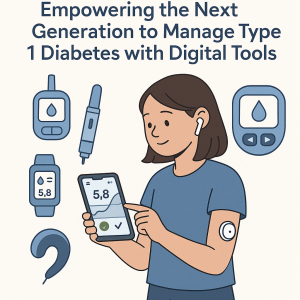
Technology can also play a supportive role in managing type 1 diabetes during sports. Continuous glucose monitors (CGMs) and insulin pumps offer real-time data and more precise insulin delivery, which can help you make informed decisions during physical activity. These tools, when used in conjunction with regular self-monitoring and professional guidance, can enhance your ability to maintain stable blood sugar levels. However, it’s important to remember that technology is just one part of effective management, and should be used alongside other strategies tailored to your needs.
Finally, always have a plan in place for managing unexpected changes in your blood sugar levels. If you experience symptoms of hypoglycemia, such as dizziness or confusion, it’s crucial to stop the activity immediately to treat the low blood sugar. Similarly, if your levels are too high, it may be necessary to take a break and consult with your healthcare provider about the best course of action. Establishing a routine that includes regular consultations with your healthcare team can provide you with personalized advice and confidence in managing your diabetes while enjoying sports. Remember, finding the right balance requires patience and persistence, but with the right strategies, you can safely fuel your performance and maintain blood sugar balance.
4. Practical Tips
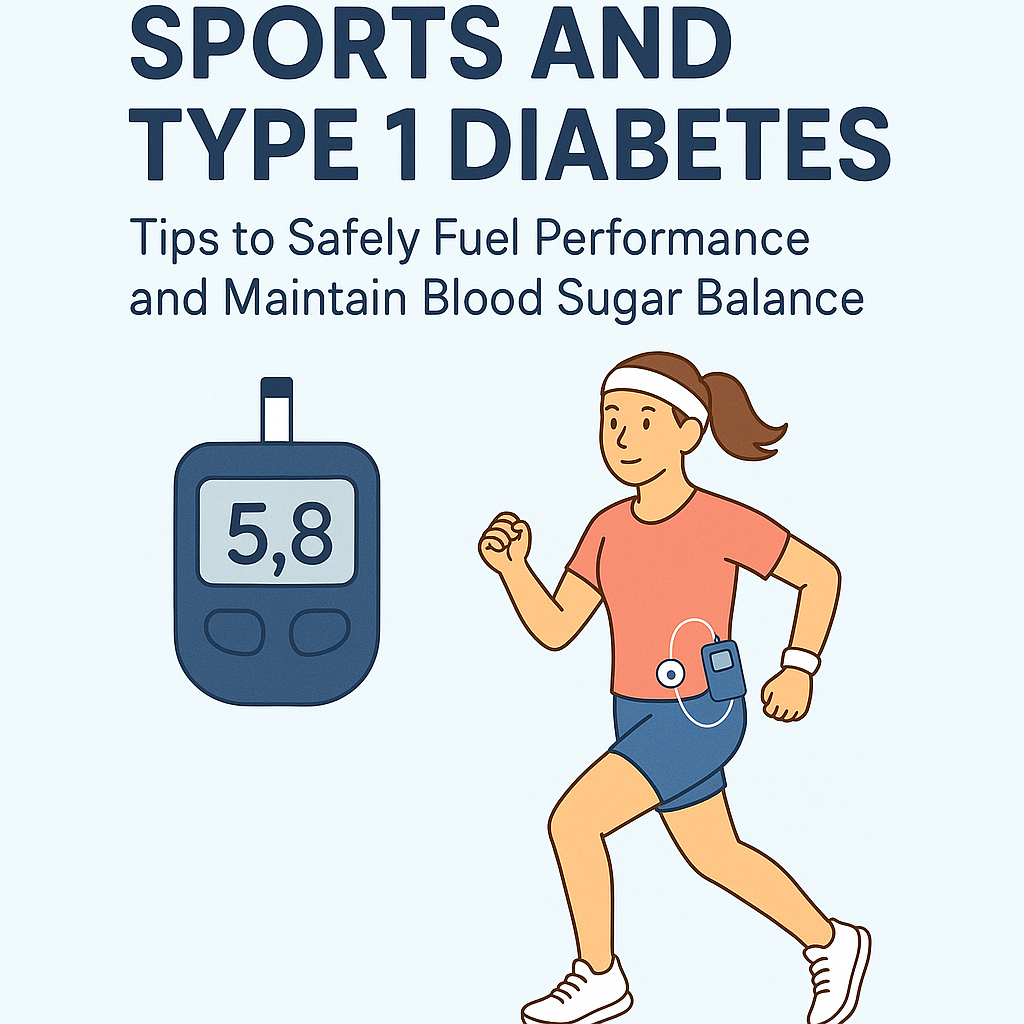
Engaging in sports while managing type 1 diabetes requires a thoughtful balance of activity, nutrition, and blood sugar monitoring. With the right approach, athletes with type 1 diabetes can enjoy their sports and perform well. Here are some practical tips to help you safely fuel your performance and maintain blood sugar balance.
Firstly, always monitor your blood sugar levels before, during, and after exercise. This is crucial because physical activity can affect your blood sugar in various ways. For instance, aerobic exercises like running or cycling typically lower blood sugar, whereas anaerobic activities such as weightlifting might cause a temporary spike. Checking your levels frequently will help you understand how different types of exercise affect you personally. If your blood sugar is low before starting, consider consuming a small, easily digestible snack like a banana or a handful of raisins to give you an immediate energy boost. Additionally, always carry a quick-acting source of glucose, such as glucose tablets or gel, in case you experience hypoglycemia during your workout.
Secondly, plan your meals and insulin around your exercise schedule. Timing your meals can be just as important as what you eat. Eating a balanced meal with carbohydrates, proteins, and fats one to three hours before exercising can help maintain your energy levels. For example, a turkey sandwich on whole-grain bread with a side of fruit could provide a balanced mix of nutrients. Adjusting your insulin dosage may also be necessary, but this should be done under the guidance of your healthcare provider, as individual needs can vary significantly.
Another key aspect is hydration. Staying hydrated is essential for everyone, but it’s particularly important for those with diabetes. Dehydration can influence your blood sugar levels and make it harder to manage them effectively. Make it a habit to drink water before, during, and after your exercise sessions. You might also consider sports drinks that contain electrolytes and carbohydrates if you’re engaging in prolonged or intense activities, but be mindful of their sugar content and how they might affect your blood glucose.
Finally, always listen to your body. If you start to feel dizzy, excessively fatigued, or notice any unusual symptoms, stop exercising and check your blood sugar levels. It’s important to treat any potential hypoglycemia promptly and ensure your levels have stabilized before resuming your activity. These strategies, combined with regular consultations with your healthcare team, can support a safe and effective exercise routine for managing type 1 diabetes. Remember, your healthcare provider is your best resource for personalized advice tailored to your specific needs and conditions.
5. Expert Opinions
When it comes to managing type 1 diabetes while engaging in sports, expert opinions emphasize the importance of personalized care plans for athletes. Clinicians generally recommend that individuals work closely with their healthcare team to develop strategies tailored to their unique needs. This includes adjusting insulin levels and carbohydrate intake based on the type, intensity, and duration of the activity. Because exercise can significantly impact blood sugar levels, having a plan in place can help mitigate the risk of hypoglycemia or hyperglycemia before, during, and after physical activity.
Athletes with type 1 diabetes are often advised to monitor their blood glucose levels more frequently around exercise times. Continuous glucose monitors (CGMs) can be particularly useful tools, as they provide real-time data and trends that help guide immediate adjustments. However, each person’s response to exercise can vary, so clinicians highlight the importance of understanding one’s body and patterns over time to make informed choices. This often involves experimenting under medical supervision to find what works best, keeping in mind that what succeeds for one individual might not be suitable for another.
Experts also point out the role of nutrition in supporting athletic performance and maintaining blood glucose stability. A balanced intake of carbohydrates, proteins, and fats is encouraged, but the timing and type of these nutrients can be crucial. Pre-exercise snacks, for example, might be necessary to prevent low blood sugar, while post-exercise meals can help replenish energy stores without causing spikes in glucose levels. Guidance from a registered dietitian familiar with type 1 diabetes can be invaluable in creating an effective nutritional plan.
Finally, mental preparation and stress management are highlighted by experts as key components of successful diabetes management in athletes. Stress and anxiety related to competition can affect blood sugar levels, so techniques such as mindfulness and relaxation exercises may be beneficial. Engaging in sports with type 1 diabetes is certainly possible, but it requires a proactive and informed approach. Individuals are encouraged to communicate openly with their healthcare providers, regularly update their management plans, and never hesitate to ask for professional guidance when encountering new challenges. Always consult your doctor for advice tailored to your specific situation and health needs.
6. Misconceptions
When it comes to sports and type 1 diabetes, misconceptions abound, often creating unnecessary barriers for those managing this condition. One common misconception is that individuals with type 1 diabetes should avoid strenuous physical activity altogether. In reality, regular exercise is not only possible but also beneficial for maintaining overall health and well-being. However, it requires careful planning and monitoring to ensure blood sugar levels remain stable. It’s important for athletes with type 1 diabetes to understand how their bodies respond to different types of exercise and to work with their healthcare team to develop a personalized plan.
Another prevalent myth suggests that those with type 1 diabetes must consume excessive amounts of carbohydrates before exercising to prevent low blood sugar levels. While it’s true that managing blood glucose during physical activity is crucial, the approach is not one-size-fits-all. The amount of carbohydrates needed varies based on factors like the intensity and duration of the exercise, the individual’s usual blood sugar patterns, and their insulin regimen. Some athletes might require a small snack before workouts, while others might need to adjust their insulin doses. Consulting with a healthcare provider or a diabetes educator can provide tailored strategies that align with personal needs and goals.
There’s also a misconception that experiencing low blood sugar, or hypoglycemia, during exercise is unavoidable. While athletes with type 1 diabetes do face a risk of hypoglycemia, it can often be managed with careful planning. Monitoring blood sugar levels before, during, and after exercise, along with having fast-acting glucose sources readily available, can help address potential lows promptly. It’s crucial to treat hypoglycemia as soon as it’s detected and ensure recovery before resuming any physical activity, to maintain safety and performance.
Lastly, some believe that type 1 diabetes limits athletic potential, discouraging individuals from pursuing sports at competitive levels. However, numerous athletes with type 1 diabetes have excelled in various sports, proving that with the right management strategies, they can achieve their athletic dreams. These athletes often highlight the importance of discipline, continuous learning, and collaboration with their healthcare teams as key components of their success. As with any aspect of diabetes management, staying informed and proactive can empower those with type 1 diabetes to participate in sports safely and effectively.
7. Summary
Engaging in sports and physical activities can be a rewarding and exhilarating experience for individuals with type 1 diabetes. Not only does it promote physical fitness and mental well-being, but it also offers an opportunity to build confidence and social connections. However, managing type 1 diabetes while participating in sports requires careful planning and attention to ensure both performance and safety. This balance involves understanding how exercise affects blood sugar levels and making thoughtful adjustments to maintain stability.
Physical activity can significantly impact blood sugar levels, often causing them to drop. This is due to the increased uptake of glucose by muscles during exercise. Therefore, athletes with type 1 diabetes need to be vigilant about monitoring their blood sugar before, during, and after physical activity. Having a plan in place to address potential fluctuations is crucial, such as carrying fast-acting carbohydrates to manage low blood sugar (hypoglycemia) should it occur. It’s essential to treat low blood sugar immediately and confirm recovery before continuing any strenuous activity, to prioritize safety over performance.
Nutrition also plays a key role in supporting athletic performance and managing diabetes. Balancing carbohydrate intake with insulin dosing is critical, as carbohydrates are a primary source of energy during exercise. Individuals with type 1 diabetes often work with healthcare professionals to develop strategies that account for the timing and type of nutrition that best supports their activity level. It is important for each person to find a routine that works best for them, and this often requires trial and error under the guidance of healthcare providers.
In addition to managing blood sugar and nutrition, staying hydrated and maintaining a consistent exercise routine can help in achieving a stable blood sugar level. Stress, illness, and even excitement can also affect blood sugar, so being mindful of these factors and discussing any concerns with healthcare providers can be beneficial. Each individual’s diabetes management plan should be personalized, taking into account their unique lifestyle and activity preferences.
Ultimately, participating in sports with type 1 diabetes is not only possible but can be a highly enriching part of life. By taking steps to monitor and manage blood sugar levels, individuals can enjoy the benefits of physical activity while minimizing risks. Consulting with healthcare professionals to tailor a plan that suits personal needs and goals is always recommended. With the right strategies in place, athletes with type 1 diabetes can perform at their best while maintaining their health and safety.