1. Introduction
Being a teenager comes with its own set of challenges, from academic pressures to social dynamics and everything in between. Add to that the responsibility of managing type 1 diabetes, and the landscape can seem even more complex. Type 1 diabetes is a chronic condition where the pancreas produces little or no insulin, a hormone crucial for allowing sugar (glucose) to enter cells to produce energy. For teens, this means frequent monitoring of blood sugar levels, managing insulin doses, and making mindful food choices—tasks that can feel overwhelming in the midst of school activities, social events, and the quest for independence.
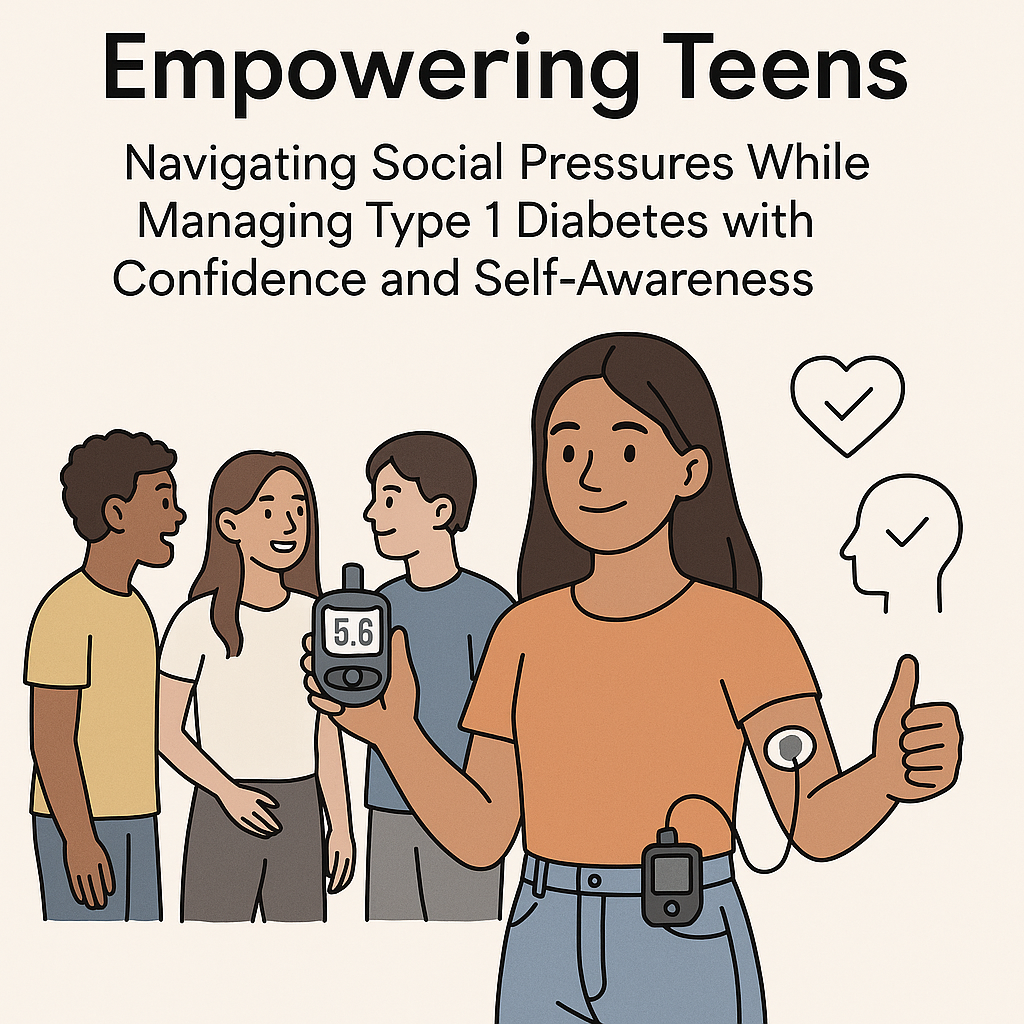
When you’re a teenager with type 1 diabetes, the desire to fit in with peers can sometimes clash with the necessities of diabetes management. It’s natural to want to participate in spontaneous activities without having to explain why you need to check your blood sugar or take a break to have a snack. However, balancing these social dynamics with the needs of your health is crucial. It’s important to remember that while diabetes is a part of who you are, it doesn’t define you. With the right tools and mindset, you can navigate these social pressures confidently and effectively.
Open communication is a key component in managing type 1 diabetes as a teen. Engaging in honest conversations with friends and peers about your diabetes can pave the way for greater understanding and support. This doesn’t mean you have to disclose every detail, but sharing enough to help those around you understand your needs can alleviate a lot of the stress associated with social interactions. These conversations can also help dispel myths and reduce any stigma associated with the condition.
Moreover, building a strong support network is invaluable. This includes family, friends, and healthcare professionals who respect your autonomy while providing guidance. They can offer encouragement, help you stay on track with your management plan, and provide a listening ear when challenges arise. Additionally, seeking out diabetes support groups or online communities can connect you with others who understand what you’re going through, offering a sense of belonging and shared experience.
While finding this balance can be challenging, it can also be empowering. Learning to manage type 1 diabetes with confidence and self-awareness not only helps in navigating teenage years but also lays the foundation for a healthy, independent future. Remember, it’s always important to consult with your healthcare provider about your individual needs and management plan, ensuring that your approach is both safe and effective for you. Embrace the journey, knowing that with each step, you’re becoming more resilient and self-assured in managing both your health and your life.
2. Medical Overview
Type 1 diabetes is a chronic condition where the pancreas produces little or no insulin, a hormone essential for allowing glucose to enter cells and be used for energy. This autoimmune disease typically manifests in childhood or adolescence, making it a significant concern during the teenage years when individuals are navigating both social dynamics and their evolving health. Understanding the medical aspects of type 1 diabetes can empower teens to manage their condition effectively while participating fully in their daily activities.
In type 1 diabetes, the body’s immune system mistakenly attacks and destroys the insulin-producing beta cells in the pancreas. As a result, individuals need to manage their blood sugar levels through regular monitoring and insulin therapy. Insulin can be administered via injections or an insulin pump, and the dosage and timing of insulin administration are crucial. Because each person’s needs can differ, teens managing type 1 diabetes should work with their healthcare team to develop a personalized plan. This plan should include how to adjust insulin doses based on various factors, such as dietary intake, physical activity, and any changes in routine. It is always advisable to consult a healthcare provider to tailor management strategies to individual needs.
Teens with type 1 diabetes face unique challenges, particularly in social settings where food choices and physical activities may be spontaneous. These situations require not only a good understanding of their condition but also confidence in making necessary health-related decisions. For instance, during social gatherings or sports events, it is important for teens to be prepared with their diabetes supplies and have a plan for managing their blood sugar. Recognizing the symptoms of hypoglycemia (low blood sugar) and hyperglycemia (high blood sugar) is critical, and teens should know when to seek help or take corrective action. If they experience sudden changes in symptoms, it is crucial that they address these issues promptly and contact a healthcare professional if needed.
Education and self-awareness are key components in managing type 1 diabetes while minimizing its impact on social interactions. By understanding how diet, exercise, and other lifestyle factors influence their blood sugar levels, teens can make informed choices that support their health. Encouraging open communication with friends, family, and healthcare providers can also foster a supportive environment where teens feel comfortable discussing their needs and challenges. Ultimately, empowerment comes from a combination of knowledge, preparation, and self-assurance, enabling teens to navigate social pressures with confidence while effectively managing their condition.
3. Practical Guidance
Managing type 1 diabetes as a teen can be particularly challenging, especially when navigating social situations where peer pressure and the desire to fit in are common. One of the most effective strategies is to establish a solid routine that incorporates regular blood sugar monitoring, insulin administration, and balanced nutrition. Having a consistent schedule can provide a sense of control and predictability, making it easier to manage your diabetes, even when your social calendar gets busy.
Communication is key when it comes to managing type 1 diabetes in social settings. Educating your friends about diabetes can foster understanding and support. It’s important to feel comfortable discussing your needs, whether it’s explaining why you need to check your blood sugar or why you might need to excuse yourself to address symptoms. Friends who are informed are more likely to be supportive and accommodating, reducing any feelings of isolation.
When attending social events, consider planning ahead to accommodate your diabetes management needs. Carrying necessary supplies, such as glucose tablets or snacks, can help you address any unexpected blood sugar changes. Additionally, it can be beneficial to eat a balanced meal or snack before heading out, as this may help stabilize your blood sugar levels. While having a good time is important, prioritizing your health is crucial. Should you experience symptoms of low blood sugar, it’s essential to address them immediately and ensure you’re feeling well before continuing with your activities.
Developing self-awareness and listening to your body is another crucial aspect of managing diabetes in social scenarios. By recognizing early signs of blood sugar fluctuations, you can take timely action to prevent more serious complications. If you’re unsure about how to interpret certain symptoms or how best to manage them, discussing these situations with your healthcare provider can offer tailored advice and enhance your confidence in handling similar situations in the future.
Finally, remember that it’s okay to set boundaries when it comes to social engagements. If an activity is likely to interfere with your diabetes management, it’s perfectly acceptable to decline or suggest alternatives. Your health and well-being should always come first. Empower yourself by making informed choices that reflect your personal needs and comfort level. By doing so, you can enjoy social interactions while maintaining effective diabetes management, allowing you to participate fully and confidently in your teenage years.
4. Practical Tips
Managing type 1 diabetes as a teenager can feel overwhelming, especially when social pressures come into play. However, with a few practical strategies, you can handle these situations with confidence and self-awareness. One of the most effective ways to navigate social events is to plan ahead. Before heading out with friends, whether it’s to a party or a casual hangout, take a moment to consider your diabetes management needs. For instance, if you’re going to a place where food will be served, it could be helpful to check the menu online beforehand. This way, you can estimate the carbohydrate content and plan your insulin administration accordingly. Remember, your health comes first, so don’t hesitate to ask your healthcare provider for advice if you’re unsure about managing your insulin around certain foods.
Another valuable tip is to carry a diabetes kit with you at all times. This kit might include your glucose meter, insulin, snacks for treating low blood sugar, and any other essentials you might need. Having these items on hand can provide peace of mind and ensure you’re prepared for any unexpected changes in your blood sugar levels. For example, if you’re at a concert and suddenly feel the symptoms of low blood sugar, you can quickly address it by reaching for your kit. It’s important to treat any low blood sugar episodes immediately and ensure your levels are back to normal before resuming your activities.
Being open about your diabetes with close friends can also be empowering. While you don’t need to share every detail, having a few trusted friends who understand your condition can be incredibly supportive. These friends can assist in watching out for signs of low or high blood sugar and can help you manage your condition discreetly during social events. For example, if you’re at a school dance and start feeling unwell, a friend who knows about your diabetes can help you find a quiet place to check your blood sugar and treat any issues. Educating your friends about when you might need assistance and how they can help can foster a supportive environment.
Ultimately, the key to managing type 1 diabetes amidst social pressures is confidence in your own routine and the willingness to prioritize your health. By planning ahead, staying prepared, and leaning on a support network, you can enjoy your teenage years while effectively managing your diabetes. As always, any changes to your diabetes management plan should be discussed with your healthcare provider to ensure they are safe and suitable for your needs.
5. Expert Opinions
Managing Type 1 diabetes as a teenager can be uniquely challenging, especially when juggling the social pressures that often accompany adolescence. However, expert opinions offer valuable insights to help teens navigate this terrain with confidence and self-awareness. Healthcare professionals often emphasize the importance of education and open communication as foundational steps for teens managing their condition. By understanding the basics of Type 1 diabetes, such as monitoring blood glucose levels and recognizing the symptoms of hypo- and hyperglycemia, teens can make informed decisions about their health. Clinicians generally recommend that teens develop a personalized diabetes management plan with their healthcare team, which can help them feel more prepared to handle social situations.
Experts also highlight the significance of self-advocacy and communication skills. Teens are encouraged to feel confident in discussing their condition with friends, teachers, and peers. While it can be daunting to disclose personal health information, doing so can lead to better support and understanding from others. Healthcare providers often suggest that teens practice how to explain their condition in simple terms and express their needs clearly. This can help demystify diabetes for those around them, potentially reducing stigma and misconceptions.
Participating in peer support groups or diabetes-focused events can also be beneficial, according to many healthcare professionals. These environments provide a safe space for teens to share experiences and learn from others who face similar challenges. Engaging with a community of peers who understand what they are going through can boost a teen’s confidence and provide a sense of belonging. Moreover, hearing stories and advice from others who have successfully managed similar situations can be both motivating and empowering.
It’s also vital for teens to have strategies in place for managing diabetes during social activities, as recommended by experts. This includes planning ahead for meals, having necessary supplies on hand, and knowing how to handle potential emergencies. Educators and clinicians stress that while teens should strive to enjoy social activities, they must prioritize their health by taking appropriate precautions. For personalized guidance on managing diabetes in social contexts, teens should consult with their healthcare providers, who can offer tailored advice based on individual needs and circumstances.
Ultimately, experts advocate for a balanced approach that combines education, self-awareness, and social participation. By fostering a supportive environment and equipping teens with the skills to manage their diabetes effectively, we can help them feel empowered and confident in navigating both their health and social lives. As always, ongoing communication with healthcare providers is essential to ensure that management strategies remain effective and aligned with the latest medical guidance.
6. Misconceptions
Misconceptions about type 1 diabetes can create unnecessary challenges for teens who are already navigating the complexities of adolescence. One common misconception is that type 1 diabetes is caused by poor diet or lifestyle choices, similar to type 2 diabetes. In reality, type 1 diabetes is an autoimmune condition where the body’s immune system mistakenly attacks insulin-producing cells in the pancreas. This can happen to anyone, regardless of lifestyle, and it’s important for teens to understand that it’s not their fault.
Another prevalent myth is that individuals with type 1 diabetes can’t enjoy sweets or have to follow a severely restricted diet. While managing blood sugar levels does require attention to carbohydrate intake and meal planning, it doesn’t mean that favorite treats are completely off-limits. With proper planning and insulin management, teens can still enjoy occasional sweets. It’s essential for them to work with their healthcare provider to understand how to balance their diet effectively.
Some people may also mistakenly believe that type 1 diabetes can be “cured” by diet, exercise, or alternative therapies. Currently, there is no cure for type 1 diabetes, and it requires daily management with insulin therapy. This ongoing management can be challenging, especially for teens facing peer pressure or a desire to fit in. It’s crucial for them to know that their treatment plan is tailored to their unique needs, and any changes should be discussed with their healthcare team.
Misunderstandings about the seriousness of hypoglycemia (low blood sugar) can also pose risks. Low blood sugar is an immediate concern that requires prompt attention and treatment. Teens should be empowered to take necessary steps, such as consuming fast-acting carbohydrates, and ensure their blood sugar has stabilized before returning to activities. Being open with friends about how to help in these situations can foster a supportive environment.
Lastly, the assumption that having type 1 diabetes limits a teen’s ability to participate in sports or other activities is another misconception. With careful management and planning, teens with type 1 diabetes can engage in sports and physical activities. It’s important for teens to communicate with coaches or peers about their condition and to have a plan in place for managing blood sugar levels during activities. Consulting with healthcare professionals can provide tailored strategies to help teens stay active safely.
Understanding and addressing these misconceptions can empower teens with type 1 diabetes to navigate social pressures with confidence. With the right knowledge and support, they can manage their condition effectively while enjoying a fulfilling, active lifestyle. If there are any concerns or questions about managing type 1 diabetes, it’s always best to consult with a healthcare provider for personalized guidance.
7. Summary
Navigating the teenage years can be challenging for anyone, but when you add the complexities of managing type 1 diabetes, the challenge becomes even greater. Teens with type 1 diabetes often find themselves balancing everyday social pressures with the need to carefully manage their health. The key to thriving during this time is to develop confidence and self-awareness, which can significantly aid in managing both diabetes and social interactions. This journey involves understanding one’s own health needs, being able to communicate effectively about diabetes with peers, and making informed choices in various social settings.
One of the most empowering steps a teen can take is to become educated about their condition. Understanding how diabetes affects the body and the role of insulin is crucial. This knowledge lays the foundation for making informed decisions that align with both health goals and social activities. For instance, knowing how to adjust insulin intake based on activity levels or meal choices can help teens participate more freely in social events while maintaining stable blood sugar levels. It’s important for teens to work closely with their healthcare team to tailor strategies that fit their unique lifestyle and needs.
Social interactions can sometimes pose unique challenges for teens with diabetes, such as dealing with peer pressure or questions from friends. Open communication is vital. Teens who can confidently explain their condition and the reasons behind their actions, such as checking blood sugar levels or adjusting insulin doses, often find that their peers are more understanding and supportive. Encouraging peers to ask questions can demystify diabetes management and foster a supportive environment. Meanwhile, teens should feel empowered to set boundaries when necessary to prioritize their health.
Building a support network is another crucial aspect of managing diabetes during adolescence. This network can include family, friends, teachers, and healthcare providers who are aware of the teen’s needs and can offer assistance when required. Support from such networks can help teens feel less isolated and more confident in managing their diabetes in various settings. Additionally, connecting with other teens who have type 1 diabetes through support groups or online communities can provide invaluable peer support and shared experiences.
Ultimately, empowering teens with type 1 diabetes to navigate social pressures effectively involves fostering a strong sense of self-awareness and confidence. By gaining knowledge about their condition, practicing open communication, and building a robust support network, teens can not only manage their diabetes effectively but also engage fully in social activities. As always, it’s important for teens to work closely with their healthcare providers to ensure that their management strategies are safe and appropriate. By focusing on these areas, teens can approach both their health and social life with greater assurance and resilience.