1. Introduction
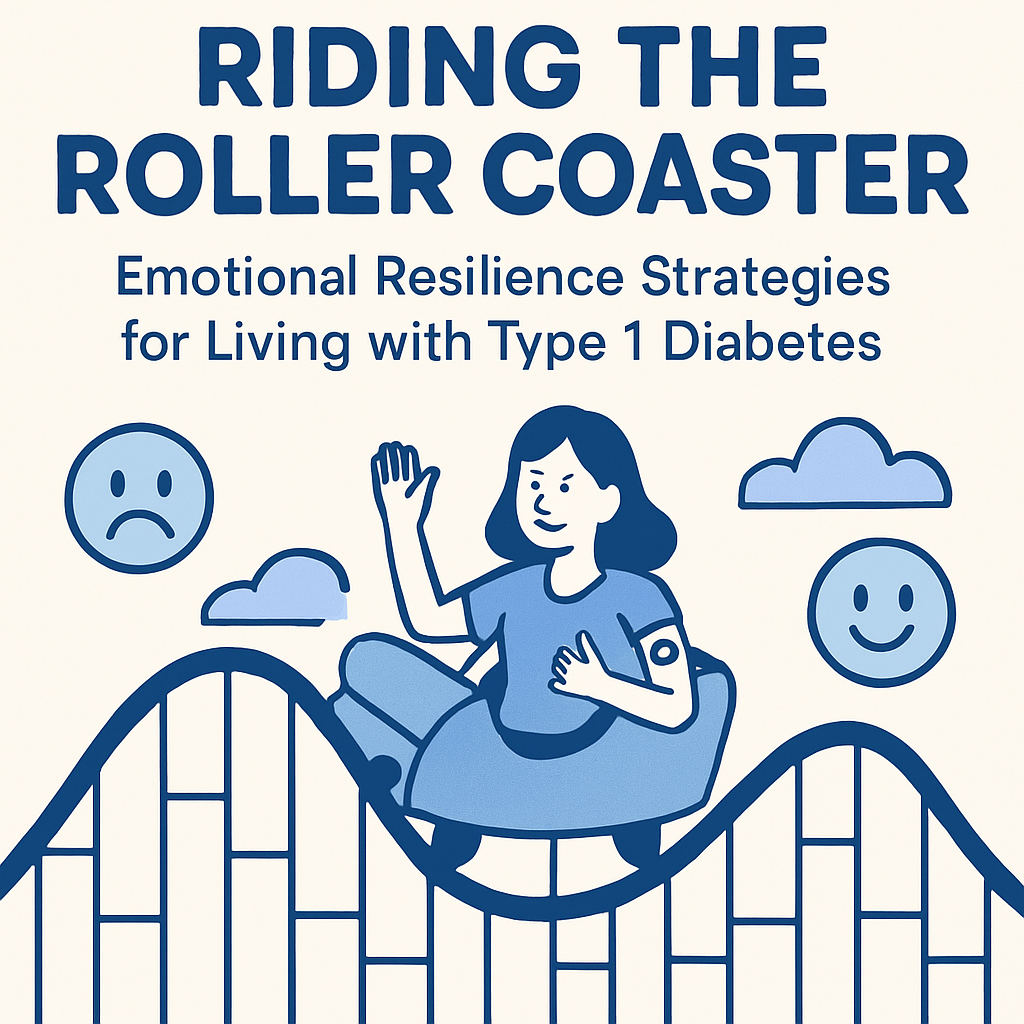
Living with type 1 diabetes can often feel like riding an emotional roller coaster. The daily demands of managing blood sugar levels, counting carbohydrates, and navigating insulin doses are just a few of the many challenges that can weigh heavily on an individual. This complex condition requires constant vigilance and adaptability, which can sometimes lead to feelings of stress, anxiety, or even burnout. However, cultivating emotional resilience can help individuals better navigate these ups and downs, leading to a more balanced and fulfilling life.
Emotional resilience is the ability to adapt to stressful situations and recover quickly from setbacks. For people with type 1 diabetes, this resilience can be a vital tool in handling the unpredictability of the condition. While the physical aspects of diabetes management are often emphasized, the emotional side is equally important. Everyone’s experience with diabetes is unique, and emotional resilience can vary greatly from person to person. Building this resilience involves developing strategies that can help manage stress and maintain a positive outlook despite the challenges faced.
It’s essential to acknowledge that feeling overwhelmed or frustrated is a normal part of living with type 1 diabetes. Accepting these emotions as valid can be the first step toward managing them more effectively. Emphasizing self-compassion and understanding that it’s okay to seek support can be extremely beneficial. This might involve talking to a mental health professional, connecting with a support group, or simply reaching out to friends and family who can offer encouragement and understanding.
Developing emotional resilience doesn’t mean ignoring the difficulties or pretending that everything is fine. Instead, it involves recognizing the challenges and finding ways to cope with them constructively. Techniques such as mindfulness, relaxation exercises, and positive self-talk may help in managing stress. It’s important to remember that what works for one person may not work for another, so it can be beneficial to explore different approaches and find what feels most supportive. Always consult with your healthcare provider for personalized advice tailored to your specific situation.
By focusing on emotional well-being as part of diabetes management, individuals may find a greater sense of control and balance in their lives. While there is no one-size-fits-all solution, building emotional resilience can be an empowering journey that helps navigate the roller coaster of living with type 1 diabetes. Remember, you’re not alone in this journey, and reaching out for support is a strength, not a weakness.
2. Medical Overview
Type 1 diabetes is a chronic condition characterized by the body’s inability to produce insulin, a hormone essential for regulating blood sugar levels. This form of diabetes is typically diagnosed in children, adolescents, and young adults, although it can develop at any age. Unlike type 2 diabetes, which is often associated with lifestyle factors, type 1 diabetes is an autoimmune disorder. In this condition, the immune system mistakenly attacks and destroys the insulin-producing beta cells in the pancreas. The exact cause of this autoimmune response remains unclear, but it involves a combination of genetic predisposition and environmental triggers.
Managing type 1 diabetes requires a careful and consistent approach to maintain blood sugar levels within a target range. This often involves a combination of strategies, including regular monitoring of blood glucose levels, administering insulin through injections or an insulin pump, and making mindful dietary choices. Physical activity also plays a crucial role in maintaining overall health and can help in managing blood sugar levels, although it requires careful planning to balance insulin doses and carbohydrate intake. It’s important to note that management plans are highly individualized; what works well for one person might not be suitable for another. Therefore, working closely with a healthcare team is essential to tailor a management plan that fits one’s lifestyle and medical needs.
Living with type 1 diabetes means being vigilant about the potential complications that can arise, such as hypoglycemia (low blood sugar) and hyperglycemia (high blood sugar). Hypoglycemia can occur if insulin or physical activity reduces blood sugar levels too much, and it requires immediate treatment, usually with fast-acting carbohydrates. Hyperglycemia, on the other hand, can result from insufficient insulin or other factors and may need adjustments in insulin delivery. Both conditions, if not addressed promptly, can lead to more serious health issues. It’s crucial to have a plan in place for managing these situations and to consult healthcare providers regularly to adjust the management plan as needed.
Understanding the medical aspects of type 1 diabetes is fundamental in building emotional resilience. A clearer grasp of the condition enables individuals to anticipate challenges and make informed decisions, thereby reducing anxiety and stress. This knowledge empowers individuals to engage in proactive management, fostering a sense of control over their health. However, it’s important to remember that every individual’s experience with type 1 diabetes is unique, and ongoing communication with healthcare professionals is vital to navigate the complexities of this condition safely and effectively.
3. Practical Guidance
Living with type 1 diabetes can often feel like an emotional roller coaster, with the ups and downs of blood glucose levels impacting your mood and well-being. Building emotional resilience is key to managing these challenges effectively. One practical strategy is to establish a consistent routine. Creating a daily schedule that includes regular meal times, exercise, and sleep can provide a sense of stability and predictability, which may help in managing emotional swings. Consistency in your routine can also aid in better blood sugar management, which, in turn, can positively influence your mood.
Mindfulness and stress reduction techniques, such as yoga, meditation, or deep-breathing exercises, can be beneficial. These practices encourage a focus on the present moment and can reduce stress, which is known to affect blood sugar levels. Setting aside time each day for these activities can create a calming space in your routine, offering a break from the demands of managing diabetes. Remember, these techniques are not a one-size-fits-all solution, and what works for one person may not work for another. It may be helpful to experiment with different methods to find what resonates most with you.
Building a support network is another vital aspect of practical emotional resilience. Connecting with others who have type 1 diabetes, whether through support groups or online communities, can provide a sense of camaraderie and understanding. Sharing experiences and learning from others can offer both emotional support and practical tips for managing daily challenges. Additionally, involving family and friends in your diabetes journey can foster a supportive environment where you don’t feel alone in managing your condition.
It is also crucial to recognize and address feelings of frustration or burnout. Acknowledging these emotions without judgment can be empowering. If you find these feelings overwhelming, consider speaking with a mental health professional who has experience with chronic health conditions. They can provide strategies tailored to your individual needs and help you develop more effective coping mechanisms. As always, consult your healthcare provider when making any significant changes to your diabetes management plan, as they can offer personalized advice and ensure that any new strategies align with your overall health goals.
4. Practical Tips
Living with type 1 diabetes can feel like riding an emotional roller coaster, but developing practical strategies can help you build resilience and manage the ups and downs more effectively. One useful approach is to establish a consistent routine. Having a daily schedule for meals, physical activity, and blood sugar monitoring can provide a sense of stability amid the unpredictability of diabetes. For instance, setting a specific time each day for checking your blood sugar can help you feel more in control and less stressed about potential fluctuations. While routines are beneficial, it’s also important to remain flexible and adapt to unexpected changes, always consulting with your healthcare provider for personalized guidance.
Another practical tip is to create a support network that you can rely on during challenging times. This network can include family, friends, healthcare professionals, and even online communities. Having people who understand your journey can provide emotional support and practical advice. For example, consider joining a local or online support group where you can share experiences and learn from others who face similar challenges. Remember, discussing your feelings and experiences with those who truly understand can significantly boost your emotional resilience.
Mindfulness and stress-reduction techniques can also play a crucial role in managing the emotional aspects of type 1 diabetes. Engaging in activities like meditation, deep breathing exercises, or yoga may help reduce stress and improve overall well-being. For example, setting aside a few minutes each day for deep breathing exercises can help you center yourself and manage stress more effectively. It’s important to experiment with different techniques to find what works best for you, and if needed, seek guidance from a healthcare professional or counselor experienced in diabetes management.
Lastly, consider setting realistic, achievable goals to help maintain motivation and a positive outlook. Goals could range from learning a new recipe that fits your dietary needs to gradually increasing physical activity. Achieving these goals, no matter how small, can provide a sense of accomplishment and motivation to keep moving forward. Always ensure that any new goals are discussed with your healthcare provider to ensure they align with your overall diabetes management plan.
5. Expert Opinions
Managing type 1 diabetes goes beyond the physical aspects of monitoring blood sugar levels and administering insulin. Emotional resilience is a critical component of living well with the condition, and experts in the field of diabetes care emphasize the importance of mental and emotional health. Clinicians generally recommend a holistic approach that encompasses both medical management and emotional support. This can mean seeking mental health counseling, participating in support groups, or engaging in stress-reduction activities like mindfulness and meditation.
Healthcare professionals often highlight the value of building a supportive network. Connecting with others who understand the daily challenges of type 1 diabetes can provide a sense of community and shared experience. Peer support, whether in person or online, may offer practical tips and emotional encouragement that can be invaluable for building resilience.
Experts also advise cultivating a mindset that embraces self-compassion and patience. Living with type 1 diabetes can be unpredictable, and there are times when blood sugar levels may not respond as expected despite one’s best efforts. Being kind to oneself and recognizing that perfection is not the goal can relieve some of the emotional burden associated with managing the condition.
Additionally, healthcare providers often underscore the importance of education in fostering resilience. Understanding the condition and being informed about the latest management strategies can empower individuals, giving them a sense of control and confidence in their daily decisions. Education is not a one-time event but an ongoing process, and staying updated on new research and advancements can also be a source of hope and motivation.
Finally, while expert guidance provides a solid foundation, each individual’s experience with type 1 diabetes is unique. It’s essential for anyone living with the condition to consult their healthcare team when evaluating new strategies or making changes to their management plan. This personalized approach ensures that emotional resilience strategies are safe and effective within the context of one’s overall health and lifestyle.
6. Misconceptions
Living with type 1 diabetes often resembles a roller coaster, not just because of the fluctuating blood sugar levels, but also due to the emotional challenges it presents. One of the hurdles individuals face is navigating the numerous misconceptions surrounding the condition. Understanding and addressing these misconceptions is a key step in building emotional resilience and managing the condition effectively.
A common misunderstanding is the belief that type 1 diabetes is caused by lifestyle choices, such as poor diet or lack of exercise. Unlike type 2 diabetes, type 1 diabetes is an autoimmune condition where the body’s immune system mistakenly attacks insulin-producing cells in the pancreas. This distinction is crucial because it underscores the fact that type 1 diabetes is not preventable, and those who have it should not be blamed for their condition. Educating friends and family about this difference can foster a more supportive environment.
Another prevalent myth is that individuals with type 1 diabetes can’t enjoy sweets or must follow a severely restricted diet. While it’s true that managing carbohydrate intake is important, people with type 1 diabetes can enjoy a wide variety of foods, including sweets, with proper planning and insulin management. This misconception can lead to unnecessary feelings of deprivation or exclusion. It’s important to focus on balanced meals and consult with healthcare providers or nutritionists for personalized dietary advice.
There is also a misconception that insulin therapy is a straightforward solution that eliminates all challenges of living with type 1 diabetes. In reality, insulin management is complex and requires constant attention and adjustment. Factors such as stress, illness, and physical activity levels can all impact blood sugar levels, making it essential for individuals to monitor their condition closely and adapt as needed. It’s important to understand that while insulin is a critical tool, managing type 1 diabetes is a dynamic process that requires ongoing effort and support.
Finally, the emotional burden of type 1 diabetes is often underestimated. The persistent vigilance required to manage the condition can lead to stress, anxiety, and even burnout. Recognizing these emotional challenges and seeking support from healthcare professionals, support groups, or mental health counselors can be beneficial. It’s crucial to remember that acknowledging the emotional aspect of diabetes is not a sign of weakness, but rather a proactive approach to comprehensive health management.
By dispelling these misconceptions, individuals with type 1 diabetes can help create a more informed and empathetic community. This understanding not only aids in reducing stigma but also promotes a supportive environment where individuals can openly share their experiences and strategies, thus enhancing emotional resilience. For personalized strategies and medical guidance, it’s always recommended to consult with healthcare professionals who can provide tailored advice based on individual needs and circumstances.
7. Summary
Living with type 1 diabetes can feel like riding an emotional roller coaster, with the highs and lows of blood sugar levels often mirrored in one’s emotional state. Developing emotional resilience is a crucial strategy for navigating this journey, offering a way to handle the daily challenges while maintaining mental well-being. Emotional resilience doesn’t mean avoiding stress or eliminating negative emotions; instead, it involves building the capacity to adapt and thrive despite adversity. Central to this resilience is the understanding that living with type 1 diabetes is a dynamic process, one that requires flexibility, self-compassion, and a supportive network.
One key aspect of fostering emotional resilience is establishing a solid support system. Engaging with others who understand the unique challenges of type 1 diabetes—whether through support groups, friends, or family—can provide comfort and practical advice. Sharing experiences with those who face similar issues can alleviate feelings of isolation and offer encouragement during tough times. Additionally, professional support from mental health practitioners or diabetes educators can be invaluable for developing coping strategies tailored to individual needs.
Mindfulness practices, such as meditation and deep breathing exercises, may also play a role in enhancing emotional resilience. By fostering a greater awareness of one’s thoughts and emotions, these practices can help individuals manage stress and maintain focus on the present moment, rather than becoming overwhelmed by worries about future complications or past challenges. Regular physical activity, when done safely, can further contribute to mental well-being, helping to stabilize mood and improve overall health.
It’s important to recognize that building emotional resilience is a personal journey, and what works for one person may not be effective for another. Experimenting with different techniques and being patient with oneself during this process can lead to more effective strategies over time. In all cases, individuals should consult with their healthcare providers to ensure that any new practices align with their overall health plan and to address specific medical concerns that may arise. By prioritizing emotional resilience, those living with type 1 diabetes can better manage the ups and downs of their condition, ultimately leading to a more balanced and fulfilling life.