1. Introduction
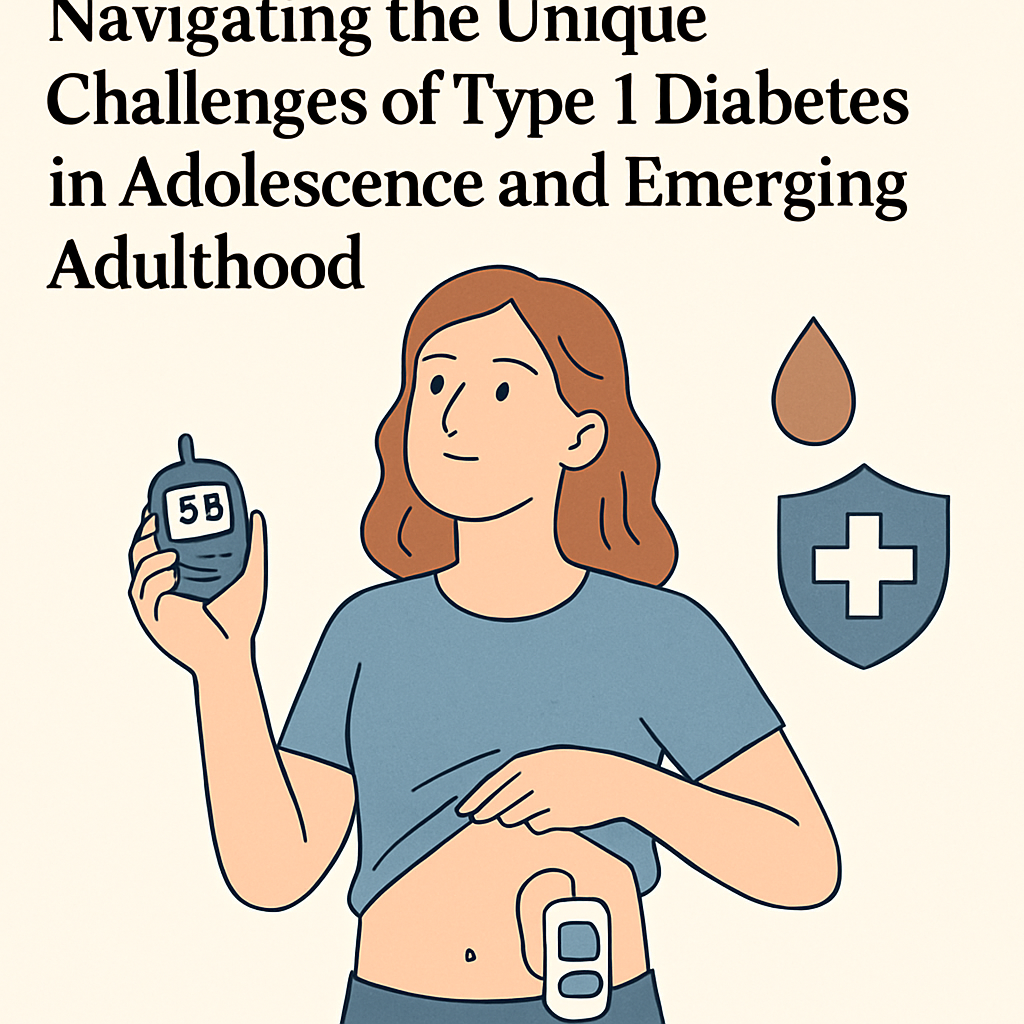
Navigating the challenges of adolescence and emerging adulthood can be a complex journey for anyone, but for those living with type 1 diabetes, it presents a unique set of obstacles and opportunities for growth. Type 1 diabetes is a chronic condition in which the pancreas produces little or no insulin, a hormone essential for allowing sugar (glucose) to enter cells to produce energy. Managing this condition requires continuous monitoring and thoughtful decision-making, which can be particularly demanding during these formative years. Adolescents and young adults with type 1 diabetes often find themselves balancing the responsibilities of self-care with the natural desire for independence and social integration.
During adolescence, the body’s development and the social environment both undergo significant changes. Hormonal shifts can affect blood sugar levels, requiring adjustments in diabetes management strategies. At the same time, young people are navigating new social dynamics, academic pressures, and potentially even moving away from home for the first time. These transitions can make managing diabetes feel overwhelming at times. However, with the right support and resources, young people can develop the skills and resilience needed to handle their condition effectively.
Emerging adulthood, typically spanning the ages of 18 to 25, is another pivotal period of life. It’s a time when individuals often take on new responsibilities, such as higher education, careers, or relationships, while still managing the demands of their health. This stage offers an opportunity to establish lasting habits and routines that can positively influence one’s health trajectory. As emerging adults become more autonomous in managing their diabetes, they are encouraged to build a network of support that might include healthcare professionals, family, and peers who understand their experiences.
While the journey of managing type 1 diabetes through adolescence and emerging adulthood can be challenging, it is also a chance to cultivate resilience and self-efficacy. Learning to navigate these challenges can empower young individuals to lead fulfilling lives. If you or a loved one is managing type 1 diabetes, it’s important to maintain regular communication with healthcare providers to ensure personalized care strategies are in place. Remember, each individual’s experience with diabetes is unique, and what works for one person may not be suitable for another. With the right support, young people with type 1 diabetes can thrive, embracing both the challenges and opportunities that come their way.
2. Medical Overview
Type 1 diabetes is a chronic condition characterized by the immune system’s attack on the insulin-producing beta cells of the pancreas. This autoimmune reaction results in little to no insulin production, a hormone vital for regulating blood glucose levels. Without insulin, glucose accumulates in the bloodstream, leading to hyperglycemia, which can cause various complications if not managed properly. While the onset of type 1 diabetes can occur at any age, it is most commonly diagnosed in childhood or adolescence, making it a critical focus for young individuals and their caregivers.
Managing type 1 diabetes involves a multifaceted approach that includes regular monitoring of blood glucose levels, insulin therapy, a balanced diet, and physical activity. Insulin therapy is tailored to the individual’s needs, typically involving multiple daily injections or the use of an insulin pump. The goal is to mimic the body’s natural insulin response to keep blood glucose levels within a target range. However, achieving this balance can be particularly challenging during adolescence and emerging adulthood due to hormonal changes, lifestyle variations, and the quest for independence.
The adolescent years bring unique challenges in diabetes management. Hormonal fluctuations during puberty can cause insulin resistance, requiring adjustments in insulin therapy. Additionally, the desire for autonomy can lead some adolescents to experiment with relaxed dietary choices or skip insulin doses, increasing the risk of both acute and long-term complications. It is crucial for young individuals and their families to work closely with healthcare providers to develop a management plan that accommodates these changes and encourages adherence.
Emerging adulthood, typically defined as the late teens through the twenties, presents its own set of hurdles. This period often involves significant life transitions, such as moving away for college or starting a career, which can disrupt established routines. Stress, irregular schedules, and new social environments may all impact diabetes management. It is important for emerging adults to have access to a supportive healthcare team to navigate these transitions effectively and to address any concerns that arise.
While the challenges of managing type 1 diabetes during adolescence and emerging adulthood are significant, they are not insurmountable. With the right support systems and educational resources, young people can learn to manage their condition effectively, reducing the risk of complications and empowering them to pursue their goals. It is always advisable for individuals with type 1 diabetes to maintain regular communication with their healthcare team to tailor their management strategies to their evolving needs.
3. Practical Guidance
Managing type 1 diabetes during adolescence and emerging adulthood can be challenging, but with practical strategies, it’s possible to navigate these years with resilience and confidence. One key aspect is establishing a consistent routine for monitoring blood glucose levels. Regularly checking these levels can help identify patterns and make it easier to keep them within your target range. It’s helpful to incorporate this into daily activities, such as checking levels before meals and after exercising. This routine not only aids in physical health management but also fosters a sense of control and predictability in daily life.
Nutrition plays a crucial role in managing type 1 diabetes. Understanding how different foods affect blood sugar levels can empower individuals to make informed dietary choices. Balancing carbohydrates with proteins and healthy fats can help stabilize blood sugar levels. It may be beneficial to work with a dietitian to develop a personalized meal plan that suits individual needs and lifestyle. Remember that nutritional needs can vary greatly, so consulting with healthcare professionals ensures that dietary choices support overall well-being.
Physical activity is another important component of managing type 1 diabetes. Regular exercise can help improve insulin sensitivity and overall health. However, it is essential to monitor blood glucose levels before, during, and after physical activity to prevent hypoglycemia. Carrying a fast-acting source of glucose, like glucose tablets or juice, is advisable to address any unexpected drops in blood sugar. Each individual’s response to exercise can differ, so it’s wise to discuss appropriate activities and strategies with a healthcare provider.
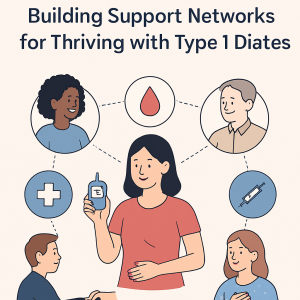
Building a strong support network is vital as well. Open communication with family, friends, and healthcare providers can provide emotional support and practical assistance. Educating those close to you about type 1 diabetes can help them understand the condition better and offer meaningful support in daily management. Additionally, connecting with others who have type 1 diabetes, either through local support groups or online communities, can provide valuable insights and encouragement.
Finally, navigating the transition to greater independence in healthcare management is crucial. Adolescents and young adults should gradually take on more responsibility for their diabetes care, such as scheduling appointments and understanding their treatment plans. This transition should be supported by parents and healthcare providers, who can provide guidance and reassurance. As each person’s journey with type 1 diabetes is unique, it’s important to maintain regular consultations with healthcare professionals to tailor these strategies to individual needs and circumstances.
4. Practical Tips
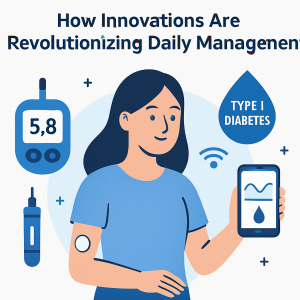
Adolescence and emerging adulthood are times of significant change and growth, which can pose unique challenges for those managing type 1 diabetes. Developing a few practical habits can help make this transition smoother and more manageable. One effective strategy is to establish a consistent routine for monitoring blood glucose levels. This can be particularly useful for adolescents whose schedules are often unpredictable with school, extracurricular activities, and social events. For example, setting reminders on a smartphone or wearing a continuous glucose monitor can provide timely alerts and help maintain regular check-ins throughout the day. This consistency aids in identifying patterns and making informed decisions about food intake and insulin adjustments.
Building a supportive network can also play a crucial role in managing type 1 diabetes during these formative years. Encouraging open communication with family members, friends, and healthcare providers ensures that the individual has a reliable support system to turn to when challenges arise. For instance, involving friends in understanding what diabetes management entails can be empowering. A friend who knows the signs of hypoglycemia can offer help when needed, whether that’s grabbing a juice box during a sudden drop in blood sugar or providing companionship during a stressful doctor’s appointment. This communal approach not only alleviates the burden but also fosters a sense of normalcy and acceptance.
Navigating dietary choices is another critical aspect where practical tips can make a difference. Adolescents often face peer pressure to eat certain foods or skip meals, which can complicate diabetes management. Developing a flexible meal plan that accommodates social events while maintaining blood sugar balance is essential. For example, if planning to attend a pizza party, one might decide to have a smaller, well-balanced meal beforehand and adjust insulin accordingly, after discussing with their healthcare provider. Learning to read nutrition labels and understanding carbohydrate content can empower young adults to make better choices independently. Consulting with a registered dietitian can also provide personalized strategies tailored to individual needs and preferences.
Ultimately, it’s important to remember that each individual’s experience with type 1 diabetes is unique, and what works for one person may not be as effective for another. Consistent communication with healthcare professionals is crucial to tailor these strategies to personal needs and challenges. By incorporating these practical tips into daily life, adolescents and emerging adults living with type 1 diabetes can improve their self-management skills and build resilience for the future.
5. Expert Opinions
When it comes to managing type 1 diabetes during adolescence and emerging adulthood, expert opinions often emphasize the importance of a comprehensive support system. Clinicians generally recommend that young individuals with type 1 diabetes work closely with a multidisciplinary team, including endocrinologists, dietitians, and mental health professionals, to navigate the complex challenges that arise during these transitional years. This period is often marked by fluctuating hormonal levels, increased independence, and lifestyle changes, all of which can impact blood glucose management.
Experts frequently point out that education is a key component in empowering young adults to take control of their diabetes. Tailored educational programs that focus on self-management skills, such as carbohydrate counting, insulin administration, and recognizing the signs of hypo- and hyperglycemia, can be particularly beneficial. Additionally, clinicians emphasize the importance of fostering open communication between young patients and their healthcare providers. This dialogue can help address any concerns and ensure that treatment plans are adjusted as needed to accommodate the evolving needs of the individual.
Another aspect experts highlight is the role of technology in diabetes management. Devices such as continuous glucose monitors (CGMs) and insulin pumps are often recommended as they may provide more consistent glucose control and offer real-time data that can help in making informed decisions. However, the choice to use these technologies should be personalized and discussed thoroughly with a healthcare provider to weigh the benefits and any potential challenges.
Emotional well-being is also a critical area of focus. The psychological burden of managing a chronic condition can be significant, and expert guidance often underscores the need for mental health support. This might include therapy or support groups to help young individuals cope with stress, anxiety, or depression that can accompany diabetes management. Encouragingly, many healthcare professionals advocate for holistic approaches that consider both physical and emotional health, promoting resilience and a balanced lifestyle.
Ultimately, while expert opinions provide valuable guidance, it is crucial for individuals and their families to maintain a collaborative relationship with their healthcare team. Personalized care plans should be regularly reviewed and adjusted to fit the unique circumstances of each individual. Consulting with one’s healthcare provider is essential to ensure that all aspects of diabetes management are safely and effectively addressed.
6. Misconceptions
Misconceptions about type 1 diabetes can create a challenging environment for adolescents and young adults navigating this condition. One common misconception is that type 1 diabetes is caused by lifestyle choices, such as poor diet or lack of exercise. In reality, type 1 diabetes is an autoimmune condition in which the body’s immune system mistakenly attacks insulin-producing cells in the pancreas. This means that no amount of healthy eating or exercise could have prevented it. Understanding this can help young individuals and their support networks approach the condition with empathy and accuracy, rather than blame or misinformation.
Another prevalent myth is that those with type 1 diabetes cannot lead active, fulfilling lives. While managing type 1 diabetes does require attention and care, with proper management, individuals can participate in sports, travel, and pursue any career they choose. It’s important to recognize that each person’s experience with diabetes is unique, and what works for one individual might not work for another. Therefore, consulting healthcare professionals to create a personalized management plan is crucial. This approach helps ensure that young people with type 1 diabetes can still achieve their dreams and ambitions.
Many people also mistakenly believe that using insulin is a sign of failure or that it is only necessary when the condition worsens. Insulin therapy is a critical component of managing type 1 diabetes from the outset, as the body no longer produces its own insulin. It is not a reflection of poor management or a worsening condition but a necessary treatment to maintain normal blood glucose levels. Open discussions with healthcare providers can demystify insulin use, allowing young people to embrace it as a tool for health rather than a burden.
A particularly concerning misconception is that low blood sugar (hypoglycemia) episodes are no cause for alarm and can be easily handled with a quick snack. While mild hypoglycemia can often be managed with fast-acting carbohydrates, it is important to take these episodes seriously, as severe hypoglycemia can lead to dangerous complications. Adolescents and young adults should be educated on recognizing symptoms and taking appropriate action, including communicating with their healthcare team about any concerns or persistent patterns. Always prioritize health and safety by addressing hypoglycemia promptly before resuming any activities.
Addressing these misconceptions is vital for empowering adolescents and young adults with type 1 diabetes, helping them to build resilience and confidence in managing their condition. By fostering an environment that is informed and supportive, we can help diminish the stigma and misinformation that often accompany this chronic illness. Encouraging open conversations with healthcare providers allows for a better understanding of type 1 diabetes, paving the way for a healthier, more empowered journey through adolescence and beyond.
7. Summary
Adolescence and emerging adulthood are times of significant change and self-discovery, which can pose unique challenges for individuals with type 1 diabetes. Managing blood sugar levels becomes more complex as teenagers and young adults navigate new social settings, increased independence, and evolving responsibilities. These years are pivotal for establishing habits that can influence lifelong health, and the emotional impact of balancing diabetes management with personal growth should not be underestimated. While this journey can be demanding, it also offers opportunities to cultivate resilience and self-efficacy, empowering young individuals to take charge of their health.
Understanding the unpredictability of blood glucose levels during this stage is crucial. Hormonal changes, growth spurts, and varying activity levels can all influence insulin needs. It is essential for young people and their families to work closely with healthcare providers to tailor management plans that accommodate these fluctuations. Open communication with a healthcare team can provide personalized strategies, ensuring that any adjustments in treatment are safe and effective. Additionally, this collaboration can be vital in addressing the psychological challenges that often accompany type 1 diabetes, such as stress and anxiety, which may impact blood sugar control.
Education plays a critical role in empowering young people with type 1 diabetes to navigate these challenges. By gaining a deeper understanding of their condition, they can make informed decisions about their health. Schools, community groups, and online resources can offer valuable support and education, helping individuals develop skills in self-management and problem-solving. Additionally, involving peers and family members in this educational process can foster a supportive environment, which is essential for maintaining motivation and adherence to management plans.
Social life and peer relationships are also significant aspects of adolescence and emerging adulthood. Young individuals with type 1 diabetes may face social pressures and misunderstandings about their condition. It is important to equip them with the tools and confidence to advocate for themselves in social situations, whether it involves explaining their condition to peers or making choices that prioritize their health. Encouraging open dialogue about diabetes with friends and classmates can demystify the condition and reduce feelings of isolation.
Ultimately, the transition to adulthood with type 1 diabetes is an ongoing journey that involves learning, adapting, and growing. While challenges are inevitable, the resilience developed during these formative years can lay a strong foundation for a healthy and fulfilling future. By embracing the support of healthcare professionals, family, and peers, young individuals can not only manage their diabetes effectively but also thrive in their personal and professional lives. As always, it is important to consult with healthcare providers for personalized guidance tailored to individual needs and circumstances.