1. Introduction
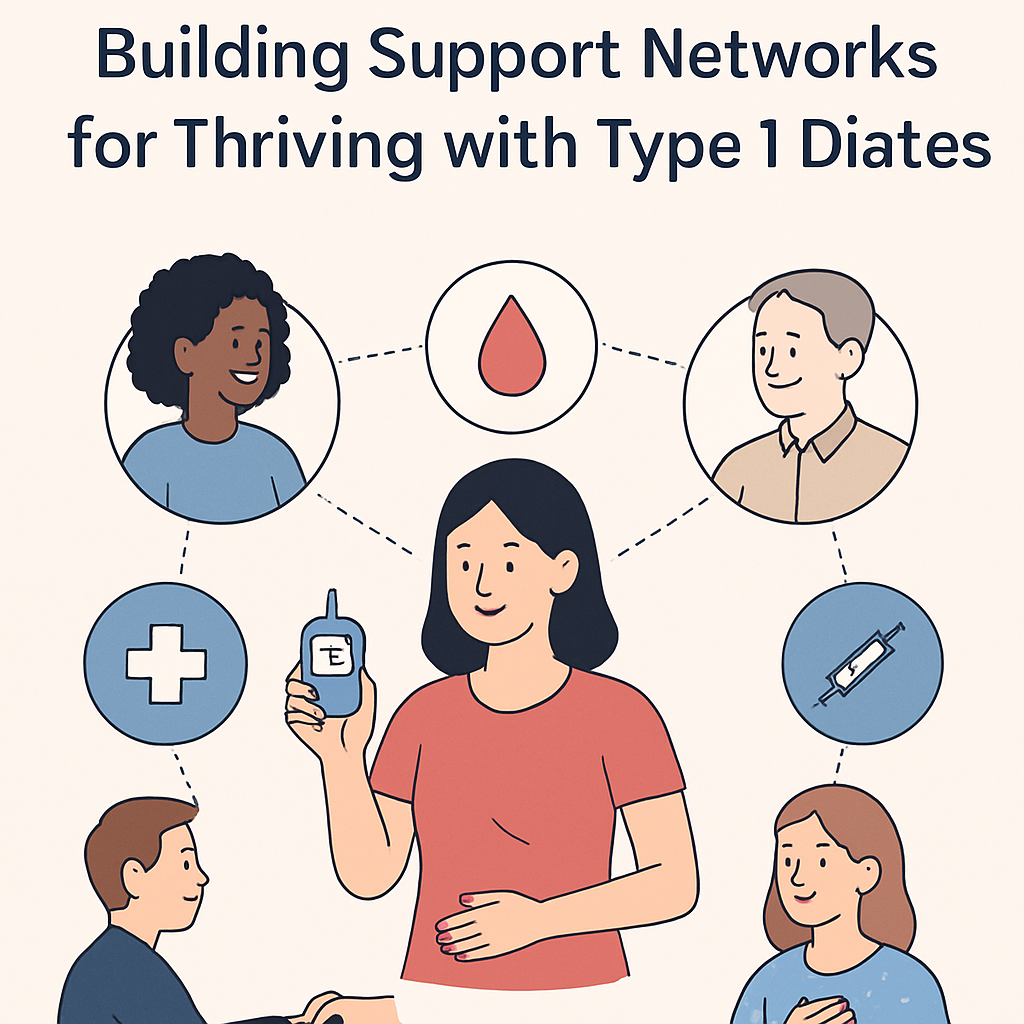
Living with Type 1 diabetes can be a complex and challenging journey, impacting not just the physical body but also emotional well-being and daily life routines. Understanding the importance of community and connection is crucial for those managing this lifelong condition. When you have Type 1 diabetes, the need for a supportive network is not just a nice-to-have; it can be an essential part of thriving. Support networks can provide emotional strength, practical advice, and a sense of belonging that can make all the difference. Whether it’s family, friends, healthcare providers, or fellow individuals with diabetes, these connections can offer a lifeline, helping to navigate the ups and downs that come with this condition.
Having a community means having people who understand the unique challenges you face, such as managing blood sugar levels, dealing with unexpected fluctuations, or handling the demands of daily insulin management. While healthcare professionals are an invaluable resource for medical guidance, connecting with others who are walking the same path can provide insights and experiences that formal education might not cover. Sharing tips, celebrating victories, and even discussing setbacks can foster resilience and motivation. It’s important to remember that while shared experiences can be beneficial, any specific medical changes or strategies should be discussed with your healthcare provider to ensure they are suitable for your unique situation.
Beyond the immediate circle of family and friends, online communities and local support groups offer additional opportunities to connect. These platforms can be particularly beneficial for those who may not have a large local network. Online forums and social media groups can provide a space to ask questions, learn from others, and feel less isolated. Local support groups often hold meetings and events that can create a sense of camaraderie and direct, personal interaction. Participation in these groups can contribute to a better quality of life by reducing feelings of loneliness and offering practical solutions to common challenges.
Ultimately, building and maintaining a support network can be an empowering part of managing Type 1 diabetes. It can help individuals feel more in control, reduce stress, and improve overall well-being. By fostering connections, you not only gain support but also have the opportunity to offer it, creating a reciprocal relationship that enriches everyone involved. Remember, managing diabetes is a team effort, and reaching out for support is an important step in ensuring that you or your loved ones not only manage but thrive with Type 1 diabetes.
2. Medical Overview
Type 1 diabetes is a chronic condition characterized by the body’s inability to produce insulin, a hormone essential for regulating blood sugar or glucose levels. This condition arises when the immune system mistakenly attacks and destroys the insulin-producing beta cells in the pancreas. Unlike type 2 diabetes, which is often linked to lifestyle factors, type 1 diabetes is generally considered to have a more significant genetic and autoimmune component. Because of its complex and individualized nature, managing type 1 diabetes requires a careful and coordinated approach, often involving multiple healthcare professionals, including endocrinologists, dietitians, and diabetes educators.
Managing type 1 diabetes effectively involves maintaining balanced blood glucose levels through a combination of insulin therapy, dietary considerations, and regular physical activity. Insulin can be administered through injections or an insulin pump, with the specific regimen tailored to each individual’s needs. It’s crucial for those with type 1 diabetes to regularly monitor their blood glucose levels to help prevent both hyperglycemia (high blood sugar) and hypoglycemia (low blood sugar). Understanding how different factors like food intake, exercise, stress, and illness affect blood sugar levels is key to managing the condition.
Hypoglycemia can occur when blood sugar levels drop too low, potentially leading to symptoms such as shakiness, confusion, irritability, or even loss of consciousness if not addressed promptly. It’s important for individuals with type 1 diabetes to recognize the signs of low blood sugar and take immediate steps to raise their levels, typically by consuming fast-acting carbohydrates. After treating hypoglycemia, it’s advisable to recheck blood sugar levels to ensure they have returned to a safe range before resuming normal activities. Conversely, hyperglycemia, if persistent, can lead to complications over time, so it is equally important to address high blood sugar levels under the guidance of a healthcare professional.
Living with type 1 diabetes also involves regular medical appointments to monitor long-term health and prevent potential complications. These may include regular screenings for eye, kidney, and nerve health, as well as cardiovascular wellness. While managing type 1 diabetes can be challenging, many people find that building a strong support system can offer emotional comfort and practical help. Connecting with others who understand the daily realities of life with type 1 diabetes can foster a sense of community and provide invaluable support. If you have type 1 diabetes, working closely with your healthcare team to develop a personalized management plan is essential, and it’s always wise to consult with healthcare providers regarding any adjustments to your care routine.
3. Practical Guidance
Building a supportive network for managing type 1 diabetes can play a crucial role in enhancing your quality of life. While healthcare professionals provide expert medical advice and treatment plans, the sense of community and shared experiences can offer practical day-to-day support. Engaging with others who understand the challenges of living with type 1 diabetes can help you navigate the emotional and logistical aspects of managing the condition. Here are some practical steps you can take to build a supportive network that suits your needs.
Start by reaching out to local or online support groups specifically for individuals with type 1 diabetes. These groups are often excellent sources of shared knowledge and experience. Participating in meetings or online discussions can provide valuable insights into how others manage their condition, from meal planning and exercise routines to dealing with unexpected challenges like illness or travel. Hearing from others who have faced similar situations can be reassuring and can offer practical tips that may be applicable to your daily life.
In addition to support groups, consider connecting with diabetes educators or counselors who specialize in chronic disease management. They can offer guidance and strategies tailored to your lifestyle and help you develop coping mechanisms for stress or anxiety related to diabetes management. If you’re unsure whom to contact, your healthcare provider can often recommend professionals in your area. Remember, having a reliable source of information and emotional support can significantly improve your ability to manage your condition.
Family and friends can also be an integral part of your support network. Educate them about type 1 diabetes, so they understand the basics of your daily routine, such as monitoring blood sugar levels and recognizing signs of hypoglycemia. This knowledge can empower them to offer practical help when needed, such as reminding you to carry your diabetes supplies or accompanying you to medical appointments. Open communication about your needs and boundaries is key to ensuring that their support is both meaningful and effective.
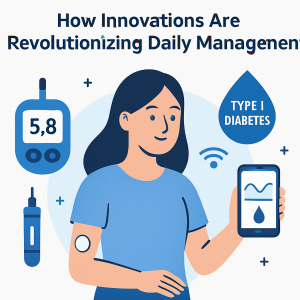
Technology provides another avenue for support, with various apps and devices designed to assist in diabetes management. While apps can’t replace professional medical advice, they can help you track your glucose levels, medication, diet, and exercise, making it easier to share this information with your healthcare team. Online forums and social media platforms also offer communities where you can discuss the latest technologies and share experiences with others who use similar tools.
Finally, remember that building a support network is a personal journey that may require time and experimentation to find the right balance. What works for one person may not work for another, so be open to trying different resources and approaches. Always consult with your healthcare provider when making significant changes to your diabetes management plan, as they can offer personalized guidance based on your specific needs and health status.
4. Practical Tips
Building a support network for thriving with type 1 diabetes can be incredibly beneficial, providing emotional comfort, practical advice, and inspiration. Here are some practical tips to help you cultivate a community that supports your journey.
First, consider joining local or online diabetes support groups. These groups can be a wonderful resource for connecting with others who understand the daily challenges of managing type 1 diabetes. Look for community centers, hospitals, or diabetes organizations that offer regular meet-ups. Online forums and social media groups are also valuable, offering a platform where you can share experiences, ask questions, and learn from others. Remember, while peer support is valuable, always verify health information with your healthcare provider.
Another practical tip is to engage with diabetes education programs or workshops. These programs often provide comprehensive information on managing type 1 diabetes and can help you stay informed about new treatments and technologies. Additionally, they offer a chance to meet healthcare professionals and fellow individuals managing diabetes, fostering a sense of community. If you’re interested, check with your local hospital or diabetes center about available programs.
Lastly, consider involving family and friends in your diabetes management. Educating those close to you about type 1 diabetes can help them understand your needs and be supportive, especially in emergency situations. You might invite them to accompany you to diabetes education sessions or share resources with them. Having a network of informed and supportive people can be reassuring and can help reduce feelings of isolation.
While these strategies can be helpful, it’s important to tailor your approach to what feels most comfortable and beneficial for you. Each individual’s experience with type 1 diabetes is unique, so it’s crucial to consult with your healthcare team to develop a personalized plan that aligns with your medical needs and lifestyle. Building a supportive community can be a powerful aspect of living well with type 1 diabetes, offering both emotional and practical benefits.
5. Expert Opinions
When it comes to managing type 1 diabetes, expert opinions consistently emphasize the importance of building a strong support network. Healthcare professionals and diabetes educators often point out that while medical management is crucial, having a community of support can significantly enhance both mental and emotional well-being. Connecting with others who have similar experiences can provide not only practical advice but also emotional encouragement, which is invaluable in managing a chronic condition like type 1 diabetes.
Clinicians generally recommend that individuals with type 1 diabetes engage with support groups, whether in person or online, as these platforms can offer a wealth of shared experiences and coping strategies. Many healthcare providers highlight that such communities can help individuals feel less isolated and more empowered to manage their condition. Support groups can provide a space for discussing common challenges, exchanging tips on managing daily routines, and celebrating achievements, big and small.
Moreover, healthcare professionals often suggest the involvement of family and friends in the diabetes management journey. Educating close ones about the condition can lead to a more understanding and supportive environment at home. This can be especially helpful during challenging times, such as managing blood sugar fluctuations or when facing diabetes-related burnout. Families who are informed and supportive can help reinforce positive habits and provide emotional support.
Experts also discuss the potential benefits of connecting with diabetes care teams beyond the clinic visits. Regular communication with healthcare providers can help patients stay on top of their management plans and make necessary adjustments in a timely manner. Some practitioners encourage patients to use technology, such as mobile apps or patient portals, to facilitate this ongoing dialogue, which can lead to more personalized and effective care strategies.
It’s important to acknowledge that while expert guidance is immensely valuable, individual needs can vary greatly. What works well for one person may not be as effective for another. Therefore, professionals often remind individuals to consult with their own healthcare providers to tailor any community or support approaches to their personal needs. This individualized approach ensures that the support network complements the medical management plan, ultimately helping patients to thrive with type 1 diabetes.
6. Misconceptions
Misconceptions about type 1 diabetes can create unnecessary barriers and stigma, making it even more challenging for those living with the condition to feel understood and supported. One common misunderstanding is the belief that type 1 diabetes is caused by lifestyle choices, such as diet or a lack of exercise. In reality, type 1 diabetes is an autoimmune condition where the body’s immune system mistakenly attacks and destroys insulin-producing cells in the pancreas. It is not preventable and requires careful management, usually involving insulin therapy, to maintain healthy blood glucose levels.
Another misconception is the assumption that individuals with type 1 diabetes cannot lead active and fulfilling lives. While managing diabetes does require attention and care, many people with type 1 diabetes thrive in demanding careers, participate in sports, and enjoy a wide range of activities. With modern advances in diabetes management tools and techniques, many individuals are able to effectively monitor and adjust their blood sugar levels, allowing them to pursue their passions and goals. It’s essential to recognize that each person’s experience with diabetes is unique, and what works for one individual may differ for another. Consulting with healthcare providers to devise personalized management plans is crucial.
There is also a tendency to confuse type 1 diabetes with type 2 diabetes, leading to further misunderstandings. While both conditions involve blood sugar regulation, their causes and treatment approaches differ significantly. Type 2 diabetes is often associated with insulin resistance and can be influenced by factors like obesity and inactivity, whereas type 1 diabetes is an autoimmune disorder. This distinction is important for fostering accurate awareness and support within communities.
Misconceptions can extend to emergency situations as well. For instance, hypoglycemia, or low blood sugar, can be a serious condition for those with type 1 diabetes, requiring immediate action. It’s vital for community members and peers to recognize the signs and know how to help, which can include offering quick sources of glucose and ensuring the individual is safe until their condition stabilizes. It’s important to note that when facing hypoglycemia or other sudden changes in symptoms, individuals should not resume their activities until they have adequately addressed their condition and confirmed they are stable. Always consult with a healthcare professional for guidance specific to your needs.
Building strong, informed support networks can help dispel these misconceptions and create an environment of empathy and understanding. When communities are educated about the realities of type 1 diabetes, they become better equipped to support those living with the condition, helping to reduce stigma and enhance the overall quality of life for everyone involved.
7. Summary
Living with type 1 diabetes is a journey that requires a strong support network, and building this network can significantly enhance one’s ability to manage the condition. A well-rounded community provides not only emotional support but also practical advice and shared experiences that can make day-to-day management more manageable. This community can be made up of family members, friends, healthcare providers, and even peers who share similar experiences. The importance of having people who understand the unique challenges of type 1 diabetes cannot be overstated. They offer empathy and validation, which can reduce feelings of isolation and stress.
In addition to emotional support, these networks can also serve as invaluable resources for practical knowledge. Engaging with others who have firsthand experience with type 1 diabetes can lead to the exchange of useful tips and strategies for managing blood sugar levels, understanding dietary impacts, and navigating the complexities of insulin management. Always remember, however, that while peer advice can be helpful, it is crucial to consult with healthcare professionals for medical guidance tailored to your specific needs.
Technology also plays a pivotal role in connecting individuals with type 1 diabetes to broader communities. Online forums, social media groups, and virtual meetups provide platforms for individuals to share experiences and advice, regardless of geographic location. These digital spaces offer the flexibility to engage with others at any time, making it easier for individuals to seek support when they need it most. Nonetheless, personal interaction should not be overlooked. In-person support groups and diabetes education classes can foster deeper connections and offer hands-on learning opportunities.
Ultimately, the goal of building a support network is to foster a sense of belonging and empowerment. When individuals feel supported, they are more likely to take proactive steps in managing their diabetes, which can contribute to better health outcomes. Everyone’s journey with type 1 diabetes is unique, and while some strategies may work better for some than others, the shared goal remains the same: to thrive despite the challenges. To ensure the most effective management plan, it’s essential to maintain open communication with healthcare providers. Together, individuals with type 1 diabetes and their support networks can create a community that uplifts and encourages, paving the way for a healthier, more connected life.