1. Introduction
Type 1 diabetes is a chronic condition that primarily manifests in childhood and adolescence, requiring ongoing attention to manage blood sugar levels. For teenagers navigating this condition, the journey can be particularly challenging, as they may face the unique pressures of adolescence alongside managing their health. In this context, emotional well-being becomes as crucial as physical health, as stress and mood swings can affect blood sugar control. Engaging in creative pursuits, such as music and dance, may offer a valuable outlet for self-expression and emotional release, potentially supporting the overall well-being of teens with type 1 diabetes.
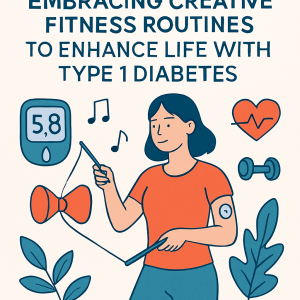
Music and dance are not merely forms of entertainment; they are powerful means of self-expression and communication. For teenagers dealing with the daily demands of type 1 diabetes, these art forms can provide a much-needed escape and a way to process complex emotions. The rhythmic movements of dance or the soothing melodies of music can help in alleviating stress, enhancing mood, and improving focus. While each individual’s experience with diabetes is unique, incorporating music and dance into daily life may offer emotional benefits that complement traditional diabetes management strategies.
It’s important to approach these activities with awareness and balance, especially considering the physical demands they might entail. For instance, dancing can be a physically intense activity that may influence blood sugar levels. Teens should be mindful of their body’s signals and take necessary precautions, such as monitoring blood glucose and having a plan to address potential hypoglycemia. Consulting with healthcare providers is advisable to tailor activities appropriately, ensuring they align with individual health needs while maximizing enjoyment and emotional relief.
Ultimately, exploring the arts can be a valuable component of a holistic approach to managing type 1 diabetes in teenagers. By integrating music and dance into their lives, teens may find not only a sense of joy and freedom but also a supportive community and a new way to connect with themselves. While these activities can enhance emotional well-being, they should be seen as a complementary part of an overall diabetes management plan, guided by professional medical advice and individual preferences.
2. Medical Overview
Type 1 diabetes is a chronic condition characterized by the body’s inability to produce insulin, a hormone crucial for regulating blood sugar levels. This autoimmune disease typically emerges in childhood or adolescence, although it can develop at any age. While the exact cause remains unknown, it is believed to result from a combination of genetic predispositions and environmental factors. Managing type 1 diabetes requires a comprehensive approach that usually involves regular monitoring of blood glucose levels, administering insulin, maintaining a balanced diet, and engaging in regular physical activity. Each individual’s management plan may differ and should be tailored by their healthcare provider to suit their specific needs.
Adolescents living with type 1 diabetes face unique challenges, as they navigate both the complexities of their condition and the developmental changes of their teenage years. This period can be particularly demanding, as hormonal changes can affect blood sugar levels, and the desire for independence can sometimes conflict with the need for consistent diabetes management. Emotional well-being plays a vital role in how young people cope with these challenges, and it is influenced by various factors, including social support, self-esteem, and stress management. Therefore, incorporating activities that promote emotional health, such as music and dance, can be beneficial.
Music and dance offer creative outlets for self-expression and emotional release, which can positively impact mood and stress levels. These activities can help teens with type 1 diabetes to manage their emotional health by providing a break from the pressures of daily diabetes management. Engaging in music and dance can be particularly rewarding, as they encourage physical movement, which may contribute to better blood sugar control when done safely and with proper planning. However, it’s crucial for teens to monitor their blood sugar levels before and after participating in these activities to ensure they remain within a safe range. If any symptoms of low or high blood sugar occur, appropriate steps should be taken to address them before continuing.
While music and dance can enhance emotional well-being, it’s important for teens with type 1 diabetes and their families to work closely with their healthcare team to integrate these activities into their overall diabetes management plan. Healthcare providers can offer guidance on how to balance these activities with the demands of diabetes care, ensuring that both physical and emotional health needs are met. By fostering an environment where teens feel supported in exploring their interests safely, they can enjoy the benefits of these creative pursuits while effectively managing their condition. Always consult with a healthcare professional before making any significant changes to a diabetes management routine.
3. Practical Guidance
Engaging in music and dance can be a wonderful way for teens with type 1 diabetes to enhance their emotional well-being. However, integrating these activities into daily life requires thoughtful planning and consideration of diabetes management. Here are some practical tips to help make the experience enjoyable and safe.
First and foremost, it’s important to monitor blood sugar levels before, during, and after engaging in music or dance activities. Physical activities like dancing can affect glucose levels, often lowering them due to increased energy expenditure. Teens should ensure their blood sugar is within a safe range before starting to avoid the risk of hypoglycemia. Having a small snack on hand and knowing the signs of low blood sugar can help manage any unexpected drops. In case of low blood sugar, it’s crucial to stop the activity, treat the condition promptly, and only resume once levels are stable.
Hydration is another key factor to consider. Both music and dance can be physically demanding, and staying hydrated is essential. Encourage teens to drink water regularly and adjust their fluid intake based on the intensity of the activity. If participating in a dance class or music session that lasts for an extended period, remind them to take breaks to hydrate and check their blood sugar as needed.
For those who play instruments, handling gear and equipment is an important consideration. Teens should be mindful of the physical demands that playing certain instruments might impose and how this could impact their diabetes management. For instance, prolonged sessions of playing the drums or a wind instrument could require additional snacks or breaks. It’s beneficial to experiment with different strategies to find what works best for the individual, always keeping in mind the importance of maintaining optimal blood sugar levels.
It’s also helpful to communicate with instructors or group leaders about diabetes management needs. While privacy is important, informing those in charge can ensure that they are supportive and aware of any necessary accommodations. This might include allowing extra breaks or understanding the need to consume snacks during sessions. Open communication can foster a supportive environment that prioritizes health and well-being.
Finally, it’s essential for teens to listen to their bodies and recognize when they need to adjust their activity level. If they feel unwell or notice any unusual symptoms, they should take a step back and assess their condition. Consulting their healthcare provider for personalized advice on how to safely incorporate physical activities like music and dance into their routine can provide additional support and guidance. By taking these considerations into account, teens with type 1 diabetes can safely enjoy the emotional and physical benefits that music and dance have to offer.
4. Practical Tips
For teens with Type 1 diabetes, engaging in music and dance can be a fulfilling way to enhance emotional well-being. These activities not only offer creative outlets but also provide opportunities for stress relief and social connection. Here are some practical tips for incorporating music and dance into a healthy lifestyle while managing diabetes.
First, consider setting up a regular schedule for music practice or dance rehearsals. Consistency can help in maintaining a balanced lifestyle, which is crucial for managing Type 1 diabetes. For instance, joining a school band or a community dance class can offer a structured environment where teens can focus on their craft while also keeping track of their health needs. Being part of a group can foster a sense of belonging, which is important for emotional well-being.
Another practical tip is to use music and dance as a tool for managing stress. Teens might create a playlist of their favorite calming songs to listen to during difficult times, such as before exams or after a challenging day. Similarly, dance can be a great way to burn off stress; practicing a favorite dance routine at home or engaging in free-form dancing can serve as a physical release. It’s essential, however, for teens to monitor their blood sugar levels before and after such activities, as physical exertion can influence glucose levels. Consulting with their healthcare provider can ensure they are managing their condition effectively while enjoying these activities.
Finally, participating in music or dance performances can build confidence and provide a sense of achievement. Preparing for a recital or concert requires discipline and dedication, which can translate into better self-management of diabetes. For example, a teen might work on a solo music piece or a dance performance, using the process to develop a routine that includes regular blood sugar checks and meal planning. This not only helps in honing their artistic skills but also in creating a personal health management plan that works for them. It’s always advisable to discuss any new activities with a healthcare provider to tailor diabetes management strategies accordingly.
While these activities can offer numerous benefits, it’s important for teens and their families to be aware of the individual needs and limitations that come with managing Type 1 diabetes. By consulting their healthcare provider, they can find the right balance between pursuing artistic passions and maintaining their health.
5. Expert Opinions
Experts in the field of diabetes management often emphasize the importance of incorporating enjoyable activities, like music and dance, into the lives of teens with type 1 diabetes. Clinicians generally recommend these activities as part of a holistic approach to enhance emotional well-being and mental health. Music and dance are not just forms of art and expression; they can also serve as effective tools for stress management and emotional regulation. Engaging in these activities may help teens build resilience against the daily challenges of managing diabetes, which can include routine blood sugar monitoring and insulin administration.
Healthcare providers often point out that music and dance can play a vital role in reducing anxiety and depression, which are common among teens dealing with chronic conditions like type 1 diabetes. Through rhythm, movement, and creative expression, these activities provide a constructive outlet for emotions, potentially leading to improved mood and a more positive outlook on life. Experts suggest that when teens participate in group settings, such as dance classes or music ensembles, they also gain social benefits, fostering a sense of community and belonging that can contribute to their overall emotional health.
While music and dance offer numerous potential benefits, it’s important to remember that each individual’s experience with type 1 diabetes is unique. Healthcare professionals often advise that any new activity, especially those that may affect blood sugar levels, should be approached with caution and after consulting with a healthcare provider. For instance, physical activities, such as dance, can affect insulin needs and blood sugar levels, making it crucial for teens to monitor their glucose levels closely before, during, and after participation. Should any signs of hypoglycemia or other concerning symptoms arise, it’s essential to pause and take appropriate measures to ensure safety, rather than continuing the activity.
Experts also highlight the importance of personalized care when integrating arts into diabetes management. What works well for one teen might not be as effective for another, due to varying personal interests and medical needs. Therefore, tailoring these activities to fit individual preferences and health considerations is key. Encouraging teens to explore different forms of music and dance can help them discover which activities resonate most with them, enhancing their emotional well-being while managing their condition. As always, maintaining open communication with healthcare providers ensures that these activities are safely integrated into an overall diabetes management plan.
6. Misconceptions
When it comes to teens with type 1 diabetes engaging in activities like music and dance, several misconceptions can cloud our understanding of their capabilities and the potential benefits. One common myth is that individuals with type 1 diabetes should avoid rigorous physical activities due to concerns about blood sugar management. While it’s true that physical activity can impact blood glucose levels, it doesn’t mean teens should shy away from the arts. In fact, with proper planning and monitoring, music and dance can be safely enjoyed and may even contribute positively to their emotional and physical well-being. It’s important, however, for individuals to work closely with their healthcare providers to tailor activity plans that suit their unique needs.
Another misconception is that type 1 diabetes automatically limits a teenager’s ability to excel in artistic pursuits. This belief overlooks the adaptability and resilience often seen in young people managing this condition. Many teens with type 1 diabetes successfully participate in music and dance, using these art forms as powerful outlets for self-expression and stress relief. Encouraging teens to explore these interests can foster a sense of achievement and boost their confidence. Moreover, engaging in such activities may help in developing a supportive community, which can be invaluable for emotional support.
Some people also mistakenly assume that managing type 1 diabetes is solely about diet and insulin, neglecting the psychological and emotional aspects. This narrow view can underestimate the role of music and dance in enhancing emotional well-being. These activities offer more than just physical benefits; they provide a space for creativity and emotional expression, which are crucial for mental health. Teens navigating the challenges of diabetes might find solace and joy in the arts, helping them to cope with the daily stresses of managing their condition.
Finally, there’s the notion that participating in music and dance requires a significant time commitment that could interfere with diabetes management. While time management is indeed a factor to consider, it can be balanced with careful planning and prioritization. Teens can learn to manage their schedules effectively, ensuring that they have time for both their health needs and their artistic passions. Importantly, any teen or parent concerned about how to balance these activities with diabetes management should consult with their healthcare team to develop a strategy that fits their individual lifestyle and needs.
7. Summary
In summary, engaging in activities such as music and dance can be a valuable addition to the lifestyle of teenagers living with type 1 diabetes, offering potential benefits for emotional well-being and overall quality of life. These artistic outlets provide a medium for self-expression and creativity, which can help teens cope with the everyday challenges of managing their condition. Music and dance might serve as powerful tools to alleviate stress, reduce feelings of isolation, and enhance mood through the release of endorphins, contributing to a more positive outlook on life. The rhythmic and structured nature of these activities can also promote focus and discipline, which are beneficial traits when it comes to adhering to diabetes management routines.
Participating in music and dance can foster a sense of community, which is particularly important for teens who might feel different due to their condition. Being part of a group or ensemble, whether in a dance class or a school band, can provide supportive social networks that encourage teens to share experiences and strategies for managing diabetes in a safe and understanding environment. These activities also encourage physical movement, which is an essential component of maintaining good overall health and can assist in regulating blood sugar levels. However, it is crucial for teens to monitor their blood glucose levels and have necessary treatments available to address any hypoglycemia or other urgent symptoms that may arise during or after physical activities.
While music and dance offer exciting opportunities for enhancing emotional well-being, it is important to remember that each individual’s response to these activities can vary. Teens and their families should consider these activities as part of a balanced approach to diabetes management, one that includes regular consultations with healthcare providers. This ensures that any new activity is integrated safely and effectively into their overall care plan. Ultimately, exploring the arts can open up new avenues for personal growth, resilience, and joy, helping teens with type 1 diabetes lead fulfilling and enriched lives.