1. Introduction
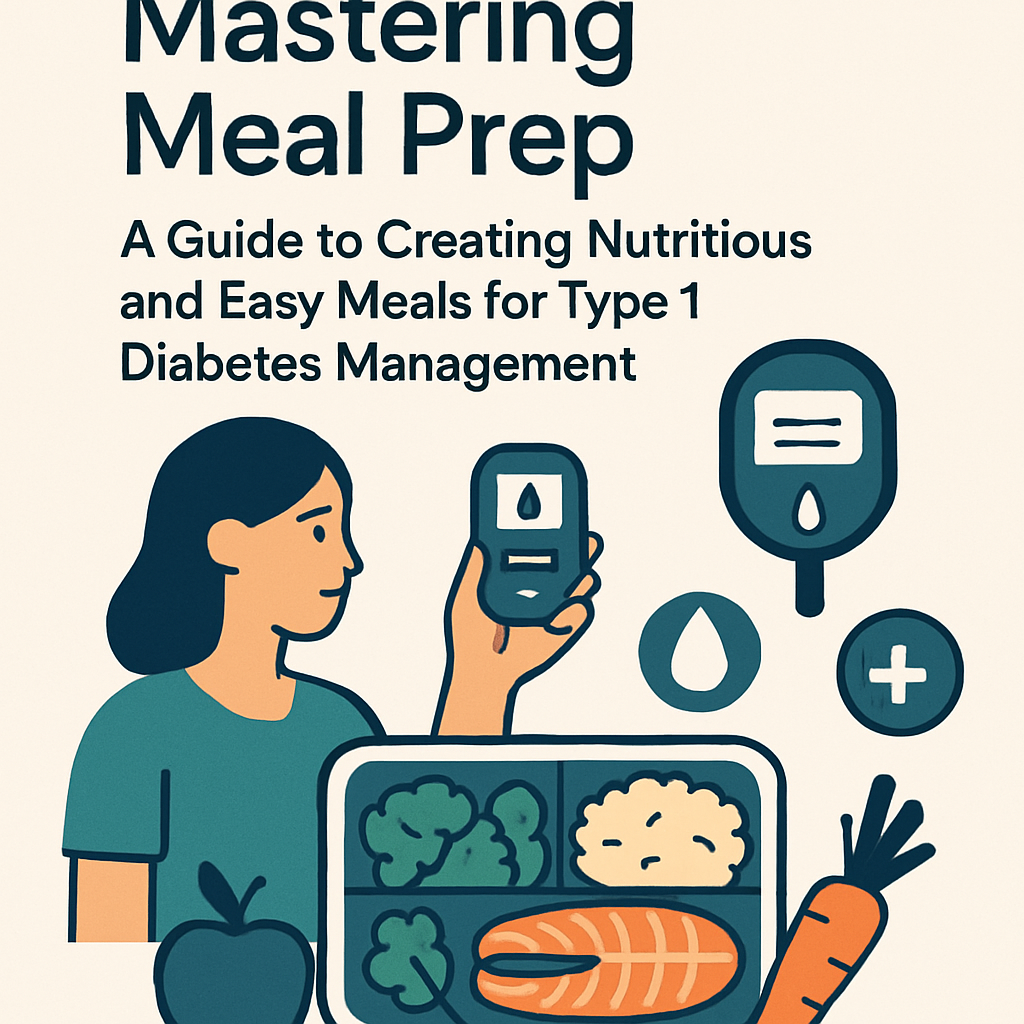
Living with type 1 diabetes doesn’t mean you have to compromise on enjoying a variety of delicious and nutritious meals. However, it does require thoughtful planning and consideration, especially when it comes to meal preparation. Balancing carbohydrates, proteins, and fats while keeping an eye on blood glucose levels can initially seem daunting, but mastering the art of meal prep can simplify your daily routine and help you maintain better control over your diabetes management. Whether you’re newly diagnosed or have been managing type 1 diabetes for years, creating a meal plan that aligns with your lifestyle can make a significant difference in your overall well-being.
The key to successful meal prep is understanding how different foods affect your blood sugar levels and learning to plan meals that support stable glucose levels throughout the day. For individuals with type 1 diabetes, the insulin regimen and carbohydrate counting are essential components of daily life. While this might feel overwhelming at first, gaining a deeper understanding of your body’s unique responses to various foods can empower you to make informed dietary choices. By taking the time to plan your meals ahead, you can reduce stress, save time on busy days, and ensure you’re nourishing your body adequately.
Meal prep doesn’t have to be a chore—think of it as an opportunity to get creative in the kitchen while focusing on your health goals. With a little practice, you can develop a repertoire of go-to recipes that are not only diabetes-friendly but also flavorful and satisfying. Incorporating a variety of fresh vegetables, lean proteins, whole grains, and healthy fats can provide the essential nutrients your body needs to thrive. Remember, what works for one person might not work for another, so it’s important to take into account your personal preferences and nutritional requirements. Consulting with a registered dietitian or healthcare professional can be invaluable in tailoring a meal prep strategy that suits your individual needs.
By approaching meal prep with a positive mindset and a willingness to adapt, you can transform the way you manage your type 1 diabetes. Creating a balanced and manageable meal plan can not only help in stabilizing blood glucose levels but also enhance your overall quality of life. As you embark on this journey, remember to be patient with yourself and celebrate small victories along the way. If you ever feel uncertain or have specific dietary concerns, always reach out to your healthcare team for guidance and support. Your journey to mastering meal prep is a personal one, but with the right resources and mindset, you can make it a successful and rewarding part of your diabetes management routine.
2. Medical Overview
Type 1 diabetes is an autoimmune condition that affects the body’s ability to produce insulin, a crucial hormone responsible for regulating blood glucose levels. Unlike type 2 diabetes, where lifestyle factors often play a significant role, type 1 diabetes is typically diagnosed in children and young adults and is more closely linked to genetic and environmental factors. In people with type 1 diabetes, the immune system mistakenly attacks and destroys the insulin-producing beta cells in the pancreas. As a result, insulin must be supplied through injections or an insulin pump to help manage blood sugar levels.
Managing type 1 diabetes involves a careful balance of insulin administration, blood glucose monitoring, physical activity, and nutrition. An essential part of this management strategy is understanding how different foods affect blood sugar levels. Carbohydrates have the most immediate impact, as they are broken down into glucose in the body. Therefore, meal planning becomes a critical component in maintaining stable blood glucose levels. While the exact insulin needs can vary from person to person, and even meal to meal, understanding the carbohydrate content of foods and how they interact with your body’s insulin can help in making more informed choices.
Incorporating a variety of nutrient-rich foods can help manage diabetes effectively. Whole grains, lean proteins, healthy fats, and plenty of fruits and vegetables should be part of a balanced diet. These foods not only support overall health but also contribute to more predictable blood glucose responses. However, it’s important to note that individual responses to food can vary significantly, and what works for one person might not be suitable for another. Therefore, regular consultation with healthcare professionals like dietitians or certified diabetes educators is recommended to tailor a meal plan that aligns with personal health goals and lifestyle.
Another critical aspect of meal preparation for individuals with type 1 diabetes is timing. Coordinating insulin administration with meal times can help optimize blood glucose control. This involves understanding the onset, peak, and duration of action of the insulin being used. Again, these details are highly individualized, and working closely with a healthcare provider to fine-tune insulin regimens is essential. Additionally, being prepared to address hypoglycemia—low blood sugar—by having fast-acting carbohydrates on hand is crucial, especially when engaging in physical activity or adjusting meal routines.
While mastering meal prep can be an empowering tool in managing type 1 diabetes, it’s a part of a broader strategy that includes regular medical check-ups and monitoring. Always consult with your healthcare team to ensure that your meal planning and diabetes management strategies are safe, effective, and tailored to your needs. Remember, managing type 1 diabetes is a dynamic process that may require adjustments over time as you learn more about your own body’s responses and as new research and treatments become available.
3. Practical Guidance
Meal prepping is a valuable strategy for individuals managing type 1 diabetes, as it allows for better control over nutrient intake and portion sizes. By planning meals ahead of time, you can ensure you’re maintaining a balanced diet while also making daily life more convenient. Start by identifying the types of meals you enjoy and that fit well with your nutritional needs. Aim for a balance of carbohydrates, proteins, and healthy fats. Incorporating a variety of fresh vegetables, lean proteins like chicken or tofu, and whole grains such as quinoa or brown rice can help create a nutritious base for your meals.
When planning your meals, consider the carbohydrate content and how it may impact your blood sugar levels. Understanding how different foods affect your glucose levels can help you make informed choices. For instance, foods with a low glycemic index may cause a slower rise in blood sugar and can be beneficial in maintaining stable levels. It’s important to remember that everyone’s response to carbohydrates can vary, so monitoring your blood sugar levels regularly will provide insight into how different meals affect you personally. Consult your healthcare provider or a registered dietitian for personalized advice on carbohydrate counting and meal planning.
Batch cooking can save time and ensure you have nutritious meals ready throughout the week. Dedicate a few hours once or twice a week to prepare meals in advance. Use containers to store individual portions that you can grab on busy days. This approach not only saves time but also reduces the temptation to opt for less healthy, last-minute options. Consider preparing dishes that can be easily frozen, like soups, stews, or casseroles, which can be reheated quickly when needed.
Snack preparation is just as important as meal prep. Having healthy snacks on hand, such as nuts, yogurt, or sliced vegetables, can help manage hunger between meals and prevent large fluctuations in blood sugar levels. When choosing snacks, pay attention to portion sizes and the nutritional information to ensure they fit within your dietary goals.
The key to successful meal prep is flexibility. Life can be unpredictable, and plans can change, so allow room for adjustments. Having a few backup options, such as simple salads or pre-cooked proteins, can be helpful when unexpected events arise. If you experience any sudden changes in your blood sugar levels, it’s crucial to address them immediately and consult with your healthcare team if needed. They can provide guidance on how to adapt your meal plan to better suit your needs.
Ultimately, meal prepping for type 1 diabetes management is about creating a routine that works for you. With practice, it can become an integral part of your daily life, contributing to better blood sugar control and overall well-being. Always remember to consult with your healthcare provider when making significant changes to your diet or diabetes management plan to ensure your approach is safe and effective.
4. Practical Tips
Meal prepping can be a powerful tool for managing type 1 diabetes, offering a structured approach to maintaining balanced blood sugar levels. By planning and preparing meals in advance, you can ensure that your diet contains the right mix of carbohydrates, proteins, and fats that support your overall health. Here are some practical tips to help you master meal prep for diabetes management.
First, consider the importance of carbohydrate counting, a fundamental strategy for managing type 1 diabetes. Carbohydrates have the most significant impact on blood sugar levels, so planning your meals with an eye on carb content is crucial. For example, when preparing a batch of lunches for the week, you might opt for a quinoa salad loaded with non-starchy vegetables like spinach, cherry tomatoes, and cucumbers. Quinoa is a whole grain that provides a steady release of energy, and pairing it with low-carb veggies helps keep the overall carbohydrate count manageable. If you’re unsure about the carb content of certain foods, consult with a registered dietitian or your healthcare provider to tailor your meals to your specific needs.
Another practical approach is to incorporate lean proteins and healthy fats into your meal prep. These macronutrients can help stabilize blood sugar levels and keep you feeling full longer. For instance, grilled chicken breast or baked salmon can be prepared in bulk and stored in the refrigerator for quick access throughout the week. Pair these proteins with a side of roasted vegetables drizzled with olive oil or a handful of almonds. Including proteins and healthy fats not only enhances the nutritional value of your meals but also contributes to more balanced blood sugar levels.
Finally, consider preparing meals that are easy to adjust based on real-time blood sugar readings. Flexibility is key in managing type 1 diabetes, as blood sugar levels can fluctuate due to various factors, including physical activity and stress. A stir-fry is an excellent example of a versatile dish that you can quickly modify. Prepare a base of stir-fried vegetables and lean protein, and keep the carbohydrate component, such as brown rice or whole-grain noodles, separate. This way, you can adjust the carb portion based on your current blood sugar readings and activity levels. Always remember to monitor your blood sugar regularly and consult your healthcare provider to determine the best approach for adjusting meals to your needs.
These practical tips are designed to help you create nutritious and easy meals that support type 1 diabetes management. By focusing on balanced nutrition and adaptability in your meal prep routine, you can take charge of your health while enjoying a variety of delicious meals. As always, discuss any significant dietary changes with your healthcare provider to ensure they align with your individual treatment plan.
5. Expert Opinions
When it comes to managing type 1 diabetes, expert opinions emphasize the importance of meal planning as a cornerstone of effective diabetes management. Clinicians generally recommend that individuals with type 1 diabetes focus on the balance of macronutrients—carbohydrates, proteins, and fats—in their diets. This is crucial because carbohydrates have the most direct impact on blood glucose levels, so understanding and monitoring carb intake is often a key focus. Many healthcare providers suggest working with a registered dietitian who can offer personalized guidance on how to structure meals that align with one’s insulin regimen and activity levels.
Experts also highlight the value of consistency in meal timing and portion sizes. Regular meal patterns can help maintain stable blood glucose levels, which is particularly important for those using insulin therapy. While flexibility is sometimes necessary, sticking to a routine can minimize the risk of unexpected highs and lows. In this context, meal prep becomes an invaluable tool, allowing for better control over what you’re eating and when. Preparing meals in advance can also reduce the temptation to opt for convenience foods that might not align well with your nutritional goals.
Another key point often made by diabetes specialists is the importance of including a variety of nutrient-dense foods in one’s diet. This means selecting whole grains, lean proteins, and plenty of vegetables, which can contribute to overall health and well-being. For instance, fiber-rich foods are frequently recommended because they can slow the absorption of sugar into the bloodstream, potentially helping to maintain more stable blood sugar levels. However, it’s important to remember that each person’s body responds differently to various foods, so monitoring how specific meals affect your blood glucose levels is crucial.
Experts also suggest incorporating flexibility into meal planning to accommodate life’s unpredictability. Life doesn’t always go according to plan, and having a few go-to meals or snacks that are easy to prepare can be a lifesaver. These can be designed to quickly address low blood sugar levels if they occur, ensuring safety and allowing you to continue your day with minimal interruption. However, it’s essential to treat low blood sugar promptly and confirm recovery before moving on with activities.
Ultimately, while expert opinions provide a solid foundation for meal prep strategies in managing type 1 diabetes, individual needs can vary significantly. Therefore, it’s crucial to consult with your healthcare provider to tailor these general recommendations to your specific circumstances. This personalized approach ensures that your meal planning not only supports your diabetes management goals but also fits seamlessly into your lifestyle.
6. Misconceptions
When it comes to managing type 1 diabetes, especially through meal preparation, misconceptions can sometimes cloud our understanding and lead to unnecessary complications. A common misunderstanding is the belief that people with type 1 diabetes must adhere to a rigid and bland diet, severely restricting food choices to ensure stable blood sugar levels. In reality, with careful planning and education, individuals with type 1 diabetes can enjoy a wide variety of foods. Meal prep can be an empowering tool, allowing for creativity and flexibility while still maintaining a balanced diet. It’s essential to focus on understanding how different foods affect blood sugar and to work closely with a healthcare professional to tailor meal plans that suit individual needs.
Another prevalent misconception is that carbohydrates are the enemy and must be avoided altogether. While it’s true that carbohydrates have a direct impact on blood sugar levels, they are also a vital energy source and can be included in a healthy diet. The key lies in moderation and choosing the right types of carbohydrates, such as whole grains, fruits, and vegetables, which provide more nutrients and fiber. Counting carbohydrates and understanding portion sizes can help manage their impact on blood sugar. Again, consulting with a healthcare provider or a registered dietitian can offer personalized guidance to find the right balance.
Some people also mistakenly believe that meal prepping is too time-consuming or complex for everyday management of type 1 diabetes. However, with the right strategies, meal prep can simplify daily routines and reduce stress around eating. Planning meals in advance can save time during the week and make it easier to maintain nutritional goals. It can also help in ensuring that balanced meals are always on hand, reducing the temptation to make less healthy food choices when time is short.
Lastly, there is often confusion about the necessity of monitoring blood sugar levels closely. Some might assume that once a meal plan is established, frequent monitoring is no longer needed. On the contrary, regular blood sugar monitoring is crucial, as individual responses to food can vary widely. Monitoring allows for adjustments to be made as needed, ensuring that meal prep is effectively supporting diabetes management. Always seek advice from a healthcare provider for personalized recommendations, especially when making changes to your diet or diabetes care plan.
7. Summary
Mastering meal prep can be a game-changer for those managing type 1 diabetes, offering a structured way to maintain balanced blood sugar levels while enjoying a diverse and satisfying diet. By planning meals in advance, individuals can gain better control over their carbohydrate intake, which is crucial for managing insulin doses effectively. Meal prepping can simplify the daily routine, reduce stress associated with meal choices, and help avoid the temptation of less healthy, last-minute food options. This process involves planning and preparing meals ahead of time, taking into account nutritional balance, portion sizes, and personal preferences.
One of the key benefits of meal prepping is the ability to tailor meals to specific nutritional needs. For people with type 1 diabetes, this often includes a focus on healthy carbohydrates, lean proteins, and healthy fats. It may also involve incorporating plenty of fiber-rich foods, such as whole grains, fruits, and vegetables, which can help stabilize blood sugar levels. By preparing meals in advance, individuals have greater control over these components, potentially reducing the risk of blood sugar spikes and crashes.
Variety is another important aspect of successful meal prep. Eating a wide range of foods not only ensures a more complete intake of essential nutrients but also helps keep meals interesting and enjoyable. This can be accomplished by experimenting with different recipes, trying new ingredients, and rotating meal plans regularly. Additionally, having ready-to-eat meals can make it easier to stick to a healthy eating plan, even on busy days when time is limited.
It’s crucial to remember that while meal prepping can be highly beneficial, dietary needs and insulin requirements are highly individual. Therefore, consulting with a healthcare provider, such as a registered dietitian or an endocrinologist, is essential to tailor meal plans appropriately. They can provide personalized advice that takes into account specific health goals, lifestyle, and any other medical considerations. This collaboration can help ensure that meal prepping supports overall diabetes management effectively.
In summary, meal prepping is a practical strategy that can assist individuals with type 1 diabetes in managing their condition more effectively. By planning ahead, focusing on nutritional balance, and seeking guidance from healthcare professionals, meal prep can contribute to improved blood sugar control and a healthier lifestyle. As always, it’s important to listen to your body and adjust your approach as needed, ensuring that any changes align with your overall diabetes management plan.