1. Introduction
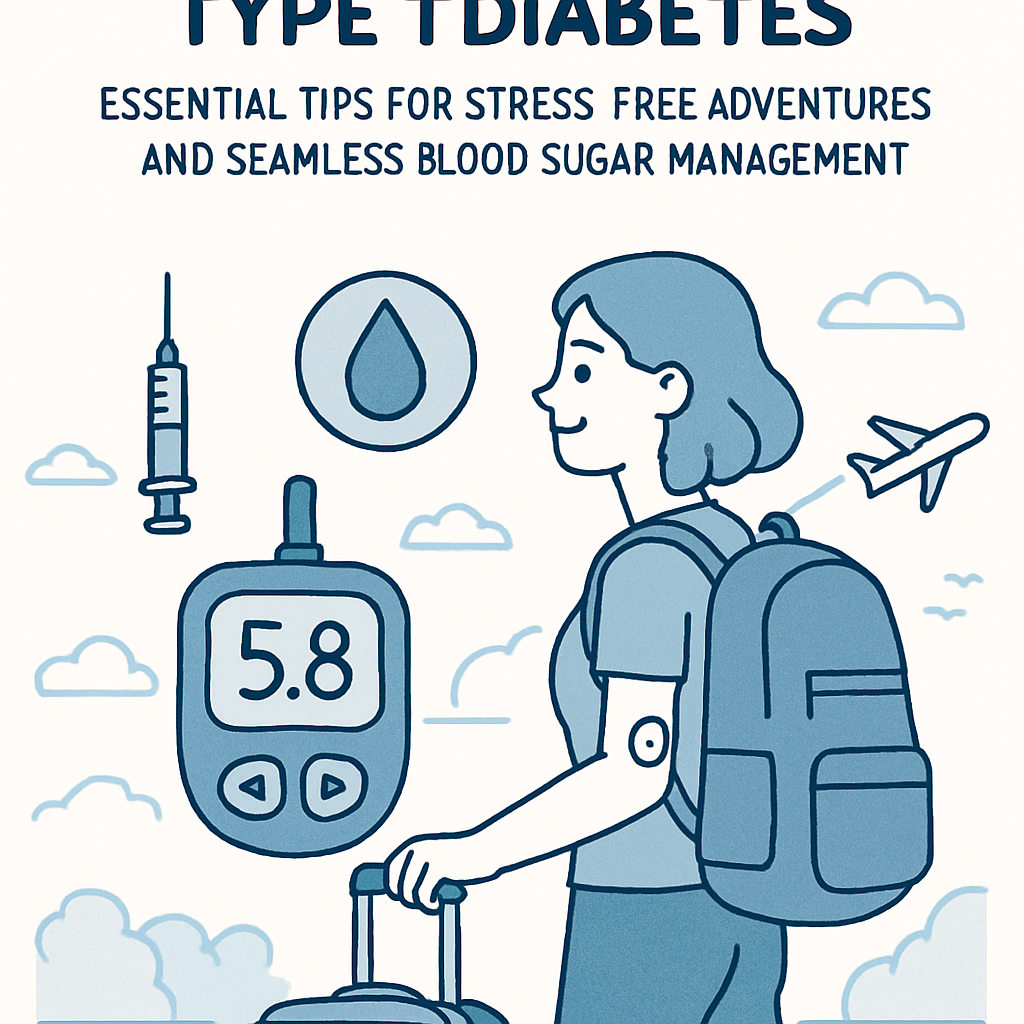
Traveling with type 1 diabetes requires a bit more planning and foresight, but it doesn’t have to mean giving up on your sense of adventure. Whether you’re setting off on a weekend getaway or embarking on a long-haul journey across continents, understanding how to manage your blood sugar levels effectively while on the move is crucial. With the right preparation and mindset, you can enjoy your trips with confidence, knowing that your diabetes won’t stand in the way of exploring new destinations.
One of the key aspects of traveling with type 1 diabetes is understanding how different factors, such as time zone changes, varying meal schedules, and physical activity, can impact your blood sugar levels. The excitement and unpredictability of travel can sometimes lead to unexpected challenges, but with a proactive approach, these can be managed smoothly. It’s important to anticipate potential changes and have strategies in place to adjust your diabetes management plan accordingly. This might involve consulting with your healthcare provider ahead of your trip to discuss any necessary adjustments to your routine.
Preparation is your best ally when it comes to traveling with type 1 diabetes. This includes packing enough diabetes supplies to cover your entire trip, and some extra for unforeseen delays. Essential items like insulin, glucose meters, test strips, and emergency snacks should be easily accessible. It’s also wise to carry a letter from your doctor explaining your condition and the need for your supplies, which can be helpful at security checkpoints or when seeking medical assistance abroad. Additionally, consider investing in travel insurance that covers diabetes-related healthcare needs.
While being prepared is crucial, it’s equally important to remain flexible and adaptable. Travel often comes with surprises, and having a positive attitude can make a significant difference. Remember that having diabetes doesn’t limit your ability to enjoy new experiences; it just requires a bit more vigilance and planning. By taking the necessary precautions and staying informed about your condition, you can focus on the joy of discovery and make the most of your journey.
Finally, don’t hesitate to reach out for support if you need it. Whether it’s from travel companions, local healthcare providers, or diabetes communities online, having a network can provide both practical advice and emotional reassurance. As you embark on your travels, keep in mind that while diabetes is a part of your life, it doesn’t define your adventures. Bon voyage!
2. Medical Overview
Traveling with Type 1 diabetes requires a thoughtful approach to ensure both enjoyable and safe adventures. Understanding the medical aspects of Type 1 diabetes is essential for managing your health while on the go. Type 1 diabetes is an autoimmune condition where the pancreas produces little to no insulin, a hormone crucial for allowing glucose to enter cells and provide energy. As a result, individuals need to manage their blood sugar levels meticulously through insulin therapy, diet, and regular monitoring.
When traveling, several factors can influence blood sugar control, including changes in routine, meal timings, physical activity, and even time zones. Stress and excitement, common when traveling, may also impact blood glucose levels. It’s important to anticipate these variations and prepare accordingly. While the basics of managing diabetes remain the same, the dynamics of travel often require additional planning and flexibility.
A key component of managing Type 1 diabetes on the road is maintaining consistent monitoring of blood sugar levels. This means packing enough supplies, such as glucose meters, test strips, and continuous glucose monitor (CGM) sensors. It’s wise to carry more supplies than you think you’ll need, as unexpected delays or supply shortages can happen. Additionally, having a backup plan, such as knowing where to find medical assistance at your destination, can provide peace of mind.
Insulin management is another critical consideration. Changes in activity levels and meal patterns during travel may necessitate adjustments in insulin dosages. However, it’s crucial to consult your healthcare provider for personalized advice before making any changes. They can provide guidance tailored to your travel itinerary, considering aspects such as long flights or increased physical activity like hiking or sightseeing.
Hypoglycemia, or low blood sugar, is a potential risk when traveling, especially if your routine changes significantly. Symptoms of hypoglycemia can include dizziness, sweating, and confusion, and it must be treated promptly to prevent more severe complications. Always carry fast-acting carbohydrates, like glucose tablets or juice, to address low blood sugar levels quickly. After treating a low, confirm that your blood sugar has returned to a safe level before continuing with your activities.
Finally, it’s beneficial to wear medical identification, such as a bracelet or necklace, indicating you have Type 1 diabetes. This can be invaluable in an emergency situation where you’re unable to communicate your condition. Sharing your travel plans and health information with a trusted travel companion can also provide an extra layer of safety. With careful preparation and a proactive approach, managing Type 1 diabetes while traveling can be a seamless part of your adventure. As always, consult your healthcare provider to develop a plan that suits your individual needs and travel itinerary.
3. Practical Guidance
Traveling with type 1 diabetes requires thoughtful preparation to ensure both enjoyment and safety. One of the most crucial steps is to pack all necessary diabetes supplies, ensuring you have more than enough for the duration of your trip. This includes insulin, syringes or pens, glucose meters, test strips, lancets, and backup supplies such as batteries and charging cables for any electronic devices. It’s a good practice to carry these in your carry-on luggage so they are easily accessible and to prevent loss if your checked bags are delayed or misplaced.
When traveling across time zones, maintaining your insulin schedule can be complex. It’s helpful to plan ahead by discussing any adjustments with your healthcare provider as they can offer tailored advice to suit your specific needs. They may provide guidance on how to adjust insulin timing or dosage to accommodate changes in eating and sleeping patterns. Always keep a detailed record of your insulin usage and blood sugar levels, as this can help you and your healthcare team make informed decisions.
Another vital consideration is managing meals and snacks while on the go. Having a variety of snacks at hand—such as nuts, fresh fruit, or granola bars—can help maintain stable blood sugar levels, especially if meal timing becomes unpredictable due to travel schedules. Research the availability of food options at your destination in advance, and if necessary, plan to bring non-perishable items that align with your dietary needs.
While traveling, staying hydrated is crucial, particularly if you are flying or spending time in hot climates. Dehydration can affect blood sugar levels and insulin absorption. Make it a priority to drink water regularly, and take breaks to rest and check your blood sugar levels frequently. If you experience symptoms of hypoglycemia, such as dizziness or confusion, promptly treat the low blood sugar with a fast-acting carbohydrate and ensure it stabilizes before continuing any activity.
It’s also wise to have a medical ID that indicates you have type 1 diabetes. This can be a bracelet, necklace, or a card in your wallet. In the event of an emergency, first responders will be aware of your condition and can provide appropriate care. Furthermore, consider learning a few key phrases in the local language if traveling abroad, such as “I have diabetes” or “I need sugar,” which can be crucial in securing help quickly if needed.
Lastly, consider travel insurance that covers diabetes-related medical care, just in case you need medical attention while away. With careful planning and the right precautions in place, you can enjoy your travels while effectively managing your diabetes. Always remember to consult with your healthcare provider for personalized advice, especially when traveling to new or challenging environments.
4. Practical Tips
Traveling with type 1 diabetes can be a rewarding experience when you’re well-prepared. Here are some practical tips to help ensure your adventures are stress-free and your blood sugar management is seamless. First, consider creating a comprehensive packing checklist. This list should include essentials like your insulin, testing supplies, and snacks for managing blood sugar levels. It’s wise to carry double the supplies you think you’ll need, in case of unexpected delays or emergencies. For example, if you’re planning a week-long trip, bring two weeks’ worth of insulin and test strips. Additionally, always pack your diabetes supplies in your carry-on luggage to avoid any issues if your checked baggage is delayed or lost.
Next, think about the time zones you’ll be crossing and how they might affect your insulin schedule. It’s helpful to create a plan for adjusting your insulin doses to align with the local time. For instance, if you’re traveling across multiple time zones, gradually adjust your insulin schedule by an hour or two each day leading up to your trip. This can help your body acclimate better and maintain stable blood sugar levels. However, as individual needs vary, it’s crucial to discuss any planned adjustments with your healthcare provider before you leave. They can provide guidance tailored to your specific situation.
Another key aspect to consider is the availability of food and the potential for unexpected changes in your itinerary. It’s beneficial to research local cuisine and identify foods that are carbohydrate-rich or have hidden sugars, which could impact your blood sugar levels. Additionally, always have a backup plan for meals. Carry portable, non-perishable snacks like nuts, granola bars, or glucose tablets in case you encounter delays or can’t find suitable food options. Staying flexible and prepared can make managing your blood sugar on the road much more manageable. In case of any significant health changes or if you’re unsure about your blood sugar management, promptly seek advice from a healthcare professional.
5. Expert Opinions
Traveling with type 1 diabetes can be a fulfilling experience with the right preparation and mindset. Experts in diabetes care often emphasize the importance of being well-prepared and flexible. Clinicians generally recommend organizing your supplies well in advance of your trip. This includes packing more than enough insulin, blood glucose meters, test strips, and any other necessary medications. It’s often advised to carry a letter from your healthcare provider that outlines your condition and the medications you’re carrying, which can be helpful if you encounter questions during airport security checks.
According to diabetes educators, maintaining stable blood sugar levels while traveling involves both planning and adaptability. They suggest that you be aware of how different time zones might affect your insulin schedule. This could mean adjusting your routine slightly to accommodate for changes in meal times, sleep schedules, and daily activities. However, because everyone’s diabetes management is unique, it’s always wise to discuss your travel plans with your healthcare team to tailor a strategy that suits your specific needs.
Nutritionists specializing in diabetes often highlight the importance of meal planning when traveling. They recommend being cautious with new foods and beverages, as unfamiliar ingredients can impact blood sugar levels in unpredictable ways. Keeping healthy snacks on hand is a common suggestion to help manage hunger and prevent hypoglycemia, especially during long flights or layovers. Expert advice also commonly includes staying hydrated and being mindful of portion sizes, which can be more challenging when dining out.
Exercise physiologists advise incorporating physical activity into your travel plans, as it can help manage blood sugar levels. Whether it’s exploring a new city on foot, hiking, or swimming, finding ways to stay active can enhance your travel experience and contribute to better diabetes management. However, it’s crucial to monitor blood sugar levels closely and be prepared to treat lows, particularly if you’re more active than usual.
Finally, mental health professionals often remind individuals with type 1 diabetes to consider the psychological aspects of travel. Stress and anxiety can affect blood sugar levels, so incorporating relaxation techniques like deep breathing or meditation can be beneficial. They also suggest building a support network of friends, family, or fellow travelers who are aware of your condition, so you have assistance if needed. Remember, consulting with your healthcare provider before any travel can provide personalized advice and peace of mind, allowing you to focus on enjoying your journey.
6. Misconceptions
Traveling with type 1 diabetes comes with its share of challenges, but it’s often compounded by common misconceptions that can make it harder to manage the condition effectively while on the go. One prevalent myth is that people with type 1 diabetes cannot enjoy spontaneous adventures or travel to remote destinations. In reality, with proper preparation and planning, many individuals with type 1 diabetes have fulfilling travel experiences all over the world. It’s essential to prepare for potential challenges, like ensuring access to medical supplies and knowing how to handle unexpected blood sugar fluctuations, but these don’t have to hinder the joy of travel.
Another misconception is the belief that dietary restrictions are too limiting when traveling. While it’s true that managing your diet is crucial for blood sugar control, it doesn’t mean you have to miss out on local delicacies or dining experiences. Many travelers with type 1 diabetes find it helpful to research the cuisine of their destination in advance and identify dishes that fit within their dietary plan. Additionally, learning a few essential phrases in the local language to communicate dietary needs can be beneficial. Carrying portable snacks and glucose tablets can also provide peace of mind and help manage unexpected situations, like delayed meals.
Some people mistakenly think that traveling with type 1 diabetes requires constant medical supervision, which might discourage them from embarking on trips. While it’s certainly important to have a plan for medical emergencies, many individuals manage their condition independently with the right tools and resources. This includes carrying a detailed medical ID and having a list of local healthcare facilities. It’s also wise to discuss your travel plans with your healthcare provider, who can offer personalized advice tailored to your specific health needs. This proactive approach can help ensure that you have the necessary support and resources while away from home.
Lastly, there is a misconception that airport security and customs procedures are overly burdensome for travelers with diabetes, especially regarding insulin pumps and continuous glucose monitoring devices. While it’s true that these can add a layer of complexity, many airports are accustomed to handling medical devices and have protocols in place to accommodate travelers with diabetes. It’s advisable to carry a letter from your healthcare provider explaining your condition and the need for specific medical equipment, which can ease the process. Being familiar with the security procedures of your destination can also help minimize stress.
In conclusion, while misconceptions about traveling with type 1 diabetes persist, they shouldn’t deter you from exploring the world. By preparing thoroughly and addressing these myths head-on, individuals with type 1 diabetes can enjoy enriching travel experiences. Always remember to consult with your healthcare provider before embarking on any trip to ensure that you’re fully equipped to manage your diabetes effectively while away from home.
7. Summary
Traveling with type 1 diabetes can be both exciting and daunting, as it requires careful planning to maintain stable blood sugar levels and overall health. With the right preparation, you can enjoy your adventures with minimal stress and more confidence. The key is to anticipate your needs, pack strategically, and stay flexible as you navigate new environments and routines. Start by ensuring you have all necessary supplies, including insulin, glucose meters, and snacks, and carry them in a way that is easily accessible. Consider packing extra supplies to cover unforeseen delays or emergencies. It’s also wise to research your destination’s local healthcare facilities and know how to access them if needed.
Managing blood sugar levels during travel often involves adapting to new time zones, dietary changes, and physical activities. It’s important to monitor your blood sugar more frequently than usual, especially when crossing time zones or trying new foods. This vigilance can help you detect any unusual patterns or trends that may require adjustments to your management plan. When in doubt, consulting with your healthcare provider before your trip can provide personalized guidance tailored to your specific needs and travel itinerary.
Hydration and nutrition play crucial roles in maintaining blood sugar stability. Staying hydrated is particularly important, as dehydration can affect blood sugar levels and insulin absorption. Always keep a water bottle handy and aim to make balanced food choices that align with your dietary needs. Additionally, having a stash of easily accessible snacks can help you manage unexpected fluctuations in blood sugar, especially during long flights or excursions where food options might be limited.
Preparedness extends beyond the physical aspects of traveling; being mentally prepared is equally important. Have a plan for managing stress, whether through relaxation techniques, exercise, or engaging activities. Stress can impact blood sugar levels, so finding ways to unwind and recharge is beneficial. Furthermore, don’t hesitate to communicate your needs to travel companions or staff at hotels and restaurants. Most people are willing to accommodate and assist if they understand your requirements.
Ultimately, while traveling with type 1 diabetes presents unique challenges, it also offers opportunities to explore new places and experiences while learning more about personal health management. By taking proactive steps and remaining adaptable, you can embark on your journeys with greater peace of mind. Remember, if you encounter any significant changes in your condition or experience symptoms that concern you, it is important to seek medical advice promptly to ensure your safety and well-being.