1. Introduction
Living with type 1 diabetes involves a constant balancing act of managing blood sugar levels, dietary choices, and insulin needs. Physical activity plays a critical role in this balancing act, offering numerous health benefits that can positively impact both physical and mental well-being. However, traditional gym workouts might not appeal to everyone, and for some, they may not always fit seamlessly into daily routines. This is where embracing creative fitness routines can make a significant difference. Exploring diverse and enjoyable forms of exercise not only helps in maintaining a healthy lifestyle but also in managing diabetes more effectively. By stepping beyond conventional exercise settings, individuals with type 1 diabetes can discover activities that are both enjoyable and adaptable to their unique needs.
The journey of managing type 1 diabetes is deeply personal, and so too is the choice of physical activity. While structured workouts like weightlifting and cardio sessions provide immense benefits, it’s important to recognize that fitness is not confined to the walls of a gym. Engaging in creative forms of exercise such as dancing, hiking, or even playful activities like joining a local sports team can be equally rewarding. These activities not only contribute to physical health by improving cardiovascular fitness and muscle strength but also enhance mental health by reducing stress and boosting mood. Furthermore, they offer an opportunity for social engagement, which can be an important aspect of emotional well-being.
Creativity in fitness is about finding what works for you and making it part of your routine. It’s crucial, however, to remember that with type 1 diabetes, any new exercise plan should be approached with care. Monitoring blood sugar levels before, during, and after physical activity is essential to ensure safety and avoid potential complications like hypoglycemia. If you experience any unusual symptoms or significant changes in your blood sugar levels, it’s important to pause the activity and address your needs, possibly seeking medical advice if necessary. Consulting with healthcare professionals before starting any new exercise regimen is a wise step to ensure that your chosen activities align with your individual health requirements.
Ultimately, the goal is to create a sustainable and enjoyable fitness routine that complements the management of type 1 diabetes. By embracing a variety of activities, individuals can discover new passions and experiences that not only enhance their physical health but also enrich their lives. As you explore these creative fitness avenues, remember to listen to your body and maintain open communication with your healthcare team to tailor your approach in a way that supports your overall well-being.
2. Medical Overview
Type 1 diabetes is a chronic condition characterized by the body’s inability to produce insulin, a crucial hormone that regulates blood sugar levels. This autoimmune disorder occurs when the immune system mistakenly attacks and destroys the insulin-producing beta cells in the pancreas. As a result, individuals with type 1 diabetes need to manage their blood sugar levels through insulin therapy, which can involve multiple daily injections or the use of an insulin pump. Managing type 1 diabetes involves a delicate balance of insulin administration, diet, and physical activity, all of which play a critical role in maintaining overall health and well-being.
Engaging in physical activity is particularly beneficial for individuals with type 1 diabetes, as it can enhance insulin sensitivity, support cardiovascular health, and improve mood. However, the relationship between exercise and blood sugar levels can be complex. Physical activity often lowers blood sugar levels, which can be beneficial but also poses the risk of hypoglycemia, or low blood sugar, especially if precautions are not taken. This makes it essential for those with type 1 diabetes to monitor their blood glucose levels before, during, and after exercise. Tools like continuous glucose monitors (CGMs) can provide valuable insights, helping to tailor exercise routines safely.
When considering creative fitness routines beyond traditional gym workouts, individuals with type 1 diabetes should take into account the intensity and duration of the activity, as well as their current health status. Activities such as dancing, yoga, or hiking can offer enjoyable ways to stay active without the monotony of repetitive gym exercises. It’s important to start with moderate intensity and gradually increase as comfort and confidence grow. Since everyone’s response to exercise can vary, it is advisable for individuals to work closely with their healthcare team to develop a personalized plan that aligns with their needs and lifestyle. This ensures that exercise remains a positive and health-enhancing part of their diabetes management.
As with any new fitness routine, safety should always be the priority. Individuals with type 1 diabetes should be prepared to address hypoglycemia by having fast-acting carbohydrates readily available and ensuring that they have informed someone about their exercise plans. If symptoms of low blood sugar occur, it’s crucial to pause the activity, treat the hypoglycemia, and only resume once blood sugar levels have stabilized. By taking these precautions and taking an individualized approach, creative fitness routines can be a rewarding and effective component of managing type 1 diabetes. For specific questions or concerns, consulting a healthcare professional is always recommended to ensure that fitness activities are both safe and beneficial.
3. Practical Guidance
When it comes to managing type 1 diabetes, finding enjoyable and effective ways to stay active is crucial. Many people think of exercise as hitting the gym or going for a run, but creative fitness routines can offer exciting alternatives while supporting diabetes management. Activities like dancing, gardening, or even joining a local sports team can provide both physical benefits and mental rejuvenation. The key is to choose activities that you enjoy, as this will make it easier to incorporate them into your routine consistently.
Before starting any new fitness routine, it’s important to check in with your healthcare provider. They can offer personalized advice on how to adjust your diabetes management plan to accommodate new activities. This might include discussing how different types of exercise can affect your blood sugar levels and what signs to watch for that might indicate a need to pause or modify your activity. Remember, everyone’s body responds differently to exercise, so understanding your unique responses is vital to staying safe and healthy.
Monitoring blood glucose levels before, during, and after physical activity is a practical way to ensure you’re maintaining a safe range. This practice helps you identify any patterns and make necessary adjustments, such as having a snack or modifying the intensity of your workout. Always have a source of fast-acting carbohydrates with you, such as glucose tablets or fruit juice, to quickly address any signs of hypoglycemia. If your blood sugar levels drop too low, it’s important to stop the activity and treat the low blood sugar before resuming.
Staying hydrated is another essential aspect of maintaining a safe and effective fitness routine. Dehydration can affect blood sugar levels, so drink water before, during, and after exercise. Wearing a medical ID bracelet can also be a smart precaution, ensuring that in the event of an emergency, responders are aware of your condition.
Incorporating variety into your fitness plan can keep things exciting and may help you stick with it long term. Consider mixing cardiovascular exercises like swimming or cycling with strength training or flexibility exercises like yoga or pilates. Each type of exercise can offer different benefits, such as improved cardiovascular health, increased strength, or better balance and coordination, all of which can contribute to better overall diabetes management.
Remember, the goal is to find balance and enjoyment in your fitness journey. By embracing creative fitness routines, you not only enhance your physical health but also enrich your mental well-being. As always, consult your healthcare provider for guidance tailored to your personal health needs and enjoy exploring the wide world of creative fitness options available to you.
4. Practical Tips
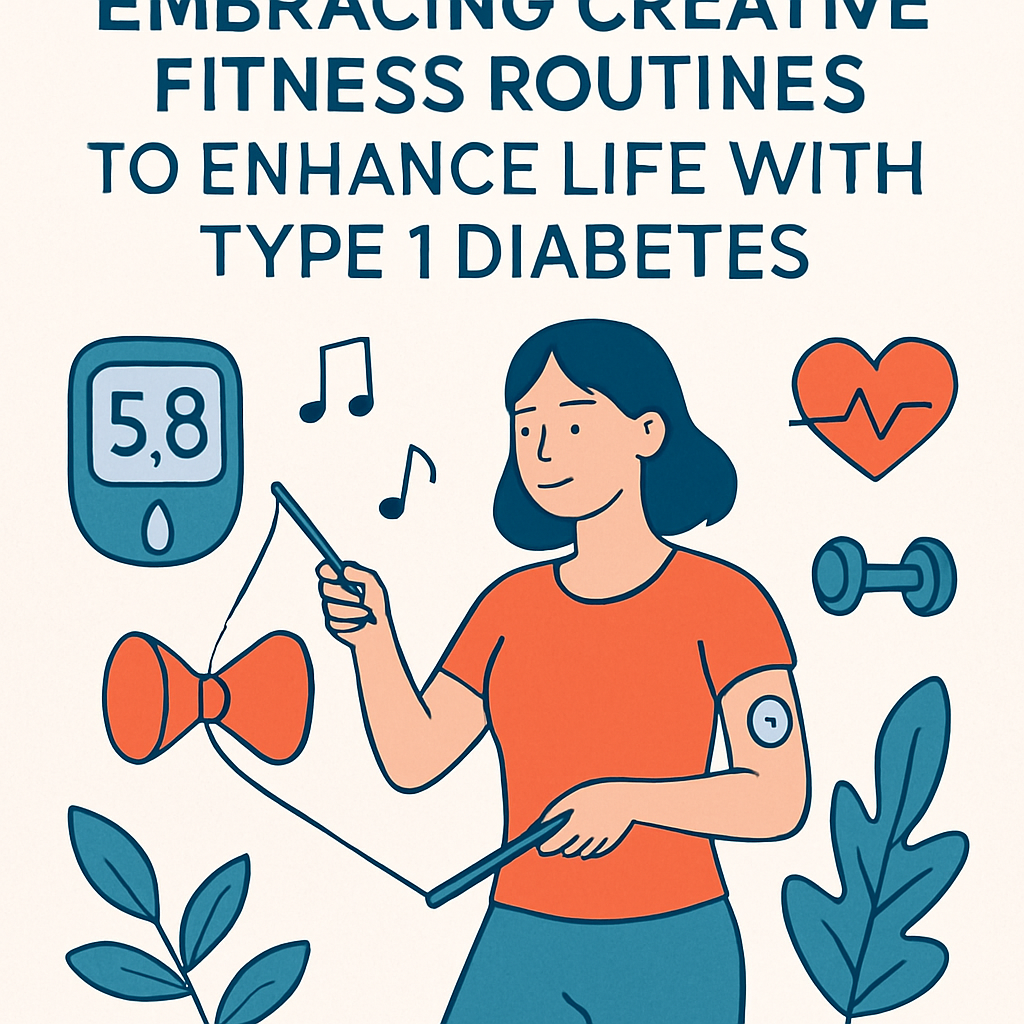
Embracing a creative fitness routine can be an empowering way to enhance life with type 1 diabetes. While traditional gym workouts are beneficial, sometimes stepping outside the gym can add variety and joy to your exercise regimen, allowing you to engage in physical activities that fit seamlessly into your lifestyle. Here are some practical tips and examples to consider when exploring creative fitness opportunities.
First, consider incorporating dance into your routine. Dance is a versatile activity that can be enjoyed in various forms, from structured classes like Zumba or salsa to freestyle sessions in the comfort of your home. Dancing not only provides a cardiovascular workout but also improves coordination and boosts mood. As with any physical activity, it’s important to monitor your blood glucose levels before and after dancing to ensure they remain within your target range. If you’re new to dance, starting with a beginner class can help you learn at a comfortable pace.
Another engaging option is to explore outdoor activities such as hiking or cycling. These activities allow you to enjoy the beauty of nature while getting a good workout. When planning a hike or a bike ride, consider the duration and intensity of the activity. It’s wise to pack glucose tablets or snacks and stay hydrated, especially if you’re venturing into remote areas. Before heading out, consult with your healthcare provider to discuss any specific considerations for managing your blood sugar during prolonged outdoor activities.
Finally, yoga is an excellent choice for those looking to incorporate mindful movement into their fitness routine. Yoga can help improve flexibility, balance, and mental clarity, making it a holistic option for managing stress and maintaining physical health. There are many styles of yoga to choose from, so you can find one that aligns with your preferences and fitness level. Whether attending a class or following online sessions, remember to listen to your body and make modifications as needed. As always, keep an eye on your blood glucose levels and have a plan in place to address any changes.
Each of these activities offers unique benefits and can be tailored to your personal interests and fitness goals. Remember, it’s important to monitor your body’s response to new exercises and adjust as needed. Always consult your healthcare team before making significant changes to your fitness routine, ensuring your safety and well-being are prioritized. By embracing creative fitness routines, you can enhance your lifestyle and enjoy the many benefits of staying active with type 1 diabetes.
5. Expert Opinions
When it comes to managing type 1 diabetes, incorporating creative fitness routines into daily life can be a powerful tool. Experts in the field often emphasize the importance of understanding individual needs and responses to exercise. They suggest that diversifying physical activities beyond traditional gym workouts can offer both physical and mental health benefits for people living with type 1 diabetes. Engaging in activities such as dancing, yoga, or even gardening can provide the necessary movement to help manage blood sugar levels while also offering enjoyment and stress relief.
Clinicians generally recommend that individuals with type 1 diabetes pay close attention to how their bodies respond to different types of exercise. This often involves monitoring blood glucose levels before, during, and after physical activity to understand personal patterns and adjust insulin and food intake accordingly. Personalized fitness routines can be particularly beneficial, as they allow individuals to choose activities they enjoy, increasing the likelihood of maintaining a consistent exercise regimen.
Moreover, experts note that creative fitness routines can encourage social interaction and community building, which are essential aspects of holistic diabetes management. Activities that involve group participation, like team sports or dance classes, can foster a sense of belonging and provide emotional support, which can be vital in managing a chronic condition. Engaging with others who have similar experiences can also offer practical tips and shared knowledge, enhancing one’s ability to manage their condition effectively.
While the benefits of creative exercise routines are widely acknowledged, it’s crucial to approach them with safety in mind. Experts advise that individuals with type 1 diabetes should be prepared to address potential challenges such as hypoglycemia. They emphasize the importance of having a plan in place for treating low blood sugar, such as carrying fast-acting carbohydrates, and ensuring recovery before resuming any physical activity. This precautionary approach helps minimize risks and ensures a safer exercise experience.
Ultimately, while creative fitness routines can play a significant role in enhancing life with type 1 diabetes, they require careful planning and monitoring. It is advisable for individuals to consult with their healthcare providers to tailor an exercise plan that aligns with their specific health needs and goals. This collaborative approach can help optimize the benefits of physical activity while ensuring safety and well-being.
6. Misconceptions
Misconceptions about type 1 diabetes and exercise can often discourage individuals from exploring creative fitness routines, yet understanding the truth can open up a world of possibilities. One common misconception is that people with type 1 diabetes should avoid vigorous physical activities to prevent blood sugar complications. While it is true that exercise can affect blood glucose levels, with careful monitoring and planning, many individuals with diabetes are able to participate in a wide variety of physical activities safely. Consulting with healthcare providers to develop a personalized exercise plan can help manage these risks and encourage a fuller, more active lifestyle.
Another myth is that exercise routines must be excessively structured or gym-based to be effective. In reality, creative and enjoyable physical activities like dance, yoga, or hiking can also contribute significantly to overall health and well-being. These activities can help reduce the risk of diabetes-related complications and improve mental health, making them a valuable addition to traditional exercise regimens. It’s important to remember that any form of movement is beneficial, and finding an activity you enjoy can make it easier to stay consistent.
There’s also a misconception that people with type 1 diabetes should avoid exercise if they experience symptoms of low blood sugar. While exercising with low blood sugar can be dangerous, the key is not to avoid exercise altogether but to manage these symptoms proactively. This may involve checking blood sugar levels before, during, and after exercise, and keeping fast-acting carbohydrates on hand. However, if symptoms of low blood sugar occur, it is crucial to treat these symptoms immediately and confirm recovery before resuming any physical activity. A healthcare provider can offer guidance on how best to handle these situations safely.
Finally, some people believe that once a routine is established, there is no room for flexibility. However, it’s important to adapt and adjust exercise routines as needed, particularly when external factors such as stress, illness, or changes in medication arise. Flexibility in fitness routines can help accommodate these changes and maintain blood sugar stability. Again, discussing any significant changes with a healthcare provider ensures that adaptations are made safely.
By dispelling these misconceptions, individuals with type 1 diabetes can feel empowered to embrace diverse and enjoyable fitness routines. This not only supports physical health but also enhances quality of life, proving that life with diabetes can be both active and fulfilling.
7. Summary
Type 1 diabetes presents unique challenges, especially when it comes to maintaining an active lifestyle. Despite these challenges, creative fitness routines can play a crucial role in enhancing the quality of life for individuals living with this condition. Embracing exercise beyond the traditional gym setting not only makes workouts more enjoyable but can also provide numerous health benefits, including better blood sugar management and improved cardiovascular health. Engaging in diverse physical activities can also help reduce the stress and anxiety often associated with managing a chronic condition.
Exploring creative fitness options begins with understanding personal interests and setting realistic goals. For instance, if you enjoy the outdoors, consider activities like hiking or cycling. These activities can be tailored to your fitness level and provide a refreshing alternative to indoor exercises. Hiking offers the advantage of varying intensity levels depending on the trail, while cycling allows for a more controlled pace. Both activities encourage cardiovascular fitness and can be adjusted to suit your blood sugar management needs. Before heading out, equip yourself with quick-acting glucose sources, such as glucose tablets or a small juice box, to manage potential drops in blood sugar.
If you prefer group activities, joining a dance class or a local sports team can be both fun and beneficial. Dance classes ranging from salsa to hip-hop not only improve cardiovascular health but also enhance coordination and flexibility. Team sports, such as soccer or basketball, offer a social component, providing motivation and camaraderie. These activities can lead to a more consistent exercise routine, as commitment to a team or class encourages regular participation. It is important to communicate with your instructor or coach about your diabetes management needs to ensure a supportive environment.
For those who find joy in more solitary pursuits, yoga or tai chi might be appealing. These practices focus on balance, flexibility, and mental well-being. Yoga offers a variety of styles, from gentle restorative classes to more vigorous vinyasa flows, allowing you to choose based on your energy levels and blood sugar readings. Tai chi, with its slow and deliberate movements, is particularly beneficial for stress reduction and can be practiced anywhere, even at home. Both yoga and tai chi promote mindfulness, which can enhance your awareness of how your body responds to different exercises, potentially aiding in better diabetes management.
Incorporating technology can further enhance your creative fitness routine. Fitness apps and wearable devices allow you to track your activity levels, monitor your heart rate, and even log blood sugar readings. These tools can provide valuable insights into how different exercises affect your blood glucose levels, helping you and your healthcare team make informed decisions about your exercise plan. Remember, it’s essential to consult with your healthcare provider before starting any new fitness regimen to ensure it aligns with your individual health needs.
Ultimately, the key to embracing creative fitness routines lies in finding activities that you enjoy and that fit seamlessly into your lifestyle. By stepping outside the confines of traditional gym workouts, you open the door to a world of possibilities that can make managing type 1 diabetes not only effective but also enjoyable. Remember, the journey to better health is personal and unique, and a healthcare professional can help tailor a plan that works best for you. As you explore these creative avenues, prioritize safety, listen to your body, and don’t hesitate to pause and address any signs of low blood sugar before continuing with your activity. By doing so, you can confidently enhance your life with type 1 diabetes through the joy of movement.