1. Introduction
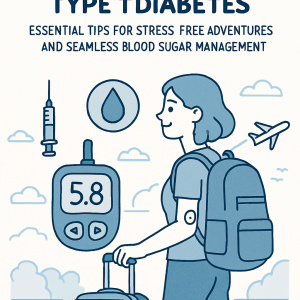
For those living with type 1 diabetes, the call of the wild presents unique challenges but also incredible opportunities for adventure and personal growth. Whether you’re traversing mountain trails or exploring dense forests, backpacking and wilderness excursions can offer a profound sense of freedom and accomplishment. However, they also require thoughtful planning and preparation to manage your diabetes effectively while away from the comforts of everyday medical support. This guide aims to provide general tips for those living with type 1 diabetes who are eager to embrace the great outdoors while maintaining their health and safety.
Living with type 1 diabetes means managing blood sugar levels, monitoring insulin, and being prepared for unexpected changes. In the wilderness, this becomes even more critical due to the physical demands and the potential for variable conditions. The fluctuating levels of physical activity, changes in altitude and temperature, and limited access to resources can all affect blood glucose levels in different ways. Therefore, being well-prepared can help mitigate risks and enhance your wilderness experience.
The first step in ensuring a safe backpacking adventure is having a comprehensive understanding of your own body’s needs and responses. This includes recognizing how different types of physical exertion impact your blood glucose and how factors like stress, excitement, and even altitude can play a role. It’s important to remember that everyone’s experience with type 1 diabetes is unique, and what works for one person may not work for another. Consulting with your healthcare provider before embarking on a trip can offer personalized insights and help you create a tailored plan.
Another crucial aspect of preparation involves packing and planning for contingencies. Adequate supplies of insulin, blood glucose testing equipment, and snacks or fast-acting carbohydrates for treating low blood sugar are essential. It is advisable to carry more than you anticipate needing, as unexpected delays or changes in plans can occur. Additionally, having a clear communication plan with your travel companions about your diabetes management needs and emergency procedures can foster a supportive environment.
While the wilderness may seem daunting, with the right preparation, it can be a rewarding experience that enhances both physical and mental well-being. By approaching your trip with careful planning and a proactive mindset, you can embrace the challenges and joys of the outdoors with confidence. Remember, your health and safety should always come first, and if you encounter any significant changes in your symptoms or condition, it’s crucial to take appropriate steps, such as treating low blood sugar immediately and ensuring recovery before continuing your adventure. With these considerations in mind, the natural world awaits your exploration, offering endless opportunities for discovery and adventure.
2. Medical Overview
Type 1 diabetes is a chronic condition in which the pancreas produces little to no insulin, a hormone essential for allowing glucose to enter cells and be used for energy. This autoimmune disorder often manifests in childhood or adolescence but can develop at any age. Managing type 1 diabetes involves a careful balance of insulin therapy, diet, and physical activity — a trio that becomes even more crucial when embarking on backpacking journeys or wilderness excursions. Understanding how the body uses insulin and how blood sugar levels respond to different physical activities can help individuals with type 1 diabetes maintain better control over their condition, ensuring safety and enjoyment during outdoor adventures.
When planning a backpacking trip, it’s important to recognize that physical exertion can significantly impact blood glucose levels. Exercise generally increases the body’s sensitivity to insulin, which can lower blood sugar levels. However, the effect of physical activity on glucose levels can vary widely among individuals, depending on factors like the intensity and duration of the activity, as well as individual metabolic responses. As such, it’s essential for those with type 1 diabetes to monitor their blood sugar levels more frequently when engaging in prolonged or strenuous physical activities. This monitoring can help in making timely adjustments to insulin dosages or carbohydrate intake as needed.
The unpredictability of wilderness settings adds another layer of complexity to diabetes management. Factors like weather conditions, altitude, and the availability of food can all influence blood sugar control. For instance, higher altitudes may increase insulin sensitivity, while extreme temperatures can affect insulin storage and delivery. Additionally, the physical demands of carrying a backpack over varied terrain require additional energy, which must be accounted for in meal planning and insulin management. It’s advisable for adventurers to consult their healthcare provider to develop a tailored plan that considers these variables, ensuring that their diabetes management strategy is robust enough to handle the rigors of the wild.
Hypoglycemia, or low blood sugar, is a particular concern during extended physical activity. Symptoms such as dizziness, confusion, and fatigue can compromise safety, especially in a remote setting. It’s crucial to treat low blood sugar immediately with fast-acting carbohydrates and to ensure complete recovery before resuming the activity. Carrying a supply of glucose tablets, gels, or snacks can provide a quick remedy, while a continuous glucose monitor (CGM) can offer real-time feedback on blood sugar levels. Although technology like CGMs can be immensely helpful, they should be used in conjunction with regular blood sugar testing, as no device is foolproof.
In summary, while backpacking with type 1 diabetes requires careful preparation and vigilance, the rewards of experiencing nature and adventure can be well worth the effort. By understanding the medical nuances of their condition and planning appropriately, individuals can embark on their journeys with greater confidence. Always consult with healthcare professionals to develop a personalized approach that takes into account the specific challenges posed by outdoor excursions. Safety should always take precedence, allowing for an enjoyable and memorable adventure.
3. Practical Guidance
Embarking on a backpacking journey or wilderness excursion with type 1 diabetes requires thoughtful preparation and adaptability. A well-planned adventure can be both thrilling and safe when you consider the practical aspects of managing your condition in the great outdoors. To start, it’s crucial to assemble a comprehensive diabetes kit tailored for your trip. This kit should include a reliable blood glucose meter, ample test strips, and a continuous glucose monitor (CGM) if you use one. Don’t forget to pack glucose tablets or gels, which are lightweight and essential for treating low blood sugar levels that might occur during physical activities.
Prioritizing hydration and nutrition is another key component of your adventure planning. Dehydration and unbalanced meals can affect blood sugar levels, so aim to carry a sufficient supply of water and a variety of snacks that combine carbohydrates with protein and healthy fats. These snacks can help maintain stable blood glucose levels and provide sustained energy for hiking. Remember that the exertion of hiking or climbing often increases insulin sensitivity, so it’s wise to monitor your blood sugar frequently and consult your healthcare provider about adjusting your insulin doses as needed.
Communication plays a vital role in safeguarding your health during outdoor activities. Sharing your itinerary and diabetes management plan with a trusted companion can be invaluable. Ensure that at least one person in your group is aware of the signs of hypoglycemia and knows how to assist you in an emergency. Carrying a medical alert ID can also be a helpful precaution, as it provides critical information to first responders in case of a severe hypoglycemic event or other emergency.
Weather conditions and terrain can present additional challenges, so flexibility is essential. Be prepared to adjust your plans in response to sudden changes in weather, difficult hiking paths, or unexpected physical demands. If you experience symptoms of hypoglycemia, such as dizziness or confusion, it’s important to pause, treat the low blood sugar with fast-acting carbohydrates, and wait until you feel well enough to continue safely. Consulting with your healthcare provider before the trip can help you develop a strategy for managing such situations.
Finally, remember that the natural environment can be unpredictable, and maintaining communication with your healthcare provider is crucial. Before embarking, discuss your travel plans and any specific concerns you may have. They can provide personalized advice and help you prepare for the unique demands of backpacking with diabetes. With thoughtful planning and an adaptable mindset, you can enjoy the wonders of the wilderness while effectively managing your type 1 diabetes.
4. Practical Tips
When planning a backpacking journey or wilderness excursion with type 1 diabetes, preparation is key to enjoying the adventure safely. Here are some practical tips that may help you manage your condition while embracing the great outdoors.
First, consider creating a comprehensive diabetes management kit specifically for your trip. This kit should include all necessary supplies like insulin, delivery systems (such as pens or pumps), blood glucose meters, test strips, and lancets. Don’t forget to pack backup supplies in case of unexpected delays or issues. For example, if you typically use an insulin pump, it might be wise to bring extra infusion sets and a few insulin pens as a backup. Storing these supplies in a waterproof and temperature-controlled container can help protect them from the elements.
Second, plan your meals and snacks carefully to maintain stable blood glucose levels. On a long hiking day, you might need more carbohydrates than usual to fuel your activity. Portable snacks such as granola bars, trail mix, or dried fruits can be convenient options. Additionally, always have quick-acting sources of glucose, like glucose tablets or gels, readily accessible in case of hypoglycemia. It’s essential to treat low blood sugar promptly and ensure recovery before resuming your activity. Consulting with your healthcare provider about how to adjust your food intake for increased physical activity can provide more personalized guidance.
Finally, keep communication open with your travel companions about your diabetes management needs. They should know how to recognize the signs of low or high blood sugar and be aware of how they can assist if needed. Sharing your planned routes and daily itinerary can be helpful in an emergency. Moreover, consider wearing a medical alert bracelet or necklace that provides information about your diabetes — this can be crucial in situations where you might not be able to communicate effectively.
By taking these practical steps and communicating openly, you can better manage your type 1 diabetes while enjoying your wilderness adventure. Always remember to consult with your healthcare provider ahead of time for advice tailored to your individual health needs and trip specifics. This preparation allows you to focus on the beauty of nature while keeping your health a priority.
5. Expert Opinions
Expert opinions on managing type 1 diabetes during backpacking journeys emphasize the importance of preparation and adaptability. Healthcare professionals frequently advise that individuals with type 1 diabetes take extra precautions to ensure their condition remains well-managed while in the wilderness. This includes carrying a sufficient supply of insulin and testing equipment, as well as having a backup plan in case of unexpected changes in weather, travel delays, or equipment malfunctions. Ensuring that you have a reliable method to keep insulin at the appropriate temperature is another crucial consideration. Insulin storage can be particularly challenging in the outdoors, so consulting with your healthcare provider about the best portable cooling options is advisable.
Experts also highlight the importance of monitoring blood glucose levels more frequently than usual during physical activities like hiking. The physical exertion involved in backpacking can significantly impact blood sugar levels, sometimes leading to increased insulin sensitivity. To address this, clinicians often recommend regularly checking blood glucose levels and being prepared to adjust your insulin regimen accordingly. Having quick-acting carbohydrates on hand to address potential hypoglycemia is also a critical safety measure. It’s essential to treat any signs of low blood sugar promptly and to ensure recovery before continuing your journey.
Another key piece of advice from diabetes educators is to communicate your condition to those you are traveling with. Making sure your companions are aware of your needs and know how to assist you in an emergency can provide an additional layer of safety. This shared responsibility can ease the burden of managing type 1 diabetes on your own in a remote setting. Experts suggest carrying medical identification and ensuring that your travel companions understand basic diabetes management, including recognizing symptoms of hypo- and hyperglycemia and knowing how to administer glucagon if necessary.
Finally, clinicians often stress the value of having a comprehensive plan that covers various scenarios, including emergencies. This might include identifying the nearest medical facilities and having a map or GPS device to aid in quick navigation if needed. While preparing for a wilderness excursion, it is prudent to discuss your travel plans with your healthcare team to tailor these general guidelines to your unique needs. Regular consultations and check-ins with your healthcare provider can ensure that your adventure is both enjoyable and safe, allowing you to focus on the experience without undue worry.
6. Misconceptions
Embarking on a backpacking journey or a wilderness excursion with type 1 diabetes is a thrilling prospect that comes with its unique set of challenges. Unfortunately, misconceptions about managing diabetes in such environments can sometimes lead to unnecessary stress or misjudgments. A common myth is that engaging in strenuous outdoor activities is risky for individuals with type 1 diabetes. While these activities do require careful planning and management, they are not inherently dangerous. With the right preparation and awareness, individuals with type 1 diabetes can safely enjoy the great outdoors.
Another misconception is that individuals with type 1 diabetes should strictly avoid carbohydrates to prevent blood sugar spikes during physical activity. While it’s essential to monitor carbohydrate intake, carbohydrates are a crucial energy source, especially when hiking or backpacking. The key lies in balancing carbohydrate intake with insulin management, and this balance can vary from person to person and activity to activity. Consulting with healthcare providers can help tailor a plan that accommodates both energy needs and blood glucose control.
Some people also mistakenly believe that using technology, such as continuous glucose monitors (CGMs) or insulin pumps, eliminates the need for traditional monitoring and preparation. While these devices can significantly aid in managing diabetes, they are not foolproof. Environmental factors like temperature extremes and physical exertion can impact their performance. Therefore, carrying backup supplies such as glucose meters, extra batteries, and manual insulin delivery options is crucial. It’s not just about relying on technology but also being prepared for unexpected situations.
Lastly, there is a misconception that symptoms of hypoglycemia or hyperglycemia can be easily managed on the go. It’s vital to recognize that symptoms can escalate quickly, and immediate action must be taken to address them before continuing any physical activity. Treat low blood sugar levels promptly and confirm that levels have stabilized before resuming. In cases of persistent or severe symptoms, seeking medical attention is advised. Always have a detailed emergency plan and let your travel companions know about your condition and what to do in case of an emergency.
By debunking these misconceptions, individuals with type 1 diabetes can approach backpacking and wilderness adventures with confidence and preparedness. Remember, each person’s experience with diabetes is unique, and consulting with healthcare professionals can provide personalized strategies to ensure a safe and enjoyable trip.
7. Summary
Embarking on a backpacking journey or wilderness excursion can be an exhilarating experience, presenting breathtaking landscapes and the thrill of adventure. For individuals with type 1 diabetes, these experiences also require careful planning and preparation to manage the condition effectively in the great outdoors. While diabetes should not stand in the way of enjoying nature’s wonders, it does necessitate a thoughtful approach to ensure safety and well-being throughout the trip.
One of the most critical aspects of preparing for a wilderness adventure with type 1 diabetes is understanding the unique challenges that may arise and planning accordingly. Ensuring you have an adequate supply of insulin and testing supplies is crucial, as is considering how changes in activity levels and dietary intake might impact your blood glucose levels. It’s important to pack extra supplies in case of unexpected delays or emergencies, and to store them properly to protect against temperature extremes that can affect their efficacy.
Staying vigilant about blood glucose monitoring is key, as physical exertion and environmental factors can lead to fluctuations that might not occur in everyday settings. Frequent monitoring can help detect patterns and allow for timely adjustments, reducing the risk of hypoglycemia or hyperglycemia. It’s wise to have a plan in place for managing low blood sugar, including carrying fast-acting carbohydrates at all times and ensuring that travel companions are aware of the signs and symptoms of low blood sugar and know how to assist if needed.
Communication is another essential component of a safe and enjoyable adventure. Informing fellow hikers or group leaders about your condition, and discussing your specific needs and emergency procedures, can foster a supportive environment. This transparency ensures that those around you are prepared to offer help if necessary, enhancing both your safety and peace of mind.
It’s also beneficial to consider the practical aspects of managing diabetes while on the trail. Think about how you will store and access your supplies, prepare meals, and maintain hydration. Planning your route to include regular rest stops can provide opportunities to check glucose levels and address any concerns before they become problematic. Remember, safety should always take precedence; if symptoms of low or high blood sugar arise, it’s crucial to address them before continuing with the adventure.
While planning and preparation are essential, flexibility and adaptability are equally important. Nature is unpredictable, and conditions can change rapidly. Being prepared to modify your plans to accommodate your health needs will contribute to a more enjoyable and safer experience. Ultimately, consulting with your healthcare provider before embarking on such trips can provide personalized guidance and help tailor your preparations to your specific health profile. By taking these steps, you can embrace the call of the wild while safeguarding your health, ensuring that your journey is as safe as it is memorable.