1. Introduction
Type 1 diabetes is a chronic condition characterized by the body’s inability to produce insulin, a hormone crucial for regulating blood glucose levels. This autoimmune condition typically manifests in childhood or adolescence, but it can develop at any age. People with type 1 diabetes require lifelong insulin therapy to manage their blood sugar levels effectively. Historically, this has involved regular blood sugar monitoring and multiple daily insulin injections. However, advances in technology are transforming how individuals manage this complex condition, offering new hope and convenience.
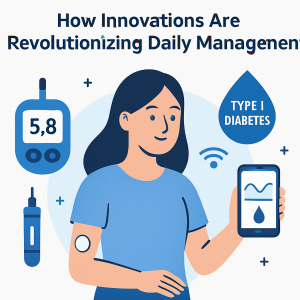
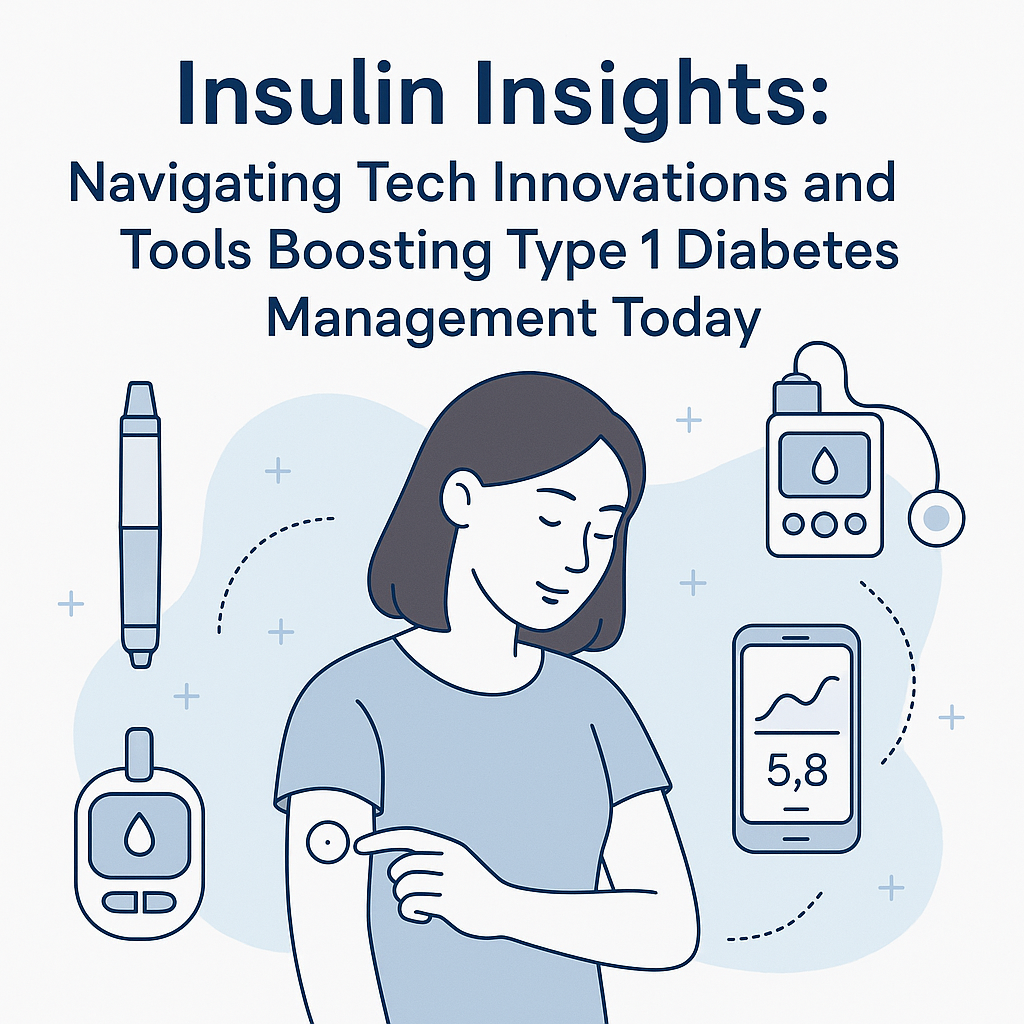
Recent years have seen significant innovations in diabetes management tools, particularly in the realm of insulin delivery and glucose monitoring. From continuous glucose monitors (CGMs) that provide real-time blood sugar readings to insulin pumps that automatically adjust insulin delivery based on those readings, technology is playing an increasingly central role in diabetes care. These advancements are not just about convenience but also about improving health outcomes, potentially reducing the risk of complications associated with diabetes.
The intersection of technology and diabetes management is an exciting area of development. Tech companies and medical researchers are working tirelessly to produce smarter, more intuitive devices that can more closely mimic the body’s natural insulin response. Automated insulin delivery systems, sometimes referred to as “artificial pancreas” systems, are at the forefront of this innovation. They integrate CGM data with insulin pumps to optimize insulin delivery, offering a more seamless way to maintain stable blood glucose levels.
While these innovations are promising, it’s important to recognize that each person’s experience with type 1 diabetes is unique, and what works for one individual may not be suitable for another. The effectiveness and appropriateness of new technologies can vary, and decisions about incorporating these tools into a diabetes management plan should always be made in consultation with a healthcare professional. Patients and caregivers should have open conversations with their healthcare team to tailor diabetes management to their specific needs and lifestyle.
As we delve deeper into the world of diabetes technology in this article, we aim to provide insights into the latest tools and innovations available today. Whether you’re new to type 1 diabetes management or exploring new ways to enhance your current routine, understanding these technological advancements can empower you to make informed decisions about your health. Remember, while technology can offer powerful support, it’s essential to maintain regular communication with your healthcare provider to navigate the complexities of diabetes management safely and effectively.
2. Medical Overview
Type 1 diabetes is an autoimmune condition characterized by the body’s inability to produce insulin, a hormone crucial for regulating blood glucose levels. This lack of insulin production occurs because the immune system mistakenly attacks and destroys the insulin-producing beta cells in the pancreas. As a result, individuals with type 1 diabetes must rely on external sources of insulin to manage their blood glucose levels and prevent complications.
Traditionally, insulin therapy has been administered through multiple daily injections or continuous infusion via an insulin pump. The introduction of innovative technologies and tools has significantly enriched the landscape of type 1 diabetes management. Continuous glucose monitors (CGMs), for example, have become increasingly popular. These devices provide real-time insights into glucose levels, allowing users to make more informed decisions about their insulin administration and dietary choices. CGMs often work in conjunction with insulin pumps, creating a more integrated approach to managing glucose levels.
Furthermore, the development of closed-loop systems, often referred to as “artificial pancreas” technology, has marked a significant advancement. These systems automate insulin delivery based on real-time glucose readings, aiming to maintain target glucose ranges with minimal user intervention. While these systems represent a promising step forward, their effectiveness can vary from person to person. It’s important for individuals to work closely with their healthcare providers to determine the most appropriate technology and treatment plan tailored to their specific needs.
Beyond insulin delivery and monitoring tools, there is ongoing research into adjunctive therapies that might complement insulin therapy. These could potentially help in modulating the immune response or improving glucose control. As research in these areas evolves, it is crucial for individuals with type 1 diabetes to stay informed by consulting with their healthcare teams about new options that may become available.
While the medical landscape for managing type 1 diabetes has evolved significantly, individualized care remains paramount. Each person’s experience with type 1 diabetes is unique, and what works well for one individual may not be as effective for another. As such, regular consultations with healthcare professionals are essential to tailor management strategies effectively. By understanding the available medical tools and innovations, individuals with type 1 diabetes can work towards achieving better health outcomes and an improved quality of life.
3. Practical Guidance
Type 1 diabetes management has evolved significantly with the advent of new technologies and tools, offering practical benefits for daily life. One of the most notable advancements is the integration of continuous glucose monitors (CGMs). These devices can provide real-time glucose readings, which may help you make informed decisions about your insulin dosing, dietary choices, and physical activity. By understanding patterns in your glucose levels, you can work with your healthcare provider to tailor your management plan, potentially improving your overall control.
Another practical tool in the modern diabetes toolkit is the insulin pump, which can offer a more flexible lifestyle by delivering insulin continuously throughout the day. Many of these devices now feature smart technology that can adjust insulin delivery based on your CGM data, helping to maintain glucose levels within a desired range. However, the choice to use a pump should be made in consultation with your healthcare team, as individual needs and preferences vary greatly.
For those who prefer or need to use insulin pens or syringes, advances in smart pen technology can offer additional guidance. These pens can track dosing history and remind users of their last dose, helping to prevent accidental double dosing or missed injections. Additionally, some can even sync with smartphone apps to provide alerts and data insights, which can be invaluable for managing your diabetes more effectively.
Beyond insulin delivery, smartphone apps have become an essential resource for many with type 1 diabetes. These apps often allow for the logging of food intake, exercise, and insulin usage, creating a comprehensive picture of your diabetes management. They can help you identify trends and potential areas for adjustment in consultation with your healthcare provider. By using these digital tools, you can foster a more proactive approach to managing your health.
It’s important to note that while technology can offer significant benefits, it is not a replacement for regular medical advice and supervision. Always discuss any new tools or changes in your routine with your healthcare team to ensure they fit into your personalized management plan. If you experience any sudden changes in your symptoms or have concerns about your glucose levels, seek medical advice promptly to ensure your safety and well-being.
4. Practical Tips
In the evolving landscape of type 1 diabetes management, leveraging technology and innovative tools can make a significant difference in daily routines. These advancements not only aim to streamline the monitoring process but also offer practical methods to enhance overall control and well-being. Here are some practical tips for integrating these tools into your routine.
Firstly, consider using continuous glucose monitors (CGMs), which have become a cornerstone for many managing type 1 diabetes. CGMs provide real-time glucose readings throughout the day and night, helping to identify trends and patterns that finger-prick tests might miss. By offering alerts for high and low glucose levels, they can assist in preventing extreme fluctuations. For example, if you’re planning a long hike, a CGM can alert you to any potential drops in blood sugar, prompting timely interventions. It’s important to discuss with your healthcare provider to determine which CGM system might be most suitable for your lifestyle and needs.
Secondly, many people find that insulin pumps, especially those with advanced features like automated insulin delivery systems, can bring greater flexibility and precision to insulin management. These pumps can adjust insulin delivery based on CGM data, reducing the guesswork involved in determining dosages. This can be particularly beneficial during physical activities or meals with unpredictable carbohydrate content. However, as with any medical device, it’s crucial to receive proper training and guidance from a healthcare professional to maximize its benefits and ensure safe use.
Lastly, diabetes management apps can be valuable tools for tracking various aspects of your condition. These apps often sync with CGMs and insulin pumps, providing a comprehensive view of your blood glucose levels, insulin usage, dietary habits, and physical activity. By keeping all this data in one place, you can easily share it with your healthcare team during consultations, facilitating more informed decision-making. Some apps also offer features like food databases and reminders for medication, which can be particularly helpful for managing daily routines.
While these technologies offer promising support, it’s essential to remember that individual responses can vary. Regular consultations with your healthcare provider are vital to tailor these tools to your specific health needs. By staying informed and proactive, you can better navigate the complexities of type 1 diabetes management and improve your quality of life.
5. Expert Opinions
In the realm of type 1 diabetes management, expert opinions highlight the promising role of technological innovations. Clinicians often emphasize the importance of continuous glucose monitors (CGMs) and insulin pumps as transformative tools that can enhance the quality of life for individuals living with type 1 diabetes. These devices, by providing real-time data and insulin delivery options, help individuals maintain tighter glucose control, which is crucial in managing this chronic condition. Experts generally suggest that such tools can aid in reducing the likelihood of both hyperglycemia and hypoglycemia, although they also stress the importance of individualized care plans tailored by healthcare providers.
Healthcare professionals frequently point out that technology should complement, not replace, comprehensive diabetes care strategies. Regular consultations with healthcare teams are crucial to tailor device settings and interpret data effectively. Experts advocate that these consultations can ensure that individuals are using their devices to their full potential while also addressing any concerns related to device integration into daily life. Moreover, ongoing education about the latest features and updates in diabetes technology is often recommended as part of a holistic management plan.
While these advancements are promising, experts caution that technology alone is not a panacea. They underline the necessity of lifestyle factors, such as diet and exercise, in managing type 1 diabetes effectively. Additionally, experts often remind individuals to be vigilant about recognizing and treating hypoglycemia promptly, even when using advanced technology, as devices can sometimes lag in detecting real-time blood glucose changes. They advise that individuals experiencing symptoms of low blood sugar should follow established treatment protocols and consult a healthcare professional for personalized guidance.
Finally, expert opinions frequently encourage individuals with type 1 diabetes to stay informed and participate actively in their care. Joining support groups or forums can provide valuable peer insights and foster a sense of community. However, experts caution that any changes to management strategies should always be discussed with healthcare providers to ensure safety and efficacy. By combining technological tools with expert guidance, individuals may find themselves better equipped to navigate the complexities of managing type 1 diabetes.
6. Misconceptions
Misconceptions about type 1 diabetes can often cloud the understanding of this intricate condition and its management. One common misconception is that type 1 diabetes is caused by lifestyle factors or can be reversed with dietary changes. Unlike type 2 diabetes, type 1 is an autoimmune condition where the body mistakenly attacks and destroys insulin-producing beta cells in the pancreas. This means that no amount of diet or exercise can prevent or cure the disease. It’s important for those affected and their support networks to understand the distinction, which underscores the necessity of insulin therapy for survival.
Another prevalent myth is that people with type 1 diabetes can’t live active or “normal” lives. In reality, with appropriate management strategies, individuals with type 1 diabetes can participate in sports, pursue demanding careers, and enjoy social activities similar to those without the condition. The key is effective management through tools and technologies that help maintain blood glucose levels within a healthy range. Devices like continuous glucose monitors (CGMs) and insulin pumps have revolutionized diabetes care, offering more flexibility and control than ever before. It’s crucial, however, to work closely with healthcare providers to tailor these tools to individual needs and lifestyle preferences.
A further misunderstanding is the notion that insulin therapy is a straightforward solution without complexities. Managing type 1 diabetes requires vigilant attention to balancing insulin doses with food intake, physical activity, and other factors that can affect blood sugar levels. Many people are unaware of the constant adjustments necessary to prevent hypo- or hyperglycemia, which can have serious health implications. It’s vital to recognize that while insulin is essential, the day-to-day management of type 1 diabetes involves continuous learning and adaptation.
Moreover, the belief that modern technology alone can effortlessly manage type 1 diabetes oversimplifies the realities faced by those living with the condition. While technological advancements offer significant benefits, they also require ongoing maintenance, calibration, and a learning curve to utilize effectively. Each person’s experience with type 1 diabetes is unique, and what works for one individual may not be suitable for another. As such, it is always advisable for those managing type 1 diabetes to consult with their healthcare team to determine the best approach for their circumstances. This ensures that they are using the latest innovations safely and effectively, aligned with their health goals.
7. Summary
In today’s rapidly evolving technological landscape, managing type 1 diabetes is becoming increasingly streamlined and effective, thanks to a host of innovative tools and techniques. These advances are empowering individuals with type 1 diabetes to take a more active role in their health management, offering greater precision and ease in monitoring blood glucose levels, administering insulin, and making daily lifestyle adjustments. While traditional methods of managing the condition remain fundamental, the integration of technology has opened new doors to personalized and proactive diabetes management.
One of the primary technological breakthroughs in recent years is the development of continuous glucose monitors (CGMs). These devices provide real-time data on glucose levels, offering a dynamic picture that enhances the understanding of how various factors, such as food intake and physical activity, impact blood sugar. This continuous stream of information can enable more informed decision-making regarding insulin administration, potentially leading to better glycemic control. However, it’s vital for individuals to work closely with healthcare providers to interpret this data accurately and adjust their management plans as needed.
Insulin pumps have also seen significant advancements, now often integrated with CGMs to create hybrid closed-loop systems, sometimes referred to as “artificial pancreas” systems. These systems can automatically adjust insulin delivery based on real-time glucose readings, aiming to maintain target glucose levels with minimal user intervention. While these systems are not a one-size-fits-all solution and require careful setup and monitoring, they represent a promising step towards reducing the daily burden of diabetes management for many patients. Again, individual results and experiences can vary, so ongoing consultation with healthcare professionals is essential to ensure these systems are used safely and effectively.
In addition to hardware innovations, mobile applications and cloud-based platforms have emerged as valuable tools for tracking and analyzing diabetes-related data. These digital tools can facilitate communication between patients and healthcare providers, enabling more tailored and timely adjustments to management strategies. They also provide a platform for education and community support, which can be crucial components in maintaining motivation and adherence to treatment plans. However, individuals should be cautious about the privacy and security of their health data, opting for reputable and secure applications.
While technology offers exciting possibilities, it’s important to remember that managing type 1 diabetes remains a highly individualized process. What works well for one person may not be suitable for another, and technology should complement, not replace, the expertise and guidance of healthcare providers. Individuals are encouraged to engage in open dialogues with their healthcare teams to explore which innovations might best support their unique needs and lifestyles. By staying informed and considering these tools as part of a comprehensive management plan, those living with type 1 diabetes can strive for improved outcomes and a better quality of life.