1. Introduction
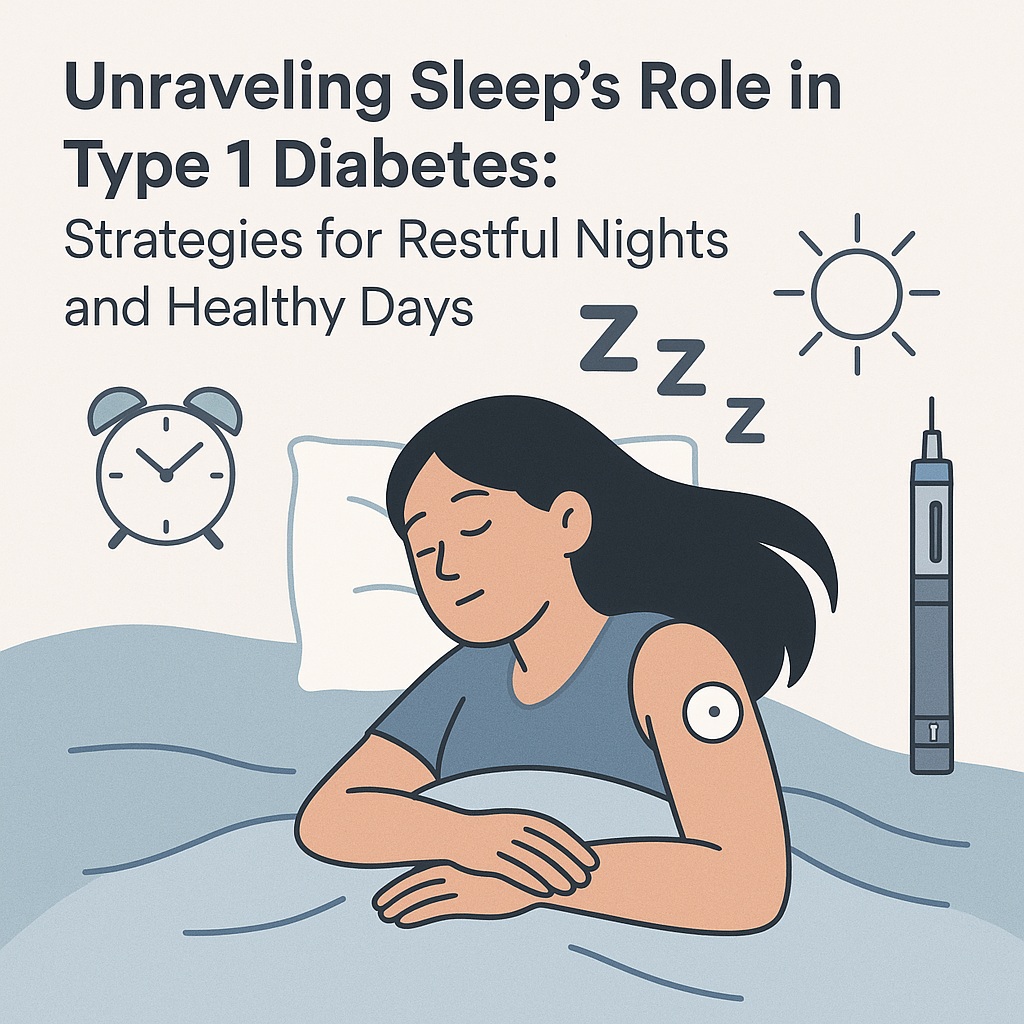
Understanding the intricate relationship between sleep and type 1 diabetes is a crucial step toward optimizing both nightly rest and daily health. Type 1 diabetes, an autoimmune condition characterized by the body’s inability to produce insulin, requires constant monitoring and management. Sleep, often overlooked in diabetes care, plays a vital role in maintaining blood sugar levels, as well as overall well-being. However, achieving restful sleep can be challenging for individuals with type 1 diabetes due to factors such as blood sugar fluctuations, worry about nighttime hypoglycemia, and the physical discomfort of wearing insulin pumps or continuous glucose monitors. These challenges can lead to sleep disruptions, which may, in turn, affect blood sugar control and quality of life.
The interplay between sleep and diabetes management is complex. Poor sleep quality or inadequate sleep duration can make blood sugar levels more difficult to manage, potentially leading to increased stress and insulin resistance. Conversely, well-managed diabetes can contribute to better sleep quality by minimizing the risk of nighttime hypoglycemia and other diabetes-related disturbances. For those living with type 1 diabetes, exploring strategies to enhance sleep quality can be a valuable component of their overall care plan. Yet, it is essential to remember that sleep needs and diabetes management strategies can vary significantly from person to person, making personalized healthcare guidance critical.
While research continues to explore the nuances of sleep in diabetes management, many individuals may find that prioritizing good sleep hygiene can make a meaningful difference. Simple changes, such as maintaining a consistent sleep schedule, creating a restful sleep environment, and incorporating relaxation techniques, may help improve sleep quality. Additionally, regular communication with healthcare providers is key to navigating the unique challenges of managing type 1 diabetes and sleep. These professionals can offer tailored advice and adjustments to treatment plans, ensuring that both sleep and diabetes management are effectively addressed. As you delve further into this article, you’ll find strategies and insights that could potentially enhance your sleep and, by extension, your daily management of type 1 diabetes. Remember, the journey to better sleep is not a one-size-fits-all path, so consulting with your doctor to tailor these strategies to your individual needs is always recommended.
2. Medical Overview
Type 1 diabetes is a chronic condition where the body’s immune system mistakenly attacks and destroys insulin-producing beta cells in the pancreas. This autoimmune reaction results in little to no insulin production, which is essential for regulating blood glucose levels. Insulin acts like a key, allowing glucose, the body’s primary energy source, to enter cells. Without adequate insulin, glucose builds up in the bloodstream, leading to hyperglycemia. Managing type 1 diabetes requires a delicate balance of insulin therapy, diet, and lifestyle adjustments to maintain blood sugar levels within a target range.
Sleep plays a crucial role in managing type 1 diabetes, as it is intricately linked with both glucose metabolism and overall health. Poor or insufficient sleep can lead to increased insulin resistance, making it harder for the body to use insulin effectively. This can result in higher blood sugar levels and make diabetes management more challenging. Furthermore, disrupted sleep patterns can interfere with the body’s stress hormones, which may further impact blood sugar control.
Individuals with type 1 diabetes may face unique challenges that disrupt sleep, such as nocturnal hypoglycemia (low blood sugar levels during the night) or the necessity for nighttime blood sugar monitoring. These interruptions can lead to sleep deprivation, affecting both physical health and emotional well-being. Over time, chronic sleep disturbances may contribute to difficulties in managing diabetes and could increase the risk of complications. Managing sleep effectively is, therefore, an important aspect of overall diabetes care.
While there is no one-size-fits-all solution for managing sleep disturbances in type 1 diabetes, several strategies may help improve sleep quality. Practicing good sleep hygiene, such as maintaining a regular sleep schedule, creating a restful sleep environment, and minimizing caffeine or electronic device use before bed, can be beneficial. Additionally, working closely with healthcare providers to fine-tune insulin regimens and addressing any underlying sleep disorders are important steps. Since each individual’s experience with type 1 diabetes is unique, it is advisable to consult with healthcare professionals to tailor strategies that best suit personal needs and circumstances.
3. Practical Guidance
Getting a good night’s sleep can be a challenge for those managing type 1 diabetes, but incorporating certain strategies into your routine may help create a more restful environment. Firstly, establishing a consistent sleep schedule is beneficial. Going to bed and waking up at the same time every day, even on weekends, can regulate your body’s internal clock and improve the quality of your sleep. This routine may also assist in maintaining more stable blood glucose levels overnight.
Another practical tip is to create a calming bedtime routine that signals to your body that it’s time to wind down. This might include activities such as reading a book, taking a warm bath, or practicing relaxation exercises like deep breathing or gentle yoga. It’s important to avoid stimulating activities or screens at least an hour before bed, as the blue light emitted by devices can interfere with your ability to fall asleep.
Managing blood glucose levels before bed is crucial. Aim to monitor your levels and discuss with your healthcare provider what target range is best for you before sleeping. It’s wise to have a plan in place for managing potential nighttime hypoglycemia, including having snacks or glucose tablets close by and ensuring that your family members or roommates know what to do in case of an emergency. If you experience frequent night-time lows or highs, consult your healthcare team to adjust your management plan as needed.
Creating an optimal sleep environment can make a significant difference. Keep your bedroom cool, dark, and quiet. Consider using blackout curtains to block out light and earplugs or a white noise machine to reduce noise disturbances. A comfortable mattress and pillows that support your preferred sleep position are also essential for a good night’s rest.
Finally, regular physical activity during the day can promote better sleep, but timing is key. Try to complete exercise at least a few hours before bedtime, as exercising too close to bedtime might energize you and make it harder to fall asleep. Always monitor your blood glucose levels before and after exercise to avoid unexpected fluctuations.
While these strategies might help improve your sleep, individual experiences can vary greatly. It’s important to maintain regular communication with your healthcare provider to tailor these suggestions to your specific needs and circumstances. Remember, achieving restful sleep is a gradual process, and patience and consistency are key.
4. Practical Tips
Managing sleep can be challenging for individuals with type 1 diabetes, but incorporating practical strategies into your daily routine may help improve sleep quality and overall well-being. One essential tip is to establish a consistent bedtime routine. Going to bed and waking up at the same time every day, even on weekends, can help regulate your body’s internal clock. This regularity can be particularly beneficial for stabilizing blood sugar levels overnight, as your body adapts to a predictable schedule. Consistency in sleep patterns can contribute to more restful nights and more stable days.
Another concrete strategy is to create a sleep-friendly environment. Consider keeping your bedroom cool, quiet, and dark. Using blackout curtains or a sleep mask and white noise machines or earplugs can make a significant difference in your sleep quality. Additionally, limiting exposure to screens from phones, tablets, and computers at least an hour before bed can help reduce the interference of blue light with your natural sleep cycle. This simple adjustment can aid in the production of melatonin, a hormone that helps regulate sleep.
Monitoring and managing blood glucose levels before bed is also crucial. Having a small, balanced snack that combines protein and carbohydrates may help maintain steady blood sugar levels through the night. However, it’s important to consult with your healthcare provider to determine what works best for your individual needs. Moreover, incorporating relaxation techniques such as deep breathing, meditation, or gentle stretching before bed may help reduce stress and promote relaxation, further supporting a more restful sleep.
Lastly, engaging in regular physical activity during the day, tailored to your abilities and preferences, can also play a role in improving sleep quality. Exercise can help lower blood sugar levels and reduce stress, both of which might contribute to more restful sleep. However, try to finish vigorous activities a few hours before bedtime, as working out too close to sleep time can have the opposite effect by stimulating your body and making it harder to wind down. Always consult your healthcare provider when making changes to your exercise routine to ensure it aligns with your health needs.
By weaving these practical tips into your daily life, you may enhance your sleep quality and, in turn, support better management of type 1 diabetes. Always remember that each person’s situation is unique, and it’s important to collaborate with your healthcare provider to tailor these strategies to best fit your individual circumstances.
5. Expert Opinions
Understanding the intricate relationship between sleep and type 1 diabetes can be enlightening, yet challenging, as it involves numerous variables. Experts in endocrinology and sleep medicine often highlight the importance of quality sleep for those managing type 1 diabetes. Sleep disturbances are not uncommon in individuals with this condition, and factors such as nocturnal hypoglycemia, hyperglycemia, and even the psychological stress of managing a chronic illness can play a significant role. This complex interplay underscores the need for personalized approaches, as what works for one person may not be as effective for another.
Clinicians generally recommend maintaining a consistent sleep schedule as a foundational strategy. Regular sleep patterns can help stabilize the body’s circadian rhythms, potentially aiding in more consistent blood sugar levels. Some specialists suggest that creating a relaxing pre-sleep routine can also be beneficial. Activities such as reading, gentle stretching, or meditation may help signal to the body that it is time to wind down, potentially promoting better sleep quality.
Another point often discussed by healthcare providers is the impact of blood sugar levels on sleep quality. It’s advised to monitor blood glucose levels before bedtime, as both high and low levels can disrupt sleep. In particular, nocturnal hypoglycemia is a concern that warrants attention. Experts advise addressing any episodes of low blood sugar immediately and ensuring stability before attempting to resume sleep activities. This is where technology, such as continuous glucose monitors, might play a supportive role by providing real-time data and alerts, although the use and choice of such devices should be tailored in consultation with healthcare professionals.
Moreover, some experts stress the importance of evaluating sleep disorders that might coexist with type 1 diabetes, such as sleep apnea. Although a direct correlation has not been definitively established in every individual, addressing these conditions with appropriate medical guidance can improve overall sleep quality and, subsequently, diabetes management. Continuous involvement and communication with a healthcare team are crucial to adjust strategies as needed, ensuring they align with personal health needs.
Given the variability and personal nature of managing type 1 diabetes, these expert opinions underline the importance of individualized care. Anyone experiencing persistent sleep issues should seek advice from their healthcare provider to explore tailored solutions. Navigating this journey with the support of a knowledgeable team can make a meaningful difference, fostering not only restful nights but also healthier days.
6. Misconceptions
Type 1 diabetes is often accompanied by a slew of misconceptions, especially when it comes to how the condition interacts with sleep. One common misunderstanding is the belief that sleep problems in people with Type 1 diabetes are simply due to fluctuating blood sugar levels. While blood glucose variations can indeed affect sleep, particularly when it comes to nocturnal hypoglycemia, the relationship is more complex and multifaceted. Factors such as stress, anxiety, and even the physical discomfort of wearing diabetes management devices can also play significant roles. Understanding these layers can help in developing a more comprehensive approach to better sleep.
Another misconception is that a poor night’s sleep is merely a nuisance without long-term consequences. In reality, sleep quality can significantly impact glucose control and overall health. Inconsistent or inadequate sleep may exacerbate difficulties in managing blood sugar levels, potentially leading to a cycle of sleep disturbances and uncontrolled glucose levels. Recognizing the importance of sleep as part of diabetes management can encourage more proactive steps in improving sleep hygiene and overall wellness.
Many people also mistakenly believe that the only way to improve sleep is through medication. While medication can be helpful for some individuals, lifestyle modifications often play a crucial role in enhancing sleep quality. Techniques such as establishing a consistent sleep routine, creating a comfortable sleep environment, and managing stress can contribute to better sleep. It’s important to remember that these strategies may not work the same for everyone, and consulting a healthcare provider is essential to tailor a plan that fits individual needs.
Finally, there’s the myth that people with Type 1 diabetes should simply “power through” sleep disruptions without addressing them. This approach overlooks the potential impact of sleep on daily functioning and diabetes management. Quality sleep is a cornerstone of good health and can affect everything from mood to insulin sensitivity. Addressing sleep issues with the same seriousness as other aspects of diabetes care can lead to better outcomes and improved quality of life. If sleep disturbances persist, it’s advisable to seek guidance from a healthcare professional who can provide tailored advice and support.
7. Summary
Understanding the intricate relationship between sleep and type 1 diabetes is crucial for managing this condition effectively. Sleep plays a vital role in regulating various bodily functions, including hormone production, immune response, and blood sugar metabolism. For individuals with type 1 diabetes, achieving restful sleep is especially important as it can impact blood glucose levels, insulin sensitivity, and overall health. However, managing diabetes can present unique challenges that may disrupt sleep, such as nocturnal hypoglycemia or the need for frequent blood sugar monitoring.
Research suggests that poor sleep can lead to difficulties in managing blood glucose levels, potentially exacerbating diabetes-related complications over time. On the other hand, a consistent sleep routine and quality rest may help enhance insulin sensitivity and improve blood sugar control. While more research is needed to understand fully the bidirectional relationship between sleep and type 1 diabetes, the existing evidence underscores the importance of prioritizing sleep as part of a comprehensive diabetes management plan.
Strategies to promote better sleep for those with type 1 diabetes include maintaining a regular sleep schedule, creating a comfortable sleep environment, and managing stress through relaxation techniques. It’s also beneficial to monitor blood sugar levels closely and recognize patterns that might affect sleep quality. For example, addressing issues like sleep apnea or restless leg syndrome, which can be more common in people with diabetes, may also improve sleep health.
While these strategies can be helpful, it’s essential to remember that each person’s experience with type 1 diabetes is unique. What works for one individual may not be as effective for another. Therefore, it’s important to consult with healthcare professionals who can provide personalized advice based on one’s specific health needs. By working closely with a medical team, individuals with type 1 diabetes can develop tailored strategies that support both restful nights and healthy days.