1. Introduction
Type 1 diabetes presents unique challenges, particularly when it comes to dining and culinary choices. For individuals navigating this condition, maintaining balanced blood sugar levels is a vital part of daily life. This often involves a thoughtful approach to meal planning and nutrition, ensuring that each meal is not only enjoyable but also supports their health needs. Understanding the nutritional content of food, such as carbohydrates, proteins, and fats, becomes essential in managing type 1 diabetes effectively. However, the culinary landscape need not be restrictive; rather, it offers an opportunity for innovation and creativity that can lead to delightful dining experiences.
Recent advances in nutritional science are paving the way for more inclusive and adaptable dining options for those living with type 1 diabetes. These innovations range from the development of new food products and meal planning tools to the integration of technology in dietary management. The goal is to provide greater flexibility and variety without compromising on health. By exploring these advancements, individuals can discover ways to enhance their dining experiences, transforming what might once have been seen as limitations into opportunities for culinary exploration.
The journey toward creating diabetes-friendly dining experiences is highly individualized. What works for one person may not be suitable for another, underscoring the importance of personalization in dietary choices. Innovations in nutritional science offer new avenues for customization, allowing individuals to tailor their diets according to their specific needs and preferences. This approach not only supports better blood sugar management but also encourages a positive relationship with food, which is crucial for overall well-being.
As we delve into this exploration of culinary possibilities, it’s important to remember that any significant changes to one’s diet should be discussed with a healthcare professional. Consulting with a doctor or a registered dietitian can provide personalized guidance and ensure that dietary adjustments align with individual health goals and medical needs. With the right approach, dining can become a pleasurable and health-supportive experience, making the journey of managing type 1 diabetes a bit more flavorful and fulfilling.
2. Medical Overview
Type 1 diabetes is a complex autoimmune condition where the body’s immune system attacks and destroys insulin-producing beta cells in the pancreas. As a result, individuals with type 1 diabetes are unable to produce insulin, the hormone critical for regulating blood sugar levels. This necessitates external insulin administration through injections or an insulin pump to manage blood glucose levels effectively. While the quest for a cure continues, innovations in nutritional science are offering promising avenues for enhancing life quality and culinary experiences for those living with this condition.
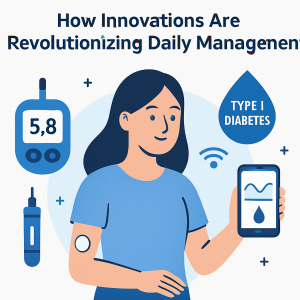
The medical management of type 1 diabetes revolves around maintaining blood glucose levels within a target range, which is a carefully individualized process. This often involves a combination of insulin therapy, regular blood sugar monitoring, and dietary management. Advances in technology have led to the development of continuous glucose monitors (CGMs) and insulin pumps that can provide more consistent and precise control over blood glucose levels. These devices allow for real-time tracking and adjustments, helping reduce the risk of complications associated with both hyperglycemia and hypoglycemia. However, these tools are most effective when used in conjunction with a well-planned dietary strategy, emphasizing the importance of personalized medical guidance from healthcare providers.
In recent years, nutritional science has explored innovative approaches to support glycemic control through diet. While traditional dietary recommendations have emphasized carbohydrate counting and balanced meal planning, newer insights suggest that the composition and timing of meals can also play a critical role. For example, research into the glycemic index and glycemic load of foods has provided a deeper understanding of how different nutrients impact blood sugar levels. Experimenting with low-glycemic foods and integrating healthy fats and proteins may help stabilize blood glucose levels, though individual responses can vary significantly. Therefore, it is crucial for individuals to work closely with healthcare professionals, such as registered dietitians or certified diabetes educators, to tailor dietary choices to their unique needs and preferences.
Emerging trends, such as plant-based diets and low-carbohydrate meal plans, are also being evaluated for their potential benefits in managing type 1 diabetes. While these dietary patterns may offer benefits for some, they are not universally suitable and require professional oversight to ensure nutritional adequacy and compatibility with insulin therapy. As nutritional science continues to evolve, it holds the promise of expanding culinary horizons for those managing type 1 diabetes, allowing for diverse and enjoyable dining experiences while maintaining optimal health. Always consult with your healthcare team before making significant changes to your diet or insulin regimen to ensure safety and effectiveness.
3. Practical Guidance
When it comes to creating a dining experience that aligns with the nutritional needs of someone managing type 1 diabetes, practical strategies can make a significant difference. One foundational aspect is understanding the role of carbohydrates in meal planning. Carbohydrates have a direct impact on blood sugar levels, so being aware of the carbohydrate content in meals can help in making informed food choices. Utilizing tools like carbohydrate counting or the glycemic index may assist in managing post-meal blood glucose levels. It’s important to remember that each person’s response to carbohydrates can vary, so consulting with a healthcare provider or a registered dietitian can offer personalized guidance.
Incorporating a variety of nutrient-dense foods is another key element. Emphasizing whole grains, lean proteins, healthy fats, and plenty of fruits and vegetables can provide essential nutrients while helping to maintain stable blood sugar levels. Foods rich in fiber, in particular, can slow the absorption of sugar, leading to more steady blood glucose levels. Again, individual responses can differ, so it’s advisable to monitor how different foods affect your blood sugar and discuss any significant changes with your healthcare team.
Meal timing and portion control also play critical roles in managing type 1 diabetes. Eating at regular intervals can help avoid drastic fluctuations in blood sugar levels. It might be helpful to keep a consistent meal schedule, balancing meals and snacks throughout the day. Portion control can also impact blood glucose management, as larger portions may lead to higher blood sugar levels. Mindful eating practices, such as paying attention to hunger cues and savoring each bite, can aid in maintaining appropriate portions.
Technology can be a valuable ally in crafting a diabetes-friendly dining experience. Continuous glucose monitors (CGMs) and smart insulin pens are examples of innovations that provide real-time data, allowing for more nuanced approaches to food and insulin management. Additionally, many apps are available that can assist with tracking carbohydrate intake, suggesting meal ideas, and even providing reminders for insulin administration. However, it’s essential to ensure that any technological tool is used in conjunction with professional medical advice, as individual needs and circumstances can vary.
Finally, it’s critical to remain flexible and prepared for the unexpected. Sometimes, plans change, and meals may not go as expected. Carrying a small supply of quick-acting carbohydrates, such as glucose tablets or juice, can be a practical solution for managing hypoglycemia. If you experience low blood sugar, it’s important to treat it promptly and ensure recovery before resuming activities. Always keep your healthcare provider informed about any significant changes in your dietary habits or glucose management strategies. By combining practical guidance with professional advice, you can create a dining experience that supports your overall health and well-being. Remember, every individual is unique, and ongoing collaboration with your healthcare team is essential.
4. Practical Tips
Transforming culinary limits for those with type 1 diabetes involves more than just counting carbs—it’s about embracing a lifestyle that incorporates innovative nutritional science to enhance dining experiences. Here are some practical tips to help you navigate this journey.
First, consider the power of low-carb flour alternatives. Traditional wheat flour can rapidly increase blood sugar levels, but there are innovative substitutes that may offer a gentler impact. Almond flour, for example, is low in carbohydrates and high in healthy fats, making it a popular choice for baking and cooking. Coconut flour is another option; it is high in fiber, which can help moderate blood sugar spikes. Experimenting with these flours in recipes like pancakes or muffins can lead to a variety of delicious and diabetes-friendly meals. Of course, it’s essential to monitor your blood sugar response to these alternatives and consult with your healthcare provider to ensure they fit your personal dietary needs.
Another practical tip is to harness the potential of plant-based sweeteners. Natural sweeteners such as stevia and monk fruit extract are gaining popularity as they provide sweetness without the glucose spike associated with sugar. These sweeteners can be used in beverages, desserts, and even savory dishes to enhance flavor without the added carbs. As with any dietary change, it’s crucial to observe how these sweeteners affect your blood sugar and discuss with your doctor or nutritionist to tailor your diet accordingly.
Finally, incorporating fiber-rich foods can be a game-changer in managing type 1 diabetes. Fiber not only aids in digestion but also slows the absorption of sugar, potentially helping to stabilize blood glucose levels. Foods such as chia seeds, flaxseeds, and various legumes are excellent sources of fiber. Introducing these into your diet can be as simple as adding chia seeds to your morning yogurt or incorporating beans into soups and salads. Remember, the key is balance, so keep track of how your body responds and adjust your intake as necessary with guidance from your healthcare team.
Remember, while these tips can enhance your culinary experience, individual responses to dietary changes can vary. It’s always best to work closely with your healthcare provider to tailor any dietary adjustments to your specific health needs and goals.
5. Expert Opinions
In the realm of type 1 diabetes management, experts continuously emphasize the importance of nutritional science as a fundamental component in achieving optimal health outcomes. Clinicians generally recommend that individuals with type 1 diabetes work closely with healthcare providers and registered dietitians to create personalized meal plans that consider their unique nutritional needs and lifestyle preferences. These plans often focus on balancing macronutrients, monitoring carbohydrate intake, and incorporating a variety of nutrient-dense foods to support overall well-being.
One notable area of innovation is the exploration of low-glycemic index (GI) foods, which may help in managing blood glucose levels more effectively. While not every food choice affects individuals in the same way, some research suggests that incorporating low-GI foods into meals can lead to steadier, more predictable blood sugar levels. This approach encourages the consumption of whole grains, legumes, and non-starchy vegetables, which release glucose more gradually into the bloodstream compared to high-GI foods.
Another exciting frontier is the development of plant-based and alternative protein sources. These options not only offer nutritional variety but also provide essential nutrients without the saturated fats often found in animal products. Experts highlight that plant-based diets, when properly planned, can be rich in fiber, vitamins, and minerals, contributing to improved long-term health outcomes for those with type 1 diabetes. However, individuals should consult with healthcare professionals to ensure their diet meets all necessary nutritional requirements.
Technology also plays a pivotal role in transforming dietary management for type 1 diabetes. Continuous glucose monitoring systems and insulin pumps have become increasingly sophisticated, allowing for more precise monitoring and insulin delivery. These advancements can help individuals make informed dietary choices, adjusting their meal plans as needed to maintain stable blood glucose levels. Experts often advise incorporating these technologies into daily routines, as they can provide valuable insights into how different foods affect one’s body.
Finally, experts underscore the importance of staying informed about the latest nutritional science developments. Attending workshops, engaging with community support groups, and accessing reputable resources can empower individuals with type 1 diabetes to make informed decisions about their diet. Importantly, any changes in dietary habits should be discussed with a healthcare provider to ensure they are safe and appropriate for the individual’s specific health circumstances. By leveraging expert knowledge and scientific advancements, individuals with type 1 diabetes can enjoy a more flexible and fulfilling dining experience, tailored to their unique needs.
6. Misconceptions
Misconceptions about type 1 diabetes can create unnecessary barriers to enjoying a diverse and satisfying culinary experience. One common misconception is that people with type 1 diabetes must avoid carbohydrates entirely. While it’s true that carbohydrate intake requires careful monitoring and insulin management, completely eliminating carbs is neither necessary nor advisable. Carbohydrates provide essential nutrients and energy, and with proper planning and portion control, they can be included in a balanced diet. It’s important for individuals with type 1 diabetes to work with healthcare professionals to develop a personalized meal plan that fits their lifestyle and nutritional needs.
Another prevalent myth is that sugar is completely off-limits for those managing type 1 diabetes. While it’s crucial to manage sugar intake carefully, it doesn’t mean desserts and sweet treats are forever banned. Moderation and timing are key, and many people with type 1 diabetes enjoy sweets as part of a well-balanced meal plan. Innovations in nutritional science have introduced a variety of low-sugar and sugar-free alternatives that can satisfy a sweet tooth without causing significant blood sugar spikes. Consulting with a dietitian can help individuals understand how to incorporate these options into their diet safely.
There’s also a misconception that dining out is too risky for those with type 1 diabetes. While it does require some extra planning and vigilance, dining in restaurants can be an enjoyable experience. Many restaurants are now more accommodating and willing to provide nutritional information or make adjustments to menu items to suit individual needs. Learning to estimate carbohydrate content and asking the right questions can empower people with type 1 diabetes to make informed choices while enjoying meals out. As always, it’s wise to have a plan in place for managing blood glucose levels while dining out, and to consult healthcare providers for personalized strategies.
Lastly, the notion that type 1 diabetes severely restricts food variety is outdated. With advancements in food technology and a better understanding of nutrition science, there are more options than ever for creating diabetes-friendly meals that are both nutritious and delicious. From plant-based proteins to innovative low-carb products, the culinary world is evolving to support diverse dietary needs. Educating oneself and staying informed about these innovations can help dispel myths and open up a world of possibilities. Always remember, when making dietary changes or trying new products, consulting with a healthcare professional can provide guidance tailored to individual health needs.
7. Summary
In the journey of managing type 1 diabetes, dietary considerations can often seem like a restrictive part of daily life. However, advancements in nutritional science are beginning to transform these culinary limits into opportunities for more enjoyable and diverse dining experiences. By focusing on the development of type 1 diabetes-friendly meals, individuals can explore a variety of flavors and cuisines while maintaining their health. These innovations aim to offer more flexibility and enjoyment without compromising on blood glucose management.
One of the key areas of focus is the understanding of how different foods affect blood sugar levels. This knowledge empowers people with type 1 diabetes to make informed dietary choices that align with their health goals. Advances in technology, such as continuous glucose monitors, have made it easier to track the body’s response to various foods in real time. This data can be invaluable in customizing meal plans that fit individual needs and preferences. However, it’s important to remember that these tools are not a one-size-fits-all solution. Individuals should work with their healthcare providers to interpret this data in a manner that supports their overall treatment plan.
Another exciting development is the creation of new food products specifically designed for those managing type 1 diabetes. These products often incorporate lower glycemic index ingredients, providing slower, more stable blood sugar responses. For example, the use of alternative flours, such as almond or coconut flour, and natural sweeteners, like stevia or monk fruit, can offer tasty options without the rapid sugar spikes that traditional ingredients might cause. While these products can be a part of a balanced diet, it’s essential to remember that individual responses to foods can vary. Consulting with a dietitian or healthcare provider can help ensure these new options are integrated into a comprehensive dietary strategy that aligns with personal health needs.
Moreover, there is a growing emphasis on the role of balanced macronutrients and portion control in managing type 1 diabetes. Research continues to explore how the right balance of carbohydrates, proteins, and fats can help manage blood sugar levels more effectively. Meal planning that considers these factors can contribute to more stable glucose control, enhancing overall well-being and reducing the risk of diabetes-related complications. Individuals are encouraged to experiment with different meal compositions to find what works best for them, always in consultation with their healthcare team.
Ultimately, while navigating dietary choices with type 1 diabetes can be challenging, emerging nutritional science innovations offer promising avenues for enhancing both health and enjoyment of food. By staying informed and working closely with healthcare professionals, individuals can transform culinary limits into a diverse and satisfying dining experience that supports their health journey. As always, personal preferences and medical advice should guide any changes to diet or lifestyle to ensure the best outcomes for each individual.